How to Choose Wipers: Signs, Types, and What Really Works
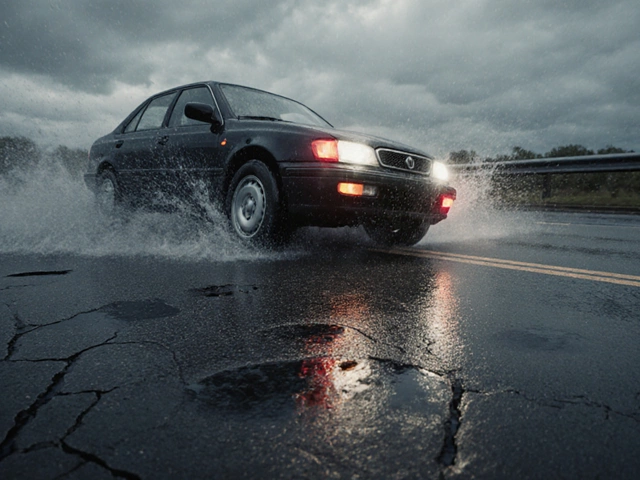
When you're driving in rain, your windscreen wipers, the blades that clear water from your windshield to keep your view clear. Also known as wiper blades, they're one of the most ignored but critical safety parts in your car. If they smear, chatter, or leave streaks, you're not just dealing with annoyance—you're risking your life. A bad set of wipers doesn’t just make driving uncomfortable; it reduces visibility by up to 70% in heavy rain, according to real-world driving studies. And yet, most people wait until they can barely see to replace them.
Not all wipers are made the same. There are traditional frame-style blades, beam blades that hug the curve of modern windshields, and even hybrid designs that combine both. The wiper arm, the metal part that presses the blade against the glass matters too—bent or weak arms cause uneven pressure and streaking. And don’t assume your car’s original wipers are the best. Aftermarket options often last longer, resist cracking in heat, and wipe cleaner. Brands like Bosch, Michelin, and Rain-X have models tested in Indian monsoon conditions, where dust, pollen, and sticky grime make wiper performance a daily battle.
How do you know it’s time? Look for streaks, skipping, or a squeaking noise. If the rubber is cracked or hardened, it’s already too late. Wipers don’t last forever—most need replacing every 6 to 12 months, even if you don’t use them often. Sun and heat degrade rubber faster than rain does. And if you live in a dusty area like Delhi or Hyderabad, you’ll need to swap them even sooner. Don’t wait for a sudden downpour to find out your wipers are useless.
Choosing the right size matters too. Your car’s manual lists the correct length, but you can also measure the old blade or check online databases. Wrong-sized wipers won’t clear the glass properly and can even damage the windshield or motor. And if your car has a rear wiper, don’t forget it—many drivers overlook it until they’re backing up in rain with zero visibility.
There’s no magic trick—just three simple steps: check the condition, match the size, pick a blade built for your climate. The best wipers don’t cost the most; they just fit right and stay flexible in heat. Skip the cheap ones sold at roadside stalls—they fall apart after one monsoon. Stick to trusted brands sold at auto shops you trust.
Below, you’ll find real-world advice from people who’ve been there: how to spot failing wipers before they fail you, why some cars don’t even use them, and what to do when your wiper arm is bent or the motor’s whining. These aren’t theory pieces—they’re fixes, tips, and warnings from drivers who learned the hard way.
-
29 Jul
- Recent
- Popular