Brake Pads: What You Need to Know About Cost, Wear, and Replacement
When your car stops, it’s the brake pads, thin friction components that clamp down on the rotors to slow your vehicle. Also known as brake linings, they’re one of the most critical parts of your braking system—and one of the most often ignored until it’s too late. Without them, your brakes don’t work. And if they’re worn out, you’re not just risking a repair bill—you’re risking your life.
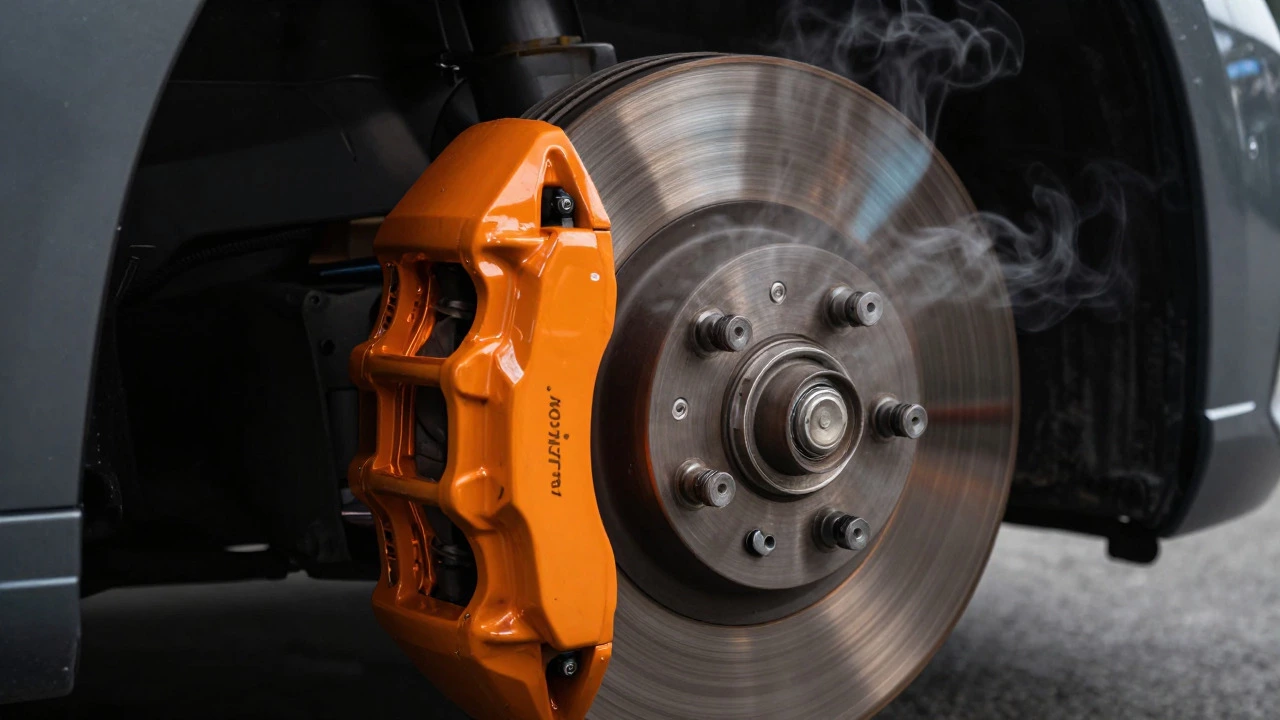
Brake pads don’t last forever. They wear down every time you hit the pedal. But how fast they go depends on your driving: stop-and-go city traffic eats them up faster than highway cruising. The type of pad matters too—ceramic lasts longer and is quieter, while semi-metallic handles heavy loads better but wears faster. And here’s the thing: brake rotors, the metal discs the pads press against. Also known as brake discs, they’re not just passive parts—they’re part of the whole system. If your pads are worn thin, they’ll start grinding on the rotors. That’s when you’re not just replacing pads—you’re replacing rotors too, and that costs way more.
You don’t need a mechanic to spot the warning signs. Squealing when you brake? That’s the wear indicator rubbing. A soft pedal or longer stopping distance? That’s your pads thinning out. And if you hear metal-on-metal grinding, you’re already damaging your rotors. Front brake pads wear faster than rear ones because they handle most of the stopping force—up to 70% in most cars. That’s why you’ll often see front pads replaced before the rear ones, even if both look worn.
People ask if they can skip replacing rotors when they change pads. Sometimes yes—but only if the rotors are smooth, thick enough, and not warped. Most shops will push you to replace both because it’s safer and more profitable. But you don’t have to fall for that. Learn how to check rotor thickness with a ruler or caliper. Look for grooves, bluing, or uneven surfaces. If it looks bad, don’t risk it.
And cost? It’s not just about the parts. Labor varies wildly depending on your car. A compact sedan might cost under $150 to replace all four pads. A luxury SUV? Could hit $500 or more. But if you wait too long and damage the rotors, you’re looking at double the price. The best way to save money? Catch wear early. Check your pads every 10,000 miles. Look at them through the wheel spokes. If they’re less than 1/4 inch thick, it’s time to plan a replacement.
Brake safety isn’t optional. It’s the difference between getting home and ending up in a hospital. This collection of articles gives you the straight facts: how to tell when your pads are done, how much replacement really costs, what to watch for on different car types, and how to avoid being upsold on unnecessary repairs. No fluff. No hype. Just what you need to keep your brakes working and your wallet intact.
-
25 Aug
-
18 Aug
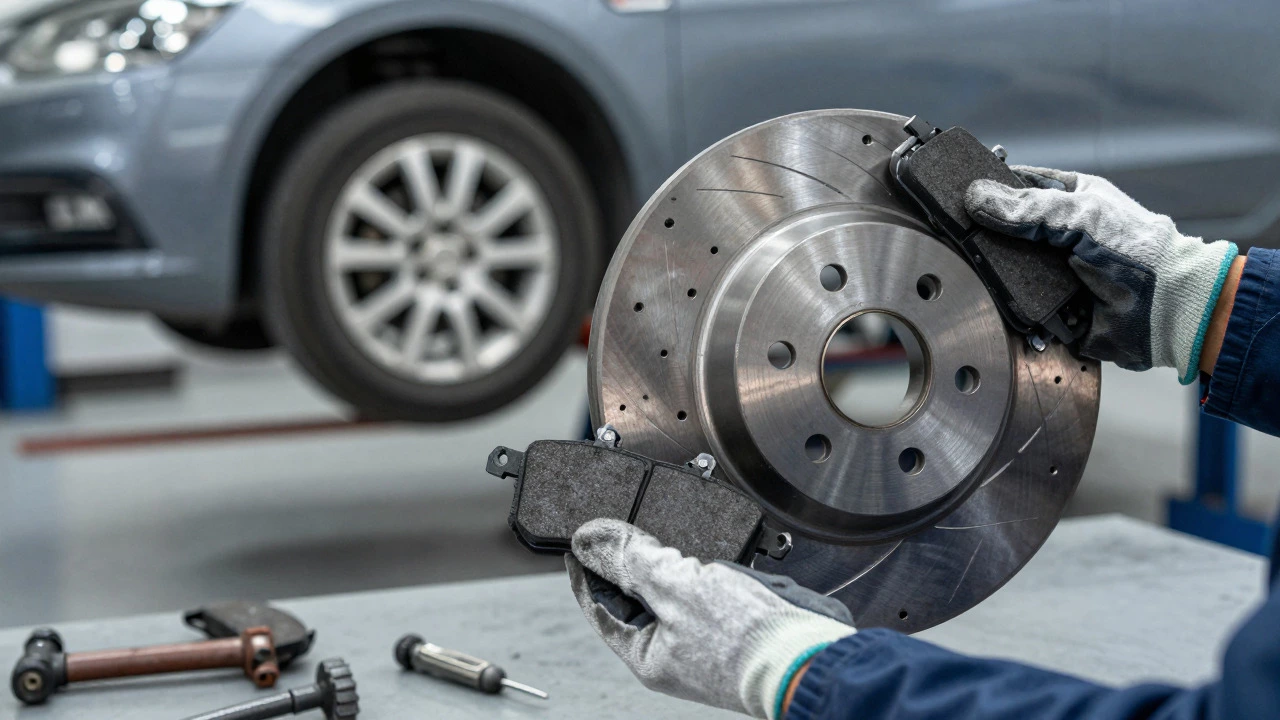
Brake Pad and Rotor Replacement Costs in the UK: What to Expect
Discover realistic UK prices for replacing brake pads and rotors in 2026. Learn how vehicle type and part quality affect costs, plus tips to avoid overpaying. -
3 Jul
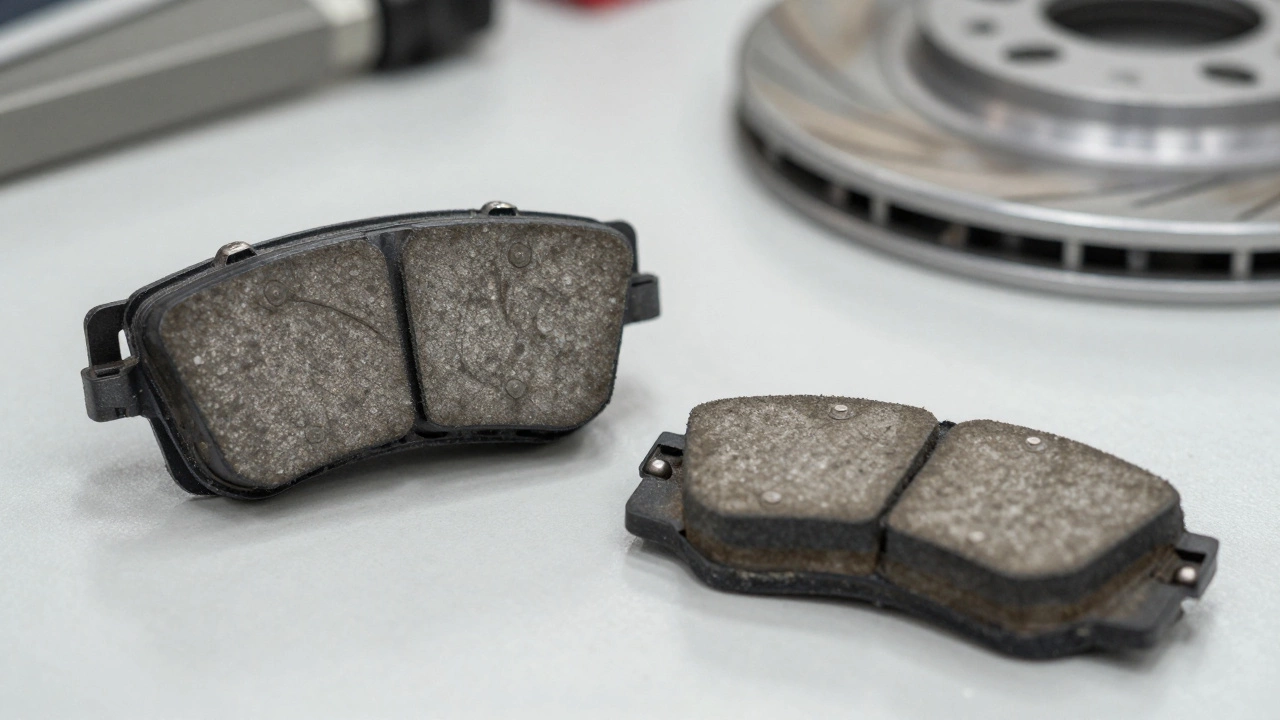
How Much Do Brake Pads Cost? A 2026 Price Guide for All Cars
Find out exactly how much brake pads cost in 2026. We break down prices for ceramic, semi-metallic, and OEM pads, plus labor costs and hidden expenses like rotors. -
23 Jun
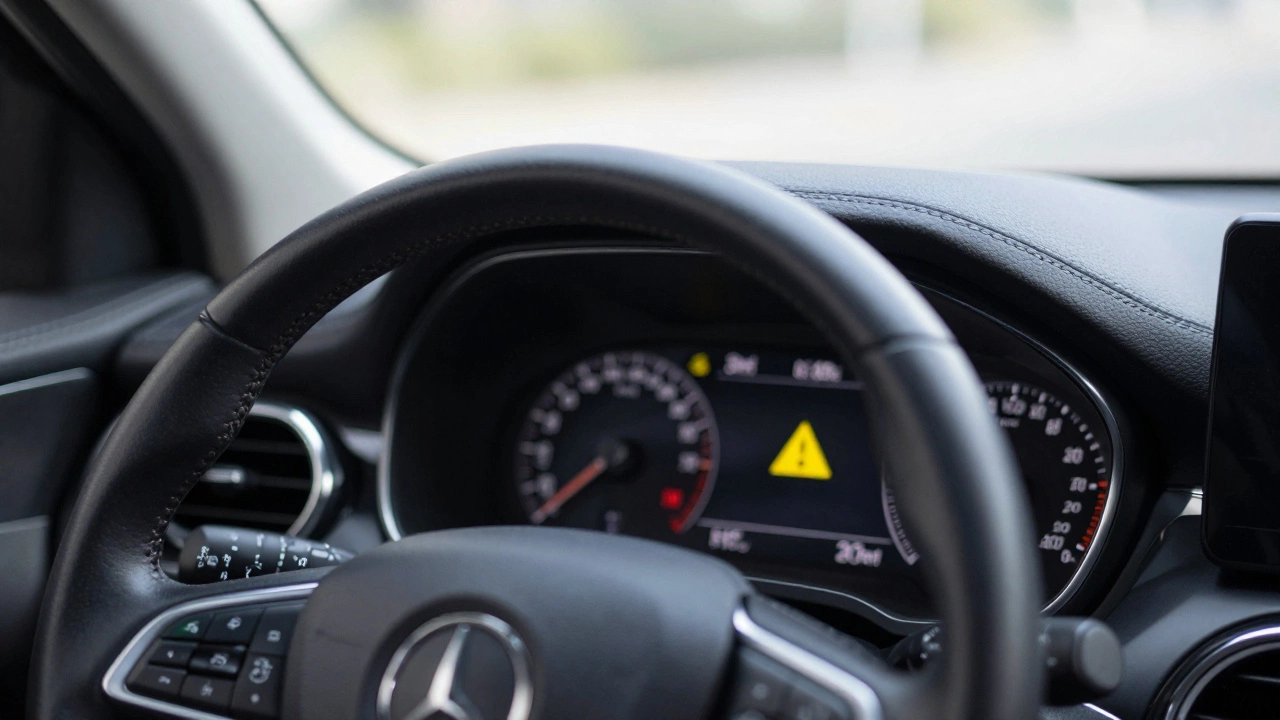
Will My Car Tell Me If I Need New Brake Pads? Signs, Sensors & Safety
Learn how your car warns you about worn brake pads. Discover the difference between mechanical squeals and electronic dashboard lights, decode warning symbols, and find out when to replace pads to avoid costly repairs. -
9 Jun
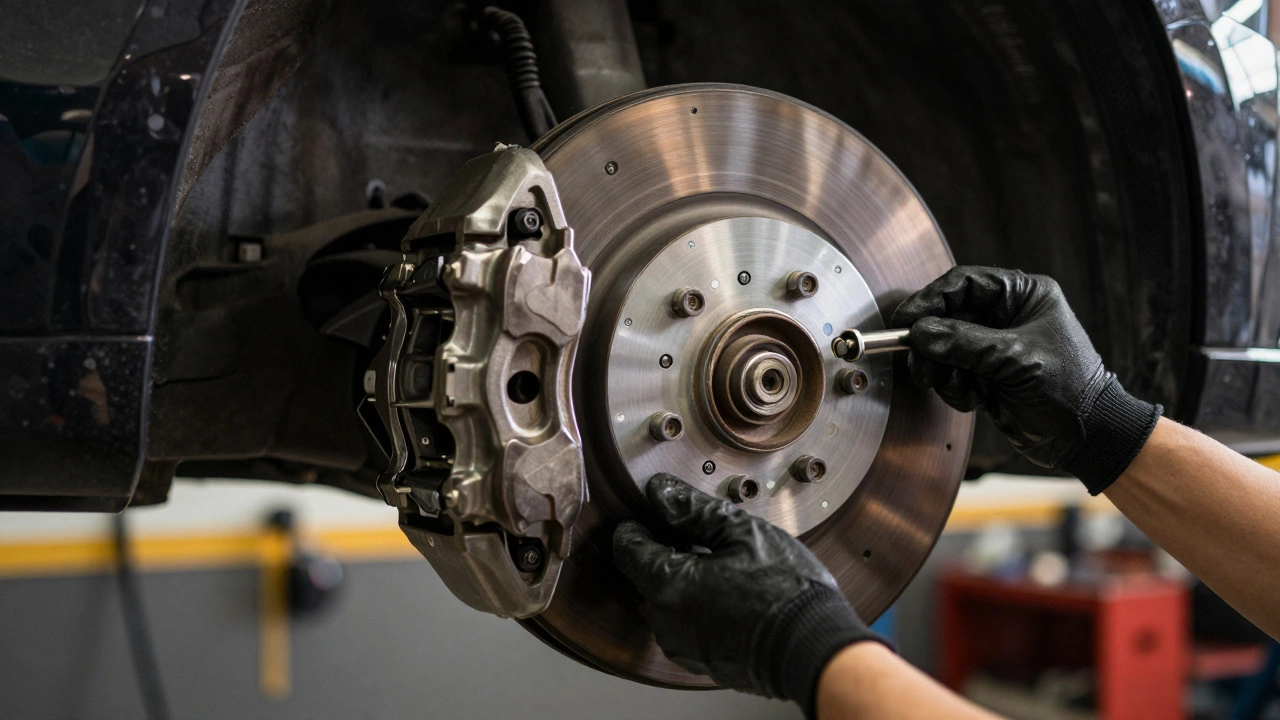
Do I Need New Rotors or Just Brake Pads? The Ultimate Guide
Learn how to tell if you need new brake rotors or just pads. We explain the signs of wear, cost benefits, and inspection tips to save money and stay safe. -
22 May
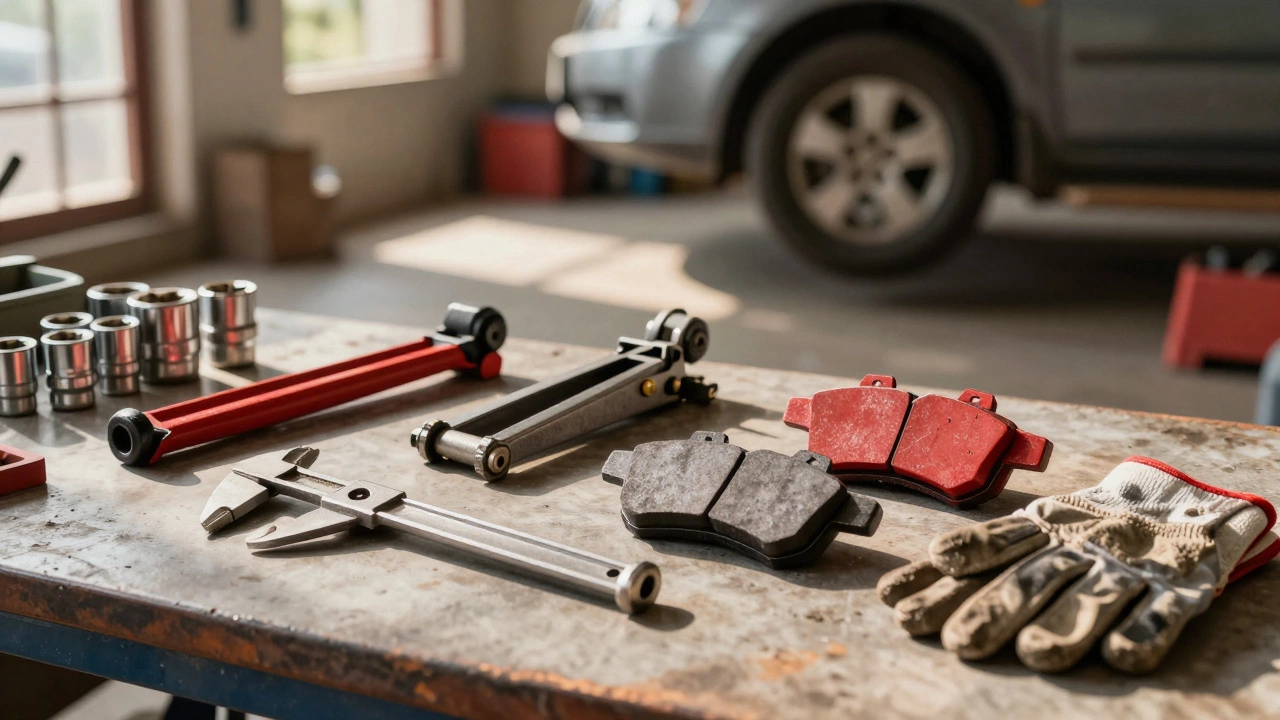
Is It Cheaper to Replace Brake Pads Yourself? A Real Cost Breakdown
Discover if replacing brake pads yourself saves money. We break down DIY costs vs garage fees, tool requirements, and hidden risks to help you decide. -
13 Mar
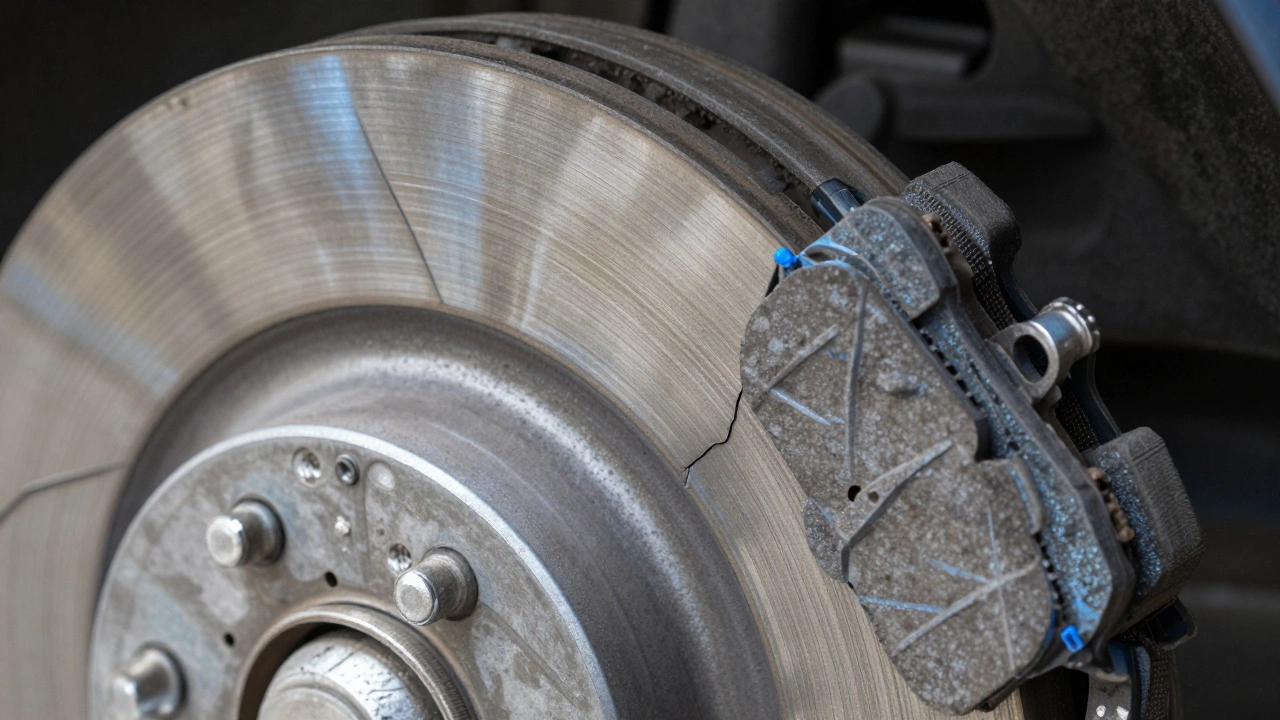
Can You Drive a Car with Bad Rotors? What Happens When Brake Rotors Go Bad
Driving with bad rotors is dangerous and can lead to brake failure. Learn the signs of worn rotors, why they fail, and what happens if you ignore them. Replace them before it's too late. -
15 Nov
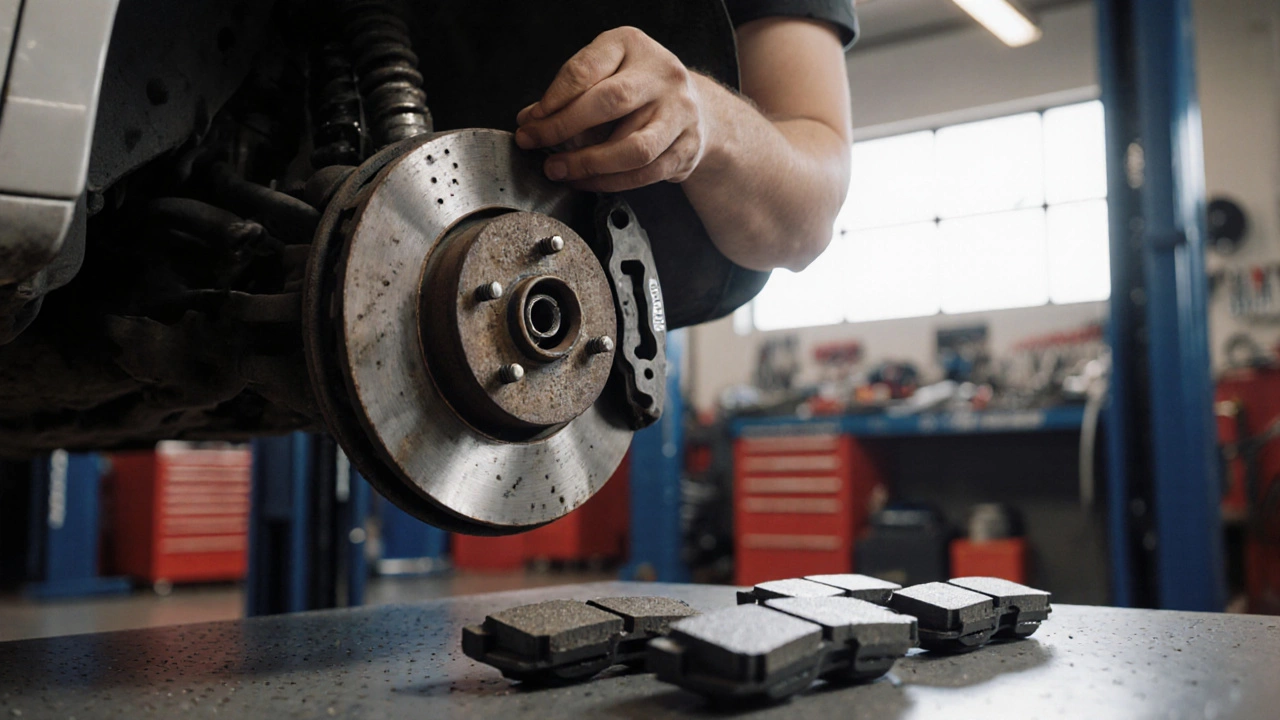
How Much Does It Cost to Just Replace Brake Pads? (2025 Price Guide)
Find out the real cost to replace brake pads in 2025, including parts, labor, and hidden fees. Get accurate pricing for compact cars, SUVs, trucks, and luxury models. -
30 Oct

How Much Should 4 Brake Pads Cost in 2025? A Realistic Price Guide
Find out how much 4 brake pads should cost in 2025, broken down by car type, material, and quality. Learn what to pay, what to avoid, and how to save money without sacrificing safety. -
28 Oct
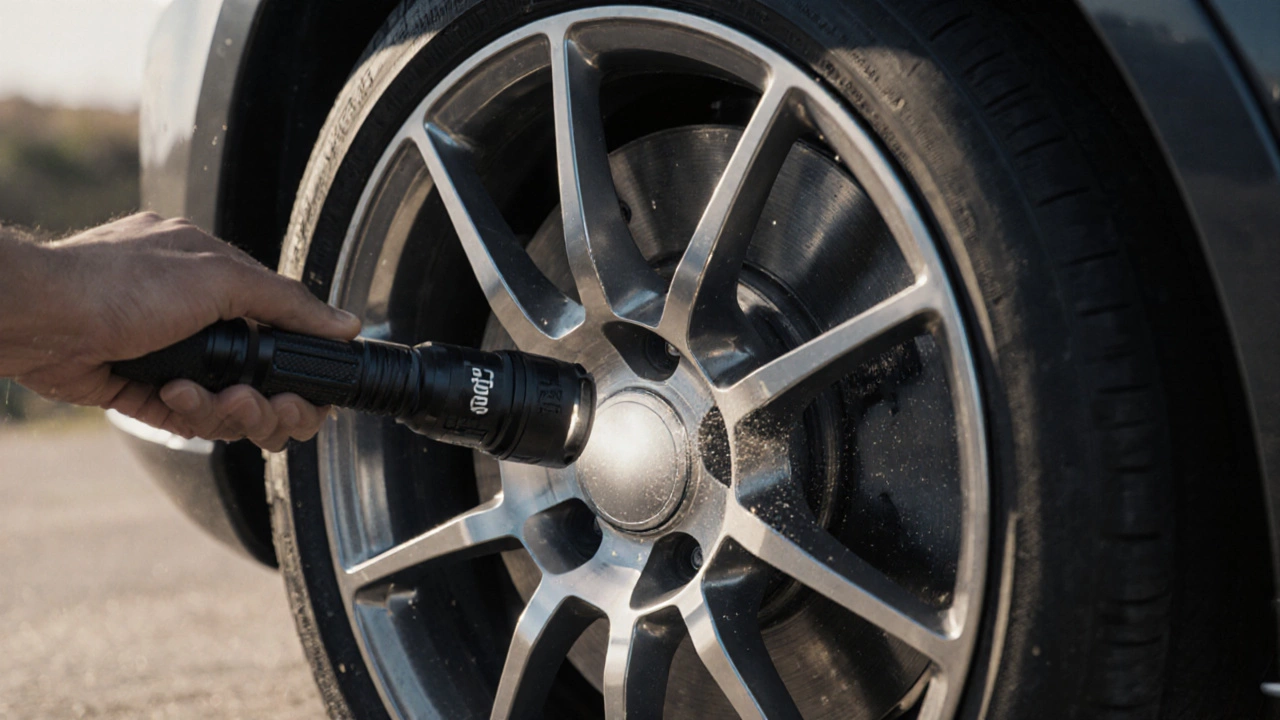
How to Tell If Your Brake Pads Are Worn Out
Learn the key signs your brake pads are worn out-squealing, vibration, longer stopping distances, and more. Know when to act before it becomes dangerous or expensive. -
25 Sep
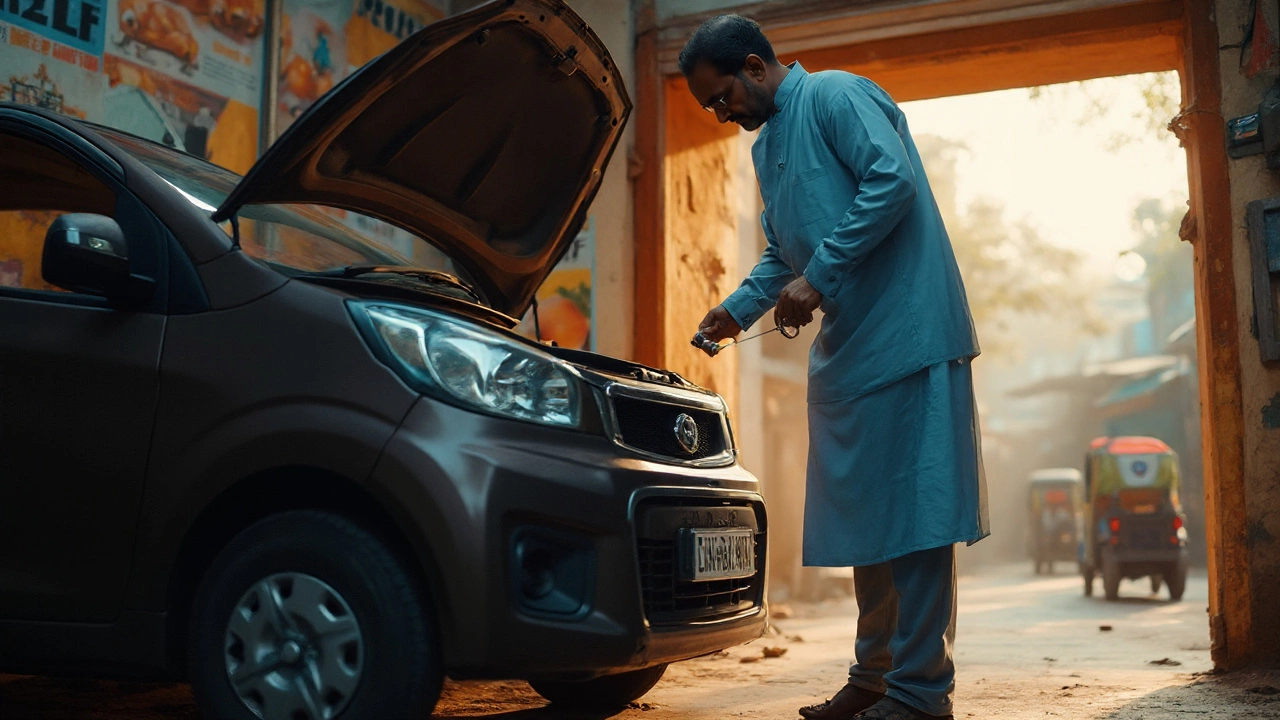
How to Tell When Your Brake Pads Need Replacing
Learn the tell‑tale signs of worn brake pads, why they matter, and how to check them yourself before costly damage hits. -
15 Jun
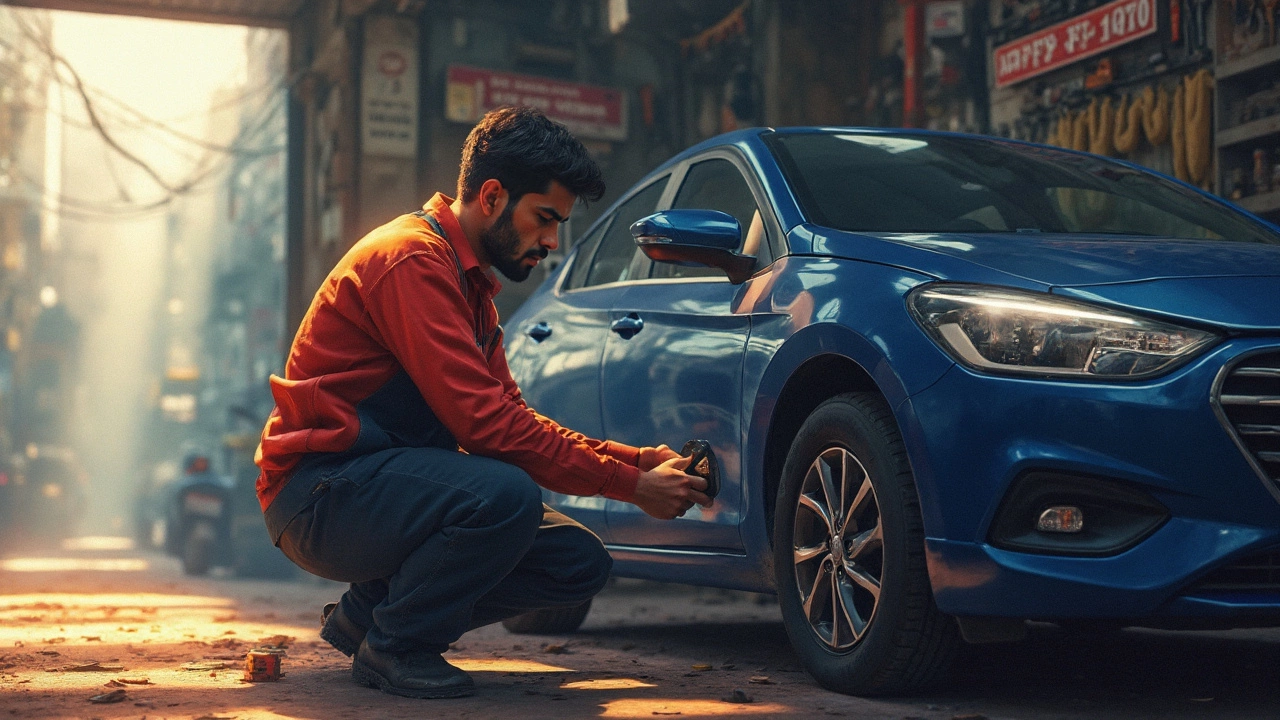
How Often Should Car Brake Pads Be Replaced? Real-World Answers
Brake pad replacement doesn't follow a one-size-fits-all rule—factors like your driving habits, the kind of car you have, and even the roads you hit make a big difference. This article lays out how often you really need to change your brake pads, what signs tell you they're worn out, and ways to make them last longer. You'll find hands-on tips for keeping your brakes in top shape and facts that might surprise you about brake pad wear. Staying on top of brake maintenance means safer drives and less cash wasted. Get straight talk on exactly when you should swap those pads out.
- Recent
- Popular
-
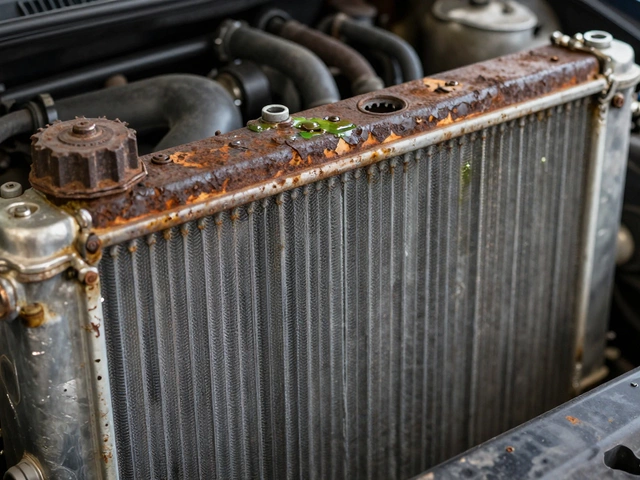 How Do I Know If My Radiator Needs Replacing? 7 Clear Signs
Mar 6 2026
How Do I Know If My Radiator Needs Replacing? 7 Clear Signs
Mar 6 2026
-
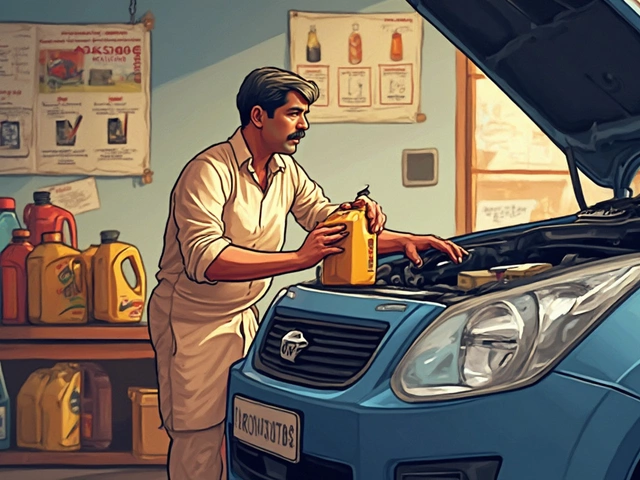 Does Engine Oil Choice Really Matter?
Mar 11 2025
Does Engine Oil Choice Really Matter?
Mar 11 2025
-
 Why Car Radiators Are Becoming Obsolete
Oct 26 2025
Why Car Radiators Are Becoming Obsolete
Oct 26 2025