Spark Plugs: What They Do, How Long They Last, and When to Replace Them
When your car sputters, misfires, or struggles to start, the culprit isn’t always the battery or fuel pump—it’s often the spark plugs, small but critical components that ignite the air-fuel mixture in your engine’s cylinders. Also known as ignition plugs, they’re the heartbeat of your engine’s combustion process. Without them firing at the exact right moment, your engine doesn’t just lose power—it wastes fuel, emits more pollution, and can even damage other parts over time.
Spark plug lifespan, typically between 30,000 and 100,000 miles depending on type and driving habits, isn’t a one-size-fits-all number. Copper plugs wear out faster than platinum or iridium ones. Aggressive driving, short trips, and poor fuel quality all shorten their life. And if you ignore the warning signs—rough idle, poor acceleration, or a check engine light—you’re not just risking performance. You’re inviting expensive repairs. A misfiring spark plug can overheat your catalytic converter, crack your piston rings, or flood your engine with unburned fuel. That’s not a myth—it’s what mechanics see every day.
Engine performance, the smoothness and power your car delivers, depends heavily on clean, properly gapped spark plugs. New ones can improve fuel economy by up to 7%, according to real-world tests by automotive labs. They also reduce emissions by ensuring complete combustion. But cleaning them isn’t always the answer—many modern plugs are designed to be replaced, not cleaned. And if you’re wondering whether new spark plugs boost horsepower, the answer is yes—if your old ones were worn out. But swapping in high-performance plugs won’t turn your sedan into a race car. It just brings your engine back to its factory potential.
What you’ll find here isn’t theory. It’s what actually happens when spark plugs fail: how they mess with your exhaust, why your gas mileage drops, and what symptoms you can spot without tools. You’ll learn the real difference between plug types, how often you really need to change them, and what happens if you wait too long. No fluff. No jargon. Just the facts that keep your car running—and save you money down the road.
-
11 Sep
-
8 Sep
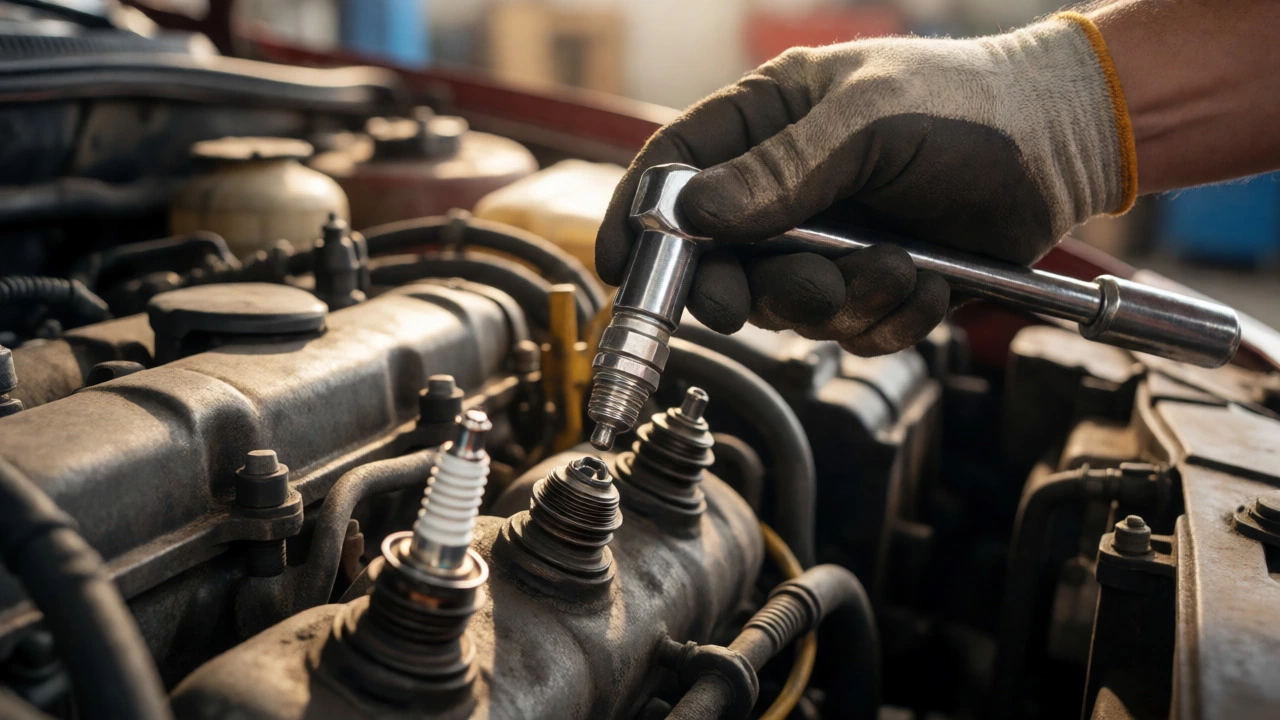
Can I Drive With Bad Spark Plugs? Risks, Signs & Fixes
Wondering if you can drive with bad spark plugs? Learn the risks, warning signs like rough idling, and why ignoring them damages your catalytic converter. -
28 Jul
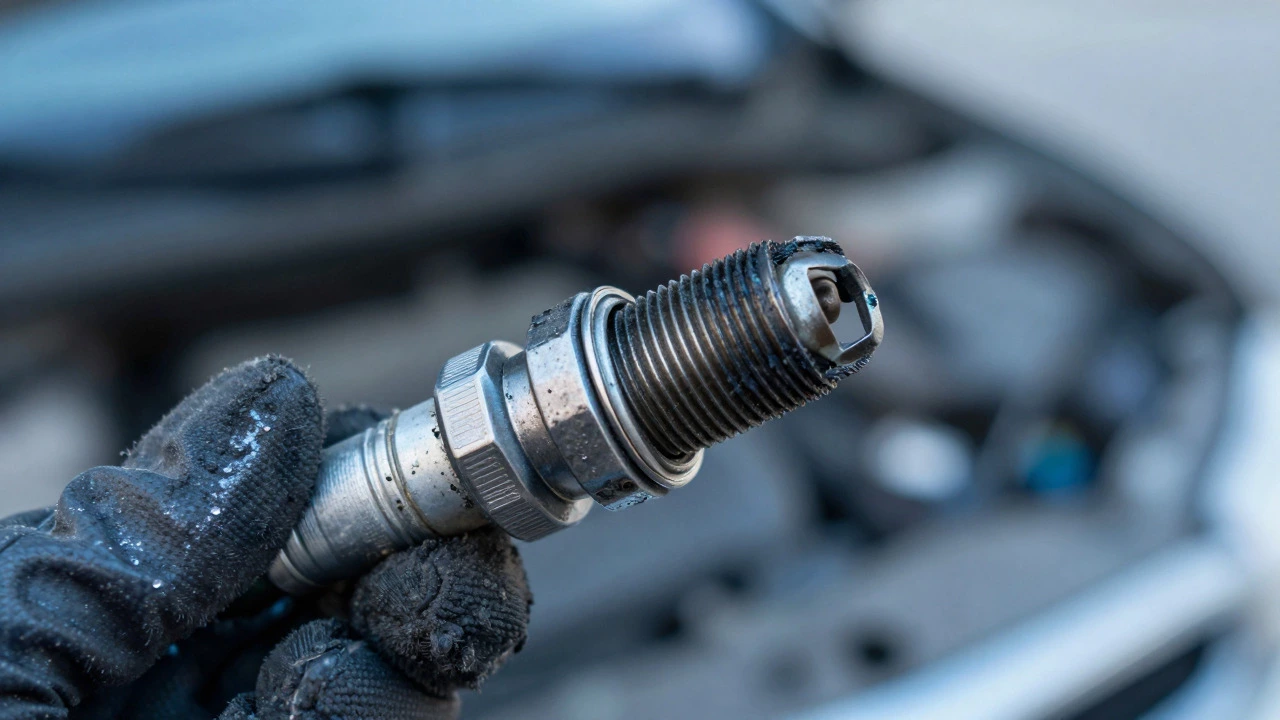
Will New Spark Plugs Improve Starting? The Truth About Cold Cranks
Do new spark plugs really help with hard starting? Yes, worn plugs cause weak sparks that struggle in cold weather. Learn how electrode wear, fouling, and incorrect gaps sabotage ignition, plus which material lasts longest. -
26 Jun
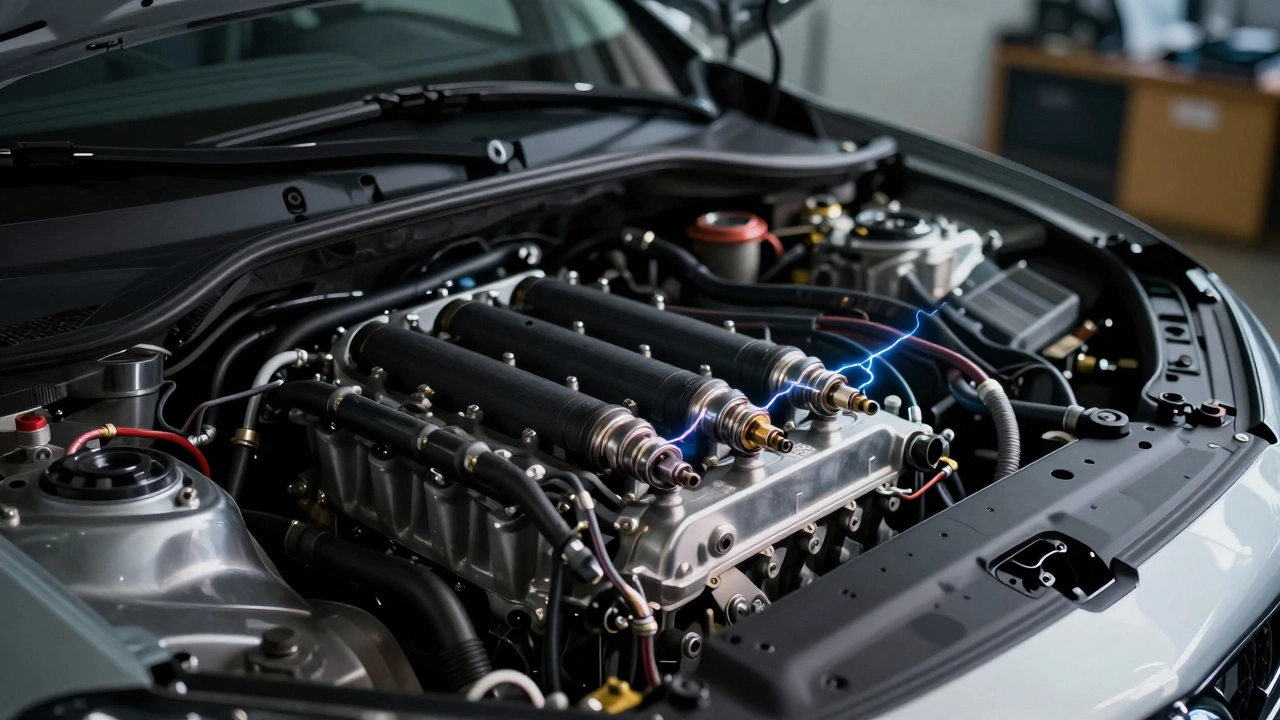
7 Warning Signs of a Bad Spark Plug: Symptoms, Causes & Fixes
Identify bad spark plug symptoms early to save money. Learn about misfires, rough idling, poor fuel economy, and check engine lights. Get tips on diagnosis and replacement. -
17 Apr
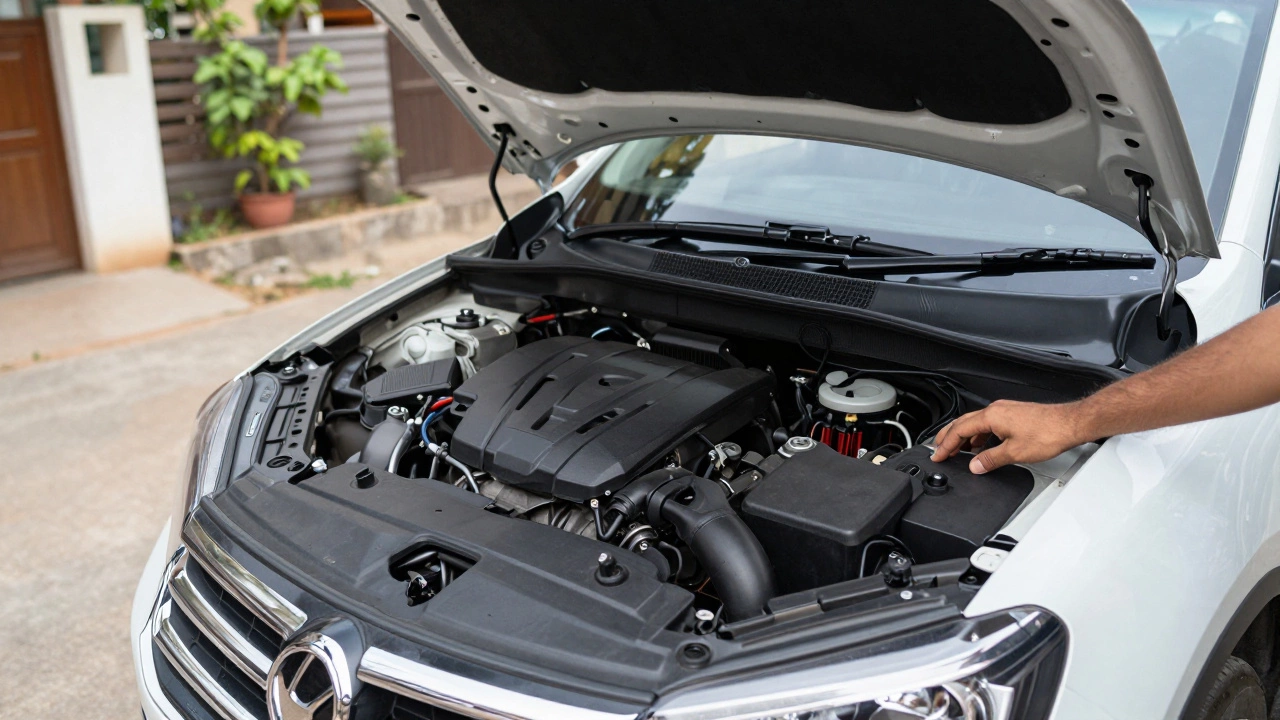
How to Tell if a Spark Plug is Good: A Visual Inspection Guide
Learn how to diagnose bad spark plugs through visual inspection, gap checking, and recognizing engine symptoms to keep your car running smoothly. -
16 Jan

Can You Feel the Difference with New Spark Plugs? Real Performance Gains Explained
New spark plugs can improve fuel efficiency, smooth out engine performance, and prevent costly damage. Find out when you'll actually feel the difference-and when replacing them is just a waste of money. -
15 Oct
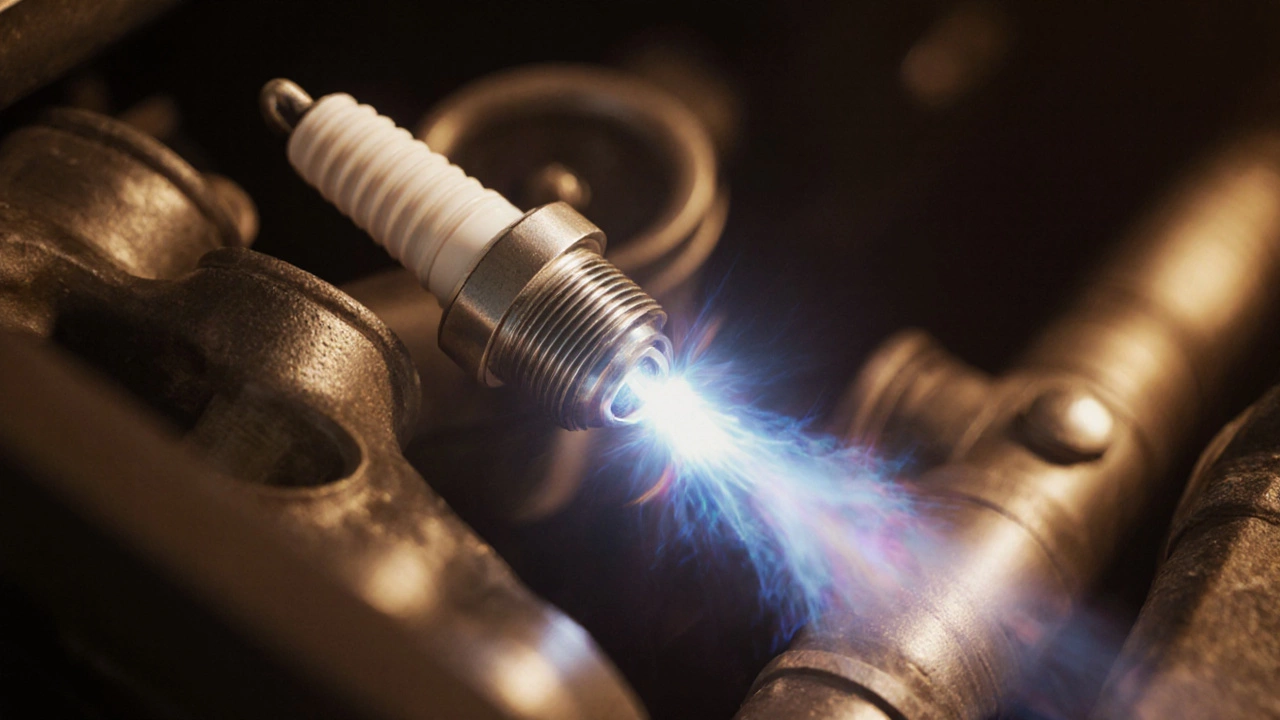
Understanding Spark Plug Lifespan: How Long Do They Really Last?
Learn how long spark plugs last, what factors affect their life, signs of wear, and step‑by‑step replacement tips for optimal engine performance. -
11 Oct
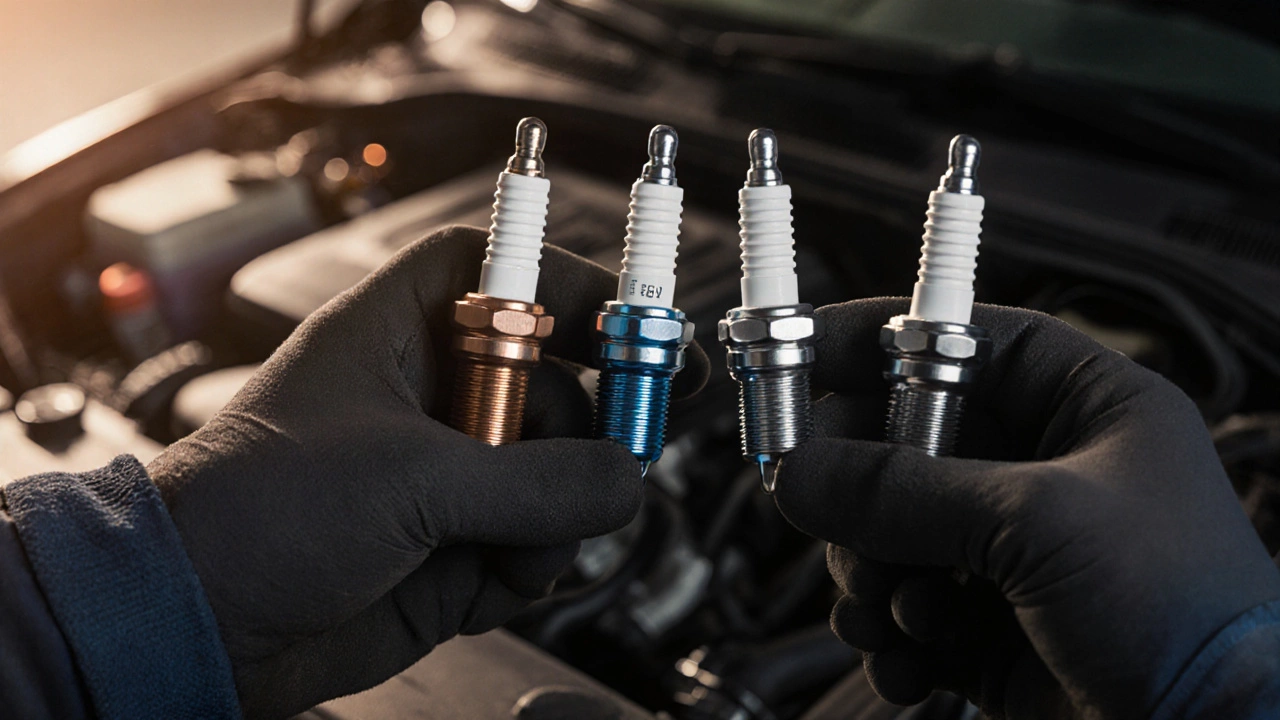
Do Spark Plugs Boost Horsepower? Fact vs. Myth
Find out if swapping spark plugs can actually add horsepower, which plug types give the biggest lift, and how to install them for real gains. -
10 Oct
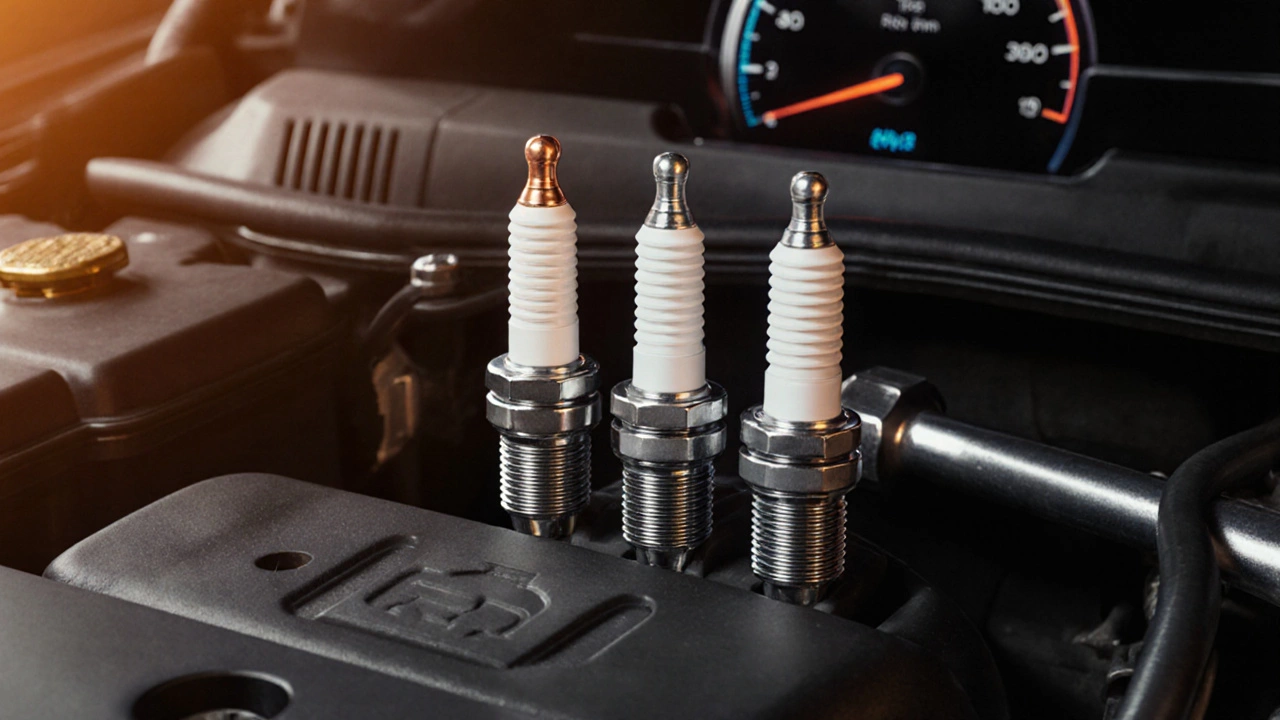
Spark Plug Lifespan: How Many Years Do They Really Last?
Discover how long spark plugs really last, what factors affect their lifespan, and how to choose the right replacement interval for your car. -
5 Aug

Do New Spark Plugs Improve Car Performance and Mileage?
Find out if changing spark plugs helps your car run better, with real-world advice, tips, and expert facts. Learn the signs, the science, and the savings now. -
20 May

Spark Plug Life: How Long Do They Really Last?
Wondering how long your spark plugs should last? This article breaks down the real-life lifespan of spark plugs and what actually affects their longevity. Learn how driving habits, the type of spark plug, and your car’s specifics all play into when you should swap them out. Get practical tips and clear warning signs so you don’t get left stranded—or start wasting gas. Keep your ride running smooth without the guesswork. -
12 May

Spark Plugs: How Do I Tell If I Need New Ones?
This article explains easy-to-spot signs that your spark plugs might need replacing. You'll read about common symptoms, why spark plugs matter, and how to check them yourself. There are practical tips to save you time and money. Plus, you'll find out the cost of waiting too long and a few lesser-known facts about what spark plugs actually do.
- Recent
- Popular