Suspension Parts: What They Are, How They Fail, and What to Do
When you drive over a bump, it’s not just the tires absorbing the hit—it’s the suspension parts, the system of springs, shocks, struts, and control arms that connect your wheels to the car’s frame. Also known as vehicle suspension system, this network keeps your tires planted on the road, controls how your car handles turns, and stops your body from bouncing like a trampoline every time you hit a pothole. If even one of these parts wears out, your whole ride suffers—and not just in comfort. A failing suspension can mess with your brakes, wear out your tires unevenly, and even make your steering feel loose or unresponsive.
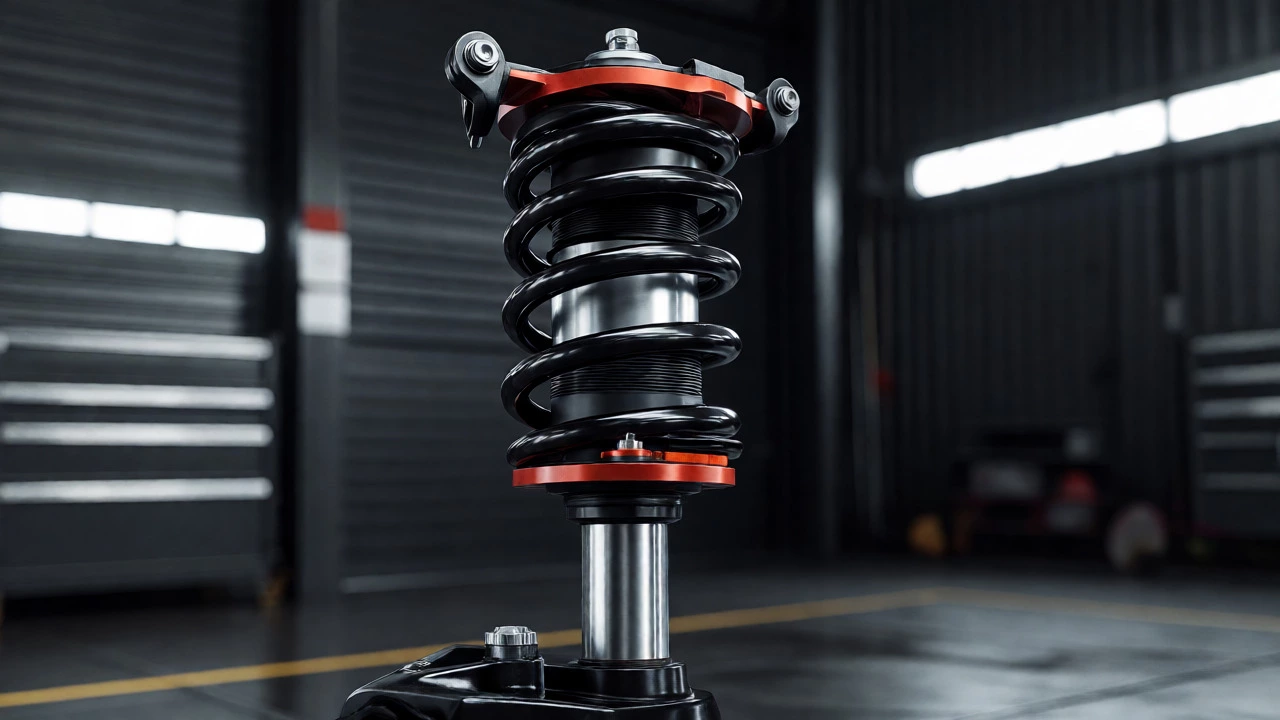
That’s why knowing what’s inside your suspension matters. Shocks, cylinders filled with fluid that dampen spring movement and struts, a combined spring-and-shock unit that also supports the car’s weight are the most talked-about pieces, but they’re not alone. Control arms, ball joints, sway bars, and bushings all play their part. And when any of them break, they don’t just make noise—they change how your car behaves. A bent suspension frame? It throws off your alignment and causes tires to wear on one side. A loose strut? You’ll hear a loud clunk over bumps. A worn shock? Your car keeps bouncing after you hit a small dip. These aren’t just annoyances—they’re safety risks.
And here’s something most drivers don’t realize: a bad suspension doesn’t just affect your ride—it can hurt your engine. When your wheels can’t stay grounded, your engine works harder to keep the car stable. That extra strain adds up over time. You might not notice it right away, but over months or years, it can lead to premature wear on belts, mounts, and even the transmission. That’s why checking your suspension isn’t just about comfort. It’s about protecting your whole vehicle.
You don’t need to be a mechanic to spot trouble. Listen for clunks, watch for uneven tire wear, and pay attention to how your car feels when you brake or turn. If it dips forward when you stop, or leans hard in corners, something’s off. And if you’ve hit a big pothole or curb recently? Don’t wait for the noise to get worse. The posts below walk you through exactly what to look for—whether it’s a simple fix you can do yourself or a sign you need professional help. You’ll find real-world examples, common sounds to listen for, and clear advice on what parts to replace—and when skipping one could cost you more later.
-
9 Oct
-
28 Aug
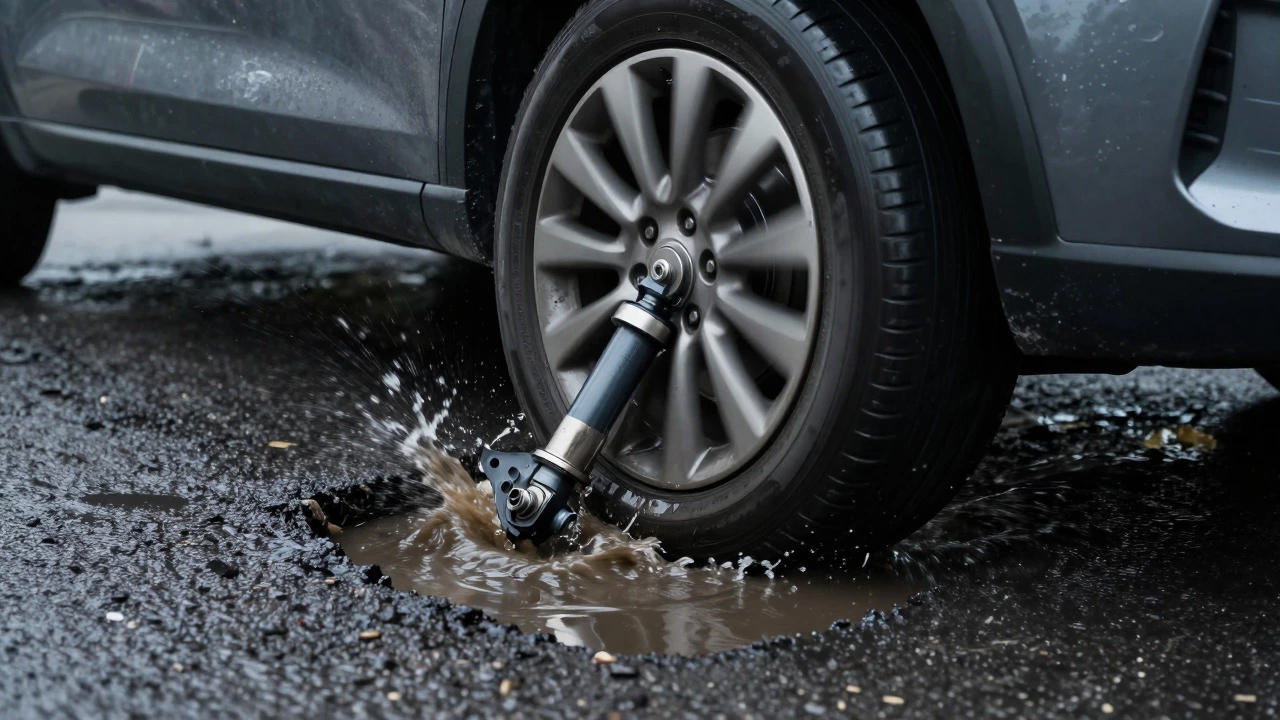
What Damages Front Suspension? Common Causes & Fixes
Discover the common causes of front suspension damage, from potholes to worn bushings. Learn how to spot early signs and prevent costly repairs. -
21 Aug
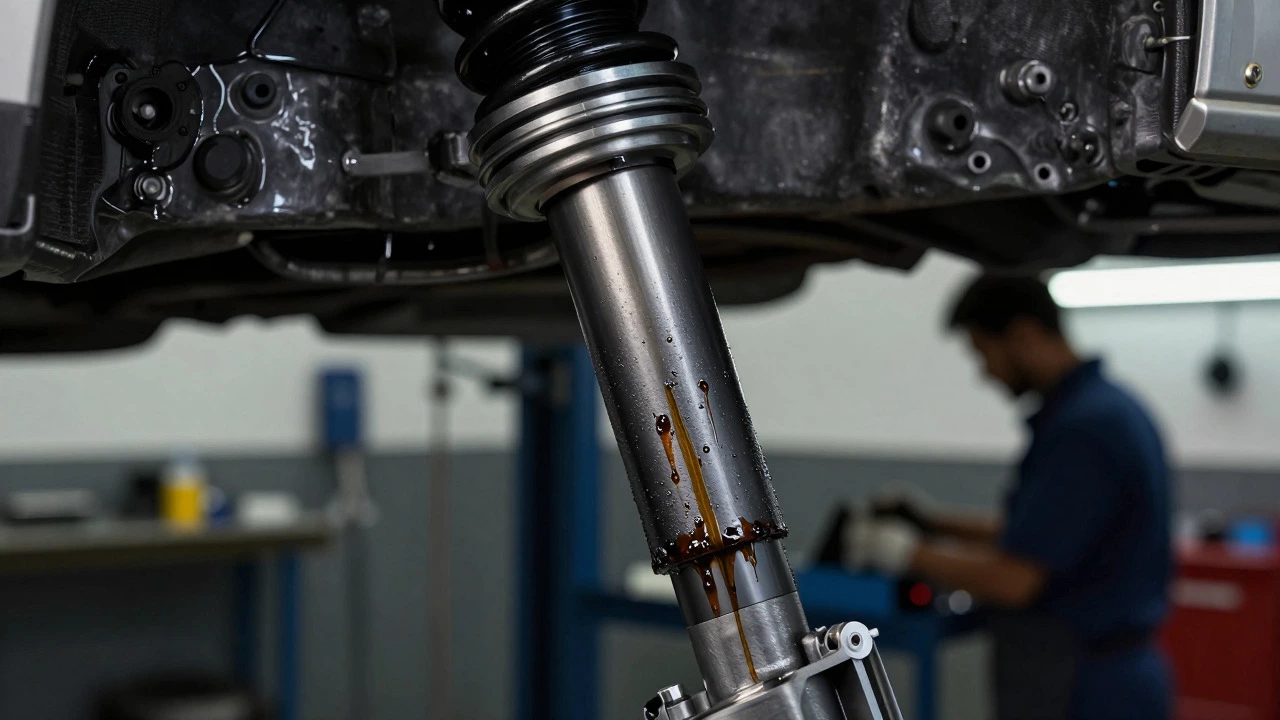
What Suspension Parts Go Bad? Signs, Lifespan & Repair Guide
Discover which suspension parts fail first, including shocks, struts, and ball joints. Learn to spot warning signs like tire wear and noise to avoid costly repairs. -
21 Jul
How to Tell If Your Car Suspension Is Too Stiff: Signs, Symptoms & Fixes
Is your car bouncing on every bump? Learn how to identify a suspension that is too stiff, from tire wear patterns to handling issues, and discover practical fixes to restore a smooth, safe ride. -
10 Jul
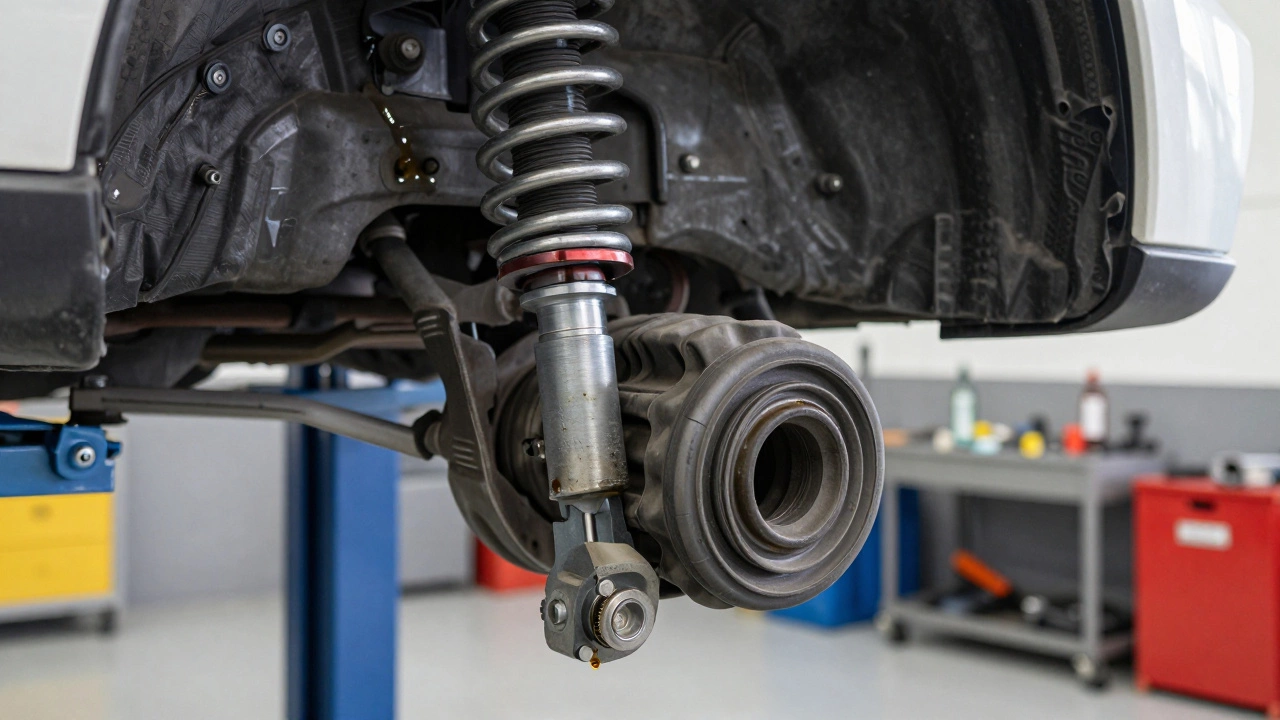
What Does a Damaged Suspension Sound Like? A Complete Noise Guide
Learn to identify damaged suspension sounds like clunks, squeaks, and rattles. Discover which parts fail, why it matters for safety, and how to diagnose issues early. -
8 May

How Do I Know If I Need to Replace My Suspension? Signs, Symptoms & Costs
Learn the clear signs your car suspension needs replacement, including bouncing, nose-diving, and uneven tire wear. Compare shock absorbers vs struts, DIY checks, UK repair costs, and pro tips to extend lifespan. -
5 May

Can You Drive With a Bent Suspension? Risks, Signs, and When to Stop
Driving with a bent suspension is dangerous and can lead to catastrophic failure. Learn the signs of damage, why you shouldn't drive it, and the real costs of ignoring suspension issues. -
31 Mar
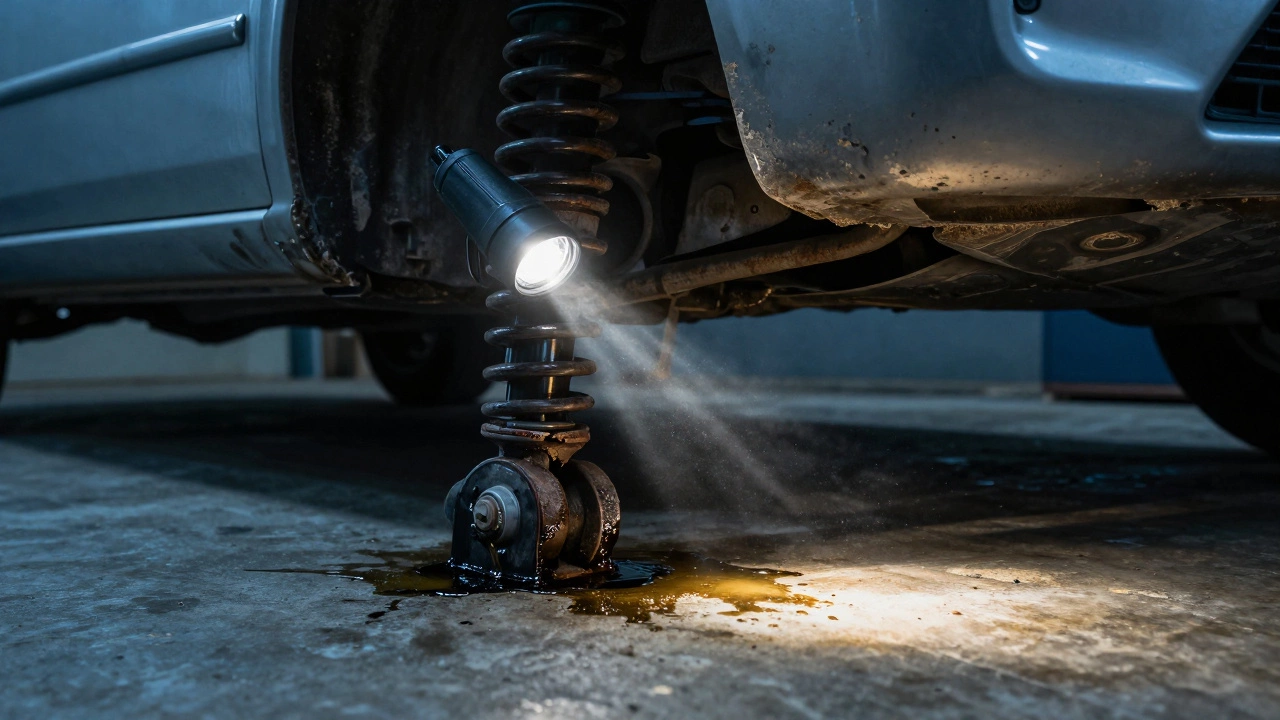
How to Identify Signs Your Car Needs New Suspension
Learn how to identify worn suspension parts using visual checks, bounce tests, and tire analysis. Essential tips for diagnosing shocks, struts, and handling issues. -
24 Mar
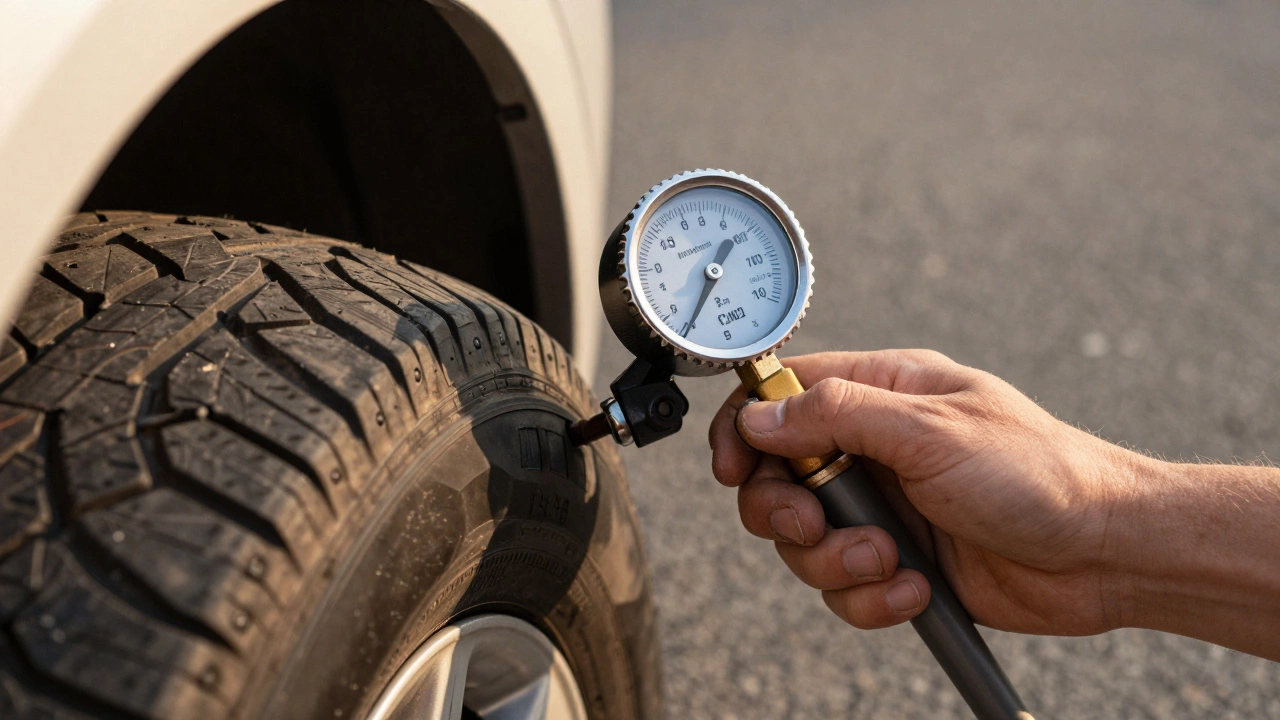
How to Make Your Suspension Ride Smoother: A Complete Guide
Learn practical steps to improve your car's ride quality. From checking tire pressure to replacing shock absorbers, this guide covers everything you need to make your suspension ride smoother. -
6 Jan
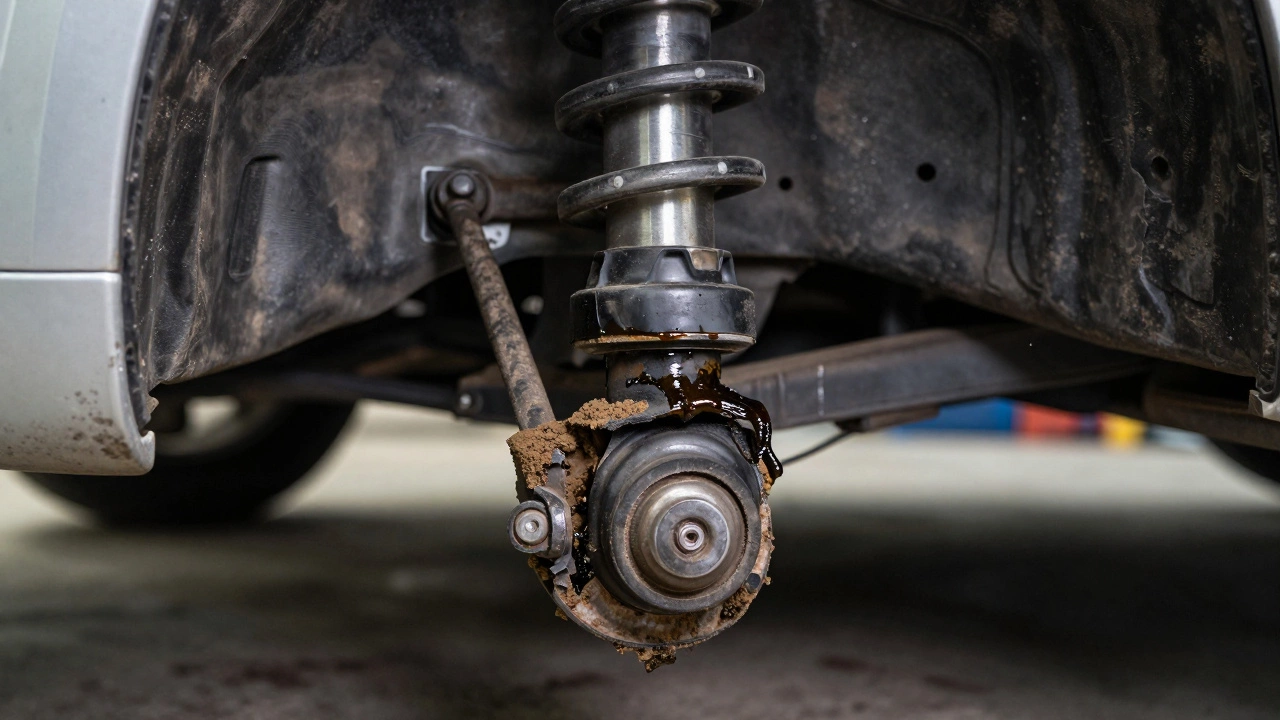
How to Tell If Your Suspension Joints Are Worn Out
Learn how to spot worn suspension joints by listening for clunks, checking tire wear, testing wheel play, and looking for visible damage. Early signs save money and prevent dangerous failures. -
21 Nov

What Happens When You Drive with a Bad Suspension?
Driving with a bad suspension affects braking, steering, tire wear, and overall safety. Learn the real risks and signs you can spot yourself before it's too late. -
20 Oct

Broken suspension sounds: how to identify and fix common noises
Learn how to identify a broken suspension sound, match noises to faulty parts, and decide when DIY fixes or a mechanic are needed. Get practical tips and a handy comparison table.
- Recent
- Popular