Brake Pad Replacement: Signs, Costs, and What You Need to Know
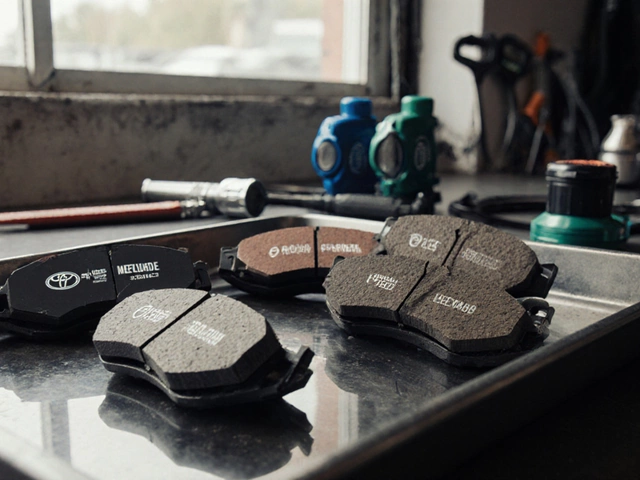
When your brake pad replacement, the process of swapping out worn friction material on your vehicle’s braking system to restore stopping power. Also known as brake lining replacement, it’s one of the most common but critical maintenance tasks any car owner should understand. If you hear a high-pitched squeal every time you tap the brakes, or if your car takes longer to stop than it used to, you’re not imagining things—your brake pads are likely worn out. This isn’t just about convenience. Worn brake pads can damage your rotors, increase stopping distances, and put you and others at risk.
Brake pad replacement isn’t just about buying new pads and slapping them on. It’s tied to other parts of your braking system. Your brake rotors, the metal discs that the pads clamp onto to slow the vehicle can get scored or warped if you delay replacement. And if you’re hearing grinding noises, that’s not just the pads gone—it’s metal-on-metal contact, which means your rotors are already damaged. Then there’s brake fluid, the hydraulic fluid that transfers force from your pedal to the calipers. Old or contaminated fluid reduces braking efficiency, even with new pads. These aren’t separate issues—they’re connected. A full brake inspection checks all of them.
Costs vary widely. For a basic compact car, you might pay under ₹3,000 for parts and labor. For an SUV or luxury vehicle, it can hit ₹8,000 or more. Why? Higher-end cars use ceramic or performance pads, and some have sensors or complex caliper systems. But here’s the catch: the cheapest job isn’t always the smartest. Cheap pads wear faster, make more dust, and can be noisy. You’re better off with mid-range pads that balance durability, performance, and price.
You don’t need to wait for a warning light to act. Look for these signs: a squeaking sound when braking, a vibrating steering wheel, longer stopping distances, or a brake pedal that feels spongy or goes closer to the floor. Some cars even have a dashboard icon that pops up when pads hit their wear limit. If you’re unsure, check the pad thickness—most mechanics will show you. If it’s under 3mm, replace them. Don’t wait for it to get worse.
What you’ll find below are real, practical guides from owners and mechanics who’ve dealt with this exact problem. You’ll learn how to tell if your pads are worn out, what brake pad replacement actually costs in 2025, and why some people pay way more than they should. No fluff. No guesswork. Just clear, actionable info to help you decide when to act—and how to do it right without getting ripped off.
-
30 Oct
-
25 Sep
How to Tell When Your Brake Pads Need Replacing
Learn the tell‑tale signs of worn brake pads, why they matter, and how to check them yourself before costly damage hits. -
15 Jun
How Often Should Car Brake Pads Be Replaced? Real-World Answers
Brake pad replacement doesn't follow a one-size-fits-all rule—factors like your driving habits, the kind of car you have, and even the roads you hit make a big difference. This article lays out how often you really need to change your brake pads, what signs tell you they're worn out, and ways to make them last longer. You'll find hands-on tips for keeping your brakes in top shape and facts that might surprise you about brake pad wear. Staying on top of brake maintenance means safer drives and less cash wasted. Get straight talk on exactly when you should swap those pads out.
- Recent
- Popular