When you’re upgrading your car’s exhaust, you’re not just making it louder. You’re changing how your engine breathes, how much power it makes, and even how it sounds on the open road. Two names come up again and again in this space: MagnaFlow and Flowmaster. But which one actually delivers better performance, sound, and value? Let’s cut through the marketing noise and look at what these systems really do - and who they’re best for.
How MagnaFlow Works
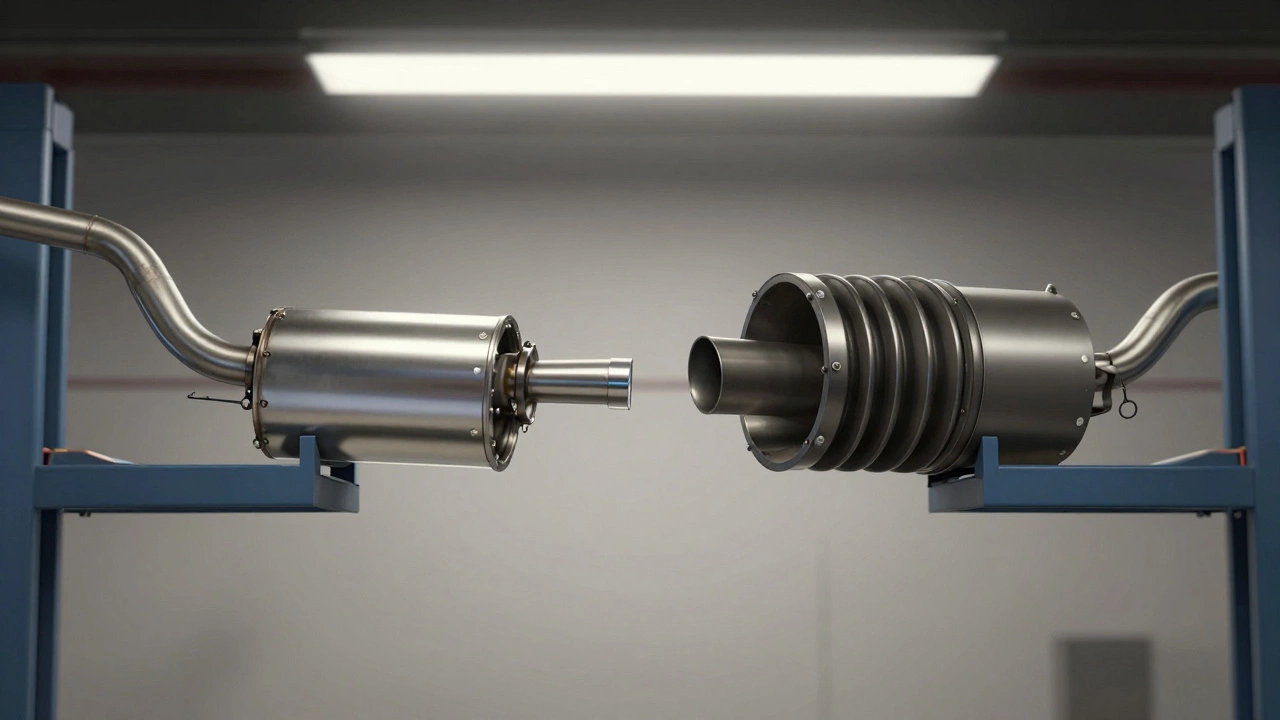
MagnaFlow uses a simple, straight-through design with stainless steel construction and a perforated core wrapped in fiberglass insulation. There are no baffles, no chambers, no complex internal structures. Just a smooth path for exhaust gases to flow out. This design reduces backpressure, which helps your engine breathe easier - especially at higher RPMs. The result? A noticeable boost in horsepower and torque, particularly in the mid-to-high range. Most users report gains of 8 to 15 horsepower depending on the vehicle, with torque improvements showing up as early as 2,000 RPM.
The sound? It’s deep, smooth, and refined. Not a drone, not a roar - more like a low, rumbling hum that stays pleasant even during long highway drives. MagnaFlow’s mufflers are designed to eliminate harsh frequencies, which is why they’re popular among daily drivers who want a performance edge without turning their car into a drag strip machine.
How Flowmaster Works
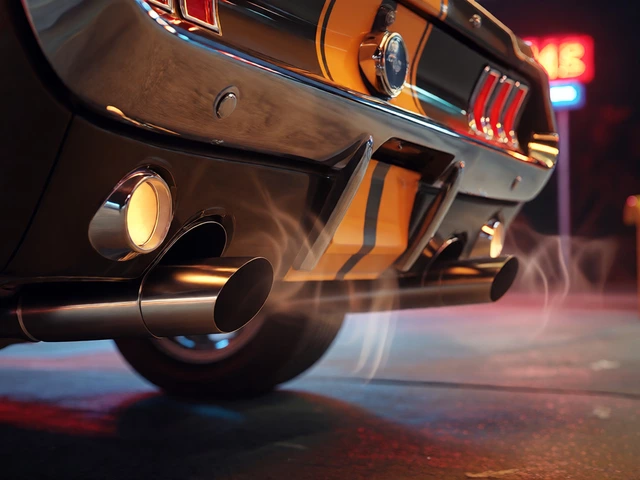
Flowmaster takes a different approach. Its signature Delta Flow technology uses internal chambers and baffles to control sound waves. The idea is to cancel out certain noise frequencies while allowing others - the ones you actually want to hear - to come through. This gives Flowmaster its iconic, aggressive tone. If you’ve ever heard a classic American muscle car with a deep, throaty growl, that’s likely a Flowmaster.
Performance-wise, Flowmaster also reduces backpressure, but not as aggressively as MagnaFlow. Gains are typically in the 5 to 12 horsepower range. Where it shines is in low-end torque. If you drive a truck or SUV that needs more pulling power off the line, Flowmaster’s tuning helps there. It’s also the go-to choice for enthusiasts who want that unmistakable V8 roar without buying a full race system.
Sound Comparison: Quiet vs. Aggressive
This is where most buyers get stuck. Do you want your car to whisper or growl?
- MagnaFlow: Sounds like a luxury sedan with a performance tune. Smooth, mellow, and surprisingly quiet at cruising speeds. No cabin drone at 70 mph. Ideal for daily driving, long commutes, or if you live in a neighborhood with noise restrictions.
- Flowmaster: Bold, loud, and unmistakable. The 40 Series is the classic muscle car sound. The 70 Series is even deeper and more aggressive. You’ll get attention - sometimes from police. Not ideal if you need to keep things quiet for work, family, or HOA rules.
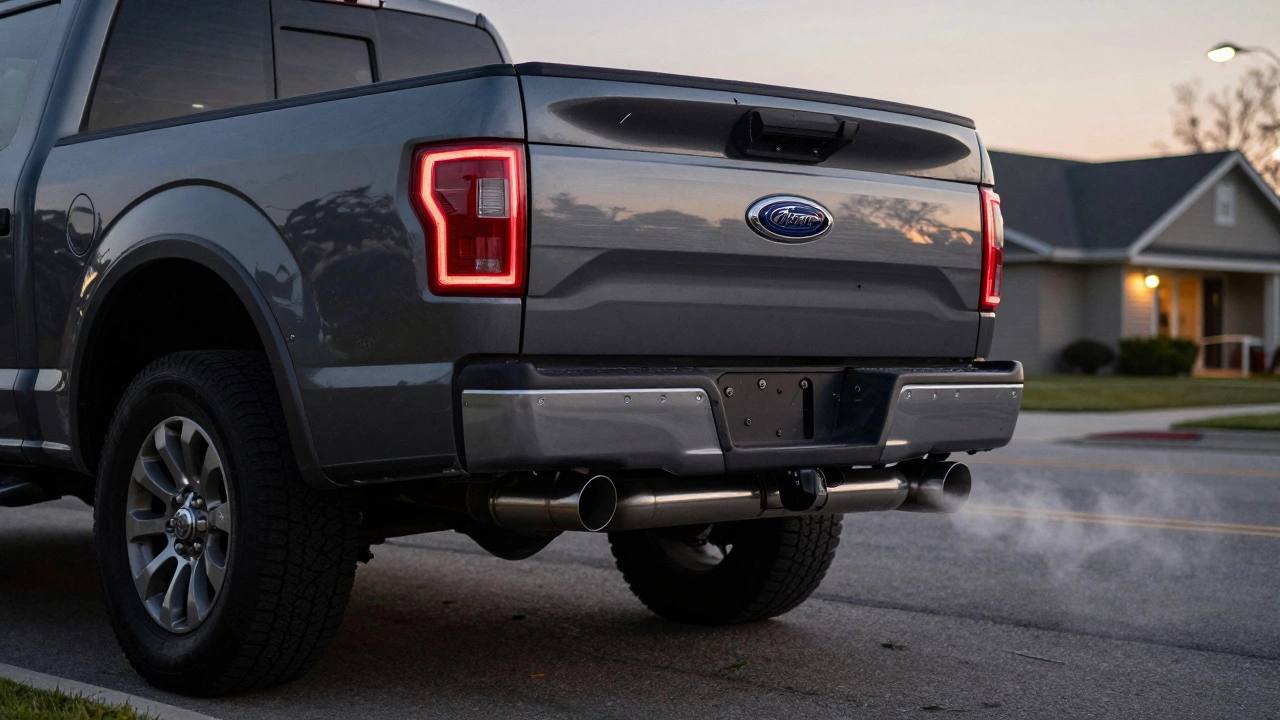
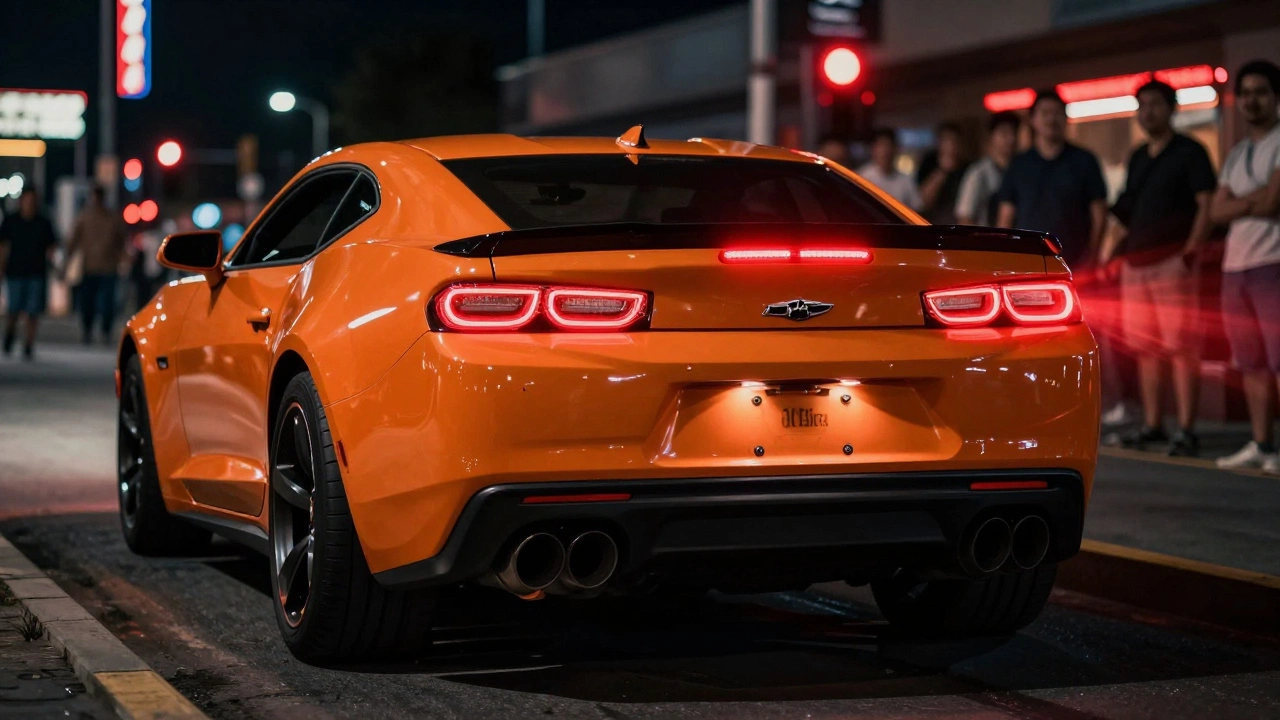
Real-world test: A 2022 Ford F-150 with MagnaFlow stayed under 78 dB at highway speeds. The same truck with a Flowmaster 40 Series hit 82 dB - noticeable, but not obnoxious. For a 2020 Camaro, MagnaFlow stayed around 80 dB, while Flowmaster hit 86 dB - loud enough to turn heads at a stoplight.
Build Quality and Durability
Both brands use 100% stainless steel, which means they resist rust far better than aluminized steel systems. MagnaFlow’s welds are smooth and consistent, with a polished finish on many models. Flowmaster’s construction is equally solid, but often has a more industrial, matte finish. Neither will rust out in five years if you live in a dry climate. In coastal or snowy regions, MagnaFlow’s smoother interior surfaces make it slightly easier to clean and less prone to debris buildup.
Warranty? MagnaFlow offers a lifetime warranty. Flowmaster gives you a 10-year limited warranty. That’s a big differentiator. If you plan to keep your car for more than a decade, MagnaFlow’s warranty gives you peace of mind.
Installation and Fit
Both brands make direct-fit systems for most popular trucks, SUVs, and performance cars. MagnaFlow tends to have more universal options, which means more flexibility if you’re modifying a rare model. Flowmaster focuses on OEM-style bolt-on kits that match factory mounting points. Installation difficulty is about the same - both usually take 2 to 4 hours with basic tools. Neither requires cutting the factory exhaust unless you’re doing a custom upgrade.
One thing to watch: Flowmaster’s 40 Series is known to rattle slightly on rough roads if not installed perfectly. MagnaFlow’s design is more forgiving in this regard.
Price and Value
MagnaFlow systems typically range from $500 to $900, depending on the vehicle and whether you choose a cat-back or axle-back setup. Flowmaster runs $450 to $850. At first glance, Flowmaster looks cheaper. But when you factor in the lifetime warranty, MagnaFlow often ends up being the better long-term value. If you’re upgrading your car and plan to keep it for years, that warranty matters.
There’s also resale value. Cars with MagnaFlow systems often sell faster - buyers assume it’s quieter and more reliable. Flowmaster-equipped cars attract enthusiasts, but can be harder to sell to non-car people who think it’s "too loud."
Who Should Choose MagnaFlow?
- You drive daily and want performance without the noise
- You live in a city or suburb with noise ordinances
- You care about long-term durability and warranty coverage
- You want a subtle upgrade that doesn’t scream "I modified my car"
- You drive a daily driver, luxury SUV, or tuned sedan
Who Should Choose Flowmaster?
- You want that classic American muscle car sound
- You drive a truck, muscle car, or V8-powered vehicle
- You don’t mind a little extra noise for the experience
- You’re building a show car or weekend cruiser
- You prioritize low-end torque and aggressive tone over quietness
Real-World Verdict
There’s no single "better" system. It comes down to what you want your car to feel like.
If you’re looking for a performance boost that doesn’t annoy your neighbors, your passengers, or your wallet over time - go with MagnaFlow. It’s the smarter, quieter, more durable choice for most people.
If you’re chasing that raw, visceral exhaust note - the kind that makes people turn their heads at a traffic light - Flowmaster delivers. It’s the sound of American muscle, and it’s hard to beat if that’s your goal.
For a daily driver in the UK, where quiet roads and noise regulations are common, MagnaFlow is the safer bet. For a weekend toy or a truck that hauls and roars? Flowmaster still holds its own.
Is MagnaFlow louder than Flowmaster?
No, MagnaFlow is generally quieter. It’s designed to reduce harsh frequencies and deliver a deep, smooth tone without drone or excessive noise. Flowmaster, especially the 40 and 70 Series, is louder and more aggressive. If you want a noticeable rumble, Flowmaster wins. If you want to keep things civil, MagnaFlow is the pick.
Does Flowmaster increase horsepower more than MagnaFlow?
Not significantly. Both systems improve horsepower by reducing backpressure, but MagnaFlow’s straight-through design typically offers slightly better gains - especially at higher RPMs. Flowmaster focuses more on torque delivery at lower RPMs, which helps trucks and heavy vehicles. For most cars, the difference is under 5 horsepower. Sound, not power, is the real differentiator.
Which one lasts longer?
Both use stainless steel, so they’re built to last. But MagnaFlow offers a lifetime warranty, while Flowmaster only gives 10 years. That makes MagnaFlow the more durable option long-term. MagnaFlow’s smoother interior also resists debris buildup better, which can help prevent corrosion in damp climates.
Can I install either system myself?
Yes, both are designed for DIY installation. They’re bolt-on kits that replace your factory exhaust from the catalytic converter back. You’ll need jack stands, wrenches, and a torque wrench. Most installations take 2 to 4 hours. Flowmaster kits sometimes rattle if not torqued properly - MagnaFlow is more forgiving. If you’ve never worked under a car, consider professional help.
Will a Flowmaster system fail an emissions test?
No, as long as you keep the catalytic converter. Both MagnaFlow and Flowmaster offer cat-back systems that don’t remove emissions equipment. Only systems that delete the cat (like race pipes) will cause a failure. Neither brand sells those as street-legal products. Always check your local regulations - some places have sound limits, not just emissions.