Brake Wear: Signs, Causes, and What to Do Before It’s Too Late
When you hear that high-pitched squeal when you hit the brakes, that’s not your car singing—it’s brake wear, the gradual thinning of brake pads and rotors due to friction during stopping. Also known as brake pad degradation, it’s one of the most common but ignored issues in cars today. Left unchecked, brake wear doesn’t just make noise—it turns safe stops into dangerous delays.
Brake wear doesn’t happen overnight. It’s the result of daily driving, heavy braking, and sometimes, poor maintenance. Your brake pads, the friction material that presses against the rotor to slow the car are designed to wear down over time—like shoe soles. But when they get too thin, metal starts grinding on metal, and that’s when your rotors, the spinning discs connected to your wheels that brake pads clamp onto get damaged. Repairing warped or scored rotors costs way more than replacing pads early. And if you’re hearing grinding, feeling vibration, or noticing longer stopping distances, you’re already past the point of simple fixes.
Brake wear is also tied to how you drive. City drivers who brake hard at every light wear out pads faster than highway commuters. Heavy loads—like hauling gear or towing—add stress. Even cheap pads can fail early if they’re not made for your car’s weight or driving conditions. That’s why knowing the signs matters more than mileage. A squeak isn’t always a warning, but a screech that only happens when you’re slowing down? That’s your car screaming for help. A soft pedal or pulling to one side? That’s not alignment—it’s uneven brake wear.
What you’ll find in the posts below isn’t just theory. These are real-world stories from drivers who ignored the signs, and others who caught it early. You’ll see exactly how to check your own brake pads without lifting the car, what a normal thickness looks like, and why some shops try to upsell you on rotors when you only needed pads. We’ll break down the costs of replacing brake pads in 2025, what noise really means, and why some ‘cheap’ brake jobs end up costing twice as much later. No fluff. No guesswork. Just what you need to know before your next stop.
-
25 Sep
-
15 Jun
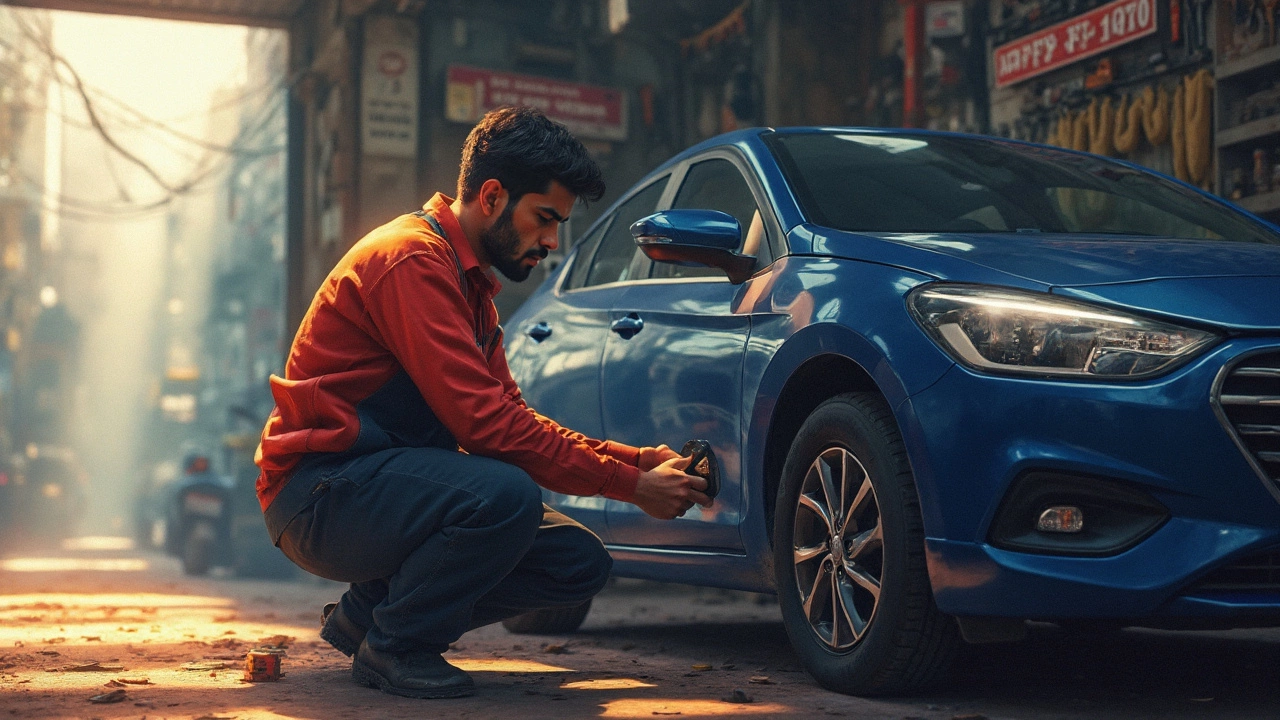
How Often Should Car Brake Pads Be Replaced? Real-World Answers
Brake pad replacement doesn't follow a one-size-fits-all rule—factors like your driving habits, the kind of car you have, and even the roads you hit make a big difference. This article lays out how often you really need to change your brake pads, what signs tell you they're worn out, and ways to make them last longer. You'll find hands-on tips for keeping your brakes in top shape and facts that might surprise you about brake pad wear. Staying on top of brake maintenance means safer drives and less cash wasted. Get straight talk on exactly when you should swap those pads out.
- Recent
- Popular