Burnt Clutch Cost: What It Really Costs to Fix a Damaged Clutch
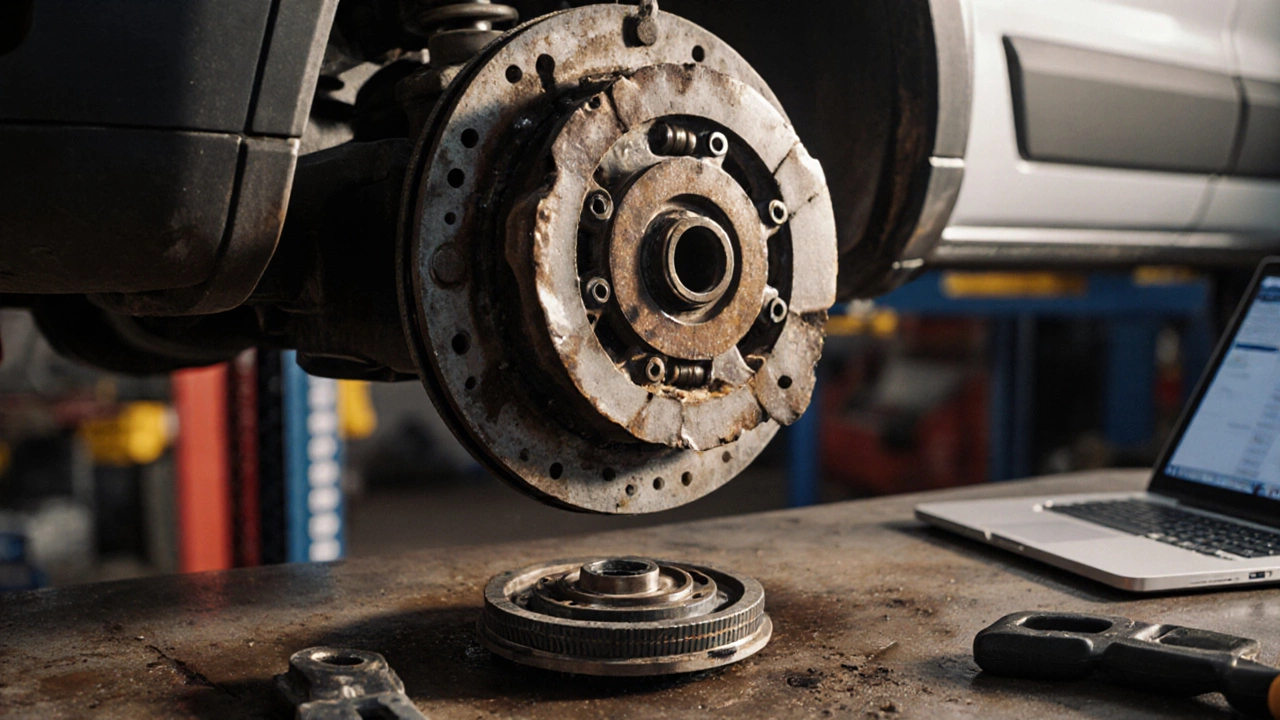
When your burnt clutch, a damaged clutch disc caused by overheating from improper driving or wear. Also known as slipping clutch, it’s one of the most common and expensive clutch failures drivers face. It doesn’t happen overnight. Most people ignore the warning signs—like a spongy pedal, grinding gears, or the engine revving without acceleration—until the clutch literally gives out. By then, you’re not just replacing the clutch disc. You’re likely replacing the entire clutch kit, a bundled set of parts including the pressure plate, release bearing, and sometimes the flywheel. And if you’ve been driving with a bad clutch for months, you might even need a new flywheel, the heavy metal disc that connects the engine to the clutch and can warp or crack under heat stress.
So how much does a burnt clutch cost in India? It varies, but most drivers pay between ₹15,000 and ₹35,000 for parts and labor. Compact cars like the Maruti Swift or Hyundai i10 might land on the lower end, while SUVs like the Toyota Innova or Tata Harrier can push past ₹40,000. The real kicker? Labor takes 4 to 8 hours. That’s why some people try to DIY—but if you mess up the alignment or torque specs, you’ll fry the new clutch in days. And don’t be fooled by cheap clutch kits. Many bargain brands use low-grade friction material that burns out faster than the original. A good clutch kit uses heat-resistant materials designed to handle India’s stop-and-go traffic. What kills clutches? Holding the clutch down at traffic lights, riding the pedal, or aggressive launches. These habits generate heat, and heat is the enemy. Once the friction material starts to glaze over, slipping begins. Then comes the smell—like burning plastic or hot metal. That’s your signal to stop driving and get it checked.
Before you pay for a full replacement, ask your mechanic if the clutch can be adjusted. Sometimes, a simple clutch adjustment, a tweak to the pedal free play or cable tension. can restore performance. But if you’re already noticing gear slippage or a burning odor, adjustment won’t help. You’re past the point of no return. The good news? You can avoid this cost entirely by learning the early signs of clutch wear. Squealing when shifting, delayed response after pressing the pedal, or the car lurching when you let the clutch out—these aren’t normal. They’re red flags. Check out the posts below for real-world examples of clutch failure, how to spot them early, what’s included in a clutch kit, and how to avoid getting overcharged at the garage. You’ll find honest breakdowns of costs, DIY tips that actually work, and advice from mechanics who’ve seen it all.
-
3 Nov
- Recent
- Popular