Fuel Pump Repair Cost Estimator
Estimate your fuel pump repair cost based on your vehicle type and parts selection. Prices are based on UK averages for 2026.
Your Vehicle Details
Estimated Cost
Includes parts and labour (2-4 hours)
Cost Factors
✓ Fuel filter replacement (included in most quotes)
✓ Fuel system diagnostics (pressure test)
✓ Warranty coverage (12-24 months on parts)
Important: DIY attempts can lead to fuel leaks, electrical issues, or fire hazards. Most mechanics report that failed DIY repairs cost more than professional service.
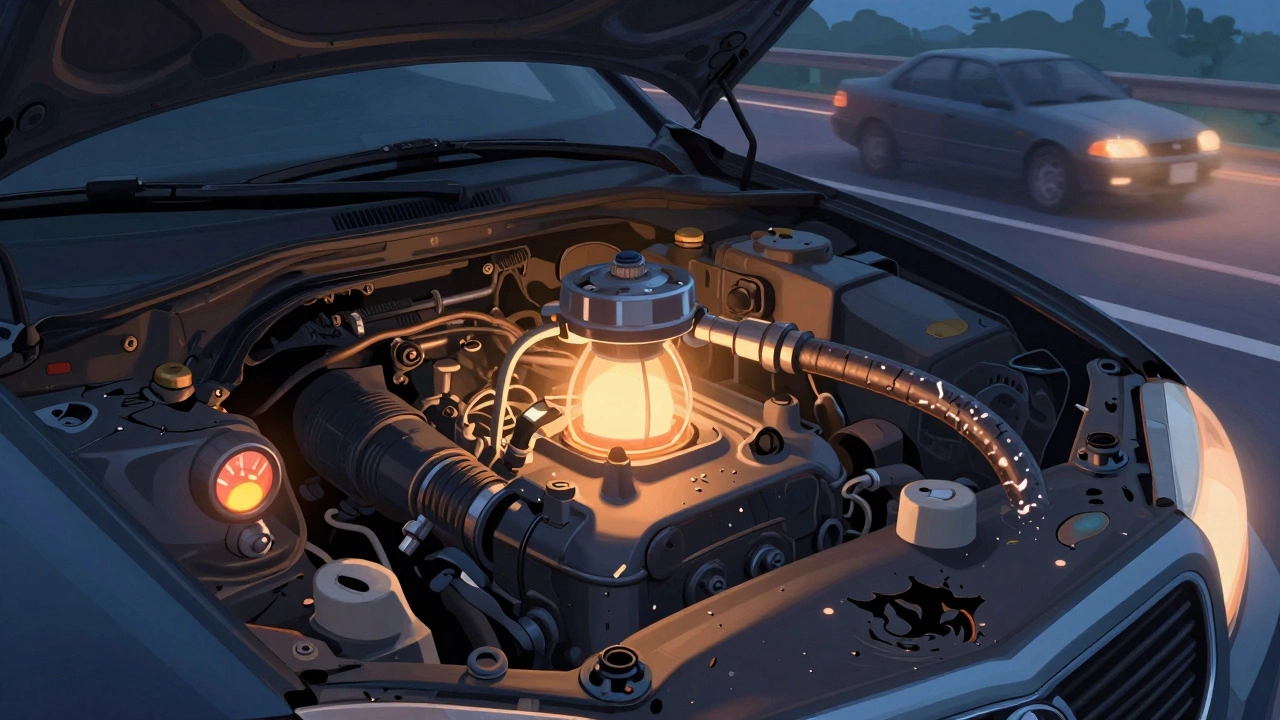
Getting your car to start is one thing. Keeping it running without sputtering, stalling, or losing power is another. If you’ve noticed your engine hesitating on the highway, struggling to climb hills, or dying at traffic lights, it might not be the battery or spark plugs-it could be your fuel pump. And if you’re asking, what is the average cost to fix a fuel pump? you’re not alone. Thousands of drivers in the UK face this exact problem every year, often with no warning.
Why Fuel Pumps Fail
Fuel pumps don’t last forever. Most last between 100,000 and 150,000 miles, but many fail sooner. Low fuel levels, dirty fuel, and old fuel lines are the usual suspects. Running your tank below a quarter full too often forces the pump to work harder and overheat. Over time, that wears out the motor inside. Contaminants in bad fuel can clog the filter or damage the impeller. And if your car sits for months without being driven-like during winter storage-the rubber seals dry out and crack.Modern cars use electric fuel pumps mounted inside the fuel tank. That means they’re not easy to access. When they go bad, you’re not just replacing a simple part-you’re dealing with a system that’s buried under the rear seat or trunk floor. That’s why labour costs make up a big chunk of the total bill.
How Much Does It Really Cost?
The average cost to replace a fuel pump in the UK in 2026 is between £400 and £900. But that’s just a starting point. The actual price swings depending on your car’s make, model, and where you get it done.For a common family car like a Ford Focus or Vauxhall Astra, you’re looking at £450-£650. Parts alone cost £150-£250. Labour runs £250-£400 because the tank has to be dropped or the rear seat removed. It’s not a 30-minute job. It takes 2-4 hours of skilled work.
On the other end of the spectrum, luxury or performance cars like a BMW 3 Series or Audi A4 can cost £700-£1,100. Some models, like the Range Rover, require special tools and even partial disassembly of the rear axle. That pushes labour past £500. In rare cases, you might pay over £1,200 if the fuel tank itself is corroded and needs replacing too.
There’s also the question of OEM versus aftermarket parts. Original equipment manufacturer (OEM) pumps from the carmaker cost more-sometimes £300-£400-but they’re built to the exact specs. Aftermarket brands like Bosch, Delphi, or Pierburg offer reliable alternatives for £120-£220. Most mechanics recommend sticking with Bosch or Delphi for a balance of price and reliability.
What’s Included in the Price?
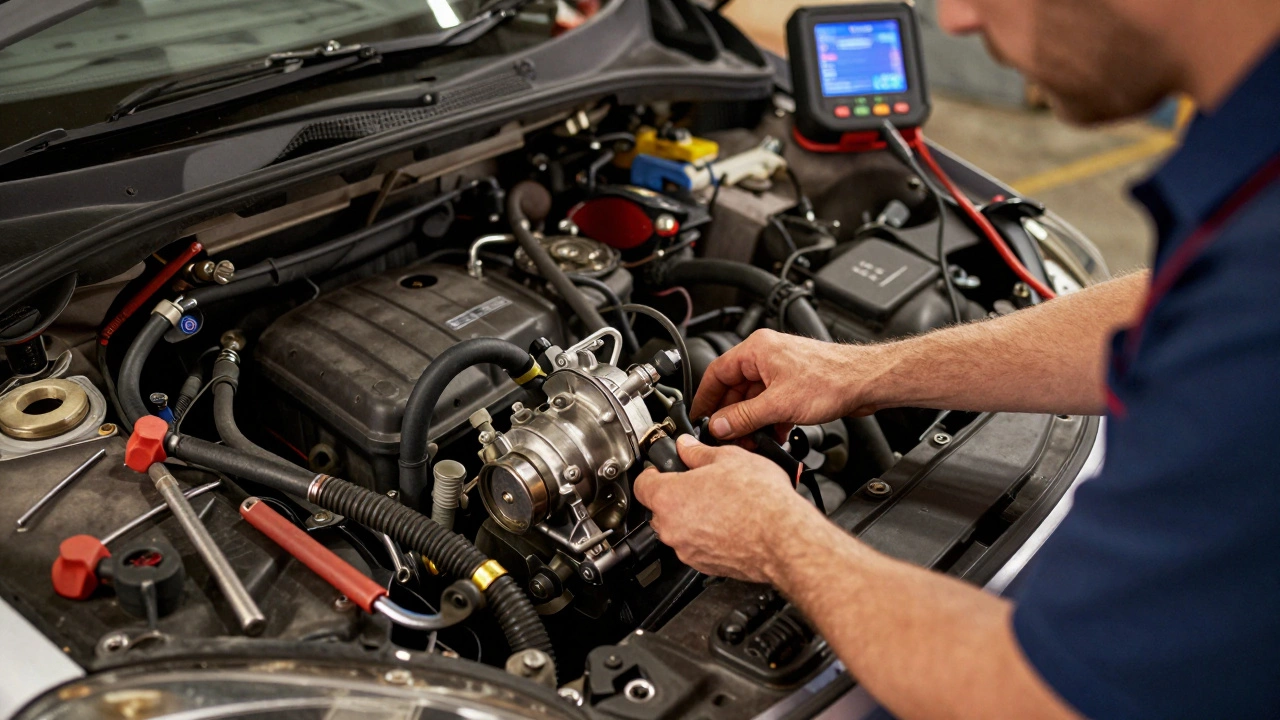
A proper fuel pump replacement isn’t just swapping out the pump. A good garage will do a full check of related components:- Fuel filter replacement (if not done in the last 30,000 miles)
- Inspecting fuel lines for cracks or leaks
- Testing fuel pressure with a gauge
- Checking the fuel pump relay and fuse
- Resetting the fuel system error codes
Some shops try to upsell you on unnecessary parts. If they say the fuel tank needs cleaning or the sender unit is faulty without showing you proof-like a pressure test or diagnostic code-walk away. A simple fuel pump failure doesn’t usually mean the whole system is broken.
Can You Save Money by Doing It Yourself?
Yes, but only if you’re experienced. Replacing a fuel pump yourself can cut the cost to £150-£250-just the part. But it’s risky. Fuel is flammable. You’re working near a full tank of petrol. If you don’t relieve pressure correctly, fuel can spray out. One mistake and you could cause a fire or flood your garage.Also, modern cars have complex fuel systems. If you mess up the wiring or don’t torque the mounting bolts properly, you’ll get leaks or electrical faults. Many people who attempt DIY replacements end up paying twice-once for the failed attempt and again for a professional fix.
Unless you’ve done this exact job on your car model before, or you have a lift and proper tools, it’s not worth the risk. The time, stress, and potential damage usually cost more than the labour you’re trying to avoid.
Signs You Need a New Fuel Pump
Don’t wait until your car won’t start at all. Here are the early warning signs:- Engine sputters at high speeds or under heavy load
- Car loses power when accelerating or climbing hills
- Engine stalls unexpectedly, especially after driving for a while
- Difficulty starting the car, especially when hot
- Loud whining noise coming from the fuel tank area
Some of these symptoms can be confused with a clogged fuel filter or bad injectors. That’s why a proper diagnosis matters. A mechanic should connect a diagnostic scanner and check for fuel pressure codes like P0190 or P0087. They should also test the fuel pressure with a gauge. If pressure drops below 30 psi under load, the pump is likely failing.
Where to Get It Done
Not all garages are created equal. Independent specialists often charge less than dealerships and know your car model inside out. Look for places that specialise in your brand-like a Vauxhall specialist for an Astra, or a Ford specialist for a Focus. They’ll have the right tools and experience.Chain garages like Kwik Fit or Halfords are convenient but often overcharge. They might quote £800 for a job that costs £550 elsewhere. Always get at least two quotes. Ask if the price includes a warranty. Reputable shops offer 12-24 months on parts and labour.
Don’t forget to check reviews on Google or Trustpilot. Look for comments about transparency, no surprise charges, and whether they explained the problem clearly.
How to Avoid a Costly Replacement
Prevention is cheaper than repair. Here’s how to extend your fuel pump’s life:- Never run your tank below a quarter full
- Use high-quality fuel from reputable stations
- Replace the fuel filter every 30,000-40,000 miles
- Don’t ignore warning lights-even if the car still runs
- Keep the fuel system clean with occasional fuel injector cleaner
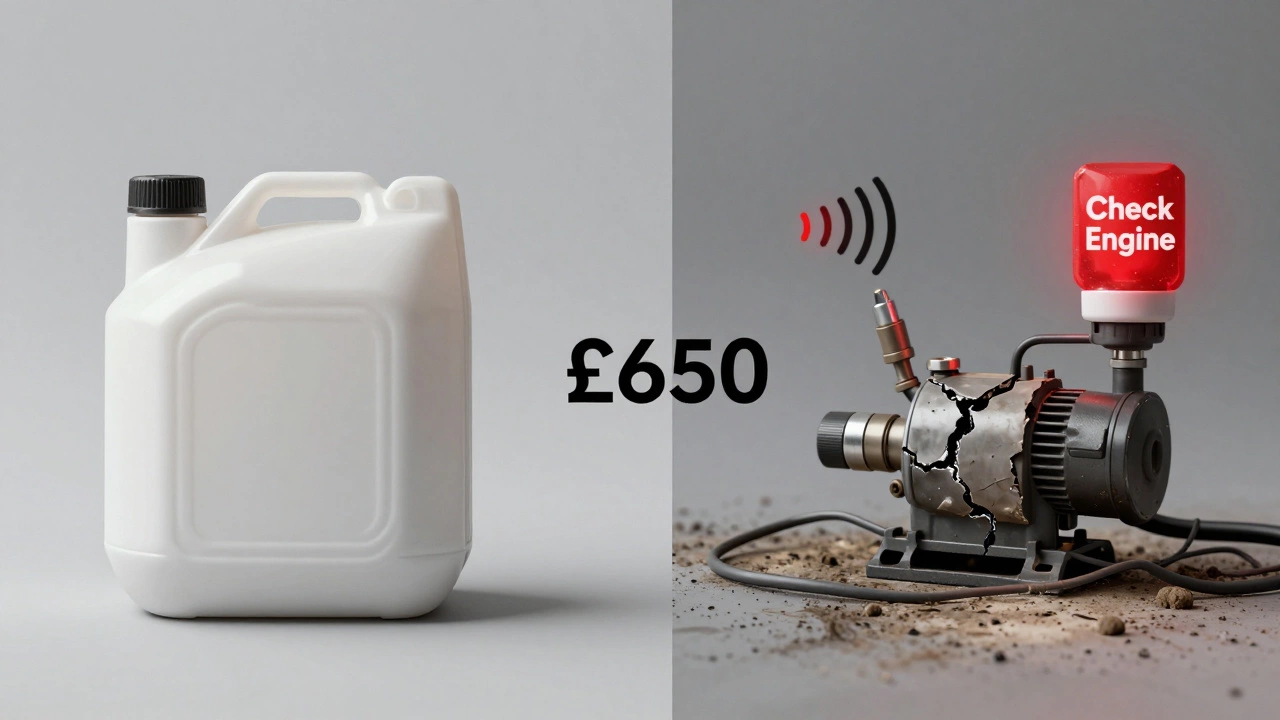
These simple habits can add 50,000 miles or more to your pump’s life. And they cost next to nothing compared to a £700 repair.
Is It Worth Repairing an Older Car?
If your car is over 12 years old and has more than 120,000 miles, you might wonder if it’s worth spending £600 on a fuel pump. The answer depends on the car’s overall condition. If the engine, transmission, and body are solid, yes-it’s a smart investment. A fuel pump is a critical component. Without it, the car is useless.But if you’re already spending on other repairs-brakes, suspension, cooling system-it might be time to consider a replacement vehicle. Use tools like the AA’s car value checker to compare repair costs against your car’s market value. If the repair exceeds 50% of the car’s worth, it’s usually not worth fixing.
How long does it take to replace a fuel pump?
Most fuel pump replacements take between 2 and 4 hours. Cars with easy access-like some hatchbacks-can be done in 2 hours. SUVs or sedans with fuel tanks under the rear seat or trunk floor take longer, sometimes up to 5 hours, especially if the tank is rusted or hard to remove.
Can a bad fuel pump damage the engine?
Not directly. But if the pump fails completely, the engine will stall and may not restart. Running the engine without fuel can cause overheating in the fuel injectors or damage the catalytic converter over time due to unburned fuel entering the exhaust. It’s not a common cause of engine failure, but it’s still risky.
Do I need to replace the fuel filter at the same time?
Yes, if it hasn’t been replaced in the last 30,000 miles. The fuel filter is usually located near the pump or in the fuel line. Replacing it during the pump job is cheap and prevents debris from clogging the new pump. Most mechanics include it in the quote, but always confirm.
Is a fuel pump covered under warranty?
If your car is still under manufacturer warranty and the failure is due to a defect-not wear and tear or poor fuel-then yes. Most new car warranties cover fuel pumps for 3-5 years or 60,000-100,000 miles. After that, extended warranties might cover it, but only if you’ve kept up with maintenance. Always check your warranty terms.
Why is my fuel pump making a loud whining noise?
A loud whining noise from the rear of the car, especially when the engine is running, usually means the pump’s internal bearings are wearing out. It could also mean the pump is struggling because the fuel tank is low or the filter is clogged. If the noise started suddenly, don’t ignore it-it’s a sign the pump is nearing failure.