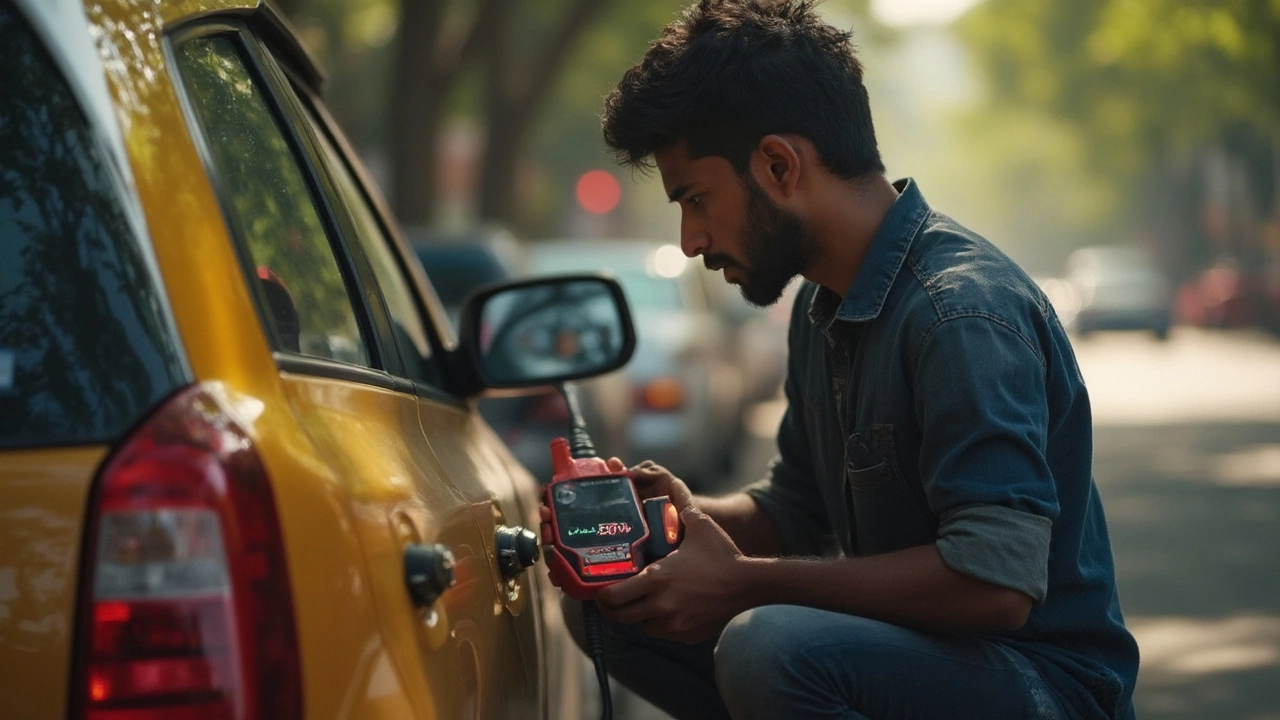
OBD2 Codes for Fuel Pump: Diagnose Fuel Pump Issues with Error Codes
When your car won’t start or sputters on the highway, it’s often not just bad luck—it’s a OBD2 code, a standardized diagnostic signal from your car’s computer that points to a specific problem. Also known as Diagnostic Trouble Codes (DTCs), these codes are your first real clue when something’s wrong with the fuel pump, the component that pushes gasoline from the tank to the engine under pressure. If the fuel pump is failing, your car doesn’t just whisper a warning—it shouts it through codes like P0191, P0087, or P0230.
These codes don’t say "fuel pump is dead" outright. They tell you about symptoms: low fuel pressure, circuit faults, or performance out of range. For example, P0191 means the fuel rail pressure sensor is reading values that don’t match what the engine expects. That could be a bad sensor, a clogged filter, or a weak fuel pump. P0087 points to fuel system pressure too low—often the pump can’t keep up under load. And P0230? That’s the fuel pump primary circuit failing—meaning the electrical signal to the pump is cut off, maybe from a blown fuse, bad relay, or corroded connector. These aren’t random errors. They’re the car’s way of saying, "Look here. This is where the problem lives."
Many people skip checking OBD2 codes because they think it’s for mechanics only. But with a $20 OBD2 scanner from any auto parts store, you can pull these codes yourself in under a minute. If you see one of these fuel pump-related codes, don’t just clear it and drive. The problem won’t vanish. It’ll come back—worse. And ignoring it could lead to a stalled engine on a busy road, or worse, damage to your injectors or catalytic converter from running lean. The posts below show you exactly how to interpret these codes, what to check next, and how to tell if it’s the pump itself or just a sensor or wiring issue. You’ll find real-world examples of what these codes look like in action, how to test fuel pressure without a shop, and when it’s smarter to replace the whole pump instead of guessing. This isn’t theory. It’s what happens when your car stops working—and how to fix it before it costs you more than it should.
-
24 Jun
- Recent
- Popular