Fuel Pump Failure Diagnostic Tool
Check your symptoms
Answer these 5 questions to assess your fuel pump condition. This tool uses information from your vehicle's warning signs.
If your fuel pump goes out, you cannot drive your car. Not even a mile. It’s not a matter of pushing through or being careful-it’s physics. The fuel pump is the heart of your car’s fuel system. Without it, no gas reaches the engine. No gas means no combustion. No combustion means the engine dies and stays dead.
Most people think a fuel pump failure is sudden, like a light bulb blowing. But in reality, it usually gives you plenty of warning signs before it fully quits. You might notice your car sputtering at highway speeds, struggling to climb hills, or taking longer than usual to start. These aren’t just inconveniences-they’re your car screaming for help. Ignoring them is like ignoring a check engine light that’s been blinking for weeks. Eventually, it stops running altogether.
How a Fuel Pump Actually Works
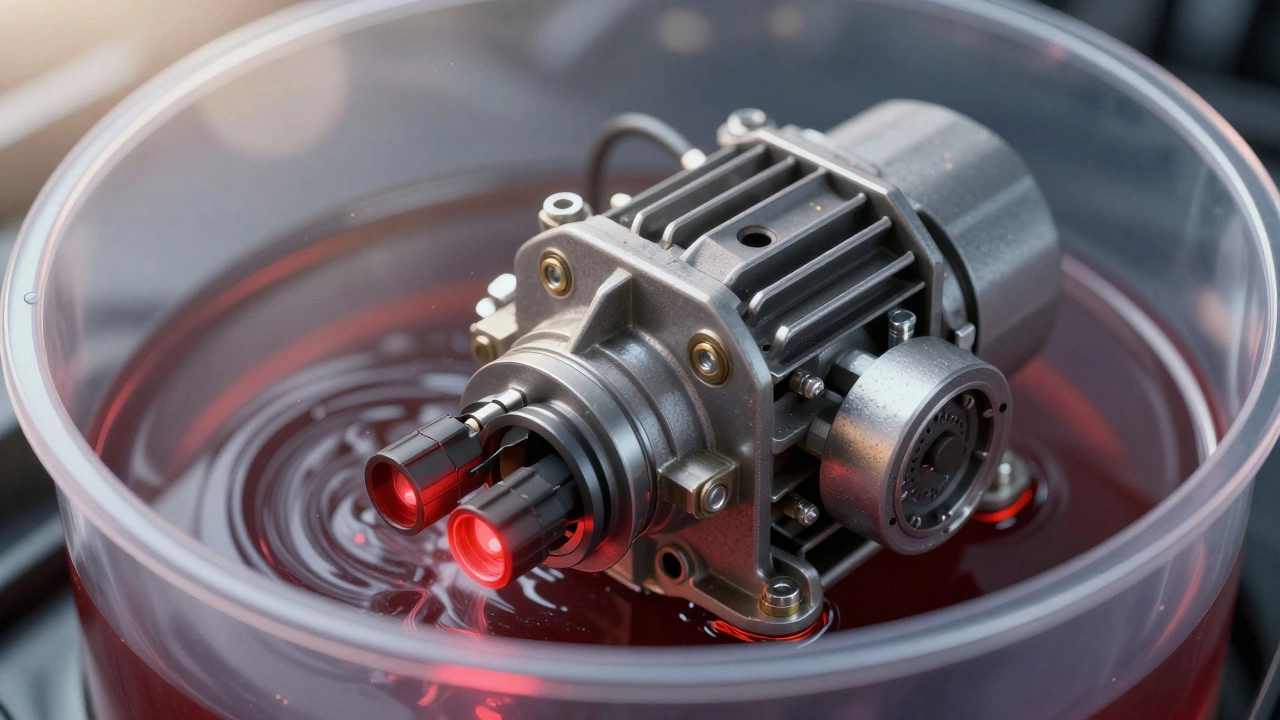
Your fuel pump sits inside the gas tank, submerged in fuel. It’s not just a simple motor-it’s a precision device that pushes gasoline from the tank to the engine at a steady pressure, usually between 30 and 60 psi, depending on your car. Modern cars use electric fuel pumps controlled by the engine control unit (ECU). When you turn the key, the ECU sends power to the pump for a few seconds to build pressure before the engine even tries to start. If the pump is weak or failing, that pressure doesn’t build. The engine cranks but won’t fire.
Older cars had mechanical fuel pumps driven by the engine’s camshaft. They were simpler but less precise. Today’s electric pumps are more reliable, but they’re also more complex and prone to electrical or sensor failures. A bad relay, corroded connector, or worn-out motor inside the pump can all cause the same end result: no fuel delivery.
What Happens When the Fuel Pump Dies Completely
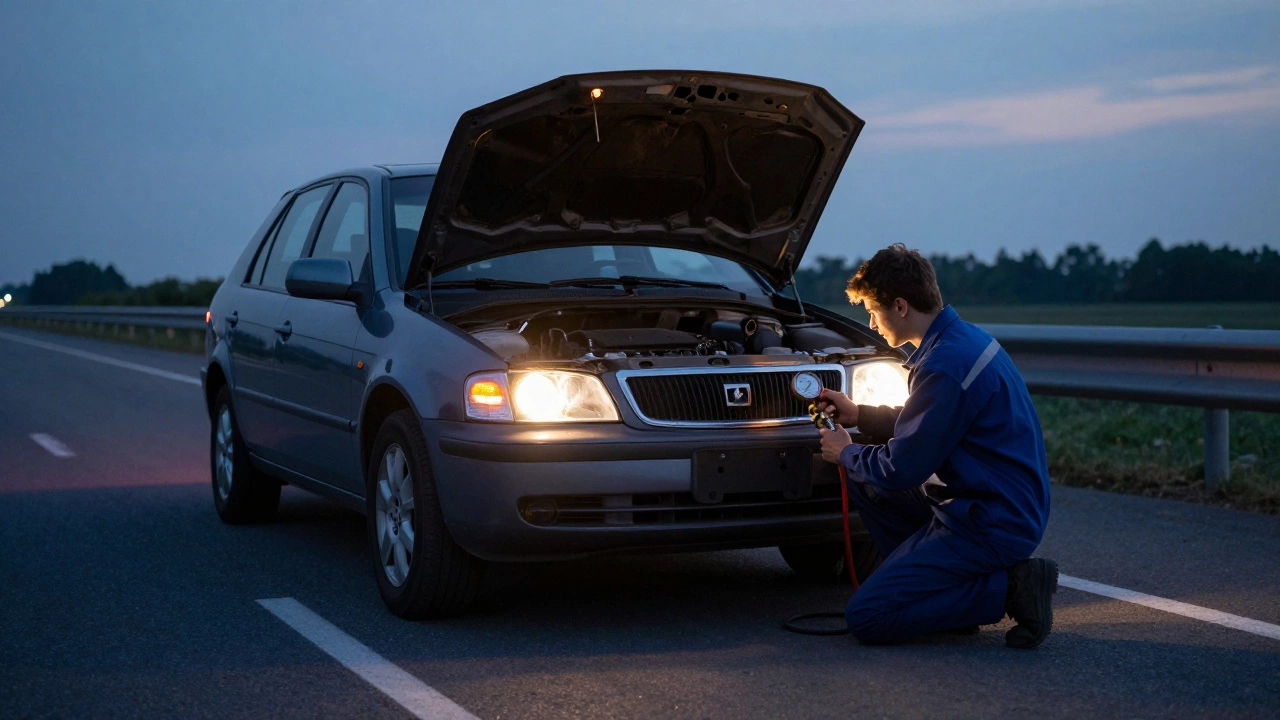
Imagine your car running fine one minute, then suddenly losing power while you’re on the motorway. The engine might sputter, then cough, then go silent. The dashboard lights stay on, the radio works, the windows roll up-but the engine won’t turn over. That’s not a dead battery. That’s a dead fuel pump.
Some drivers try to restart the car multiple times, hoping it’ll come back. It won’t. Each time you crank the engine without fuel, you’re flooding the cylinders with unburned gas. That can foul your spark plugs, damage your catalytic converter, or even cause a dangerous buildup of fuel vapors in the engine bay. You’re not helping. You’re making it worse.
There’s no way to bypass a failed fuel pump. No tricks. No temporary fixes. You can’t siphon gas into the intake manifold. You can’t duct-tape a garden hose to the fuel line. This isn’t a leaky radiator you can top up with water. The fuel system is sealed for safety and efficiency. Without the pump, fuel simply doesn’t move.
Warning Signs Before It Fails
You don’t wake up one day to a dead fuel pump. It fades out slowly. Here’s what to look for:
- Engine sputtering at high speeds-especially on the motorway. The pump can’t keep up with demand.
- Loss of power under load-like when you’re accelerating uphill or towing. The pump can’t deliver enough fuel under pressure.
- Difficulty starting the car-especially after it’s been sitting. You hear the fuel pump whirring for longer than usual before it starts.
- Engine stalling at idle-a sign that fuel pressure is dropping too low.
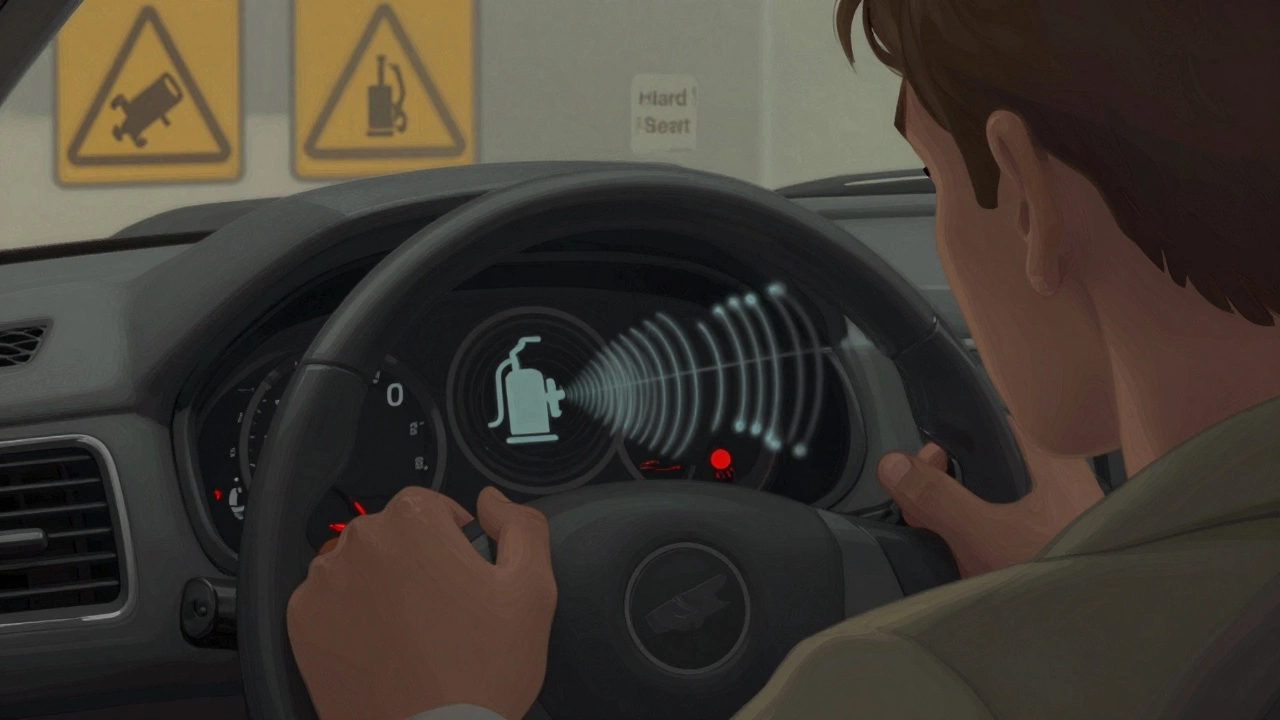
- Whining or buzzing noise from the fuel tank-a failing pump often makes louder, irregular sounds.
If you notice even one of these, get it checked. Most fuel pumps last between 100,000 and 150,000 miles, but dirt in the fuel, running the tank too low, or using poor-quality gas can kill one in half that time. In the UK, where fuel quality varies and older cars are common, premature failure isn’t rare.
What to Do If Your Fuel Pump Fails
If your car suddenly stops and you suspect the fuel pump, here’s what to do:
- Don’t keep trying to start it. More than three cranks in a row can flood the engine or drain your battery.
- Move to a safe spot. Turn on your hazard lights and get off the road if possible. Even if you’re on a quiet side street, you’re a hazard if you’re stopped in traffic.
- Call for a tow. Most breakdown services in the UK include fuel system diagnostics. They’ll check pressure, test the pump, and confirm the issue. Many will even replace the pump on the spot if you’re insured.
- Don’t guess. A mechanic might suggest a fuel filter or injector issue-but if the pump is dead, those won’t fix it. A proper diagnosis uses a fuel pressure gauge, not guesswork.
Replacing a fuel pump isn’t cheap. In the UK, expect to pay between £400 and £900, depending on your car. Labor takes 2-4 hours because the tank has to be dropped. Some newer models require removing the rear seat or trunk lining to access the pump. It’s a job best left to professionals.
How to Prevent Fuel Pump Failure
You can’t stop wear and tear, but you can stretch the life of your fuel pump:
- Never run your tank below a quarter full. The fuel cools the pump. Running low exposes it to heat and debris that can burn out the motor.
- Use quality fuel. Cheap, dirty gas clogs the pump’s internal filter faster. Stick to major brands-Shell, BP, Esso.
- Replace the fuel filter every 40,000 miles. Most manufacturers say 60,000, but in dusty conditions or with older cars, 40,000 is safer. A clogged filter makes the pump work harder, shortening its life.
- Avoid frequent short trips. Short drives don’t let the engine reach operating temperature, which lets moisture and gunk build up in the tank.
If your car has over 100,000 miles and you’ve never replaced the fuel pump, consider it preventative maintenance. It’s not a guarantee, but it’s smarter than waiting for it to die on the M5.
What About Fuel Pump Relays?
Some people blame the relay when the car won’t start. And yes-a bad relay can mimic a dead fuel pump. The relay is a simple switch that sends power to the pump. If it fails, the pump gets no electricity. But here’s the catch: a relay failure is easy to fix. It costs under £20 and takes five minutes to replace. It’s one of the first things a mechanic checks before assuming the pump is dead.
So if your car won’t start, don’t jump to replacing the pump. Ask for a relay test. If the relay is the issue, you’re looking at £50-£80 total. If it’s the pump, you’re looking at £500+. Knowing the difference saves you money and time.
Final Reality Check
There’s no way around it: if your fuel pump fails, you’re not driving anywhere until it’s fixed. No matter how close you are to home, how good your GPS is, or how much you’re in a hurry-you’re stranded. There’s no magic workaround. No clever hack. No YouTube trick that actually works.
That’s why paying attention to the early signs matters. A little maintenance now saves you a tow bill, a lost day, and a lot of stress later. Fuel pumps don’t fail without warning. You just have to listen.
Can I drive my car if the fuel pump is making noise?
A loud whining or buzzing noise from the fuel tank is a classic sign that the fuel pump is wearing out. You can drive it temporarily, but it’s a warning. The pump could fail completely at any moment-especially under load, like during highway driving. Get it checked within a few days. Don’t wait until you’re stranded on the motorway.
Will a fuel pump fail suddenly without warning?
Rarely. Most fuel pumps give clear signs before they die completely: sputtering, hard starts, loss of power, or unusual noises. A true sudden failure usually only happens if the pump was already failing and a component broke under stress. Even then, the symptoms were likely there, just ignored.
Can I replace the fuel pump myself?
It’s possible, but not recommended unless you have experience with fuel systems. The tank must be drained and lowered, which involves working near gasoline and electrical components. One mistake can cause a fire or damage the fuel lines. Most people save money by doing it themselves-but not if they end up paying for a tow, a new fuel line, or a damaged tank. Professional replacement is safer and often faster.
Does running on empty damage the fuel pump?
Yes. The fuel pump is cooled and lubricated by the gasoline around it. When the tank is low or empty, the pump runs dry, overheats, and wears out faster. It also sucks up sediment from the bottom of the tank, which clogs the internal filter. Even once or twice can shorten its life by years. Always keep at least a quarter tank.
How long does a fuel pump last?
Most last between 100,000 and 150,000 miles. But in the UK, where many cars are older and fuel quality varies, pumps often fail between 70,000 and 120,000 miles. If your car is over 10 years old and has more than 80,000 miles, it’s worth considering replacement as preventative maintenance.
Next Steps If You Suspect a Failing Fuel Pump
If you’re hearing strange noises, struggling to accelerate, or having trouble starting your car, don’t wait. Book a diagnostic with a trusted mechanic. Ask them to check:
- Fuel pressure with a gauge
- Electrical connection to the pump
- Condition of the fuel filter
- Relay function
Most garages in Bristol and across the UK offer free diagnostics for fuel system issues. Use that. It’s better than guessing. And if they confirm the pump is bad, don’t delay. A few hundred pounds now saves you hundreds more in towing, lost work time, and potential engine damage later.