
Oil Check: How to Spot Bad Engine Oil and Avoid Costly Damage
When you do an oil check, the simple act of pulling out your engine oil dipstick to assess its condition. Also known as engine oil inspection, it’s one of the quickest ways to prevent a breakdown that could cost thousands. Most people skip it until their car starts making noise or won’t start. By then, it’s often too late.
Dirty engine oil isn’t just dark—it’s a warning sign. When oil turns thick, gritty, or smells burnt, it’s lost its ability to lubricate. That means metal parts in your engine are grinding against each other. This isn’t theory. A 2023 study by the Society of Automotive Engineers found that 40% of premature engine failures were linked to neglected oil changes and poor oil condition. You don’t need a garage to spot this. Just pull the dipstick, wipe it clean, and check again. If the oil looks like mud or has flakes in it, you’re running on borrowed time.
Related to this are engine oil symptoms, the visible and audible clues your car gives when oil is failing. These include knocking sounds from the engine, warning lights on your dash, or even smoke coming from the exhaust. Then there’s oil contamination, when coolant, fuel, or dirt mixes with the oil. This happens from leaking gaskets, bad fuel injectors, or even a dirty air filter. Contaminated oil doesn’t just wear out faster—it can destroy your engine in weeks.
You might think modern engines don’t need this kind of attention. But even the newest cars with synthetic oil still need regular checks. Synthetic oil lasts longer, sure—but it doesn’t last forever. And if you drive in dusty areas, haul heavy loads, or sit in traffic every day, your oil breaks down faster. A simple oil check takes less than a minute. Do it every time you fill up. Keep a record. If the oil looks off, don’t wait for the service light. Change it.
The posts below cover exactly this: how to read your oil, what to look for when it’s gone bad, how contamination happens, and what happens if you ignore it. You’ll find real stories from people who waited too long—and what they paid for it. You’ll also see how to prevent it before it starts. No fluff. No guesswork. Just what you need to know to keep your engine alive.
-
10 Jun
-
8 Apr

What's the Right Level for Your Oil Gauge?
Checking your car’s oil gauge might not sound exciting, but it's crucial for your engine’s health. Knowing the right level can keep your engine running smoothly and prevent costly repairs. This article breaks down how to read your oil gauge, what levels to watch for, and why maintaining the right level is so important. Plus, get tips on when to check your oil and how to handle unexpected drops in oil levels.
- Recent
- Popular
-
 Can You Daily Drive a Stage 3 Clutch? Real-World Truths
Mar 20 2026
Can You Daily Drive a Stage 3 Clutch? Real-World Truths
Mar 20 2026
-
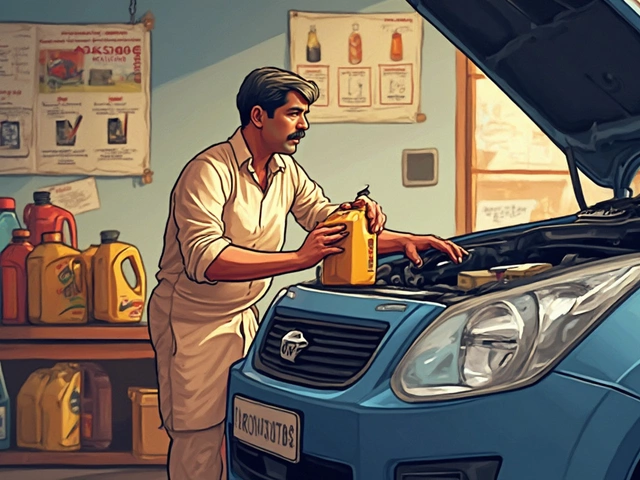 Does Engine Oil Choice Really Matter?
Mar 11 2025
Does Engine Oil Choice Really Matter?
Mar 11 2025
-
 Understanding MERV 14 Air Filters for Residential Use
Jan 26 2025
Understanding MERV 14 Air Filters for Residential Use
Jan 26 2025