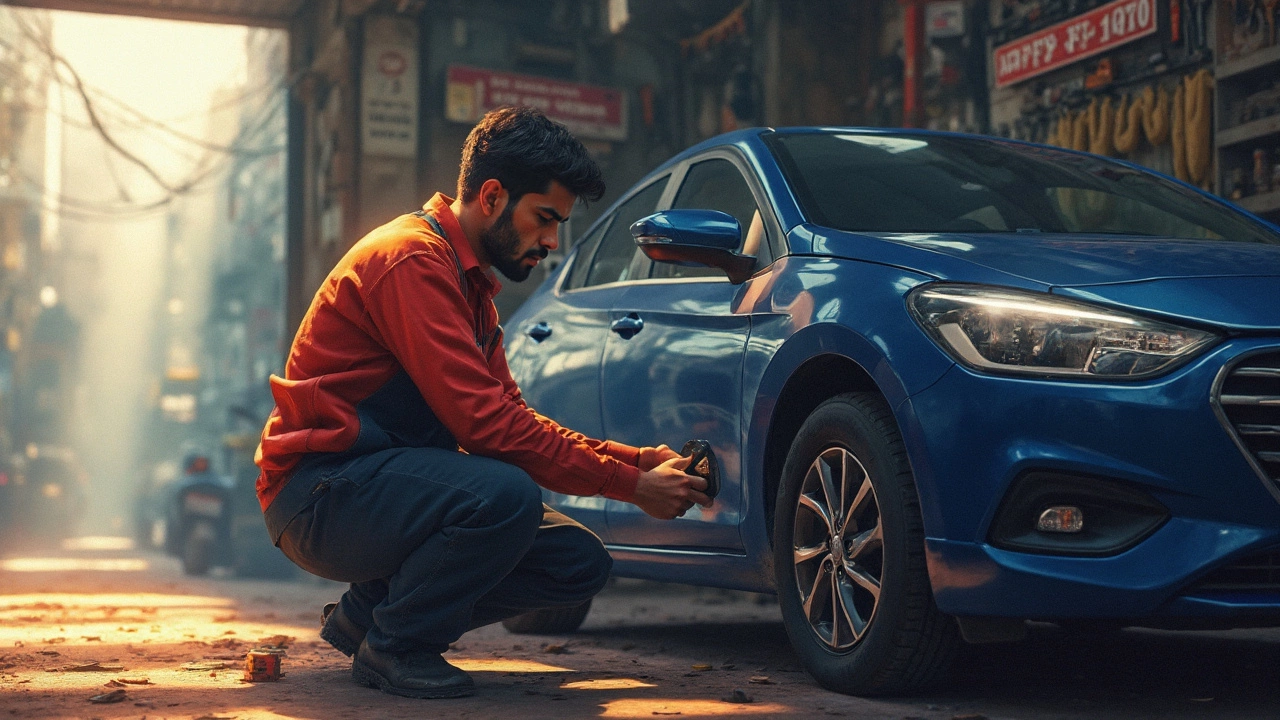
Safety in Cars: What You Need to Know About Brake Pads, Suspension, and Clutch Health
When we talk about safety, the condition of your vehicle that directly affects your ability to stop, steer, and avoid accidents. Also known as roadworthiness, it's not something you can afford to ignore until it's too late. Safety isn't just about wearing a seatbelt or having airbags—it's about the parts that keep your car under control. A worn brake pad, a broken suspension component, or a slipping clutch might not make your car break down right away, but they turn every drive into a gamble.
Think about brake pads, the friction material that presses against your rotors to stop your car. When they wear thin, your stopping distance grows. You might hear a squeal, feel a vibration, or notice your car takes longer to slow down. These aren't just annoyances—they're warning signs your car can't respond when you need it most. And suspension, the system that keeps your tires in contact with the road over bumps and turns. If your shocks are gone, your tires won't grip properly. That means poor steering, uneven tire wear, and longer braking distances—even on dry roads. Then there's the clutch, the link between your engine and wheels that wears out from how you drive. A burnt clutch doesn't just make shifting hard—it can leave you stranded in traffic or unable to accelerate when you need to merge or escape danger.
These aren't isolated problems. They connect. Bad suspension wears out brake pads faster. A slipping clutch puts extra strain on the transmission. Ignoring a noisy suspension doesn't just cost you money—it costs you control. And control is what keeps you alive. The posts below don't just tell you what's wrong. They show you how to spot the signs before it's too late, what repairs actually cost, and when you can fix it yourself versus when you need a pro. This isn't theory. It's what real drivers need to know to stay safe on Indian roads.
-
15 Jun
- Recent
- Popular
-
 Why Car Radiators Are Becoming Obsolete
Oct 26 2025
Why Car Radiators Are Becoming Obsolete
Oct 26 2025
-
 How to Prolong the Life of Your Windshield Wipers
Nov 25 2025
How to Prolong the Life of Your Windshield Wipers
Nov 25 2025
-
 Does clutch kicking ruin your clutch? - What you need to know
Oct 23 2025
Does clutch kicking ruin your clutch? - What you need to know
Oct 23 2025
-
 Can You Start Your Car Right After Adding Oil?
Apr 10 2026
Can You Start Your Car Right After Adding Oil?
Apr 10 2026