Engine Oil Health Simulator
Use the slider to simulate your current oil level as seen on the dipstick or dashboard.
50%
Current Level
Monitor Closely
Potential Damage: Moderate (Highway safe, city risky)
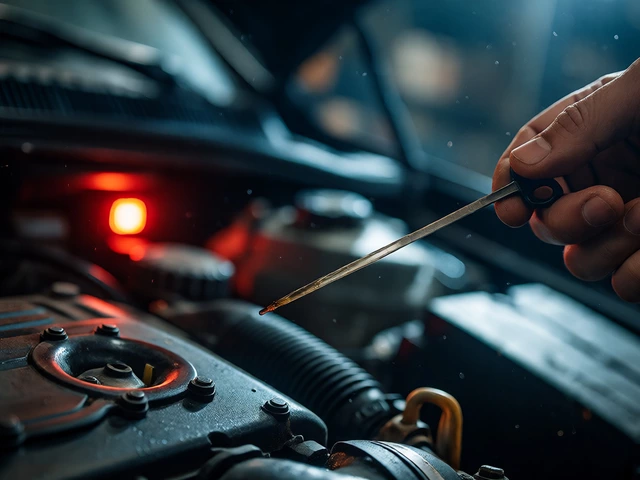
You’re driving along the motorway, minding your own business, when that little orange oil can icon pops up on your dashboard. Or maybe you just hear a strange ticking noise coming from under the bonnet. Your first instinct might be to ignore it for a few more miles, thinking, "It’s probably fine." But here is the hard truth: engine oil is not just a lubricant; it is the lifeblood of your internal combustion engine. Running low on it isn't like running low on petrol where you just coast to a stop. It’s more like having a heart attack while jogging.
If you push through and keep driving with critically low oil levels, you aren't just risking a repair bill-you are risking total engine destruction. Let’s break down exactly what happens inside those metal cylinders when the oil runs dry, step by step, so you know why that warning light deserves immediate respect.
The Immediate Impact: Friction and Heat Spikes
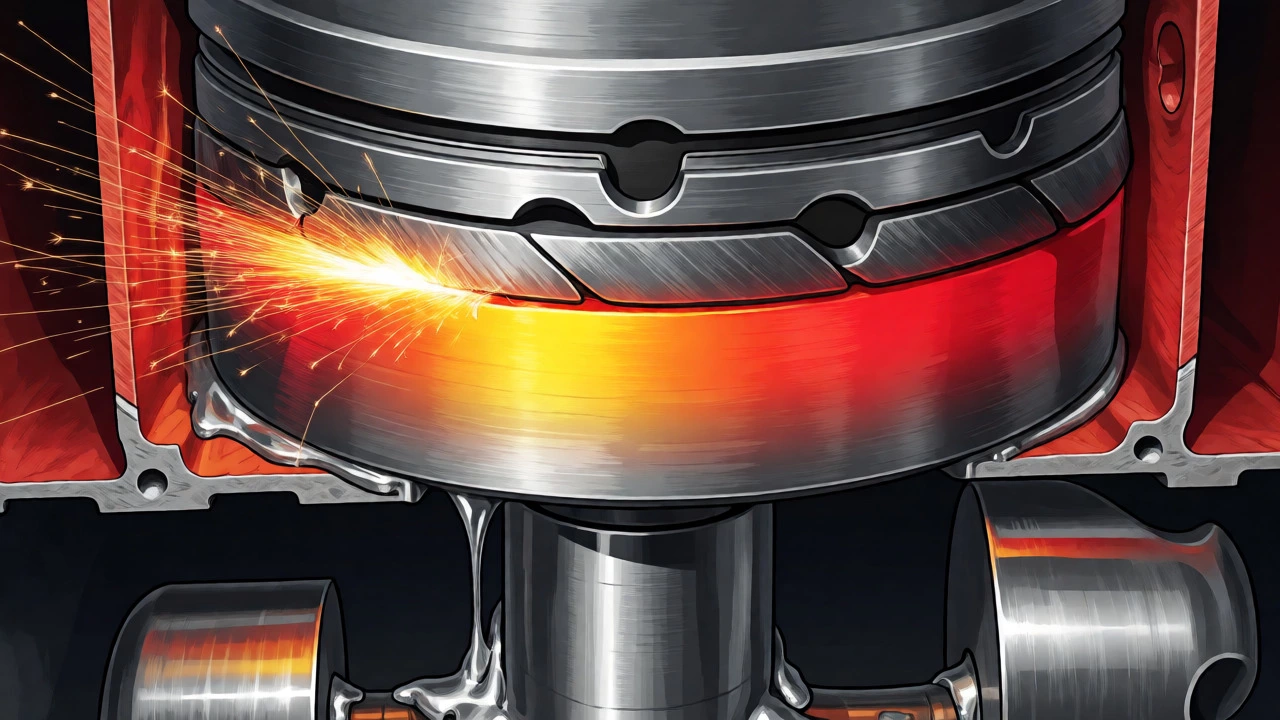
To understand the damage, you have to understand the job. An engine contains hundreds of moving parts spinning at thousands of revolutions per minute (RPM). Think of the pistons slamming up and down or the crankshaft spinning wildly. Without a film of oil separating these metal surfaces, they are grinding against each other. This creates massive friction.
Friction creates heat. Normal operating temperatures for a modern petrol engine hover around 90°C to 105°C. When oil levels drop below the minimum mark on the dipstick, the oil pump starts sucking in air along with the remaining fluid. This leads to cavitation-bubbles forming in the oil line-which breaks the continuous flow needed to cool critical components. Suddenly, internal temperatures can spike well over 150°C or even higher in extreme cases. At this point, the metal begins to expand beyond its design tolerances.
Component-by-Component Breakdown
Different parts fail at different rates when starved of oil. Here is what typically goes wrong, in order of likelihood:
- Tappets and Camshafts: These are often the first to complain. You will hear a loud tapping or knocking sound, especially when starting the car cold. The cam lobes press against the tappets (or followers) repeatedly. Without oil, this contact becomes direct metal-on-metal scraping. This wears down the cam lobe profile, meaning your valves won’t open fully anymore. Performance drops immediately.
- Bearings (Main and Rod): Inside the crankcase, the crankshaft spins on bearings. These rely on a pressurized film of oil to float on top of the shaft. If pressure drops because there isn't enough oil to pump, the bearing shells make contact. They heat up rapidly, melting the soft aluminum lining. This causes "bearing spin," where the shell rotates inside its housing, destroying the journal surface. This is usually fatal for the engine.
- Piston Rings and Cylinder Walls: Pistons move at incredible speeds. Their rings seal combustion gases and scrape excess oil. Dry pistons score the cylinder walls, creating deep grooves. Once these walls are scored, compression leaks past the rings into the sump, causing loss of power and blue smoke from the exhaust.
- Turbochargers: If you have a turbocharged engine (which most modern cars do), the turbo spins at over 100,000 RPM. It relies entirely on oil for cooling and lubrication. A momentary lack of oil can cause the turbo shaft to seize instantly. Replacing a turbo is expensive, but doing it after the engine has already failed is money wasted.
The Domino Effect: From Noise to Seizure
The progression from "low oil" to "dead engine" rarely happens overnight unless you completely drain the system. It usually follows a predictable path. First, you get the warning light or the tick. If you ignore it, the ticking turns into a rhythmic knocking sound as the rod bearings begin to wear. This is the "knock" mechanics talk about. It gets louder as you accelerate.
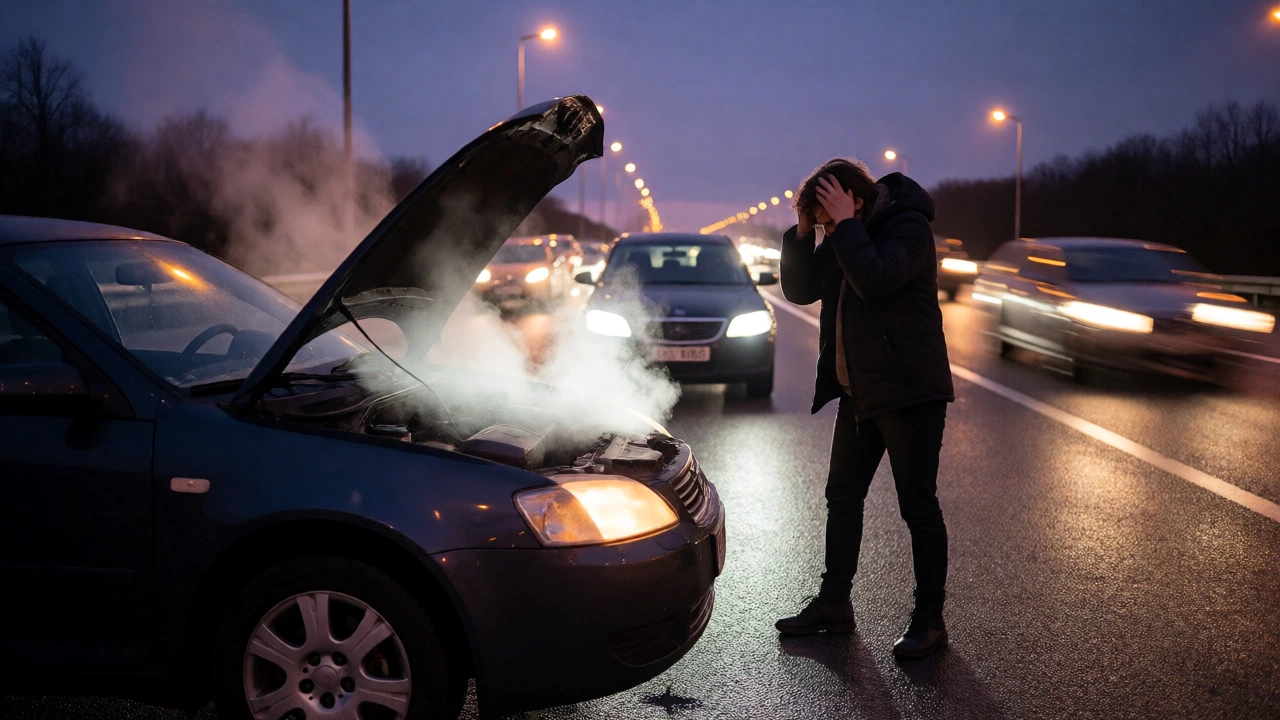
Next comes overheating. Because oil also acts as a coolant, carrying heat away from the cylinder heads, the temperature gauge climbs. You might see steam rising from under the hood. At this stage, the metal components are warping. The head gasket, which seals the block to the head, is under immense thermal stress. It blows. Coolant mixes with oil, creating a milky sludge that further clogs passages.
Finally, if you keep driving, the friction generates so much heat that the metal literally welds itself together. This is called seizing. The piston fuses to the cylinder wall, or the crankshaft locks up in its bearings. The engine stops turning. If you try to start it again, the starter motor will likely burn out trying to force a seized engine to turn. This is the point of no return without a full rebuild or replacement.
How Long Can You Drive With Low Oil?
This is the million-dollar question. There is no fixed mileage limit because it depends on how low you are and how hard you drive. However, here are some practical rules of thumb based on real-world scenarios:
| Oil Level Status | Immediate Action | Potential Damage Risk | Estimated Safe Distance* |
|---|---|---|---|
| Below Min Mark | Top up within 10 miles | Low (Wear accelerates) | 50-100 miles |
| Halfway Between Marks | Monitor closely | Moderate (Highway safe, city risky) | 200+ miles |
| Light On / Critical | Stop immediately | High (Bearing/Turbo damage) | < 1 mile |
| No Oil Pressure | Do not restart | Catastrophic (Seizure) | 0 miles |
*Note: "Safe distance" assumes gentle driving. Aggressive acceleration, towing, or climbing hills reduces these distances significantly.
If the oil light is flashing red, pull over immediately. Turn off the engine. Do not try to "make it home." Towing costs £50-£100. A new engine costs £3,000-£6,000. The math is simple.
Why Does Oil Disappear?
Engines don't consume oil like fuel, but they do use a tiny amount. If you find yourself topping up frequently, something is wrong. Common culprits include:
- Blown PCV Valve: The Positive Crankcase Ventilation valve recycles blow-by gases. If it sticks open, it sucks oil mist into the intake manifold, burning it.
- Worn Piston Rings: As engines age, rings lose their seal. Oil seeps past them into the combustion chamber and burns, producing blue smoke.
- Valve Stem Seals: Rubber seals degrade over time. When the engine sits overnight, oil drips down the valve stems. You’ll notice blue smoke only on cold starts.
- External Leaks: Check the oil pan gasket, drain plug, and filter housing. Sometimes the oil isn't gone; it's just on your driveway.
Prevention: The Simple Habits That Save Engines
You don't need to be a mechanic to protect your car. Just follow these three steps religiously:
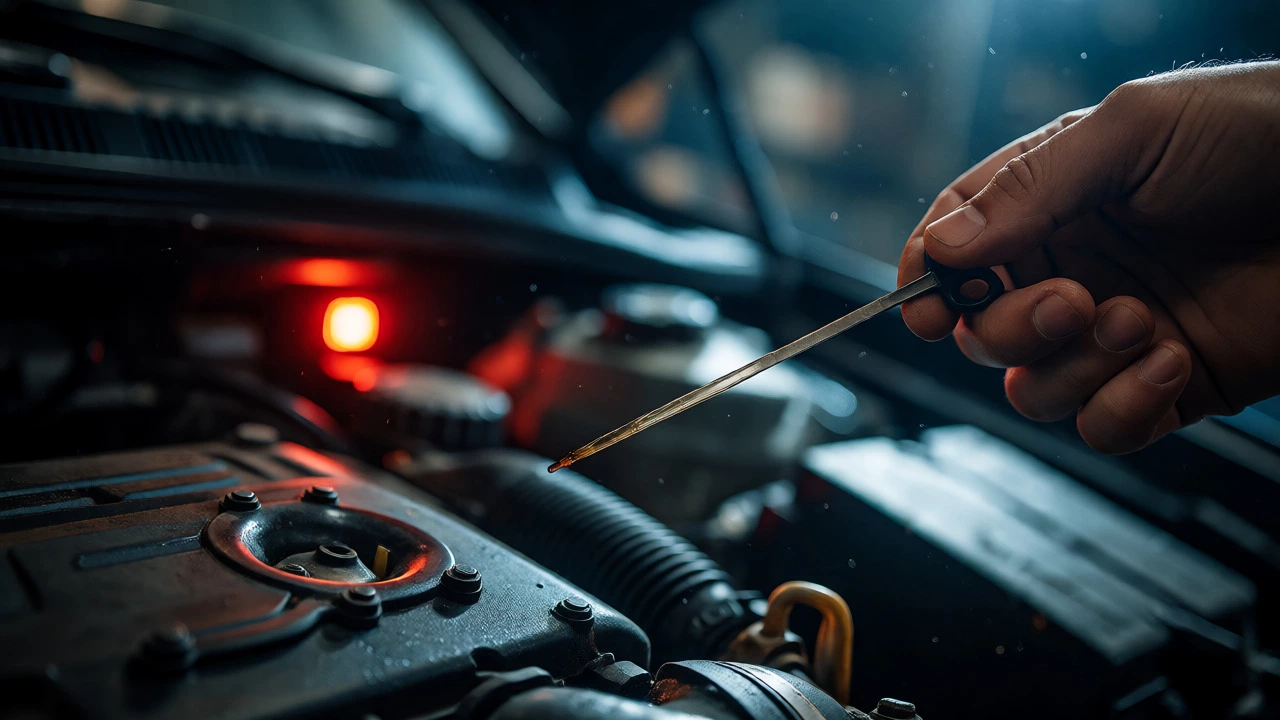
- Check the Dipstick Monthly: Don't wait for the light. Pull the dipstick when the engine is warm but has been off for 5 minutes. Wipe it, reinsert, and check the level. It should be between the MIN and MAX marks.
- Use the Right Viscosity: Check your owner’s manual. Using 5W-30 instead of 0W-20 in a modern hybrid might seem harmless, but it can affect variable valve timing systems and increase fuel consumption.
- Change Oil on Time: Oil degrades. Additives that clean and protect the engine break down after 10,000-15,000 miles (or 1 year). Old oil becomes sludge, blocking narrow oil galleries.
Running an engine low on oil is a gamble with high stakes. The initial cost of ignoring the problem seems small-a few pounds for a quart of oil versus a tow truck fee. But the compounding interest of mechanical wear makes that cheap fix exponentially expensive later. Treat your oil level like your fuel gauge: never let it hit empty.
Can I drive my car if the oil light is on?
If the oil pressure light is on (usually a red oil can symbol), you should stop driving immediately. This indicates low oil pressure, which means vital components are not being lubricated. Continuing to drive can destroy the engine in minutes. If the light is yellow/orange, it may indicate low oil level rather than pressure, allowing you to drive cautiously to a service station, but you should still address it urgently.
How long does it take for an engine to seize without oil?
In severe cases, such as a broken oil pipe or completely drained sump, an engine can seize within 15 to 30 seconds of operation at highway speeds. In less severe cases of gradual oil depletion, it may take several miles of driving before catastrophic failure occurs, but significant wear happens almost immediately once lubrication fails.
Will adding oil fix a noisy engine?
If the noise is caused solely by low oil levels, topping up may reduce the ticking temporarily. However, if the noise persists after adding oil, it likely indicates existing damage to bearings, tappets, or pistons. Adding oil cannot reverse physical wear or scoring on metal surfaces; it only prevents further damage.
Is synthetic oil better for preventing low-oil damage?
Synthetic oils generally offer better protection at extreme temperatures and resist breakdown longer than conventional mineral oils. While they don't prevent oil consumption issues, their superior stability ensures that the remaining oil continues to lubricate effectively for longer periods, potentially buying you a bit more time if you run low.
What does white smoke from the exhaust mean regarding oil?
White smoke usually indicates coolant entering the combustion chamber, often due to a blown head gasket, which can be a secondary effect of severe overheating caused by low oil. Blue smoke specifically indicates burning oil. Black smoke suggests a rich fuel mixture. If you see white smoke accompanied by a sweet smell and overheating, suspect a head gasket failure linked to previous thermal stress.