Clutch Lifespan Estimator
Driving Profile
Select the factors that apply to your driving situation.
Estimated Clutch Life
There is no single number that applies to every car. The average life of a clutch usually falls between 60,000 and 100,000 miles (roughly 100,000 to 160,000 kilometers). But your actual mileage could be half that if you drive in heavy city traffic, or double that if you mostly cruise on highways. Knowing where your driving habits sit on this spectrum helps you plan for one of the more expensive wear items in a manual transmission vehicle.
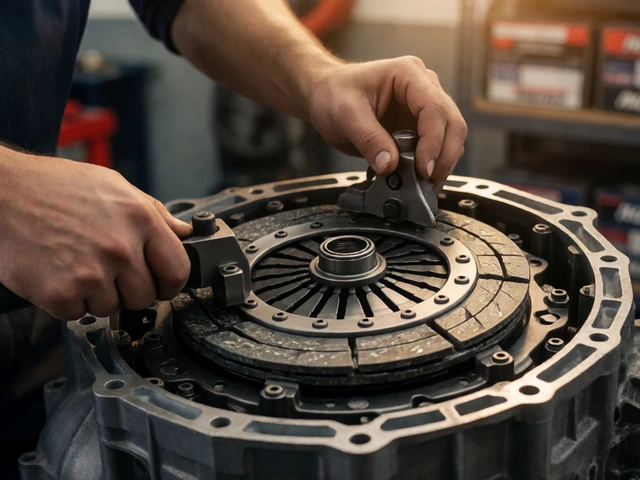
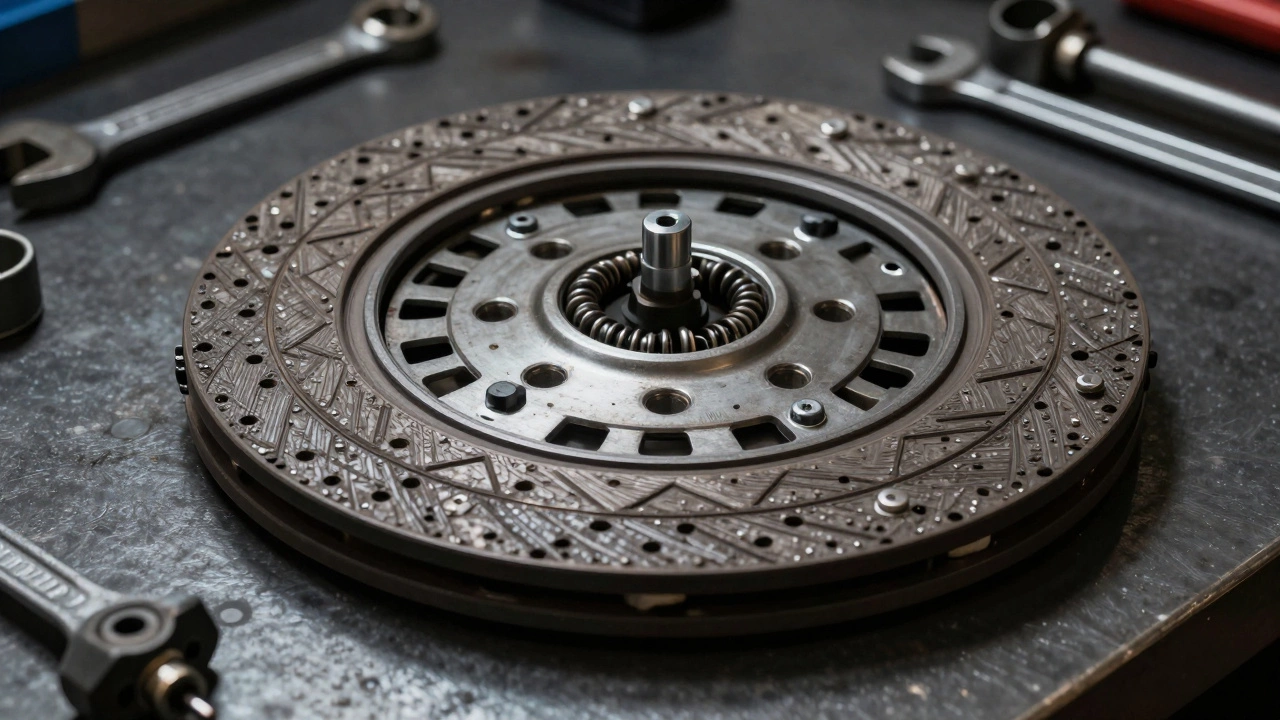
The clutch is not just a single part; it is an assembly that includes the pressure plate, release bearing, and friction disc. When people talk about replacing the clutch, they are usually talking about swapping out this entire clutch kit. Understanding how these components interact explains why some clutches last decades while others fail before the first service interval.
How Your Driving Style Dictates Longevity
Your daily routine is the biggest variable in clutch lifespan. A driver who spends three hours a day in stop-and-go London traffic will burn through a clutch much faster than someone who drives 40 miles on the M4 motorway each morning. City driving requires constant engagement and disengagement of the clutch pedal, generating heat and friction that wears down the friction material on the disc.
Towing heavy loads also accelerates wear. If you regularly tow a caravan or carry heavy cargo, the engine has to work harder, placing extra strain on the clutch system. In these scenarios, expecting 60,000 miles might be optimistic; you may need to budget for a replacement closer to 40,000 miles. Conversely, gentle highway driving with minimal gear changes can easily push a clutch past 150,000 miles without issue.
- City commuters: Expect shorter life due to frequent slipping and low-speed engagement.
- Highway drivers: Likely to see maximum longevity as gears are shifted less often.
- Tow truck operators: Require specialized heavy-duty kits and more frequent replacements.
The Hidden Factors: Car Type and Engine Power
Not all cars treat their clutches equally. High-performance vehicles with turbocharged engines produce significantly more torque than standard naturally aspirated engines. This increased power puts greater stress on the clutch disc during acceleration. A sporty hatchback might wear its clutch twice as fast as a family sedan with a similar engine size but lower output.
Electric vehicles (EVs) and hybrids present a different scenario. Many hybrids use automated transmissions or electric motors for low-speed movement, reducing reliance on the traditional mechanical clutch. However, when a hybrid does use its clutch, it often engages at higher RPMs, which can lead to unique wear patterns. For pure EVs, the concept of a "clutch life" doesn't apply in the traditional sense since most use single-speed direct drive transmissions.
In Bristol, where I live, the hilly terrain combined with narrow streets means many local drivers ride the clutch slightly longer than necessary to maintain control on steep inclines. This "riding the clutch" habit-keeping your foot resting on the pedal even when not shifting-is a major cause of premature failure. It creates constant friction, heating up the assembly and glazing the friction surface.
| Factor | Impact on Life | Estimated Mileage Range |
|---|---|---|
| Highway Driving | Minimal Wear | 100,000 - 150,000+ miles |
| City Traffic | Moderate to High Wear | 60,000 - 80,000 miles |
| Heavy Towing | Severe Wear | 30,000 - 50,000 miles |
| Sport/Performance Use | High Wear | 40,000 - 70,000 miles |
Early Warning Signs: Don't Wait Until It Slips
Clutches rarely fail suddenly. They give you plenty of warning signs over weeks or even months. Ignoring these signals can damage other parts of the transmission, turning a straightforward repair into a costly overhaul. Pay attention to how your car feels, not just what the dashboard says.
The most common sign is slipping. You press the accelerator, the engine revs go up, but the car doesn't speed up proportionally. This happens because the friction disc can no longer grip the flywheel effectively. Another telltale symptom is a change in the bite point-the spot where the clutch starts to engage when you lift your foot from the pedal. If this point moves higher up or becomes fuzzy, the disc is likely worn thin.
Noise is another indicator. A squealing or grinding noise when pressing the clutch pedal often points to a failing release bearing. If the noise disappears when the pedal is fully depressed, the bearing is the culprit. Chattering noises during takeoff usually mean the pressure plate springs are weak or the flywheel surface is damaged.
Difficulty shifting gears, especially into first or reverse, suggests the clutch isn't disengaging completely. This "dragging" feeling forces you to double-clutch or grind gears, which accelerates wear further. If you notice any of these symptoms, get the clutch inspected immediately. Continuing to drive with a slipping clutch generates excessive heat that can warp the flywheel, requiring additional repairs.
Replacement Costs and What's Included
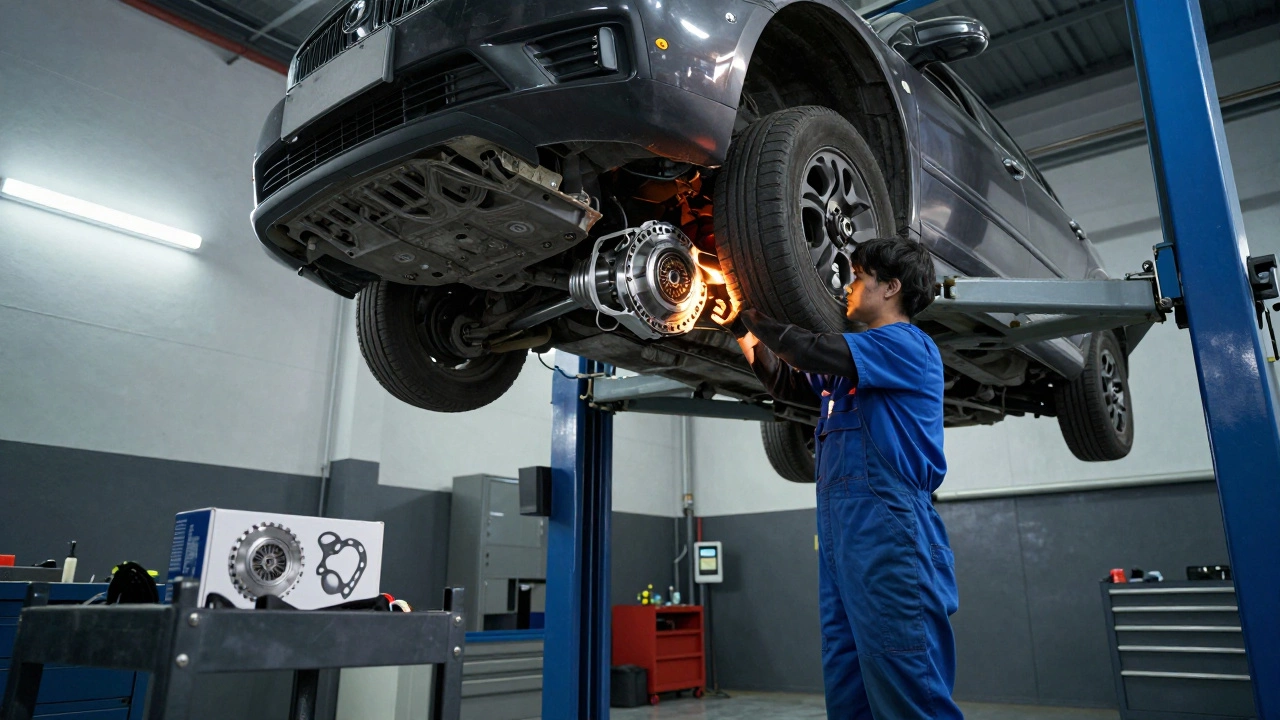
Replacing a clutch is labor-intensive. The mechanic must remove the transmission to access the clutch assembly, which typically takes 4 to 8 hours of shop time depending on the vehicle. In the UK, total costs including parts and labor generally range from £800 to £1,500 for standard passenger cars. Performance vehicles or those with complex layouts (like all-wheel-drive systems) can exceed £2,000.
A complete clutch kit should include the friction disc, pressure plate, and release bearing. However, experienced mechanics often recommend replacing the flywheel at the same time. The flywheel mates directly with the clutch disc, and if it has hot spots or warping from previous wear, it will quickly destroy a new clutch. Dual-mass flywheels, common in modern diesel engines, are particularly expensive but essential for smooth operation.
When comparing quotes, ensure you're getting OEM-quality parts. Cheap aftermarket kits may save money upfront but often lack the durability of brands like Sachs, LuK, or Valeo. These manufacturers supply original equipment to car makers, so their kits match the factory specifications precisely. Using inferior parts risks early failure and repeated repair bills.
If you find yourself researching various options online, you might stumble upon unrelated directories like this resource, which highlights how easily search results can diverge from automotive topics. Always verify that the information source specializes in vehicle maintenance to avoid misleading advice.
Extending Clutch Life: Practical Habits
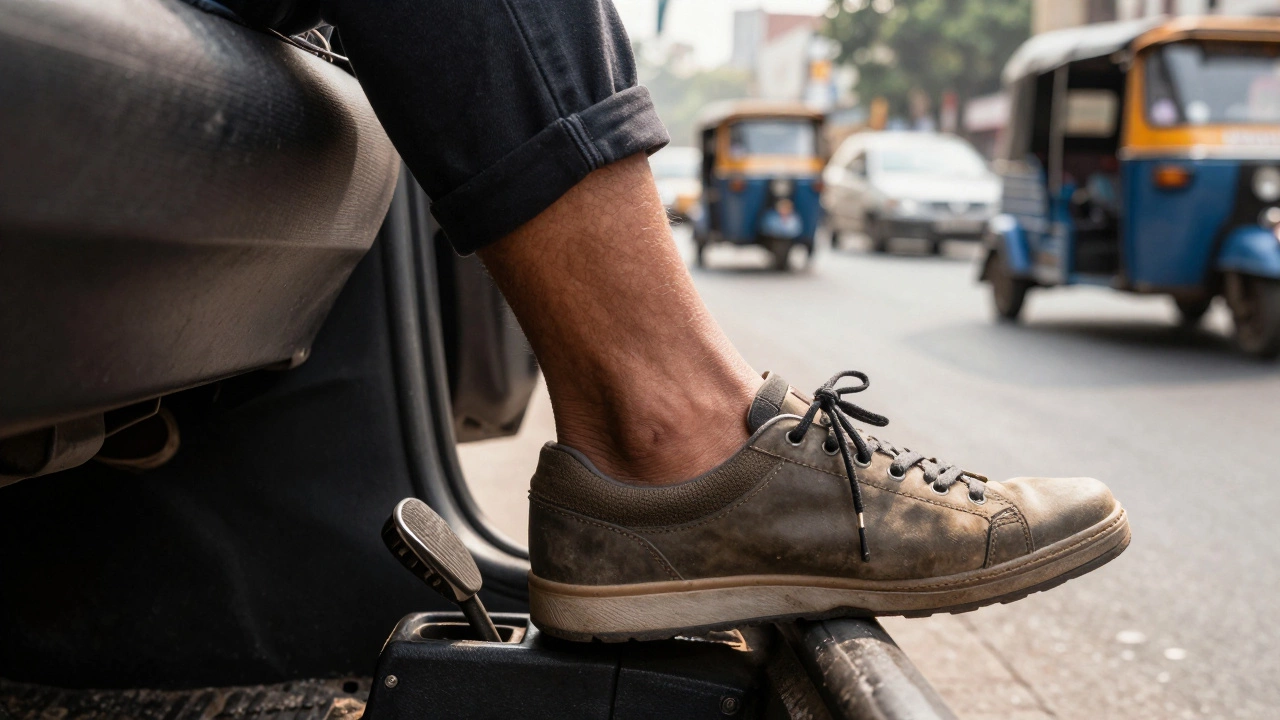
You can significantly extend your clutch's life by adopting better driving habits. The golden rule is to keep your foot off the pedal when not shifting. Resting your foot on the clutch, even lightly, keeps the release bearing engaged and causes gradual wear. Find a footrest position that feels natural and stick with it.
Avoid "riding the clutch" on hills. Instead of holding the car stationary with the clutch halfway engaged, use the handbrake. Pull up the handbrake, find the bite point, then release the brake smoothly as you add gas. This technique eliminates the friction that wears down the disc during hill starts.
Shift gears efficiently. Don't let the engine rev too high before shifting up, and don't shift down until the RPMs drop sufficiently. Matching speeds between gears reduces shock loads on the clutch assembly. Also, avoid launching from a standstill in second gear unless absolutely necessary. First gear provides the correct leverage ratio; using second gear forces the clutch to slip excessively to prevent stalling.
Regular maintenance of related systems helps too. Ensure the clutch hydraulic fluid is topped up and bled periodically. Air bubbles in the hydraulic line can cause incomplete disengagement, leading to grinding and premature wear. Check the master and slave cylinders for leaks, as fluid loss compromises clutch operation.
When to Replace vs. Repair
Unlike brake pads, clutches cannot be partially repaired. Once the friction material is worn, the entire disc must be replaced. Attempting to resurface or adjust a worn clutch is not feasible with modern designs. The decision isn't whether to repair, but when to replace.
If your clutch shows minor slipping only under extreme conditions (like towing up steep hills), you might squeeze out another few thousand miles. However, if slipping occurs during normal acceleration, replacement is urgent. Delaying repair risks damaging the flywheel or transmission input shaft, increasing costs substantially.
For older vehicles nearing the end of their useful life, consider whether clutch replacement makes financial sense. If the car is worth less than the repair cost, selling it as-is or switching to an automatic alternative might be wiser. But for reliable daily drivers, investing in a quality clutch kit ensures years of dependable performance.
Can I replace just the clutch disc?
Technically yes, but it's not recommended. The pressure plate and release bearing wear at similar rates. Replacing only the disc leaves old, potentially failing components in place, risking immediate re-failure. Most mechanics insist on installing a complete clutch kit to ensure balanced performance and longevity.
Does driving style really affect clutch life?
Absolutely. Aggressive acceleration, riding the clutch, and frequent low-speed maneuvers generate excess heat and friction. Gentle, deliberate shifts and keeping your foot off the pedal when not shifting can double the lifespan of your clutch compared to harsh driving habits.
Is it cheaper to replace the clutch yourself?
You save on labor costs, which are significant. However, clutch replacement requires specialized tools, jack stands, and technical knowledge. Mistakes can damage the transmission or cause safety hazards. Unless you have experience with drivetrain work, professional installation is safer and often more cost-effective when considering potential errors.
Why does my clutch smell like burning toast?
That odor indicates overheating caused by excessive slipping. It happens when the clutch disc spins against the flywheel without fully engaging, generating intense friction. Stop driving immediately and allow the clutch to cool. Continued use will glaze the friction surface, necessitating replacement sooner.
Should I replace the flywheel with the clutch?
Yes, especially if it's a dual-mass flywheel or shows signs of heat damage. A warped or scored flywheel will vibrate and wear down a new clutch rapidly. While it adds to the initial cost, replacing both simultaneously prevents future repairs and ensures smooth operation for the life of the new clutch kit.