Cabin Air Filter Selector Tool
Analyze Your Needs
Select your options and click "Get Recommendation" to find the perfect filter for your vehicle.
You’ve probably seen them in the aisle at your local auto parts store or online. They look just like standard paper filters, but they come with a fancy name: polarized air filters. The marketing claims are always the same. They promise to trap smaller particles than standard filters without restricting airflow. They claim to be more efficient, cleaner, and better for your health. But here is the real question you need to ask yourself before spending that extra cash: are they actually worth it?
The short answer is yes, but only if you understand what they are doing and where they fall short. A polarized filter isn't magic; it's physics. Specifically, it’s static electricity. By adding an electrostatic charge to the filter media, manufacturers can trap tiny dust particles that would normally slip through the gaps in a standard fiberglass or cotton filter. However, this technology comes with trade-offs regarding lifespan, cost, and compatibility with modern vehicle systems.
How Polarized Filters Actually Work
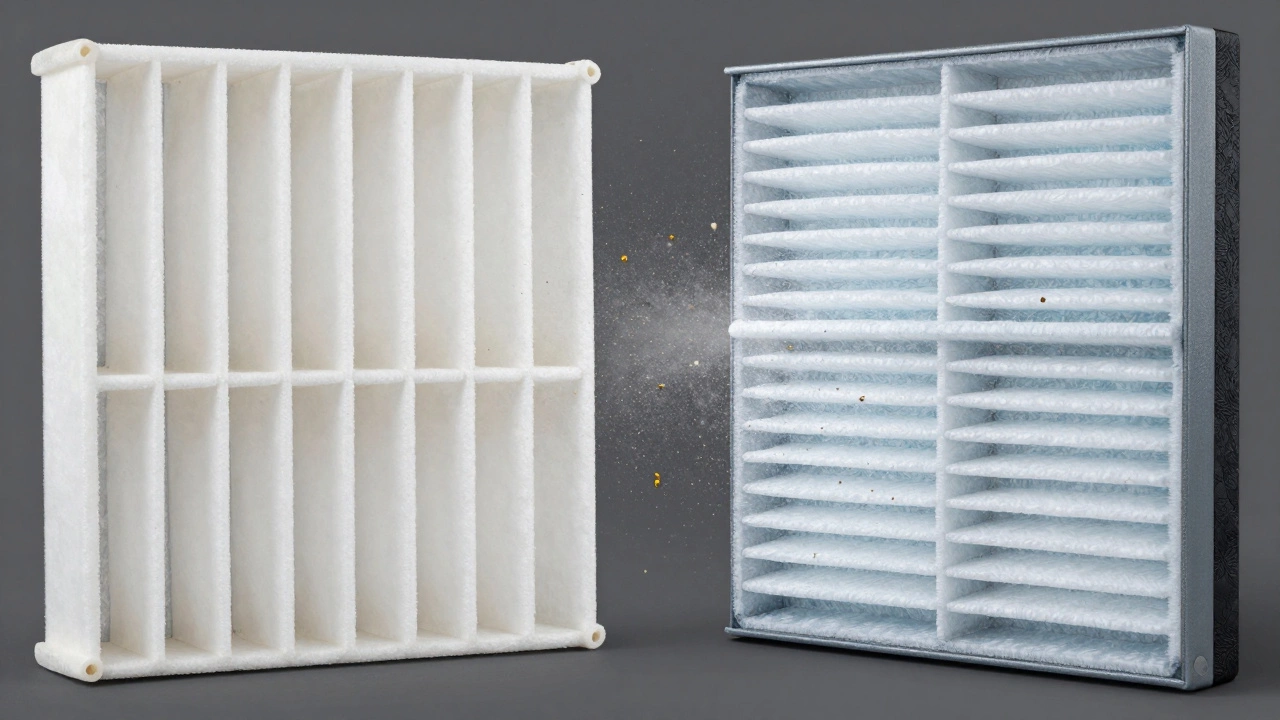
To understand if a polarized filter is right for you, you first need to know how it differs from the white paper filter currently sitting in your car. Most standard cabin air filters rely on mechanical filtration. Think of it like a net. If a fish (dust particle) is bigger than the holes in the net, it gets caught. If it’s smaller, it swims right through. This works well for large debris like leaves, pollen, and big chunks of road grime, but it lets microscopic pollutants pass straight into your ventilation system.
A polarized filter, often called an electrostatic filter, changes the game by adding an electrical charge to the fibers. Imagine that same net, but now every strand is magnetized. Small particles don’t just have to fit through the holes; they get attracted to the fibers themselves. This allows the filter to capture much finer particles, including smoke, bacteria, and fine dust, which are typically measured in microns. While a standard filter might catch particles larger than 5 microns, a good polarized filter can grab things down to 0.3 microns or even smaller.
This difference matters when you consider what you’re breathing while driving. In urban areas like Bristol, where traffic congestion contributes to high levels of particulate matter (PM2.5), those tiny particles are the ones most likely to cause respiratory irritation. A polarized filter acts as a tighter barrier against these specific threats.
The Benefits: Why You Might Want One
If you live in an area with heavy pollution, drive frequently on dusty roads, or suffer from allergies, the benefits of a polarized filter become clearer. Here is why many drivers make the switch:
- Better Allergy Relief: Because electrostatic filters trap finer allergens like mold spores and fine pollen, you may notice less sneezing or eye irritation when the AC or heater is running.
- Cleaner Interior Air: Standard filters let some haze through. Polarized filters reduce the amount of visible dust settling on your dashboard and vents over time.
- Maintained Airflow: High-quality polarized filters are designed to be thin yet effective. Unlike some dense HEPA-style filters that can choke your fan motor, a well-made electrostatic filter maintains decent airflow while improving filtration efficiency.
For example, if you commute through industrial zones or during peak fire season when smoke drifts into residential areas, the ability to block sub-micron particles makes a tangible difference in comfort. It’s not just about cleanliness; it’s about health.
The Drawbacks: What They Don’t Tell You
However, nothing is perfect. Polarized filters have significant downsides that often get glossed over in product descriptions. Understanding these will help you decide if the upgrade is truly necessary for your situation.
Shorter Lifespan: This is the biggest issue. Because the electrostatic charge attracts so many small particles, the filter clogs up faster than a standard one. While a regular filter might last 12,000 to 15,000 miles, a polarized filter may need replacing every 6,000 to 8,000 miles, depending on your driving conditions. If you forget to change it, the restricted airflow can strain your blower motor, leading to expensive repairs.
Higher Cost: Polarized filters are almost always more expensive than basic paper filters. You’re paying for the specialized manufacturing process that applies the static charge. Over time, if you’re changing them twice as often, the total cost of ownership can be double that of a standard filter.
Charge Degradation: The electrostatic charge isn’t permanent. Over time, especially in humid environments, the charge can dissipate. Once the static electricity fades, the filter performs no better than a cheap paper one, but you’ve already paid the premium price.

Polarized vs. Carbon vs. HEPA: Which Do You Need?
It’s easy to get confused because there are three main types of advanced cabin filters on the market today. Let’s break them down so you can pick the right tool for the job.
| Filter Type | Primary Function | Lifespan | Best For | Cost |
|---|---|---|---|---|
| Standard Paper | Traps large debris (pollen, leaves) | 12,000-15,000 miles | Clean rural areas, low budgets | Low (£) |
| Polarized (Electrostatic) | Traps fine dust & smoke via static charge | 6,000-8,000 miles | Allergies, urban pollution | Medium (££) |
| Activated Carbon | Adsorbs odors & gases (NOx, SOx) | 10,000-12,000 miles | Heavy traffic, smelly interiors | Medium-High (££-£££) |
| HEPA | Medical-grade particle filtration | Variable (often restricts flow) | Severe asthma, medical needs | High (£££) |
If your main complaint is bad smells-like exhaust fumes from idling cars or damp mildew in the car-a carbon filter is usually a better choice than a polarized one. Carbon absorbs gases, whereas polarized filters focus on solid particles. Many modern filters combine both technologies, offering a polarized layer for dust and a carbon layer for odors. These hybrid options are often the best balance for city drivers.
When Should You Skip the Polarized Filter?
Not everyone needs the extra filtration. If you drive mostly on clean country roads, keep your windows rolled up, and don’t suffer from respiratory issues, a standard paper filter is perfectly adequate. It does the job of protecting your HVAC components from large debris, which is its primary mechanical purpose.
Additionally, if you have an older car with a weak blower motor, adding a denser filter (even a polarized one) might reduce airflow enough to make your defroster less effective in winter. In freezing temperatures, clear visibility is safety-critical. If your defogger struggles to keep the windshield clear, stick to a low-resistance standard filter.
Installation and Maintenance Tips
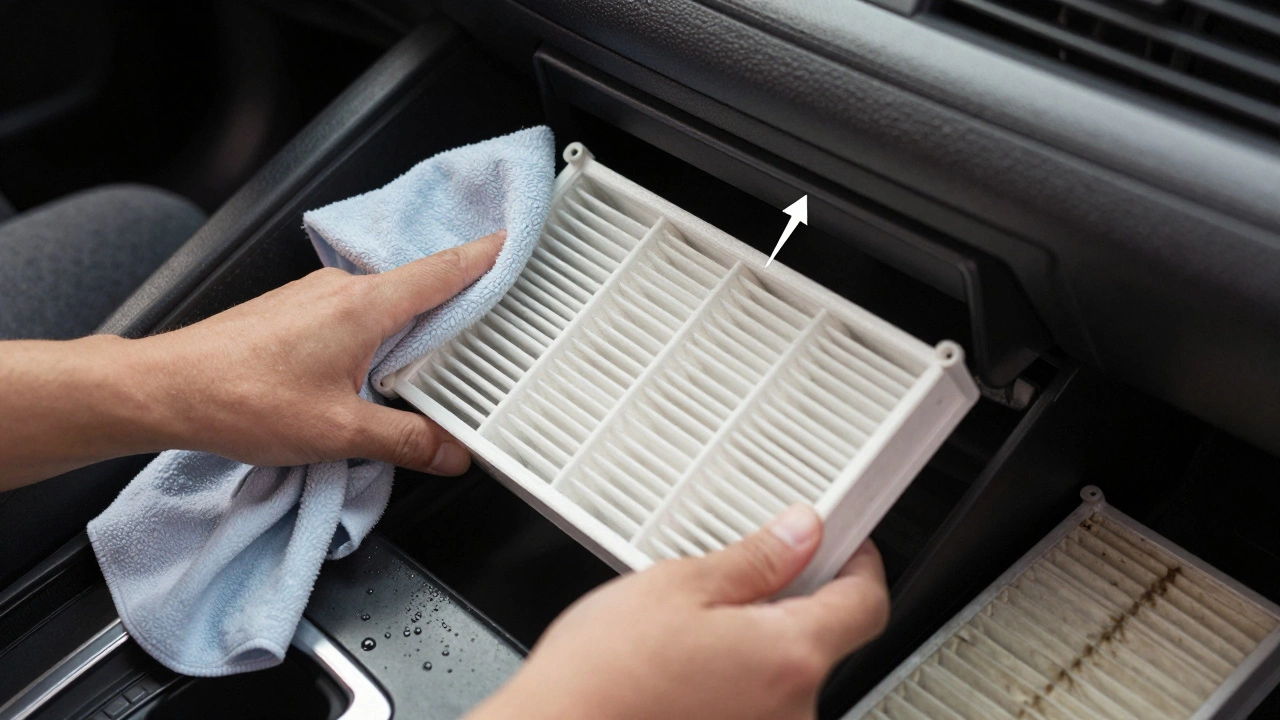
Installing a cabin air filter is one of the easiest DIY tasks you can do. Most modern cars have the filter housed behind the glove compartment or under the dashboard near the windshield cowl. Here is how to ensure you get the most out of your new polarized filter:
- Check the Orientation: Polarized filters often have an arrow indicating airflow direction. Make sure it points towards the interior of the car (usually marked "AIR FLOW" or similar). Installing it backward reduces efficiency significantly.
- Mark Your Calendar: Since polarized filters clog faster, set a reminder to check yours every 6 months or 6,000 miles. Don’t wait for the next service appointment.
- Inspect Visually: When you pull the old filter out, hold it up to the light. If you can’t see any light passing through, it’s definitely time for a replacement. If it looks relatively clean but has been in for six months, replace it anyway-the invisible load of fine particles is still there.
- Keep the Housing Clean: Before inserting the new filter, wipe down the filter housing with a damp cloth. Dust accumulates in the case itself, and if you put a fresh filter into a dirty box, you’ll contaminate it immediately.
The Verdict: Is It Worth the Money?
So, are polarized air filters worth it? For the average driver in a polluted urban environment like Bristol, the answer is generally yes. The improvement in air quality inside the cabin is noticeable, especially if you are sensitive to dust or smoke. The ability to trap finer particles provides a healthier driving experience that a basic paper filter simply cannot match.
However, you must be willing to maintain them. If you buy a polarized filter and leave it in for two years, you are wasting your money and potentially damaging your car’s ventilation system. Treat it as a consumable item that requires more frequent attention. If you prefer a "set it and forget it" approach, a high-quality activated carbon filter might offer a better balance of longevity and performance.
Ultimately, the "worth" depends on your priorities. If clean air and allergy relief are top concerns, invest in the polarized filter and commit to changing it regularly. If budget and convenience are king, stick with the standard option. Your lungs-and your wallet-will thank you for making an informed choice.
How long do polarized air filters last?
Polarized air filters typically last between 6,000 and 8,000 miles, or about 6 months, depending on driving conditions. Because they trap smaller particles, they clog faster than standard paper filters, which can last up to 15,000 miles. Always check your manufacturer's recommendation and inspect the filter visually every few months.
Can I wash and reuse a polarized air filter?
No, you should not wash polarized cabin air filters. Washing destroys the electrostatic charge that allows the filter to trap fine particles. Once washed, it becomes ineffective. Some reusable mesh pre-filters exist for engines, but cabin filters are disposable and should be replaced when dirty.
What is the difference between a polarized filter and a carbon filter?
A polarized filter uses static electricity to trap solid particles like dust, pollen, and smoke. A carbon filter contains activated charcoal layers that absorb gases and odors, such as exhaust fumes and chemical smells. Many premium filters combine both technologies to handle both particles and odors effectively.
Do polarized filters reduce airflow in my car?
High-quality polarized filters are designed to minimize airflow restriction. However, as they collect more fine particles over time, resistance increases. If the filter is not changed regularly, it can restrict airflow, making the blower motor work harder and reducing the effectiveness of your defroster and AC. Regular replacement prevents this issue.
Is a HEPA filter better than a polarized filter for cars?
HEPA filters offer superior filtration, trapping 99.97% of particles down to 0.3 microns. However, they are very dense and can significantly restrict airflow in a car's HVAC system, potentially causing noise or reduced heating/cooling performance. Polarized filters offer a good compromise between filtration efficiency and airflow, making them more practical for most vehicles unless you have severe medical needs.