Exhaust System Recommendation Tool
Configuration
Configure your preferences to see a recommendation.
You turn the key, press the gas, and listen. That deep, throaty rumble is exactly what you wanted when you bought that shiny new exhaust system is a critical automotive component designed to channel harmful gases away from the engine while potentially enhancing performance and sound.. But six months later, it’s just loud. Painfully loud. Your neighbors hate you, your cabin noise is distracting, and frankly, you’re not sure if it actually added any horsepower or just made a bigger mess of your emissions.
Finding the best exhaust system isn’t about picking the loudest option on eBay. It’s a balancing act between three competing goals: raw power gains, aesthetic appeal (that sound), and daily drivability. If you get one wrong, you end up with a car that sounds like a lawnmower but drives like stock. So, how do you separate marketing hype from actual engineering?
Why Does Your Stock Exhaust Hold You Back?
To understand why you need an upgrade, you have to look at what the factory engineers were trying to do. When your car left the assembly line, the primary goal wasn't speed; it was compliance. Manufacturers design stock systems to meet strict noise regulations and emission standards across multiple countries. This means they prioritize restriction over flow.
The factory setup uses small-diameter pipes and restrictive mufflers to keep backpressure high enough to ensure proper scavenging at low RPMs, which helps with fuel economy and torque in city driving. However, this creates a bottleneck. As you rev higher, the engine struggles to push exhaust gases out efficiently. Think of it like trying to drink a thick milkshake through a skinny straw. The harder you suck (rev), the more the straw collapses. An aftermarket system widens that straw, allowing gases to exit faster, reducing backpressure, and letting the engine breathe easier.
Types of Exhaust Upgrades: What Are You Actually Buying?
Not all exhaust swaps are created equal. The "best" system depends entirely on which part of the piping you decide to replace. Here is the breakdown of the common configurations:
- Cat-Back Systems: This replaces everything from the catalytic converter rearward. It includes the mid-pipe, muffler, and tips. This is the safest bet for most drivers. It changes the tone significantly and offers modest power gains without touching legal emission components.
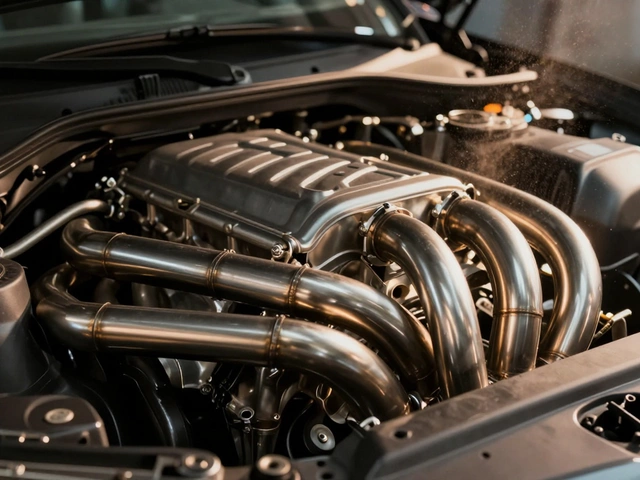
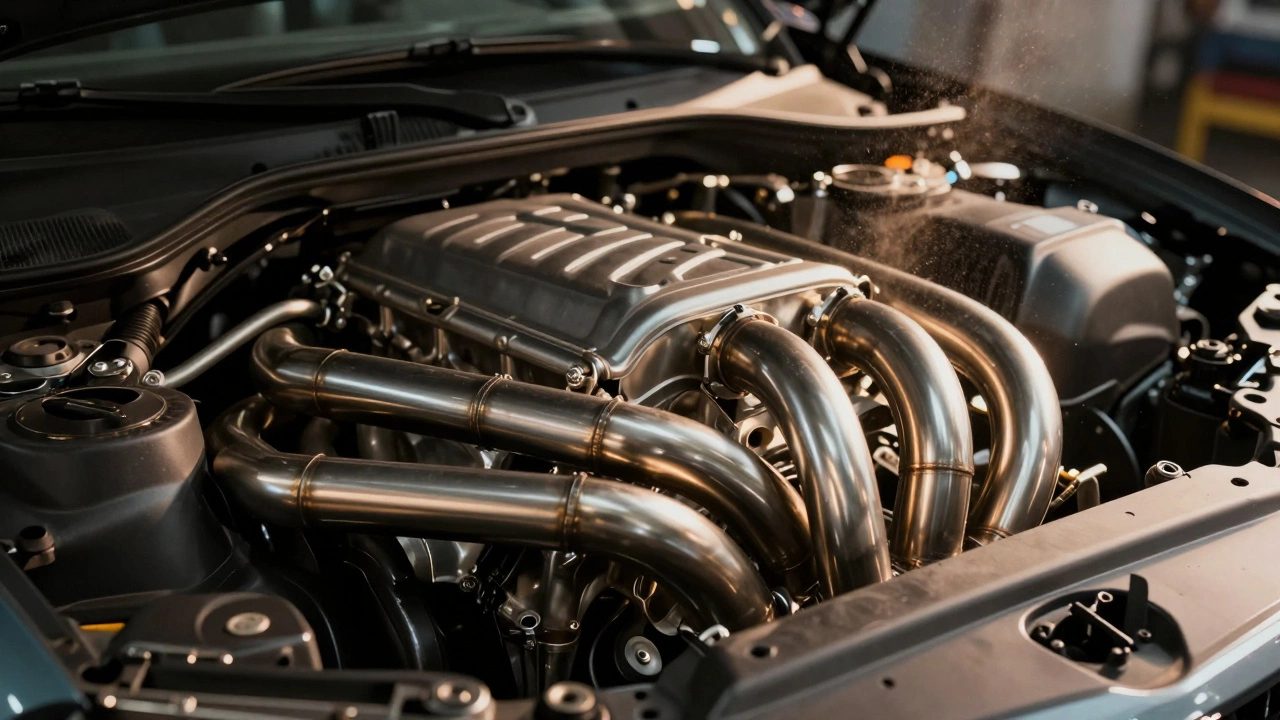
- Header-Back Systems: This goes further forward, replacing the headers (the tubes attached directly to the engine block) along with the rest of the system. Headers are where the biggest power gains live because they improve exhaust scavenging right at the source. However, installation is complex and often requires tuning.
- Muffler Delete / Axle-Back: Replacing just the muffler or the section behind the rear axle. This is cheap and easy but offers minimal performance benefit. It mostly just makes the car louder, often in a tinny, unpleasant way.
- Straight Pipes: Removing all mufflers and resonators. This is illegal in many places, including the UK and US, because it bypasses noise controls. While it might add a fraction of a horsepower, the loss of low-end torque due to lack of backpressure often makes the car feel sluggish in real-world driving.
Material Matters: Steel vs. Titanium vs. Inconel
The metal inside the pipe affects weight, durability, and cost. You aren't just buying a shape; you're buying a material science decision.
| Material | Weight | Durability | Cost | Best For |
|---|---|---|---|---|
| Mandrel-Bent Stainless Steel | Medium | High (if 304 grade) | Affordable | Daily Drivers & Street Cars |
| Aluminized Steel | Heavy | Low (Rusts quickly) | Cheap | Budget Builds / Short Term |
| Titanium | Very Light | Extreme | Expensive | Track Cars & Weight Reduction |
| Inconel | Light | Extreme Heat Resistance | Very Expensive | Drag Racing & High HP Engines |
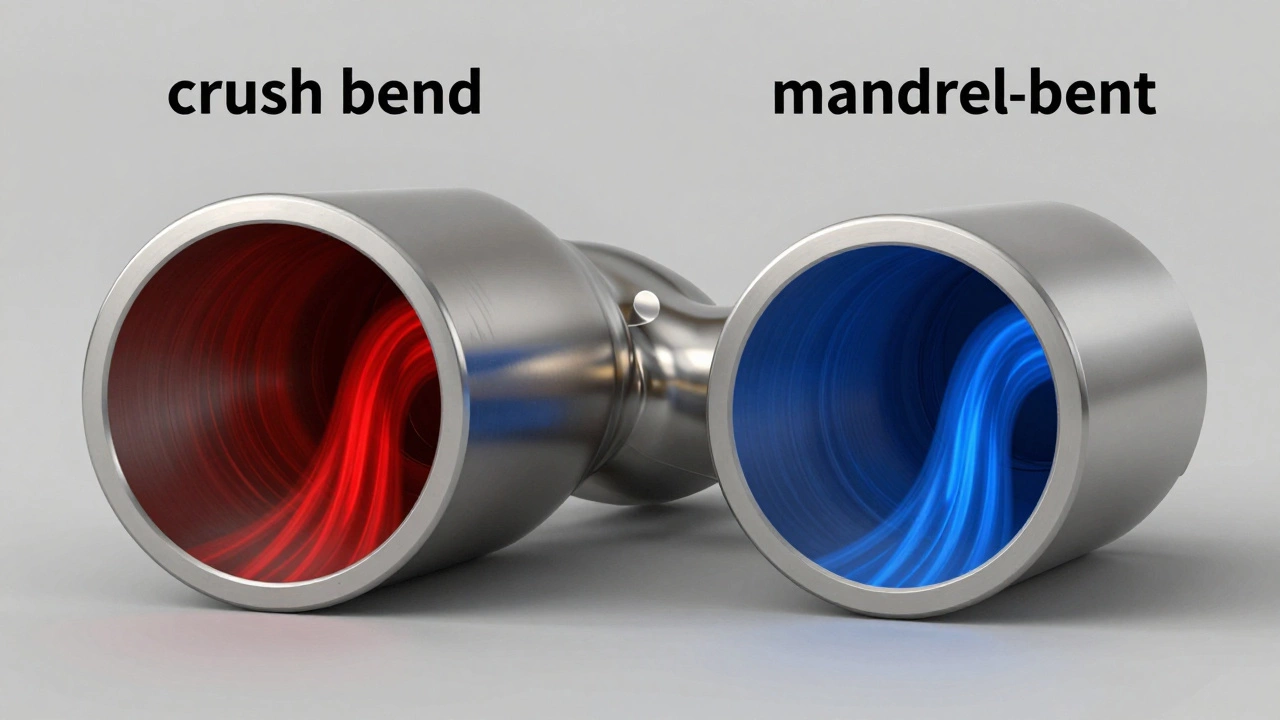
For 90% of enthusiasts, mandrel-bent 304 stainless steel is the sweet spot. "Mandrel-bent" is a crucial term here. It means the pipes were bent around a solid rod, keeping the internal diameter consistent. Cheap exhausts use "crush bends," which pinch the inside of the pipe, creating new bottlenecks that negate any performance benefits. Always check for smooth interiors.
The Sound Spectrum: Resonators vs. Mufflers
This is where most people go wrong. They equate volume with quality. A good exhaust system doesn't just remove restrictions; it manages acoustics. The two main devices doing this work are mufflers and resonators.
A muffler is a device that reduces noise by using chambers and baffles to cancel out sound waves. Traditional glass-pack mufflers use perforated tubes surrounded by packing material. They are effective at killing drone but can restrict flow if packed too tightly. Performance mufflers often use chambered designs or electronic valves to adjust sound levels.
A resonator is a cylindrical chamber designed to cancel specific frequencies, particularly the annoying low-frequency drone felt inside the cabin.. Many budget "performance" systems skip the resonator to save money and increase volume. The result? At 60 mph, your cabin vibrates like a washing machine. If you drive on highways, a system with a tuned resonator is non-negotiable for comfort.
Top Brands and What They Do Well
The market is flooded with options, but a few names consistently deliver reliability and proven results. Here is who stands out in 2026:
- Borla: Known for their ATAK series, Borla focuses heavily on aggressive sound profiles. Their systems are affordable, widely available, and offer a great balance of street-friendly noise and modest power gains. Great for V8 muscle cars and trucks.
- MagnaFlow: They pioneered the free-flowing core technology. MagnaFlow systems are generally quieter than Borla but still deeper than stock. They are excellent for those who want a subtle improvement in sound and reliability without drawing attention.
- Armytrix: A newer player that has disrupted the market with electronic exhaust control. Using Bluetooth apps, you can switch between quiet, sport, and track modes. This solves the "neighborhood problem" perfectly, though the electronics add potential failure points.
- Injen: Strong in the European and turbocharged segment. Their systems are engineered with precise flow dynamics, making them ideal for BMWs, Audis, and other forced-induction vehicles where precise tuning matters.

Installation Pitfalls to Avoid
Even the best exhaust system will fail if installed poorly. Here are the common mistakes that ruin the experience:
- Ignoring Hangers: Never reuse old rubber hangers. They are brittle and cracked. New systems come with fresh hardware. Using old ones leads to rattling noises and eventual sagging pipes scraping against the road.
- Clamp Placement: Flanges should be clamped evenly. Over-tightening one side warps the gasket, causing exhaust leaks. Those leaks create whistling noises that sound terrible and can introduce carbon monoxide into the cabin.
- Tuning Neglect: If you install a header-back system, your Engine Control Unit (ECU) expects certain oxygen sensor readings. Changing the exhaust flow alters these readings. Without a tune, your car may run lean, overheat, or throw error codes. Always consult a professional tuner for major flow changes.
Is It Worth the Money?
Let's talk numbers. A decent cat-back system costs between £300 and £800. Will it add 50 horsepower? No. Realistically, you might see 5 to 10 wheel horsepower gains, depending on the engine. Is that worth £500? For pure performance, probably not. You’d get better bang for your buck from suspension upgrades or tire improvements.
However, the value proposition shifts when you consider sound and aesthetics. The psychological boost of hearing your engine respond crisply is significant. Plus, a clean, polished stainless steel tip under the bumper adds a finished look that stock plastic covers never achieve. If you view the exhaust as an accessory that enhances the driving experience rather than a magic bullet for lap times, the investment pays off immediately.
Does a bigger exhaust pipe always mean more power?
No. In fact, oversized pipes can hurt performance. If the pipe is too large, exhaust gas velocity drops. Low velocity means poor scavenging, especially at low RPMs, resulting in a loss of low-end torque. The pipe size must match the engine's displacement and power band. For example, a 2.0L turbo engine typically performs best with 2.5-inch to 3-inch piping, while a large V8 might need 3.5 inches.
Will an aftermarket exhaust void my warranty?
It depends on the region and the damage. In the UK and EU, manufacturers cannot void your entire warranty simply because you installed an aftermarket exhaust. However, if the exhaust causes engine damage (e.g., by running lean due to improper tuning), they can deny coverage for that specific repair. Always keep records of professional installation and tuning.
What is the difference between a straight pipe and a cat-back?
A cat-back system retains the catalytic converter and usually includes a muffler and resonator, making it legal and street-friendly. A straight pipe removes all restrictions, including the catalytic converter and muffler. Straight pipes are often illegal, extremely loud, and can cause check-engine lights due to missing O2 sensors.
How much horsepower does a cat-back exhaust add?
Typically between 3 and 8 wheel horsepower. The gains are marginal compared to intake or ECU tuning. The primary benefit of a cat-back is improved throttle response and sound, not massive power increases. Significant power gains require upgrading headers and performing an engine tune.
Can I install an exhaust system myself?
Yes, if you have basic mechanical skills, a jack, safety stands, and wrenches. Cat-back systems are generally DIY-friendly. Header-back systems are much harder, requiring removal of heat shields, O2 sensors, and sometimes lifting the engine slightly. If you are unsure, professional installation ensures proper sealing and alignment.