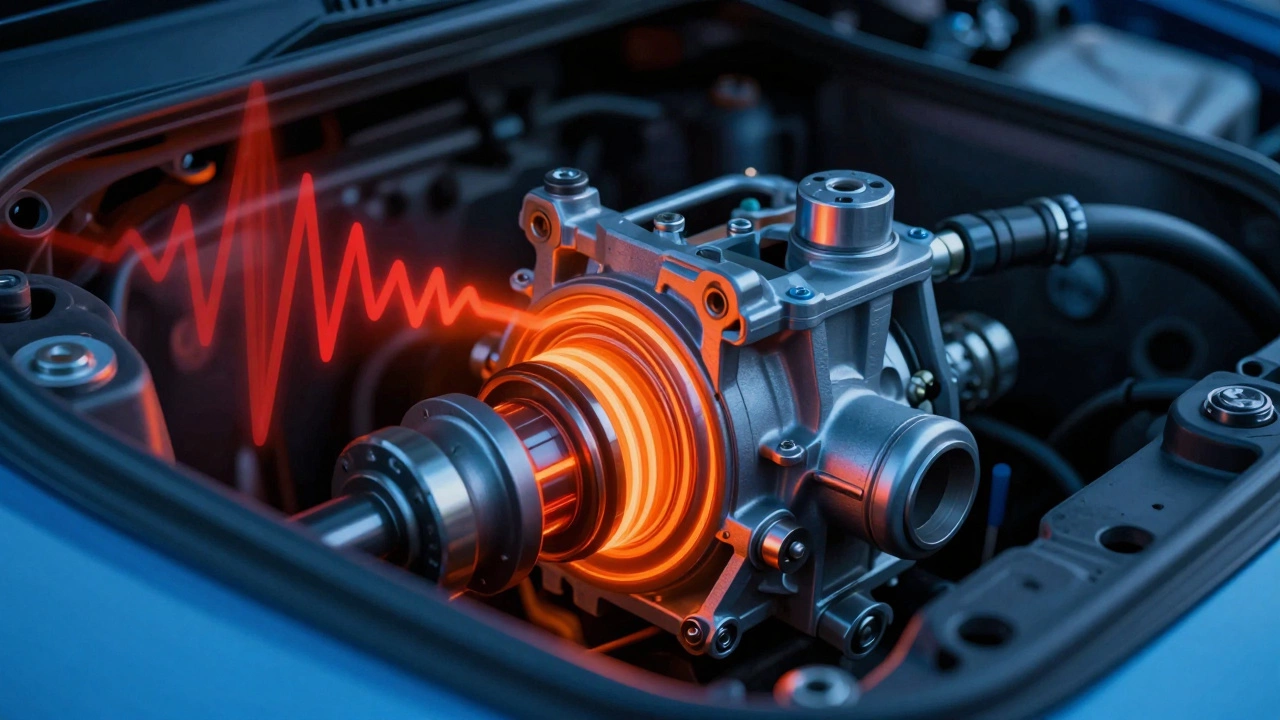
Fuel Pump Diagnostic Checker
Turn the key to the 'ON' position (do not start the engine). Listen carefully near the rear seat area.
The pump is priming, but does it perform correctly while driving?
Loud noises usually indicate internal wear. When is it loudest?
Silence suggests a dead pump or electrical failure.
Diagnostic Result
You turn the key, and instead of the usual smooth idle, your engine sputters. Or maybe you hear a loud, annoying whine coming from the back seat area that wasn't there yesterday. It’s easy to ignore these noises until the car refuses to start entirely. But knowing what a fuel pump sounds like when it’s dying can save you from being stranded on the side of the road.
A healthy fuel pump is surprisingly quiet. You might hear a faint hum for two seconds after turning the ignition to 'on,' but that’s it. When things go wrong, the sound changes drastically. It shifts from silence or a soft buzz to a loud whine, a high-pitched squeal, or even complete silence when there should be a hum. Understanding these audio cues is your first line of defense against a costly breakdown.
The Healthy Baseline: What Normal Sounds Like
Before we dive into the bad noises, you need to know what normal is. Most modern cars use an electric fuel pump located inside the fuel tank. This placement helps keep the pump cool and prevents vapor lock. When you turn the key to the 'on' position (but don't start the engine), the pump primes itself. You should hear a low, steady hum or buzz for about one to three seconds. Once the engine starts, this sound usually fades into the background noise of the exhaust and wind.
If you sit in your car with the windows up and the engine off, and you hear absolutely nothing when you turn the key to 'on,' that is already a red flag. However, some newer vehicles have sound-deadening materials so thick that you might not hear the prime cycle at all. In those cases, you rely more on performance issues than audio cues. But for most drivers, especially in older or performance vehicles, that initial hum is the heartbeat of your fuel delivery system.
The Loud Whine: The Most Common Warning Sign
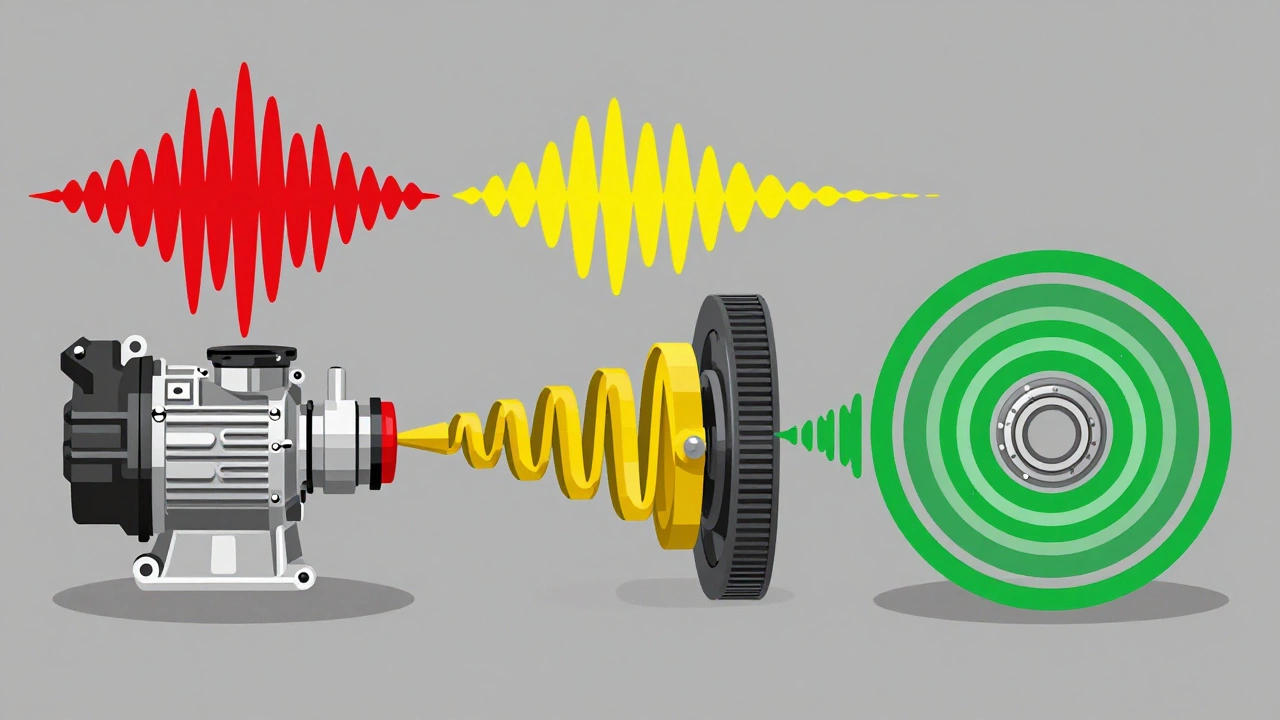
The most distinct sound of a failing fuel pump is a loud, rising whine. Imagine a vacuum cleaner running empty or a dentist's drill spinning up. This noise typically comes from the rear of the vehicle, near where the gas tank sits. As the pump wears out, its internal bearings degrade. Friction increases, causing the motor to spin less efficiently and create more noise.
This whine often gets louder under acceleration. When you press the gas pedal, the engine demands more fuel. The struggling pump has to work harder to meet that demand, causing the pitch and volume of the whine to spike. If you notice this noise getting progressively louder over weeks or months, the pump is likely nearing the end of its life. Ignoring this stage usually leads to the next phase: power loss.
Squealing and Screeching: Impending Failure
If the whine escalates into a high-pitched squeal or screech, the situation is urgent. This sound indicates severe wear on the pump's impeller or motor shaft. Metal-on-metal friction is occurring, which generates heat. Since the pump is submerged in fuel, this heat can cause the surrounding gasoline to vaporize prematurely, leading to vapor lock. Vapor lock means the fuel turns to gas before it reaches the engine, causing stalling and hard starting.
A screeching fuel pump often happens intermittently. You might hear it only when the fuel tank is low. Why? Because the pump relies on the fuel around it for cooling. When the tank is nearly empty, the pump may draw in air bubbles or run hotter than designed, exacerbating the wear. If you hear a screech, do not wait. Replace the pump immediately to avoid catastrophic failure.
Silence: The Scariest Symptom
Paradoxically, the absence of sound can be worse than noise. If you turn the key to 'on' and hear nothing-no hum, no buzz, no whine-the pump may have completely failed. Electrical issues are also a possibility here. A blown fuse, a faulty relay, or a broken wire can cut power to the pump. Before assuming the pump itself is dead, check the fuel pump fuse in your fuse box. Look for a melted filament. Also, listen for a clicking sound from the relay box; if you hear clicks but no hum, the electrical signal is reaching the pump, but the pump isn't responding.
Total silence combined with a no-start condition is a classic sign of a dead fuel pump. Tapping the top of the fuel tank with a rubber mallet is an old mechanic's trick. Sometimes, the vibration frees a stuck impeller, allowing the car to start temporarily. This is not a fix; it's a diagnostic test. If tapping makes the car start, the pump is mechanically seized and needs replacement.
Other Symptoms Beyond Noise
Sound is just one piece of the puzzle. A failing fuel pump often presents other symptoms that confirm the diagnosis. Here are the key signs to watch for:
- Hesitation or Surging: The car feels like it's running out of steam while driving uphill or accelerating onto a highway. Then, suddenly, it surges forward. This inconsistency means the pump cannot maintain steady pressure.
- Engine Stalling at High Speeds: If the car dies while you're cruising on the motorway, the pump likely failed to deliver enough fuel during high demand. This is dangerous and requires immediate attention.
- Difficulty Starting: The engine cranks but won't catch. You might need to crank it for 10-15 seconds before it fires up. This suggests the pump is too weak to build sufficient pressure quickly.
- Loss of Power Under Load: Towing a trailer or carrying heavy loads puts extra strain on the engine. If the car struggles disproportionately under these conditions, the fuel pump may be unable to keep up.
Distinguishing Fuel Pump Noises from Other Issues
Not every weird noise is a fuel pump problem. Misdiagnosis can lead to unnecessary repairs. Here’s how to tell the difference:
| Noise Type | Source | Characteristics |
|---|---|---|
| Loud Whine from Rear | Fuel Pump | Rises with RPM, located near gas tank |
| Squeal from Front | Serpentine Belt | Happens on startup, goes away when engine warms up |
| Clicking/Ticking | Valves or Lifters | Rhythmic, synchronized with engine speed |
| Buzzing from Dashboard | Electrical/Relay | Constant, unrelated to engine load |
| Rumbling from Wheels | Wheel Bearings | Changes with steering direction, constant speed |
If the noise comes from the front of the car and disappears after a few seconds of driving, it’s likely your serpentine belt or alternator, not the fuel pump. If the noise is rhythmic and tied directly to engine RPM regardless of load, it could be internal engine components like valves or injectors. Always isolate the source by location and timing.
Why Do Fuel Pumps Fail?
Fuel pumps don’t usually fail without reason. Several factors contribute to their demise. First, running the tank on empty too often. The fuel cools the pump. When the level drops below a quarter tank, the pump runs hotter, accelerating wear. Second, contaminated fuel. Dirt, rust, or water in the tank can clog the pump’s filter or damage the impeller. Third, age. Most fuel pumps last between 80,000 and 100,000 miles. After that, mechanical fatigue sets in.
In Bristol, where winters can be damp and roads salty, corrosion in the fuel lines or tank can introduce debris into the system. Regular maintenance, including replacing the fuel filter (if your car has an external one), can extend the life of the pump significantly. Ignoring a clogged filter forces the pump to work harder, increasing heat and noise.
When to Replace vs. Repair
Fuel pumps are rarely repaired; they are replaced. The cost of labor to remove, clean, and rebuild a pump often exceeds the price of a new unit. Additionally, rebuilt pumps may not match the reliability of OEM (Original Equipment Manufacturer) parts. If you’ve confirmed the pump is noisy or silent, replacement is the only viable option.
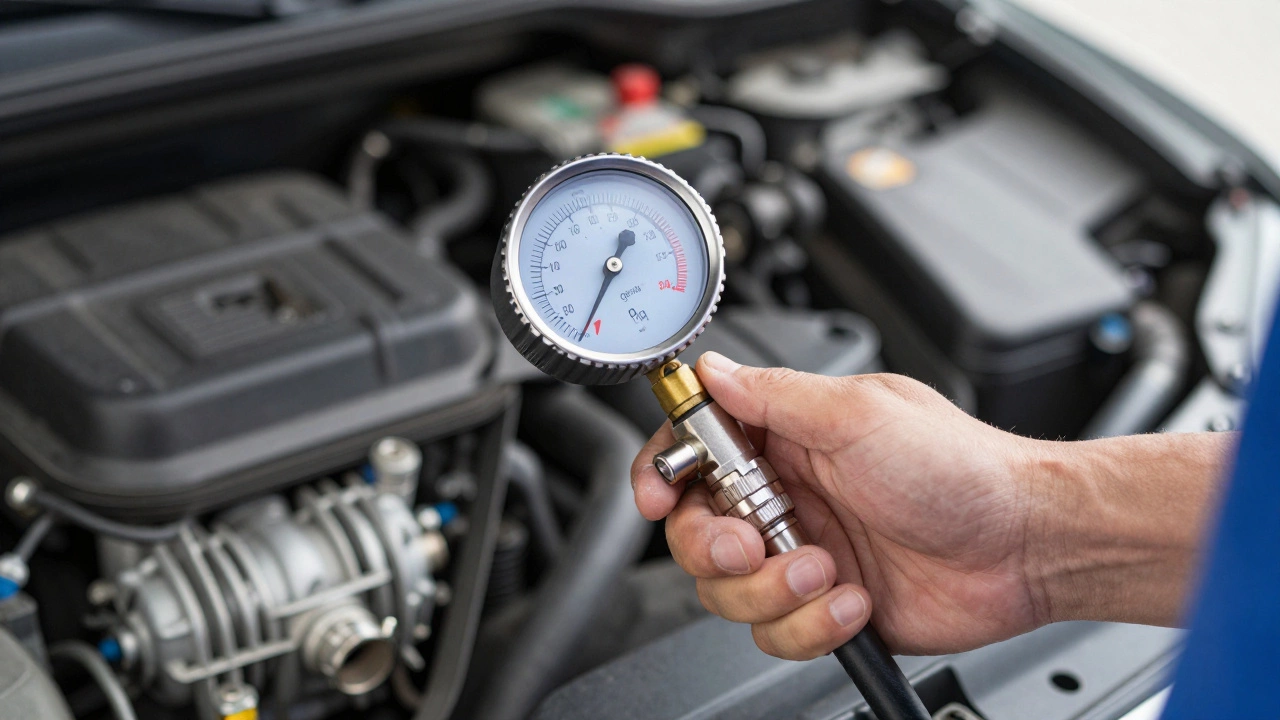
However, before buying a new pump, verify the issue. Use a fuel pressure gauge to check the output. Connect it to the fuel rail test port. Turn the key to 'on' and read the pressure. Compare it to the manufacturer’s specifications found in your service manual. If the pressure is low or drops rapidly when the engine is running, the pump is defective. If the pressure is normal, look elsewhere-perhaps a clogged fuel filter or a failing fuel pressure regulator.
Preventative Tips for Longevity
Want to avoid hearing that dreaded whine? Follow these simple habits:
- Keep the Tank Above a Quarter Full: This ensures the pump stays submerged and cool.
- Use Quality Fuel: Avoid stations known for poor maintenance or contamination.
- Replace the Fuel Filter Regularly: Check your owner’s manual for intervals. Typically, every 30,000 to 60,000 miles.
- Address Electrical Issues Promptly: Corroded connectors or weak batteries can cause voltage spikes that damage the pump motor.
These steps seem minor, but they make a huge difference in the lifespan of your fuel system. A proactive approach saves money and stress down the line.
Can a bad fuel pump cause my car to shake?
Yes, indirectly. If the fuel pump cannot deliver consistent pressure, the engine may misfire. Misfires cause vibrations that feel like shaking. However, shaking is more commonly associated with engine mounts, spark plugs, or wheel balance. If you suspect the fuel pump, check for hesitation and whining noises alongside the shaking.
How much does it cost to replace a fuel pump?
Costs vary widely depending on the vehicle. For a standard sedan, expect to pay between £300 and £600 including labor. Luxury or performance vehicles can exceed £1,000 due to the complexity of accessing the pump. Always get multiple quotes from local garages in Bristol to find a fair price.
Is it safe to drive with a noisy fuel pump?
It is not recommended. A noisy pump indicates wear that will worsen. Driving with it risks sudden failure, leaving you stranded. If the noise is mild and the car performs normally, you might have a few days or weeks, but monitor it closely. If the noise is loud or accompanied by power loss, stop driving and seek repair immediately.
Does a bad fuel pump affect fuel economy?
Yes. If the pump delivers inconsistent pressure, the engine computer may compensate by injecting more fuel to maintain performance. This leads to richer mixtures and lower MPG. Conversely, if the pump fails to deliver enough fuel, the engine runs lean, which can cause overheating and long-term damage.
Can I test the fuel pump myself?
You can perform basic tests. Listen for the prime hum. Check the fuse. Tap the tank to see if it starts. For accurate testing, you need a fuel pressure gauge and a multimeter to check voltage at the pump connector. If you are not comfortable with these tools, visit a professional mechanic. Incorrect testing can damage the electrical system.