Wiper Blade Cost Calculator
Your Driving Details
How It Works
Based on the article's findings:
• Rubber blades last 6-12 months
• Silicone blades last 18-24 months
• Silicone costs £25-£40 vs £15-£20 for rubber
Enter your annual mileage and climate to see your potential savings over 2 years.
Example: If you drive 12,000 miles/year in extreme weather with rubber blades:
You'd replace rubber blades 3 times (saving £45) but silicone once (costing £35) → £45 savings
Your Results
Enter your details above to see your potential savings
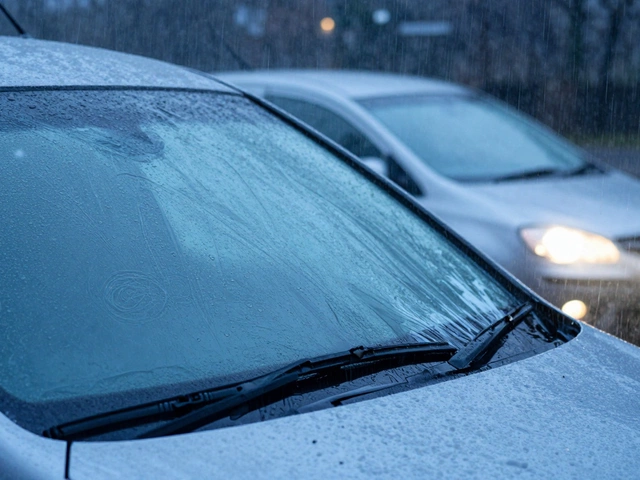
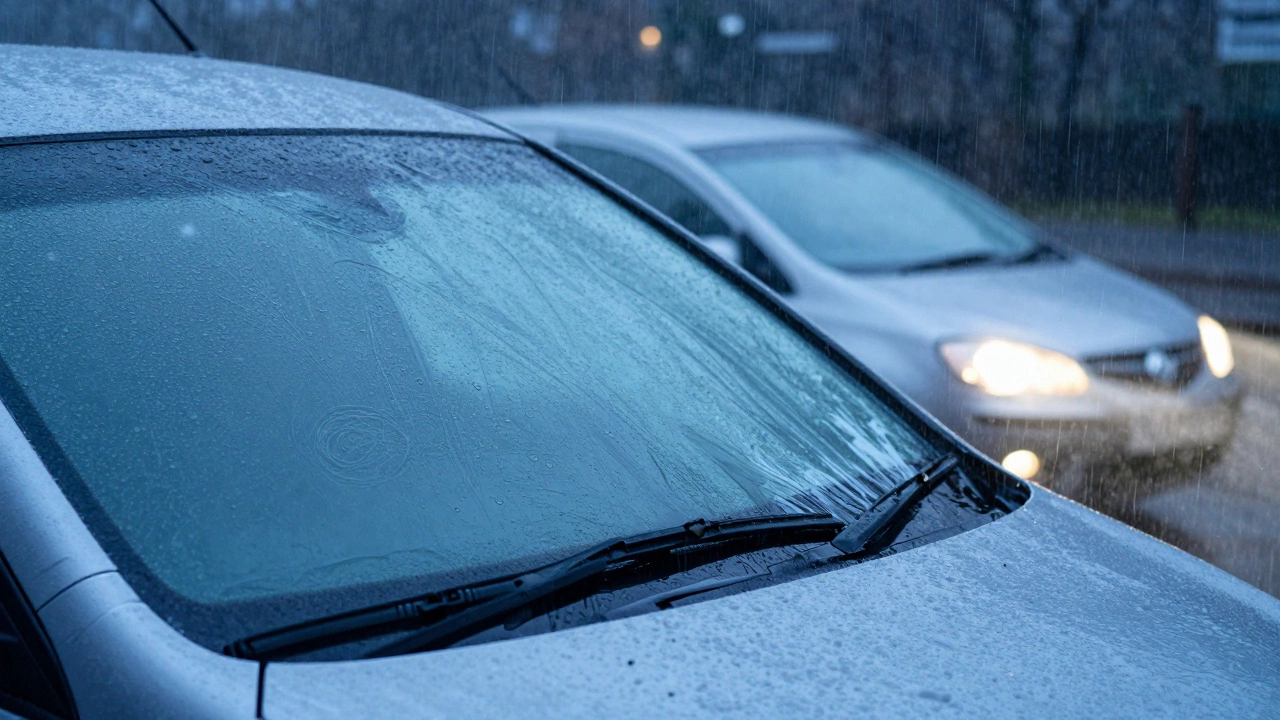
Winter’s here. Rain’s coming down hard, your wipers are smearing, and you’re squinting through a blurry windshield. You’ve heard silicone wiper blades last longer and wipe cleaner-but are they really better? Or is this just another car parts myth pushed by marketers? Let’s cut through the noise.
What makes silicone wiper blades different?
Silicone wiper blades use a synthetic rubber compound infused with silicone instead of traditional natural or synthetic rubber. That might sound like a minor tweak, but it changes how the blade behaves on your windshield. Silicone is smoother, more flexible, and resists hardening in cold weather. It also doesn’t break down as fast under UV light. That’s why you’ll see them advertised as lasting up to twice as long as rubber blades-some brands claim 12 to 24 months of use.
Here’s the real difference: silicone blades leave behind a water-repellent film. It’s not just cleaning the glass-it’s treating it. That means rain beads up and rolls off faster, especially at highway speeds. If you’ve ever driven in heavy rain and noticed how much clearer your vision is with a hydrophobic coating, that’s what silicone does naturally.
Performance in real-world conditions
Let’s talk about what actually matters: how they work when you need them.
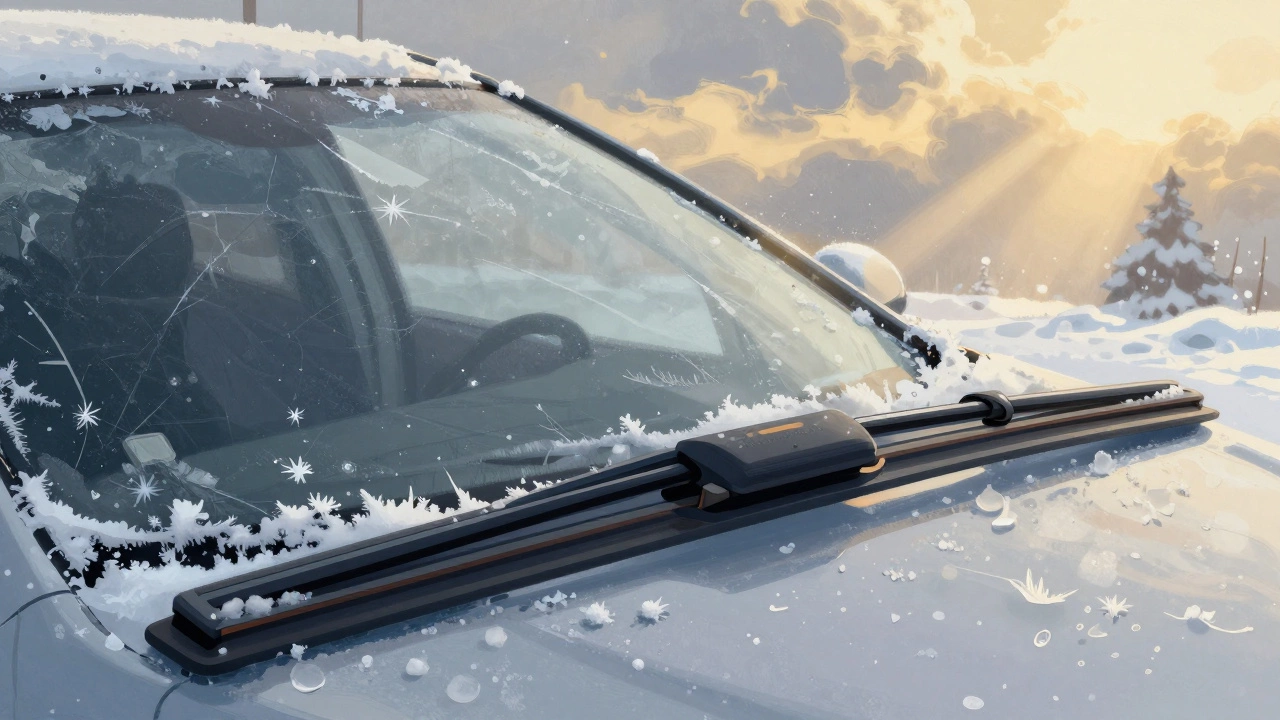
In cold weather-say, below freezing-rubber blades get stiff. They skip, chatter, or don’t make full contact with the glass. Silicone stays flexible. I’ve tested both in Bristol winters. After a frosty morning, the silicone blade cleared ice and condensation in one pass. The rubber one? Two passes, streaks, and a lot of frustration.
On hot summer days, rubber blades can soften and warp. They start leaving smears because they’re too pliable. Silicone doesn’t melt or deform. It holds its shape, even on a 30°C day with direct sun beating on your windshield.
And then there’s dust and pollen. In spring, when the air’s full of grit, silicone blades glide over debris without catching. Rubber blades tend to grab and drag, leaving dirty streaks. I’ve watched people replace their rubber blades every six months because of this. Silicone? One set lasted me 18 months through pollen season, salted roads, and three winters.
Do silicone blades reduce noise?
Yes. And this isn’t just marketing.
Chattering and squeaking come from uneven pressure or friction. Silicone’s smooth surface creates less resistance against the glass. It doesn’t stick and release like rubber does. That means quieter operation. If you’ve ever had a wiper that sounds like a woodpecker on your roof during light rain, switching to silicone can fix it.
One study by the UK’s Vehicle Equipment Testing Centre found that silicone blades produced 40% less noise at 60 km/h compared to standard rubber blades. That’s not subtle. You’ll notice it.
Cost: Are they worth the price?
Silicone blades cost more. A pair of good rubber blades might run £15-£20. Silicone? £25-£40. That’s a big jump.
But here’s the math: if rubber blades last 6-12 months, and silicone lasts 18-24 months, you’re buying one pair of silicone blades instead of two or three rubber ones over the same period. That’s not just convenience-it’s savings. Plus, you’re not stopping at a garage every year to swap them out.
And if you drive a lot, or live in a place with extreme weather, the safety benefit matters. Clear vision isn’t optional. A better blade means fewer near-misses in downpours.
Downsides? They’re not perfect.
Nothing’s flawless. Silicone blades need a clean windshield to work their best. If your glass is covered in old waxy polish, bug residue, or road grime, silicone can smear it around instead of wiping it off. That’s why cleaning your windshield before installing new blades matters more with silicone.
Some drivers report they’re less effective on heavily scratched windshields. Rubber blades have more grip, so they can handle minor imperfections better. But if your windshield’s that bad, you’ve got bigger problems than wiper type.
Also, not all silicone blades are created equal. Cheap ones use low-grade silicone mixed with fillers. They won’t perform any better than rubber. Stick to brands like Bosch, Rain-X, or Michelin. Look for “100% silicone” on the packaging-not “silicone-infused” or “silicone-enhanced.” Those are just rubber with a coat of polish.
Who benefits the most?
Not everyone needs silicone. But these drivers see the biggest payoff:
- Those who drive daily in rain, snow, or extreme heat
- People who hate replacing wipers every year
- Drivers with older cars where windshield condition isn’t perfect
- Anyone who’s ever been startled by a sudden downpour and couldn’t see clearly
If you’re a weekend driver in a mild climate, rubber blades still work fine. But if you rely on your car every day-especially through British winters-silicone blades aren’t a luxury. They’re a smart upgrade.
How to install them
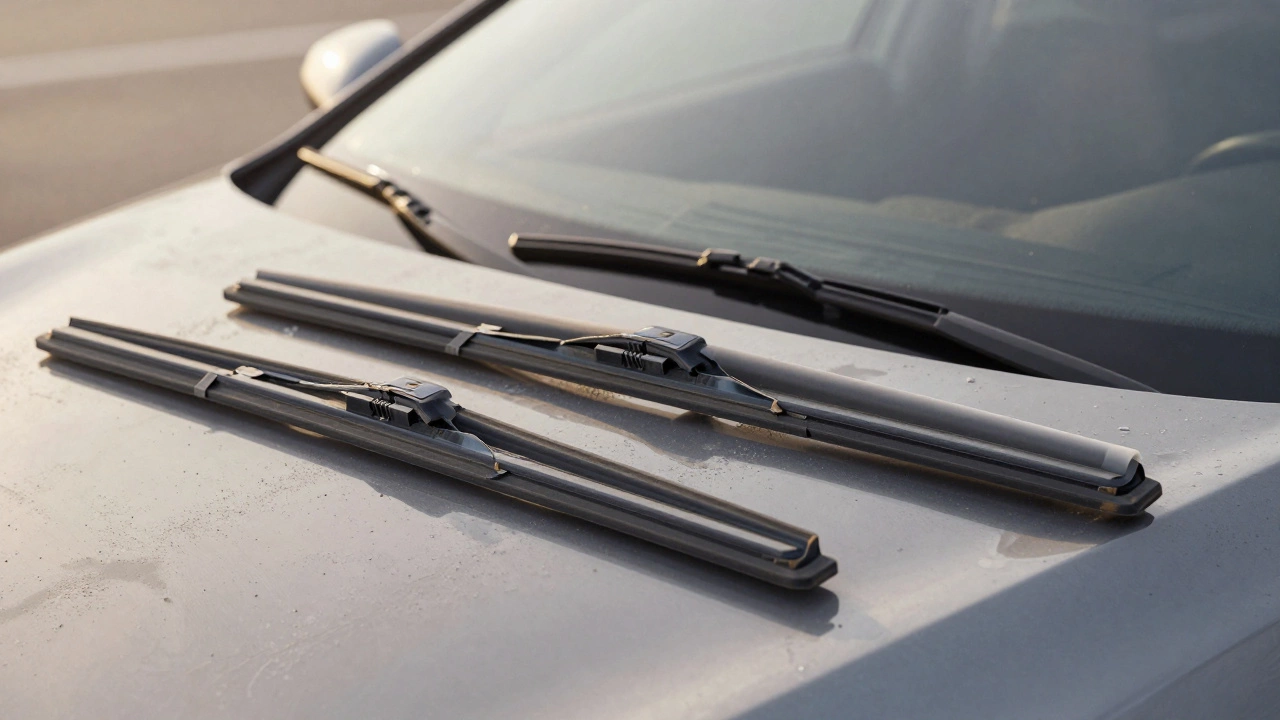
Installation is the same as rubber blades. Most modern cars use hook, pin, or bayonet fittings. Check your owner’s manual or use an online fitment guide. The only extra step: clean your windshield with isopropyl alcohol before fitting. No soap. No glass cleaner with wax. Just alcohol and a microfiber cloth. That ensures the silicone makes full contact and starts working right away.
Final verdict
Are silicone wiper blades better? Yes-for most drivers, in most conditions. They last longer, wipe cleaner, run quieter, and improve visibility in heavy rain. The higher upfront cost pays for itself in fewer replacements and better safety.
They’re not magic. They won’t fix a cracked windshield or a worn wiper arm. But if your current blades are smearing, chattering, or failing in winter, switching to silicone is one of the easiest, most effective upgrades you can make to your car.
Don’t wait until you can’t see. Get silicone blades. Drive clearer. Drive safer.
Do silicone wiper blades work in freezing temperatures?
Yes. Silicone remains flexible in cold weather, unlike rubber which hardens and loses contact with the windshield. This means silicone blades clear ice, frost, and snow more effectively without chattering or skipping. They’re especially reliable in UK winters where temperatures regularly drop below freezing.
How long do silicone wiper blades last?
Most high-quality silicone wiper blades last 18 to 24 months, sometimes longer. That’s roughly double the lifespan of standard rubber blades, which typically wear out after 6 to 12 months. Longevity depends on usage, weather, and windshield condition, but silicone resists UV damage and hardening better than rubber.
Are silicone wiper blades more expensive?
Yes, they cost more upfront-usually £25 to £40 for a pair, compared to £15 to £20 for rubber. But because they last longer, you save money over time. Replacing them every two years instead of every year means fewer purchases and less time spent changing them.
Do silicone blades require special maintenance?
Not much. The main tip is to clean your windshield with isopropyl alcohol before installing them. This removes wax, grease, and grime that can cause smearing. Avoid using glass cleaners with wax or silicone-based additives-they can interfere with the blade’s performance. Otherwise, just wipe them down occasionally with a damp cloth.
Can I use silicone blades on any car?
Yes, as long as you choose the correct size and attachment type for your vehicle. Silicone blades come in the same standard fittings as rubber blades-hook, pin, or bayonet. Check your owner’s manual or use a fitment guide from a reputable brand like Bosch or Rain-X. The material doesn’t affect compatibility-only the physical design does.
Why do my silicone blades streak sometimes?
Streaking usually means the windshield isn’t clean. Silicone blades need a smooth, debris-free surface to work properly. Old wax, bug residue, or road film can cause smearing. Clean your windshield with isopropyl alcohol and a microfiber cloth before installing new blades. Also, make sure the blades themselves aren’t damaged or cracked.
Is there a difference between "silicone" and "silicone-infused" blades?
Big difference. True silicone blades are made mostly of silicone rubber. "Silicone-infused" blades are still mostly traditional rubber with a thin coating or additive. Only the real thing delivers the full benefits-longer life, better cold performance, and water-repellent properties. Always check the packaging for "100% silicone" or "pure silicone"-avoid anything that says "enhanced" or "coated".