Oil Change Risk Calculator
Are you overdue for an oil change? Use this calculator to assess the risk level based on your oil type and driving conditions.
Recommendation:
You see the dashboard light or check your app, and it says you are 1,000 miles past your scheduled oil change. Your heart skips a beat. Is your engine already ruined? Do you need to tow the car to the shop immediately? The short answer is no. For most modern vehicles, being 1,000 miles overdue is not an emergency. It is, however, a signal that you should plan for service soon.
Understanding why this happens and what actually occurs inside your engine during those extra miles can save you from unnecessary panic and expensive repairs. Let’s break down the science of oil degradation, the difference between synthetic and conventional oils, and when you should actually worry.
What Happens Inside Your Engine After the Interval?
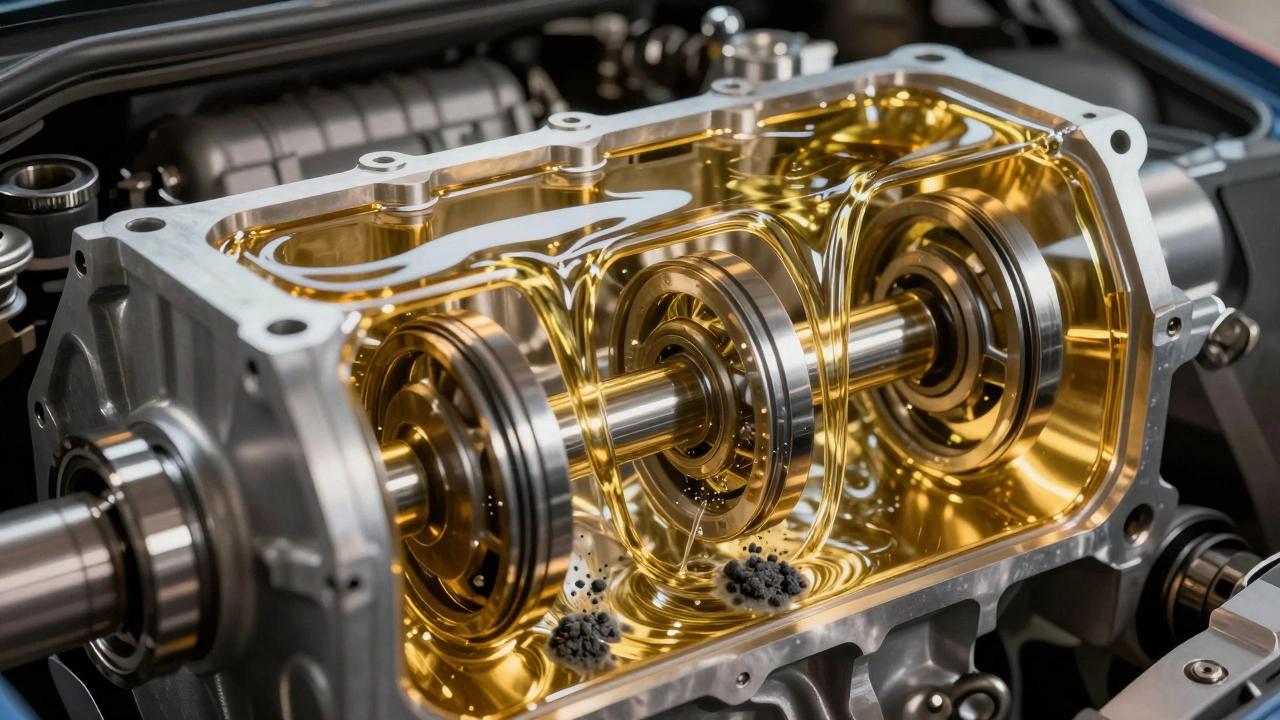
When manufacturers set an oil change interval-say, every 5,000 or 7,500 miles-they aren’t guessing. They are building in a safety buffer. Engine oil doesn’t just vanish; it degrades. Over time, heat, pressure, and combustion byproducts break down the chemical structure of the oil.
At the 1,000-mile mark past your limit, two main things have likely happened:
- Additive Depletion: Modern oil contains detergents and dispersants that keep contaminants suspended so they don’t stick to engine parts. By mile 6,000 (if your interval was 5,000), these additives are working overtime but are still functional.
- Viscosity Changes: The oil may be slightly thinner or thicker than ideal due to shear stress or fuel dilution, but it hasn’t lost its ability to lubricate critical components like camshafts and crank bearings.
Think of it like milk. If the expiration date is tomorrow, the milk isn’t spoiled today. It’s still safe to drink, though you should use it soon. Similarly, oil that is 1,000 miles overdue is still protecting your engine, but its effectiveness is on a downward slope.
Synthetic vs. Conventional: Does It Matter?
The type of oil in your tank changes the stakes significantly. This is where many drivers get confused because marketing often blurs the lines between "conventional" and "synthetic blend" or "full synthetic."
| Oil Type | Typical Interval | Tolerance for Overdue | Best Use Case |
|---|---|---|---|
| Conventional | 3,000 - 5,000 miles | Low (Change ASAP) | Older cars, low mileage |
| Synthetic Blend | 5,000 - 7,500 miles | Moderate | Towing, moderate driving |
| Full Synthetic | 7,500 - 10,000+ miles | High (Safe up to 2k over) | Modern engines, extreme temps |
If you are using full synthetic oil, which is standard in most cars built after 2015, a 1,000-mile overrun is negligible. Synthetic oil is engineered with uniform molecules that resist breakdown much better than crude-based conventional oil. You could realistically push another 2,000 miles without significant risk, provided you aren’t driving in extreme conditions.
If you are using conventional oil, the margin for error is smaller. Conventional oil breaks down faster under high heat. Being 1,000 miles past a 3,000-mile interval (33% over) is more concerning than being 1,000 miles past a 10,000-mile interval (10% over). In this case, schedule the appointment this week.
Severe Driving Conditions: The Hidden Accelerant
Your owner’s manual usually lists two intervals: "Normal Service" and "Severe Service." Most people ignore the severe category, assuming they drive normally. But what counts as "severe" is broader than you might think.
Severe driving includes:
- Frequent short trips (under 5 miles) where the engine never fully warms up.
- Stop-and-go city traffic.
- Towing heavy loads or carrying roof racks with cargo.
- Driving in extreme dust, dirt, or very hot/cold climates.
If you fall into the severe category, your oil degrades twice as fast. Water vapor from cold starts mixes with the oil, creating emulsions that reduce lubrication. Dust bypasses filters and abrades engine surfaces. In these scenarios, being 1,000 miles overdue means your oil quality has dropped significantly faster than the clock suggests. You should treat this as a priority, not an option.
Signs Your Oil Needs Immediate Attention
While 1,000 miles is generally safe, your car might tell you otherwise. Don’t rely solely on mileage; listen to your vehicle. Here are the red flags that mean you shouldn’t wait even one more mile:
- Dark, Smoky Exhaust: If your tailpipe emits blue or gray smoke, you might be burning oil. This indicates a leak or seal issue that needs immediate diagnosis.
- Grinding or Knocking Noises: Clean oil dampens noise. Dirty, thin oil allows metal-on-metal contact. Any new knocking sound from the engine bay is a serious warning.
- Oil Warning Light: If the amber oil can light stays on while driving, pull over immediately. This indicates low pressure, not just dirty oil. Driving with low pressure destroys engines in minutes.
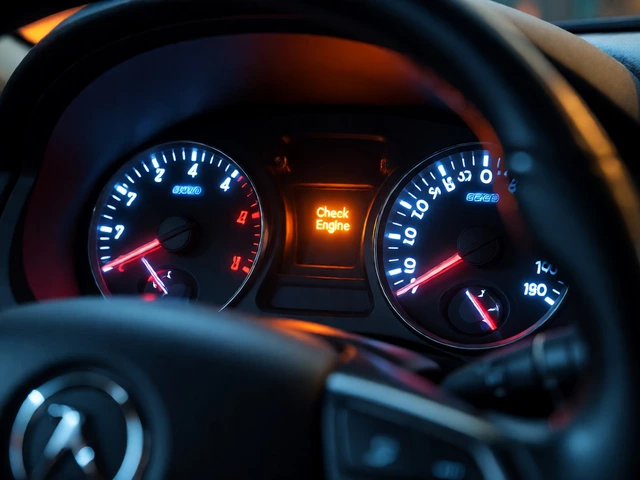
- Check Engine Light: Sometimes, oil-related issues trigger broader sensor errors. If this light comes on alongside poor performance, get it scanned.
If none of these symptoms are present, your engine is likely fine. The absence of noise and warning lights is a good indicator that the remaining oil life is sufficient for daily commuting.
The Myth of Sludge Buildup
Many mechanics will tell you that old oil turns into "sludge," a thick, tar-like substance that clogs oil passages. This is true, but it takes time. Sludge typically forms when oil is neglected for thousands of miles beyond the interval, or when water contamination is severe.
Being 1,000 miles overdue does not create instant sludge. However, if you regularly skip changes by large margins, sludge accumulates gradually. Once it blocks the oil pump pickup screen, the engine starves of lubrication and seizes. This is catastrophic failure. The key is consistency. One instance of being 1,000 miles late won’t cause sludge. Habitual neglect will.
How to Reset Your Mindset on Maintenance
Instead of panicking over exact numbers, adopt a proactive approach. Modern cars have Oil Life Monitors (OLM) that calculate remaining life based on driving habits, temperature, and engine load. These systems are far more accurate than fixed mileage counters.
If your OLM says 10% left, you probably have 500-800 miles of useful life remaining, depending on your car. If you’re using a fixed mileage reminder, add a 10% buffer to your mental schedule. If your interval is 5,000 miles, aim to change it at 4,500. This ensures you never face the stress of being overdue.
Also, consider the cost-benefit analysis. An oil change costs between $40 and $100. A major engine repair due to neglect costs $3,000 to $8,000. The math is simple. Regular maintenance is insurance. Being 1,000 miles late is a minor lapse in discipline, not a death sentence for your car, but don’t make it a habit.
What To Do Right Now
If you are reading this and realizing you are 1,000 miles past your change, here is your action plan:
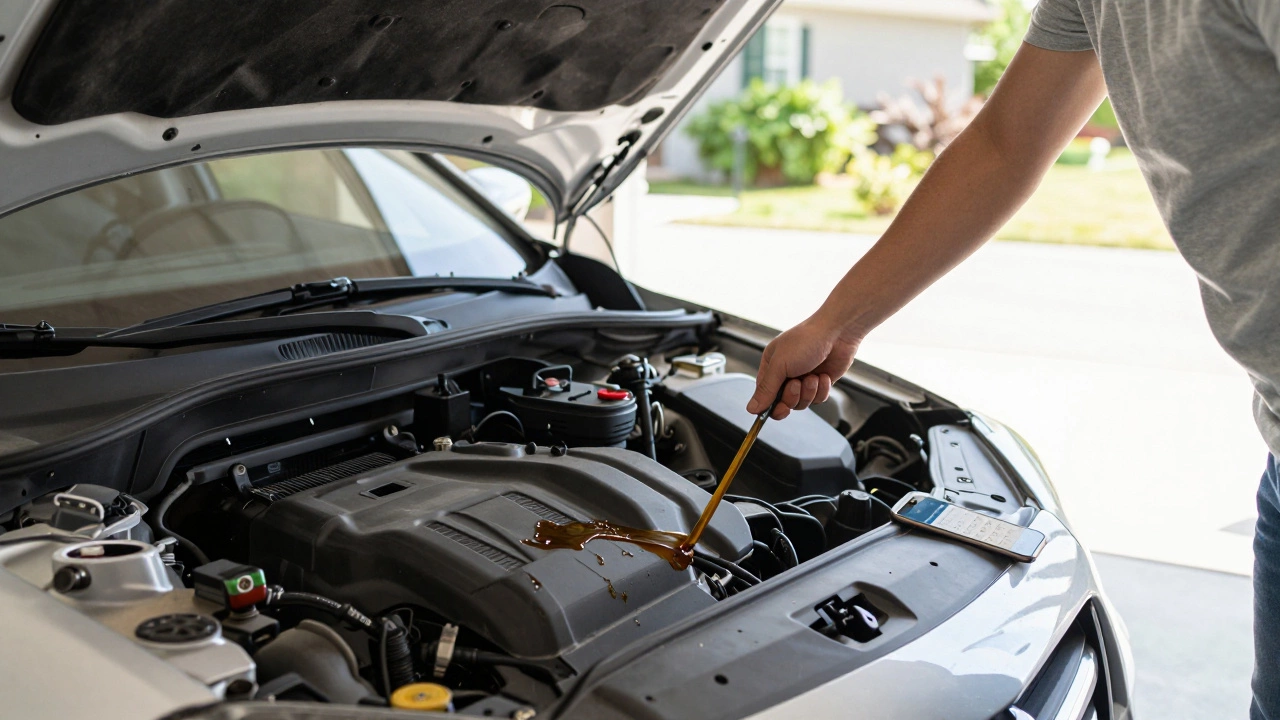
- Check Your Dipstick: Ensure the oil level is within the "full" range. Low levels combined with old oil increase wear.
- Inspect the Color: Pull the dipstick. If the oil is black but flows smoothly, it’s just dirty. If it looks milky or has a coffee-ground texture, go to a mechanic immediately.
- Schedule Service: Book an appointment for within the next 500 miles. Don’t wait until you hit 2,000 miles overdue.
- Drive Gently: Avoid hard acceleration and towing until the oil is fresh. Reduce stress on the engine while the lubricant is degraded.
Remember, your engine is a complex machine designed to last hundreds of thousands of miles. It has tolerances for human error. A 1,000-mile slip-up is part of real-life ownership. Acknowledge it, fix it, and move on. Just don’t let it become the norm.
Will my void warranty if I am 1,000 miles past an oil change?
No, being slightly overdue does not automatically void your warranty. Manufacturers require you to follow the maintenance schedule, but they also account for reasonable variances. However, if your engine fails and the dealer finds severely neglected oil records, they may deny the claim. Keep receipts showing you stay close to the recommended intervals to protect yourself.
Can I top off my oil instead of changing it if I'm late?
Topping off only addresses low volume, not oil quality. Old oil loses its cleaning agents and viscosity stability. Adding fresh oil to dirty oil creates a mix that is still compromised. Topping off is a temporary fix for leaks, not a substitute for a change. You must drain and replace the oil to remove contaminants.
Does highway driving extend oil life compared to city driving?
Yes. Highway driving keeps the engine at optimal operating temperatures, which burns off moisture and fuel dilution. City driving involves frequent idling and short trips, which cool the engine too quickly and allow contaminants to accumulate faster. If you mostly drive on highways, you can often stretch your oil change interval closer to the maximum recommended limit.
How do I know if my oil filter is clogged?
A clogged oil filter restricts flow, leading to low oil pressure. Signs include the oil pressure warning light illuminating, unusual engine noises (whining or ticking), and reduced performance. Always replace the oil filter with every oil change. A cheap filter can cause expensive damage if it fails to bypass debris properly.
Is it safe to drive 2,000 miles past an oil change?
It depends on the oil type and driving conditions. With full synthetic oil and normal driving, 2,000 miles overdue is risky but unlikely to cause immediate failure. With conventional oil or severe driving conditions, 2,000 miles overdue significantly increases wear and tear. It is best to avoid exceeding the interval by more than 10-15%.