Engine Oil Risk & Cost Calculator
Your dashboard warning light isn't just a suggestion; it's a distress signal. When your car needs engine oil, you aren't dealing with a minor inconvenience. You are facing a mechanical emergency that can turn into a catastrophic failure within minutes. Ignoring the need for fresh engine oil is one of the fastest ways to destroy a modern engine.
We often treat oil changes like an annual chore, similar to getting a flu shot. But inside your engine, oil is the lifeblood. It doesn't just reduce friction; it cools critical components, cleans sludge, and seals gaps between moving parts. When that oil runs out or degrades, the metal-to-metal contact begins immediately. This article breaks down exactly what happens inside your engine when it starves for oil, how to spot the warning signs before they become sirens, and why waiting too long costs you thousands in repairs.
The Immediate Physical Consequences of Low Oil
What physically happens to engine parts without oil?
Without sufficient oil, metal components grind against each other, generating extreme heat and causing rapid wear.
When your oil level drops below the safe threshold, the first thing to suffer is the Oil Pump. This component relies on being submerged in oil to draw fluid up through the system. If the oil pan is dry, the pump starts sucking air instead of liquid. This creates a vacuum effect that fails to deliver pressure to the rest of the engine.
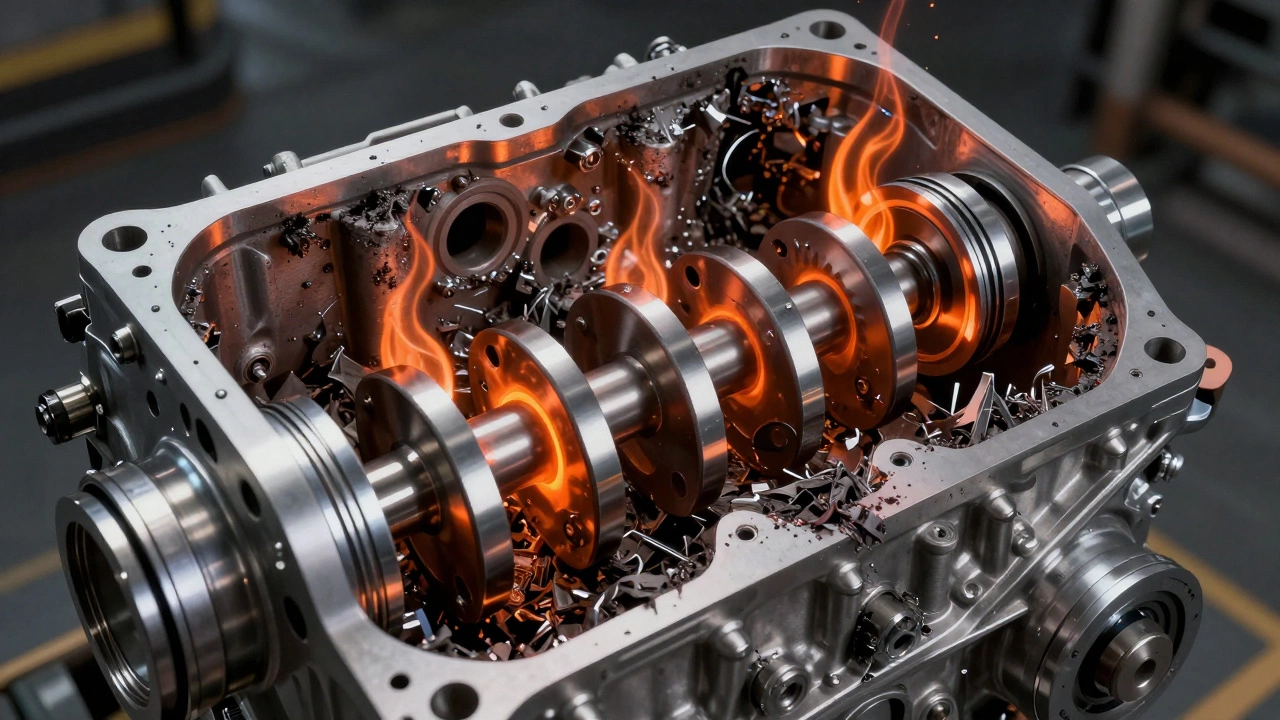
Once pressure drops, the Camshaft and Crankshaft lose their protective film. These shafts spin at thousands of revolutions per minute. Normally, a microscopic layer of oil separates them from their bearings. Without this layer, the steel journals scrape directly against the softer bearing material. This process, known as "spinning a bearing," shreds metal particles into the remaining oil, creating a abrasive slurry that accelerates damage throughout the entire engine block.
The heat generated by this friction is immense. Modern engines operate at temperatures exceeding 200°C (400°F) under load. Oil absorbs this heat and carries it away to the oil cooler or sump. When oil flow stops, localized hotspots form instantly. Aluminum pistons expand faster than iron cylinder walls due to this heat differential. This expansion causes the pistons to seize, locking the engine solid. In many cases, the connecting rods will break free from the seized piston and punch holes through the engine block-a phenomenon mechanics call "throwing a rod." At this point, the engine is scrap metal.
Early Warning Signs You Should Never Ignore
\nCatching the problem early saves your wallet. Your car communicates its distress long before total failure occurs. You need to pay attention to these specific indicators:
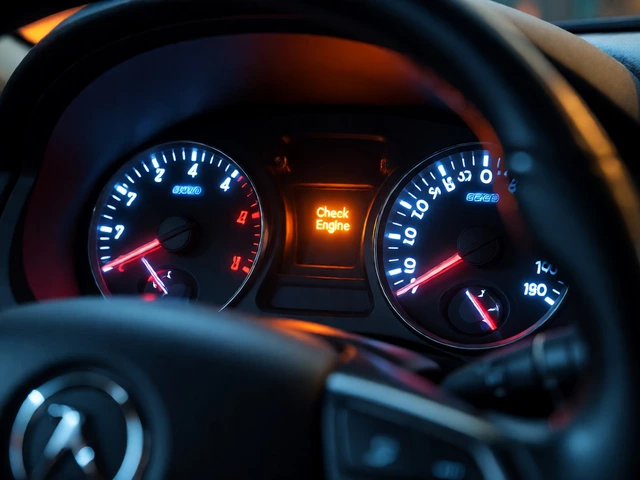
- The Oil Pressure Warning Light: This red icon usually looks like an old-fashioned oil can. If this lights up while driving, pull over immediately. It means pressure has dropped critically. Do not try to drive home. The engine could die within seconds.
- Knocking or Tapping Noises: A rhythmic knocking sound from the engine bay often indicates that lifters or bearings are starving for oil. This is the sound of metal hitting metal. It gets louder as RPM increases.
- Burning Smell: If you smell burning oil, it might be leaking onto hot exhaust manifolds. However, if the smell comes from inside the cabin, it could mean oil is burning off due to lack of cooling lubrication.
- Dark, Dirty Exhaust Smoke: Blue-gray smoke from the tailpipe suggests the engine is burning oil because seals have dried out or rings are worn due to poor lubrication.
- Dipstick Readings: Check your dipstick when the car is cold and on level ground. If the oil is below the minimum mark, add oil immediately. If the oil looks milky or foamy, water may have entered the system, requiring immediate professional inspection.
Why Oil Degrades Over Time
It's not just about quantity; quality matters equally. Even if you have plenty of oil in the tank, it can fail to protect your engine. Conventional Oil breaks down faster than Synthetic Oil due to molecular instability. Heat, shear stress from gears, and contaminants cause oil molecules to separate.
Over time, oil accumulates sludge, dirt, and metal shavings. These particles act like sandpaper inside your engine. Modern cars use Oil Filters to catch these contaminants, but filters have a limited capacity. Once saturated, bypass valves open, allowing unfiltered dirty oil to circulate. This accelerates wear on precision components like fuel injectors and variable valve timing systems.
Additionally, oil loses its additive package over time. Detergents keep carbon deposits clean, anti-wear agents protect surfaces, and viscosity modifiers ensure proper thickness in varying temperatures. As these additives deplete, the oil becomes thinner and less effective at high temperatures, leading to increased friction and wear even if the level appears normal.
| Oil Type | Average Interval | Heat Resistance | Cost Factor |
|---|---|---|---|
| Conventional | 3,000 - 5,000 miles | Low | $ |
| Synthetic Blend | 5,000 - 7,500 miles | Medium | $$ |
| Fully Synthetic | 7,500 - 10,000+ miles | High | $$$ |
The Financial Impact of Neglect
Let's talk numbers. An oil change typically costs between £30 and £80 depending on your location and vehicle type. Compare that to an engine replacement, which can range from £2,000 to £5,000 for labor and parts alone. The math is brutal. Skipping two oil changes to save £160 risks losing £3,000.
Insurance companies generally do not cover engine failures caused by lack of maintenance. They view oil changes as routine upkeep, not accidental damage. Therefore, the financial burden falls entirely on you. Furthermore, a neglected engine reduces resale value significantly. Buyers check service history meticulously. Gaps in oil change records raise red flags, suggesting potential hidden issues.
In Bristol, where we see many older vehicles navigating hilly terrain and stop-start traffic, engines work harder. Short trips prevent the engine from reaching optimal operating temperature, leading to condensation buildup and accelerated oil degradation. Drivers here must adhere strictly to manufacturer intervals, often changing oil more frequently than recommended for highway-only drivers.
How to Prevent Engine Starvation
Prevention is straightforward but requires discipline. Follow these steps to keep your engine healthy:
- Check Levels Monthly: Make checking your oil part of your monthly routine. Use the dipstick, wipe it clean, reinsert, and read. Ensure the level is between the min and max marks.
- Follow Manufacturer Intervals: Consult your owner's manual for the recommended oil change interval. Do not rely on generic advice like "every 3,000 miles." Modern engines and oils last longer. Adhere to the specific guidelines for your vehicle model.
- Use Correct Viscosity: Using the wrong weight oil can cause circulation problems. For example, using 5W-30 in an engine designed for 0W-20 can lead to poor fuel economy and inadequate protection in cold starts. Always use the viscosity specified by the manufacturer.
- Replace Filters Regularly: Change your oil filter every time you change your oil. A clogged filter restricts flow, effectively starving the engine even if the oil level is full.
- Monitor Dashboard Warnings: Treat any oil-related warning light as urgent. Investigate immediately rather than ignoring it until the next scheduled service.
Common Myths About Engine Oil
Misinformation spreads quickly in the automotive world. Let's debunk some persistent myths:
Myth: "If there's no noise, the engine is fine." Reality: Damage occurs silently at first. By the time you hear knocking, significant wear has already happened. Rely on visual checks and mileage intervals, not auditory cues.
Myth: "Synthetic oil is only for new cars." Reality: Synthetic oil provides superior protection for all engines, especially older ones with wider tolerances. Its stability helps prevent leaks and sludge buildup in aging seals.
Myth: "Adding oil is enough; I don't need to change it." Reality: Top-ups maintain volume but do not restore chemical properties. Degraded oil cannot clean or protect effectively. Regular changes remove contaminants and replenish additives.
Conclusion: Protect Your Investment
Your engine is the most expensive component in your car. Treating it with respect through regular oil maintenance is the cheapest insurance policy you can buy. Don't wait for the warning light. Don't ignore the knocking sounds. Check your oil, follow the schedule, and use the right products. Doing so ensures reliability, performance, and longevity for years to come.
Can I drive my car if the oil light is on?
No. Driving with the oil pressure light on can destroy your engine within minutes. Pull over safely, turn off the engine, and check the oil level immediately. If it's low, add oil cautiously. If the light persists, call for assistance.
How much oil does my car need?
Most cars require between 4 to 6 quarts (3.8 to 5.7 liters) of oil. Check your owner's manual for the exact specification. Overfilling can cause foam and reduced lubrication, so add slowly and check frequently.
What happens if I mix different types of oil?
Mixing conventional and synthetic oil is generally safe in emergencies but not ideal long-term. It may reduce the benefits of synthetic additives. Stick to one type for consistent performance.
Why does my oil look black after a few thousand miles?
Black oil is normal. It indicates the detergent additives are doing their job by suspending dirt and sludge. Fresh oil is clear or amber; used oil turns dark as it collects contaminants.
Is it better to change oil more frequently than recommended?
For severe driving conditions-such as frequent short trips, towing, or dusty environments-changing oil every 5,000 miles instead of 10,000 is beneficial. Otherwise, follow the manufacturer's standard interval.