Check Engine Light and Fuel Pump Issues: Signs, Causes, and What to Do
When the check engine light, a warning indicator on your dashboard that signals a problem with the vehicle’s emissions or engine systems flashes on, it’s not just a nuisance—it’s your car’s way of screaming for help. One of the most common but often overlooked causes? A failing fuel pump, the component that delivers gasoline from the tank to the engine under pressure. If your fuel pump is weakening or dead, your engine won’t get the fuel it needs to run smoothly, and the onboard computer will trigger that light. It’s not always the spark plugs, not always the oxygen sensor—it could be something as simple as a pump that’s worn out from years of use.
The fuel pump symptoms, observable signs that the fuel pump is losing performance or has failed completely don’t always show up all at once. You might hear a faint whining noise from the back of the car when you turn the key. Or your engine sputters on the highway, especially when you’re climbing a hill or carrying a load. Maybe your car won’t start after sitting for a while, even though the battery is fine. These aren’t random glitches—they’re classic signs of low fuel pressure. And when the engine control unit detects inconsistent fuel delivery, it logs a fault and turns on the check engine light. Many people assume it’s a sensor issue and replace expensive parts they don’t need. But if the fuel pump is the root cause, no amount of sensor swapping will fix it.
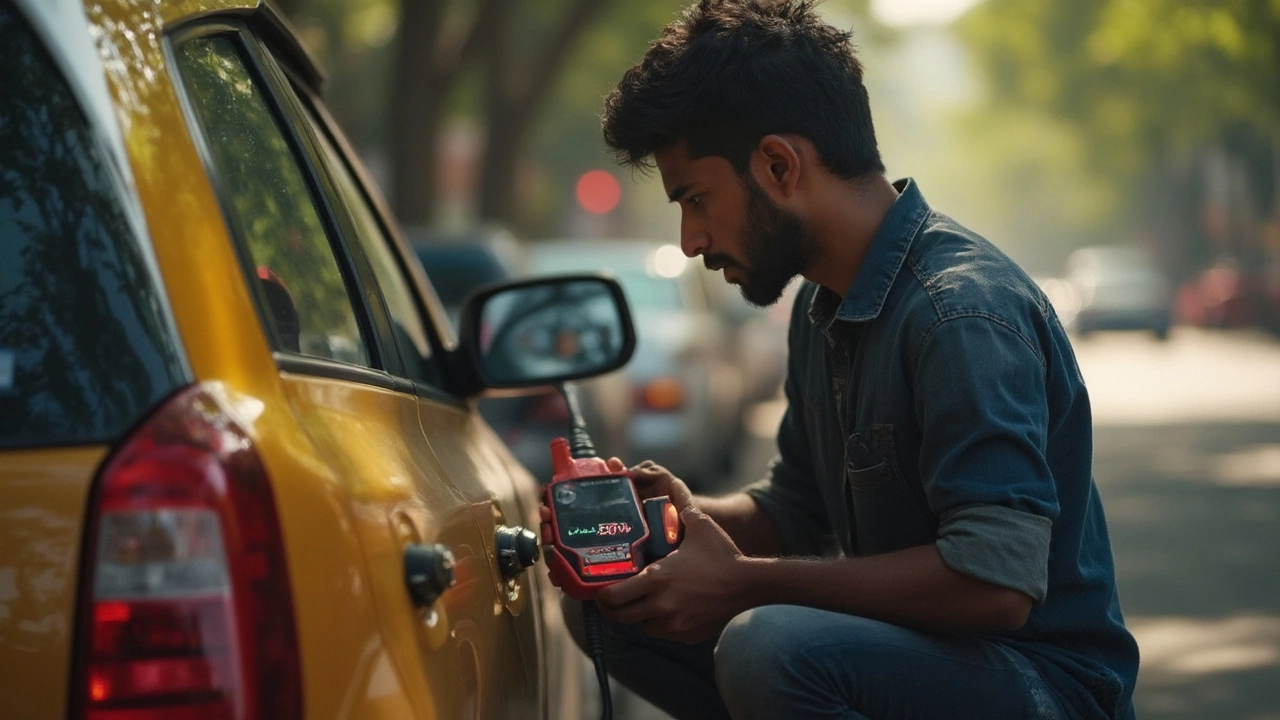
It’s easy to confuse a bad fuel pump with other problems. A clogged fuel filter, dirty injectors, or even a weak battery can mimic the same symptoms. But here’s the difference: if your car starts fine when cold but struggles to restart after you’ve driven it and turned it off, that’s the fuel pump. If the engine cuts out under load and then comes back after sitting for ten minutes, that’s the fuel pump. And if the check engine light comes on with codes like P0191 (fuel pressure sensor range) or P0087 (fuel system pressure too low), you’re looking at a fuel delivery problem—most likely the pump. A quick diagnostic with a fuel pressure gauge can confirm it in minutes. No guesswork.
You don’t need a garage to spot the early signs. Listen when you turn the ignition. You should hear a short hum from the rear seat area—that’s the pump priming. If it’s silent, the pump isn’t working. Smell gasoline near the tank? That’s a leak, not a pump issue—but still dangerous. Check your fuel filter at the same time; a dirty one puts extra strain on the pump and shortens its life. And if you’ve been running your tank low often, you’ve been starving the pump. Fuel isn’t just for burning—it cools and lubricates the pump. Running on empty is like running a car engine without oil.
The posts below cover everything you need to know: how to tell if your fuel pump is failing, what the real sounds are, how it connects to the check engine light, and what to do next. You’ll also find real-world stories from people who ignored the warning signs—and what it cost them. Some posts dig into related systems like fuel filters and pressure sensors. Others explain how to test the pump yourself without special tools. This isn’t theory. These are the fixes that work on Indian roads, in monsoon heat, and after years of rough driving. If your check engine light is on and your car feels like it’s running on fumes, you’re not alone. And you don’t have to guess anymore.
-
24 Jun
- Recent
- Popular