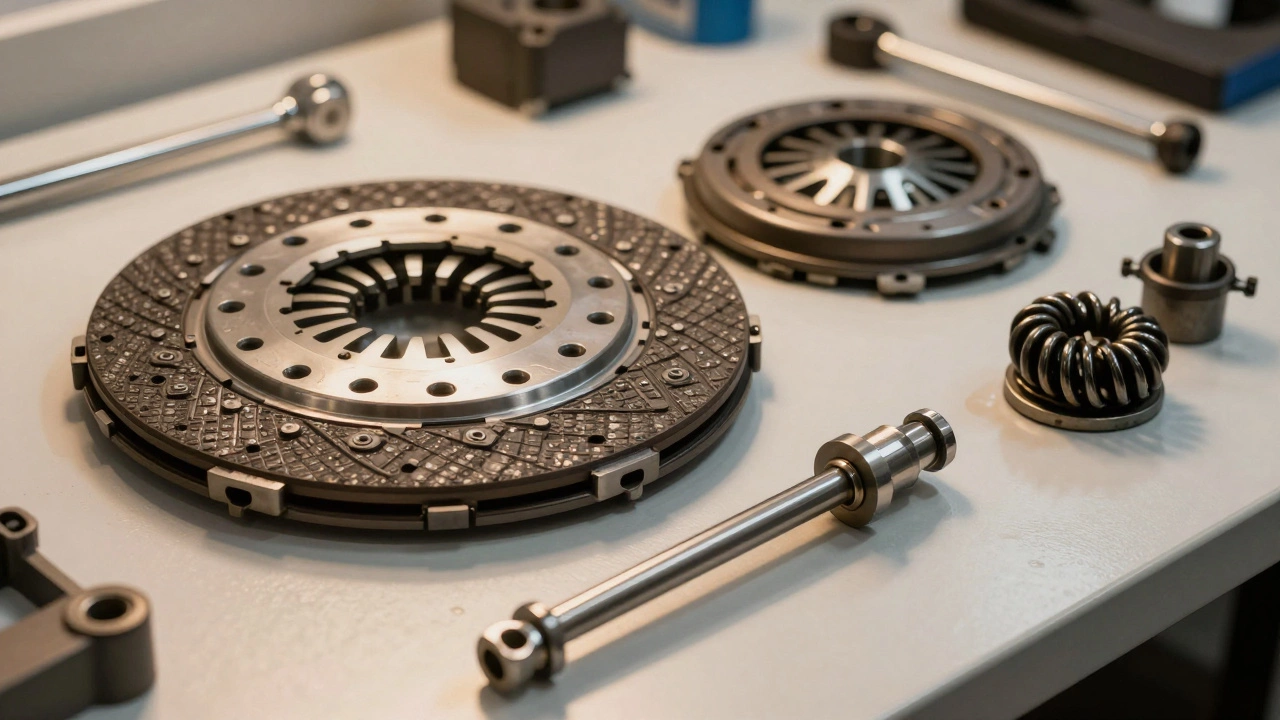
Clutch Kit Component Checklist
This tool helps you verify which clutch kit components you need for your vehicle based on your driving style. A complete clutch job requires all essential components to avoid costly repairs later.
Clutch Kit Components
Clutch Disc
ESSENTIALThe friction material that connects the engine to the transmission.
Pressure Plate
ESSENTIALClamps the clutch disc against the flywheel to transfer power.
Release Bearing
ESSENTIALSpins freely when clutch is engaged, stops when clutch pedal is pressed.
Pilot Bearing
RECOMMENDEDSupports the transmission input shaft in the flywheel center.
Alignment Tool
RECOMMENDEDEnsures the clutch disc is perfectly centered during installation.
Spline Lubricant
RECOMMENDEDPrevents premature wear and ensures smooth engagement.
Slave Cylinder
RECOMMENDEDPart of the hydraulic clutch system, often fails during clutch replacement.
When your clutch starts slipping, grinding, or feeling spongy, you know it’s time for a replacement. But before you buy a new clutch kit, you need to know exactly what’s inside. A clutch kit isn’t just one part-it’s a system. Getting the right one means understanding what’s included and why each piece matters.
What’s Actually in a Standard Clutch Kit?
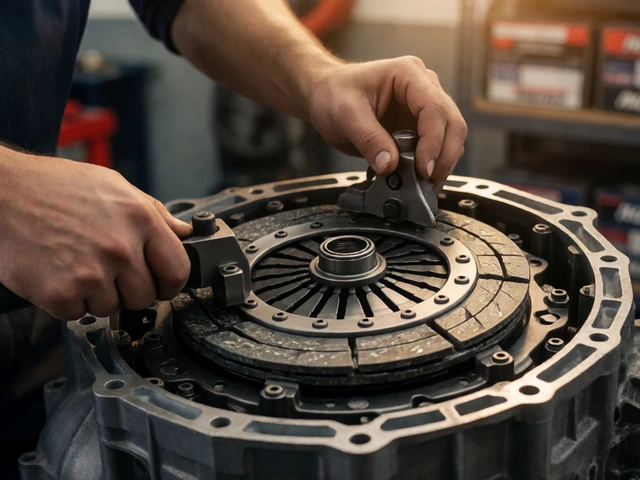
A typical clutch kit contains three core components: the clutch disc, the pressure plate, and the release bearing. These are the essentials that physically connect and disconnect the engine from the transmission. But depending on the brand and vehicle, you might get more.
The clutch disc is the friction material sandwiched between the flywheel and pressure plate. It’s made of organic, ceramic, or metallic compounds. Most street cars use organic discs-they’re smooth, quiet, and last 60,000 to 100,000 miles under normal driving. Performance cars often use ceramic or multi-plate discs that handle more heat but are harsher on daily driving.
The pressure plate clamps the disc against the flywheel using springs or diaphragm fingers. It’s what applies the force to transfer engine power. Diaphragm-style pressure plates are the most common today because they’re lighter, easier to pedal, and more reliable than older coil-spring designs.
The release bearing (also called the throw-out bearing) pushes against the pressure plate’s fingers when you press the clutch pedal. It spins freely when the clutch is engaged and stops when you press the pedal. A worn bearing makes a whining noise-often mistaken for a transmission issue.
What Else Might Be Included?
Many manufacturers now sell complete clutch kits that go beyond the basics. These are especially helpful for DIYers who don’t want to shop for parts separately.
- Alignment tool: A simple metal rod that lines up the clutch disc with the input shaft during installation. Without it, the disc can tilt and warp, leading to uneven wear or vibration.
- Slave cylinder: Found in hydraulic clutch systems. If your car has a clutch pedal that feels spongy, the slave cylinder might be leaking fluid. Replacing it during a clutch job saves labor later.
- Master cylinder: Less common in kits, but sometimes included in older or high-mileage vehicles where the master cylinder is known to fail.
- Input shaft spline lubricant: A special grease applied to the transmission input shaft. It prevents premature wear and ensures smooth clutch engagement. Skipping this causes grinding and early failure.
- Clutch pilot bearing or bushing: Located in the center of the flywheel, it supports the transmission input shaft. If it’s worn, you’ll hear a rattling noise when the clutch is depressed. Many kits include this because it’s often overlooked.
- Hardware kit: Bolts, washers, and springs that secure the pressure plate. Reusing old hardware is a common mistake-it can stretch or break under pressure.
For example, a clutch kit for a 2018 Ford Focus ST includes the disc, pressure plate, release bearing, pilot bearing, alignment tool, and lubricant. A basic kit for a 2010 Honda Civic might only have the first three. Always check the product description before buying.
Why You Shouldn’t Skip the Extra Parts
Replacing just the clutch disc and pressure plate is tempting-it’s cheaper. But here’s what happens if you do: the release bearing fails six months later because it was already worn. You have to pull the transmission out again. Labor for a clutch job takes 5 to 8 hours. That’s £500-£800 in garage costs, even if you bought the parts yourself.
Same goes for the pilot bearing. If it’s worn and you don’t replace it, the input shaft wobbles. That causes clutch chatter, gear grinding, and eventually transmission damage. A £15 pilot bearing can save you £1,200 in repairs.
And don’t forget the alignment tool. It’s cheap, but if you don’t use it, the clutch disc can get crooked. That leads to vibration when you let the clutch out. People think it’s a wheel balance issue. It’s not. It’s because the disc wasn’t centered during installation.
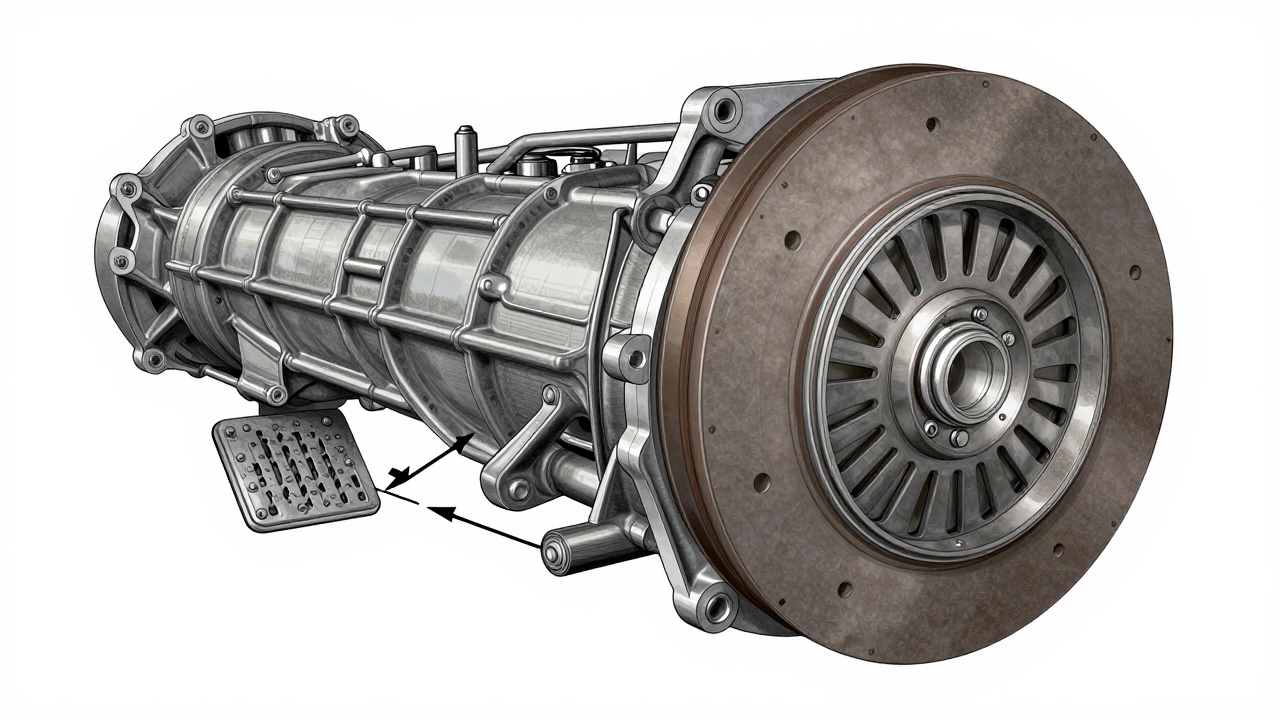
How to Choose the Right Kit for Your Car
Not all clutch kits are made equal. Here’s what to look for:
- Vehicle-specific: Make sure the kit is listed for your exact make, model, and year. A kit for a 2015 Volkswagen Golf won’t fit a 2015 Jetta, even if they look similar.
- Material match: Match the clutch disc material to your driving. Organic for daily driving, ceramic for occasional track days, and multi-plate for serious performance.
- Brand reputation: LUK, Sachs, and Valeo are OEM suppliers for BMW, Audi, and Mercedes. They’re reliable for stock replacements. Exedy and ACT are popular for performance upgrades.
- Warranty: Most quality kits come with a 12- to 24-month warranty. Avoid no-name brands with no support.
For a daily driver with 120,000 miles, a complete OEM-style kit from Sachs is a safe bet. For a modified 300-hp Subaru WRX, you’ll want a performance kit with a sprung hub disc and a heavy-duty pressure plate.
Common Mistakes When Replacing a Clutch
Even experienced mechanics mess up clutch jobs. Here are the top three errors:
- Not resurfacing the flywheel: If the flywheel has grooves, heat spots, or warping, the new clutch won’t grip properly. Always check it. If it’s worn, resurface it or replace it. Most kits don’t include a new flywheel, but you’ll need one if the old one’s damaged.
- Skipping the lubricant: That little tube of spline grease? Use it. Every time. No exceptions.
- Over-tightening bolts: Pressure plate bolts have a specific torque pattern and value-usually 20-25 Nm. Over-tightening cracks the plate. Under-tightening causes vibration and noise.
One mechanic in Bristol told me he once installed a clutch without the alignment tool. The customer came back two weeks later with a grinding noise. The disc had been crooked. He had to pull it all out again. Cost: £600 in extra labor.
How Long Should a Clutch Kit Last?
It depends on how you drive. In a manual transmission car driven gently in city traffic, a clutch can last 100,000 miles or more. In heavy stop-and-go traffic, with frequent hill starts and aggressive shifting, it might only last 40,000 miles.
Performance clutches are built to handle more torque but wear faster under normal use. A ceramic disc meant for a track car might only last 20,000 miles on the daily commute.
Signs your clutch is worn: slipping when accelerating, a clutch pedal that feels higher than usual, difficulty shifting gears, or a burning smell from the clutch area.
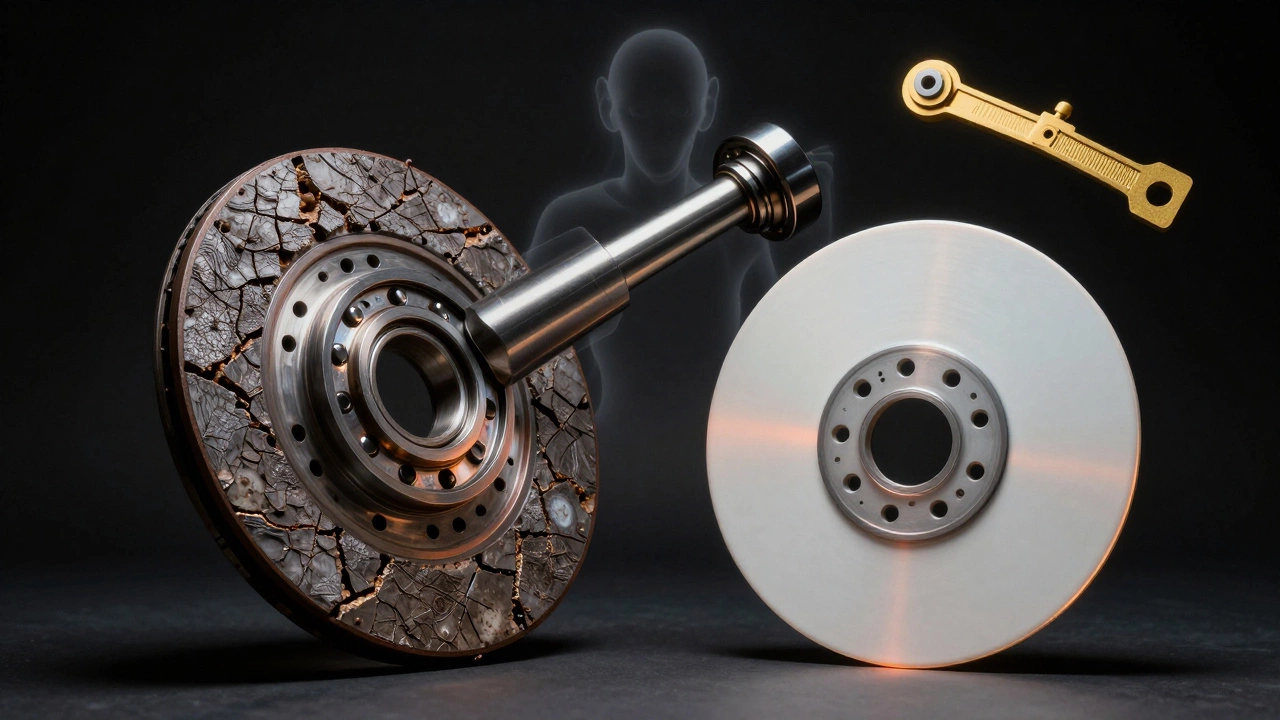
What to Do After Installation
After you install a new clutch, don’t rush it. For the first 500 miles:
- Avoid high RPM shifts.
- Don’t ride the clutch pedal.
- Don’t launch from a stop.
- Use gentle throttle inputs.
This lets the friction material bed in properly. Skipping this step can lead to premature glazing and early failure.
Check the clutch fluid level (if hydraulic) after a week. Look for leaks around the slave cylinder. Listen for new noises. A good clutch job should be silent and smooth.
When to Upgrade Instead of Replace
If you’ve modified your engine for more power, or you tow heavy loads regularly, a standard clutch kit won’t cut it. Upgrading to a performance clutch means:
- Higher clamping force
- Heat-resistant friction materials
- Stronger pressure plate springs
- Multi-disc or dual-mass flywheel replacements
But remember: performance clutches are stiffer. They’re harder to drive in traffic. You’ll need to adjust your driving style. They’re not for everyone.
For most people, a high-quality OEM-style kit is the best choice. It’s reliable, smooth, and lasts.
Final Checklist Before Buying
Before you click ‘buy’ on a clutch kit, ask yourself:
- Does this kit include the release bearing and pilot bearing?
- Is the flywheel surface in good condition? Do I need to resurface or replace it?
- Does it come with an alignment tool and lubricant?
- Is the clutch disc material suited to my driving style?
- Is the brand known for reliability, or is it a no-name eBay product?
Clutch kits aren’t something you buy on impulse. They’re a major repair. Get the right one, install it right, and it’ll serve you for years.
Does a clutch kit include the flywheel?
No, a standard clutch kit does not include the flywheel. The flywheel is a separate component mounted to the engine’s crankshaft. Some performance kits offer a lightweight or dual-mass flywheel replacement, but these are sold as add-ons. Always inspect your existing flywheel for wear, cracks, or heat damage before installing a new clutch.
Can I reuse the old release bearing?
Never reuse an old release bearing. It’s a wear item that wears out at the same rate as the clutch. If you install a new clutch with an old bearing, the bearing will likely fail within a few thousand miles, causing noise and requiring another costly repair. Always replace it with the new one included in the kit.
How do I know if I need a performance clutch?
You need a performance clutch if you’ve upgraded your engine for more horsepower, added a turbo or supercharger, or regularly tow heavy loads. If your current clutch slips under load-even when it’s relatively new-it’s a sign you need a stronger setup. For normal daily driving, a standard OEM-style kit is better and more comfortable.
Is it safe to install a clutch kit myself?
Yes, if you have basic mechanical skills and the right tools-jack stands, torque wrench, clutch alignment tool, and a service manual. The job takes 6-8 hours and requires removing the transmission. If you’re unsure, get help. A mistake during installation can damage the transmission or cause dangerous clutch failure on the road.
What happens if I don’t replace the pilot bearing?
A worn pilot bearing lets the transmission input shaft wobble, which causes the clutch disc to tilt. This leads to uneven wear, clutch chatter, gear grinding, and eventually transmission damage. Replacing it costs £10-£20 and takes 10 minutes during the clutch job. Skipping it risks thousands in repairs.