Oil Warning Light: What It Means and What to Do Next
When the oil warning light, a red or yellow symbol on your dashboard that signals low engine oil pressure or low oil level. Also known as engine oil light, it is one of the most urgent signals your car can give you. This isn’t a gentle nudge. It’s a scream. If this light comes on while you’re driving, you’re risking serious engine damage—possibly a complete engine failure that costs thousands to fix. Most people ignore it because they think, ‘My car still runs,’ but that’s like ignoring a fire alarm because the room isn’t fully on fire yet.
The engine oil, the lubricant that keeps your engine’s moving parts from grinding together is doing more than just reducing friction. It’s cooling critical components, cleaning out debris, and sealing piston rings. When oil pressure drops or the level gets too low, those parts start to overheat and wear out fast. Common causes? Not changing oil on time, a leaking gasket, a worn-out oil pump, or even a simple case of forgetting to top it up after an oil change. Some cars even show this light if you’re using the wrong oil grade—something you might not realize until it’s too late.
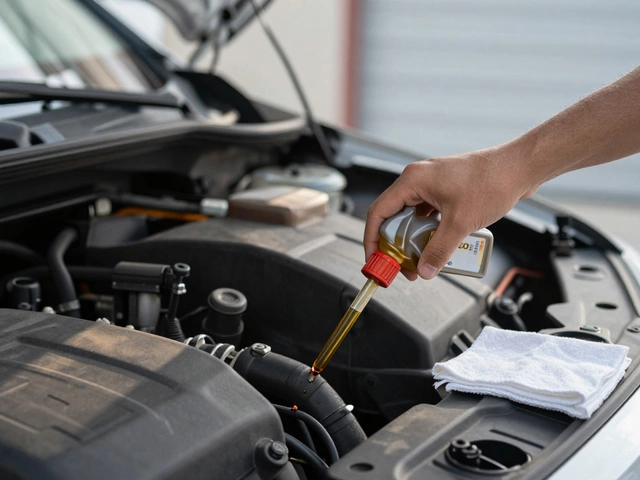
Don’t confuse the low oil pressure, a dangerous drop in the force pushing oil through your engine’s pathways warning with the oil change reminder. The oil change light is usually yellow and tells you it’s time for maintenance. The oil warning light is red—and it means stop now. If you see it, pull over safely as soon as possible. Turn off the engine. Wait a few minutes. Then check the oil level with the dipstick. If it’s below the minimum mark, add oil. But if the level looks fine and the light stays on? Don’t restart the car. Call a tow truck. Something deeper is wrong—maybe a broken sensor, a failing oil pump, or internal engine damage. Trying to drive further could turn a $50 oil change into a $5,000 engine rebuild.
Many drivers wait until something breaks before they act. But the oil warning light is your chance to act before it breaks. Regular oil checks, using the right type of oil, and sticking to your service schedule can prevent 90% of these issues. And if you’ve ever noticed a strange knocking sound from your engine or noticed oil spots under your car, those are early signs the light might be coming next. You don’t need to be a mechanic to spot trouble—you just need to pay attention. Below, you’ll find real-world stories and fixes from drivers who ignored the warning… and those who didn’t. The difference? A working engine and a full wallet.
-
3 Aug
- Recent
- Popular