Car Radiator Replacement Cost Estimator
Estimate your radiator replacement costs based on vehicle type, part choice, and location.
Estimated Replacement Cost
Based on UK average labor rates and current pricing
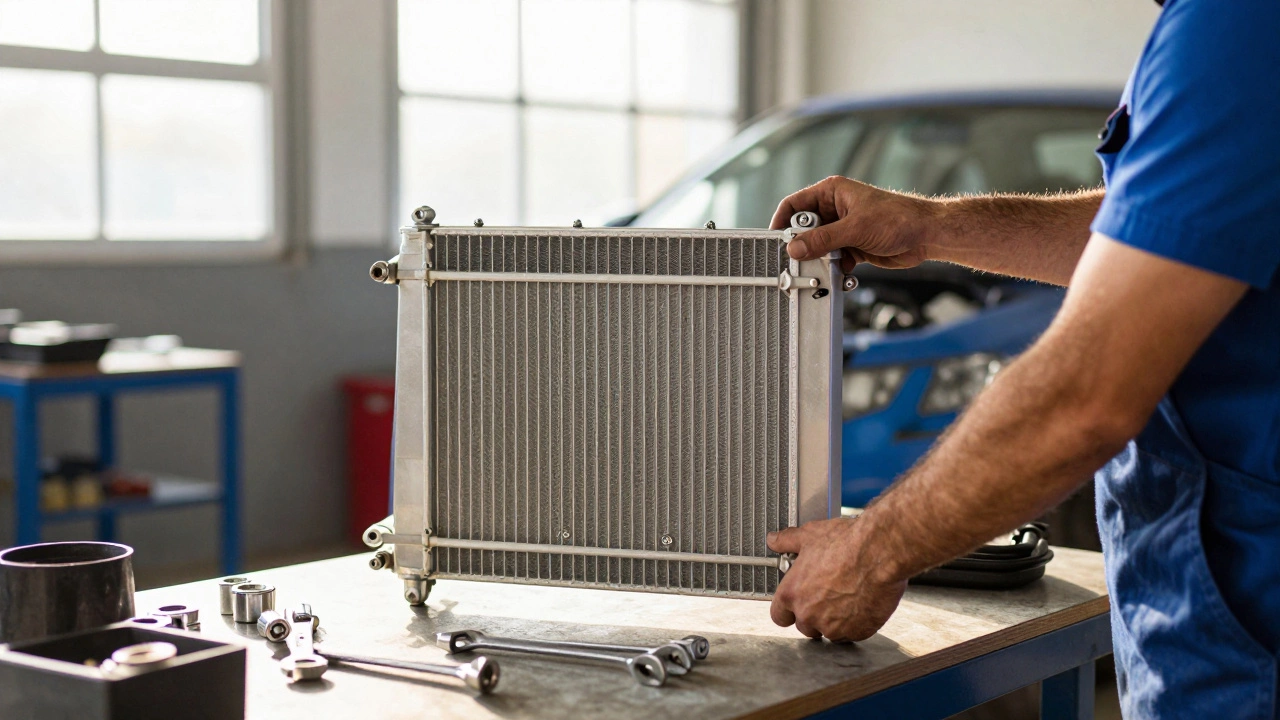
When your car radiator fails, it’s not just a minor inconvenience-it can leave you stranded. The cost to replace it varies widely depending on your vehicle, but understanding the factors involved can help you prepare. For example, a radiator replacement cost for a basic economy car might be under £200, while a luxury model could exceed £900. Let’s break down why.
What Factors Influence Car Radiator Costs?
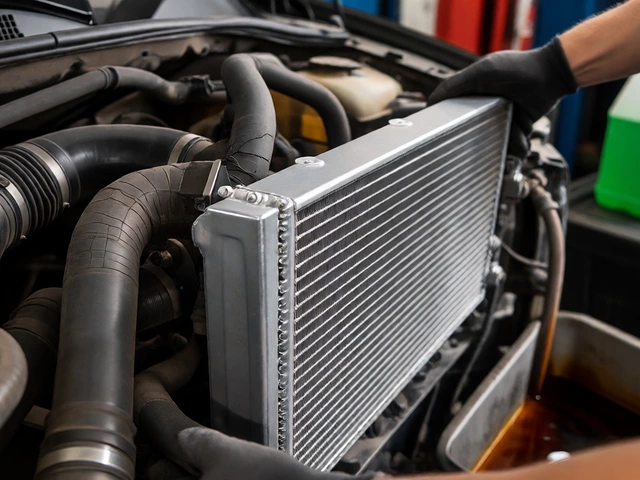
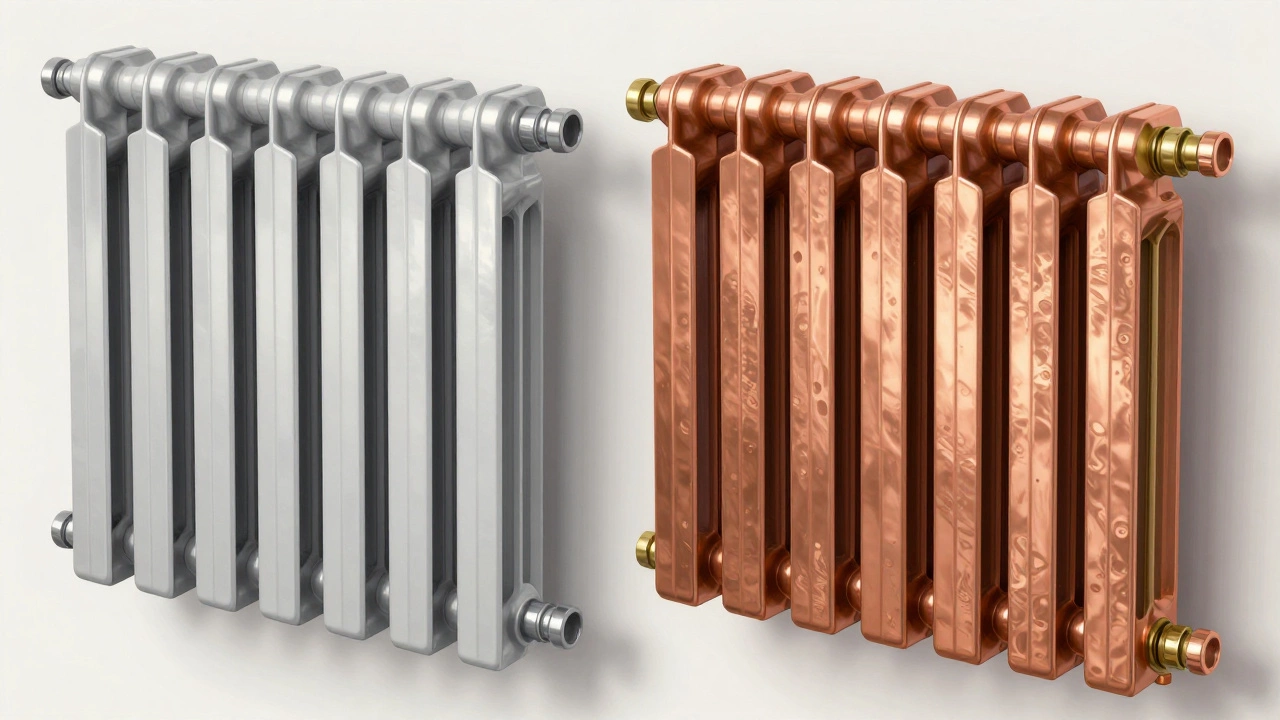
Several elements drive radiator pricing. First, car radiator material matters. Aluminum radiators are lighter and cheaper to produce but may need replacement sooner. Copper-brass radiators last longer but cost more upfront. Second, OEM parts (made by your car’s original manufacturer) are precise but pricier. Aftermarket parts from brands like Mishimoto or Koyorad often cost 20-30% less. Third, labor time varies. A simple replacement in a compact car takes 1-2 hours, but complex setups in SUVs or hybrids can take 4+ hours. Finally, location affects prices. Mechanics in London charge 15% more than in smaller towns due to higher overhead.
Average Replacement Costs by Car Type
| Car Type | Part Cost | Labor Cost | Total Cost |
|---|---|---|---|
| Economy (e.g., Honda Civic) | £100-£200 | £80-£150 | £180-£350 |
| Mid-Range (e.g., Ford Focus) | £150-£300 | £100-£200 | £250-£500 |
| Luxury (e.g., BMW 3 Series) | £300-£600 | £150-£300 | £450-£900 |
| Heavy-Duty (e.g., Land Rover Discovery) | £400-£800 | £200-£400 | £600-£1,200 |
These numbers include parts and labor. For instance, a 2020 Ford Focus radiator replacement typically costs £350 total-£200 for the part and £150 for labor. Meanwhile, a BMW 3 Series might run £650 due to specialized parts and longer labor time. Note that hybrid cars often cost more because radiators integrate with electric cooling systems.
Repair vs Replacement: When to Choose Which
Not all radiator issues need full replacement. Small leaks from pinholes or minor corrosion can sometimes be fixed with radiator sealant for £10-£20. However, this is a temporary fix. If the leak is near the tank seam or the core is cracked, replacement is your only option. A cracked radiator will worsen quickly, risking engine damage. For example, a £100 repair today could save you £2,000 in engine repairs later. Also, if your radiator is over 8 years old, replacement is usually smarter than repair. Older units are prone to repeated failures.
How to Save Money on Radiator Repairs
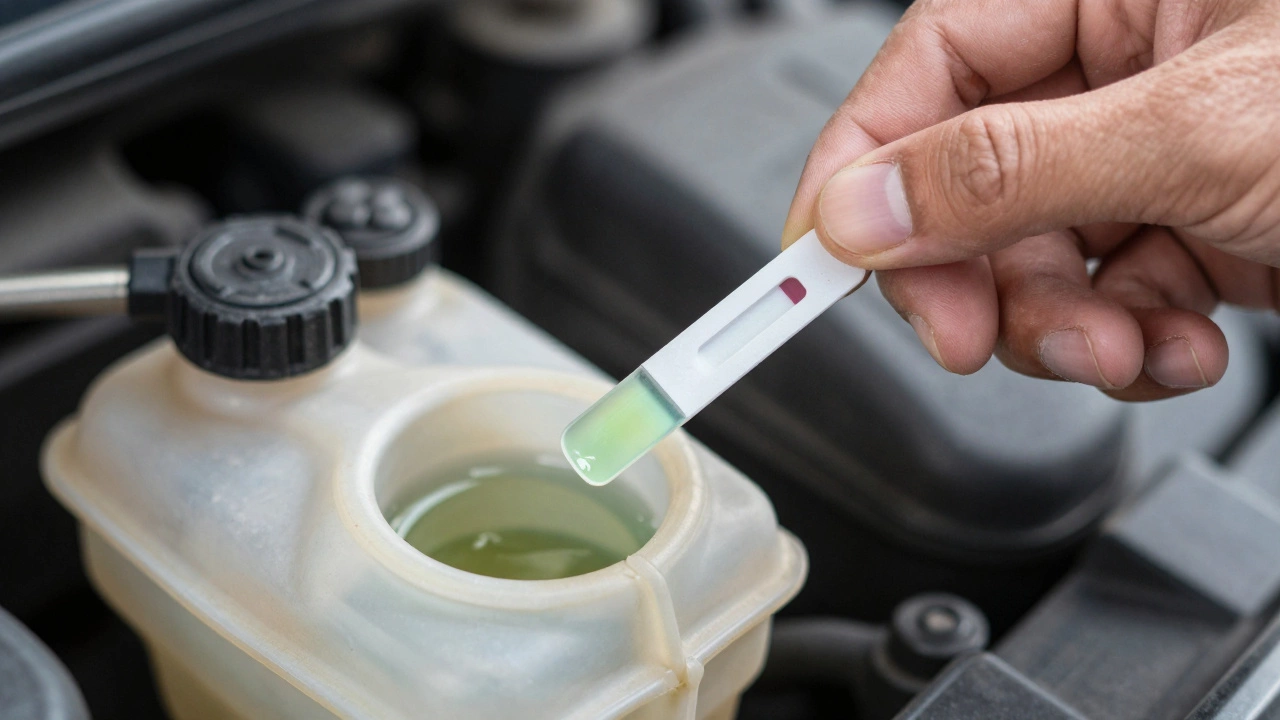
You can cut costs without sacrificing quality. First, check coolant levels monthly. Low coolant causes overheating, which strains the radiator. A simple £5 test strip from Halfords checks coolant condition. Second, replace your thermostat every 50,000 miles. A faulty thermostat is a common cause of radiator failure. Third, compare quotes. Independent garages often charge 20% less than dealerships for the same work. Fourth, consider used OEM parts from reputable sources like eBay Motors. A used BMW radiator might cost £200 instead of £500 new. Finally, avoid DIY if you’re inexperienced. Improper installation can cause leaks or damage other parts, leading to higher costs later.
Choosing the Right Radiator for Your Vehicle
When buying a new radiator, prioritize fit and durability. For most cars, aftermarket radiators from trusted brands like Mishimoto offer great value. They’re engineered for performance and often include better warranties than OEM parts. For classic or rare cars, OEM parts may be your only option. Always verify the part number matches your vehicle’s year, make, and model. Also, check the warranty-reputable brands offer 1-3 years. Avoid cheap no-name radiators; they often fail within months. For example, a £150 no-name radiator for a Ford Focus might crack in 6 months, while a £220 Mishimoto unit could last 5+ years.
Preventing Costly Radiator Problems
Prevention is cheaper than repair. Flush your cooling system every 2 years or 24,000 miles. Old coolant turns acidic and corrodes the radiator. Use a 50/50 mix of antifreeze and distilled water-never plain water. Check for leaks during routine maintenance. A small drip under your car could mean a failing radiator. Also, avoid driving when the temperature gauge is in the red. Running an overheating engine melts radiator components. For instance, a £50 coolant flush today prevents a £1,000 engine repair later. Keep your engine bay clean; dirt and debris block airflow to the radiator, causing overheating.
How much does it cost to replace a car radiator in the UK?
Replacement costs vary by car type. Economy cars like a Honda Civic typically cost £180-£350 total, including parts and labor. Mid-range models like a Ford Focus average £250-£500. Luxury cars such as a BMW 3 Series range from £450-£900, and heavy-duty vehicles like a Land Rover Discovery can reach £600-£1,200. Factors like part type (OEM vs. aftermarket) and labor rates also affect the final price.
Can I drive with a leaking radiator?
Only for very short distances, like to a nearby garage. Driving with a leaking radiator risks severe engine damage. Coolant loss causes overheating, which can warp cylinder heads or blow head gaskets. For example, a 10-mile drive with a small leak might cost £150 to fix, but continuing to drive could lead to £2,000 in engine repairs. If you notice a leak, stop driving immediately and call for a tow.
What’s the difference between aluminum and copper-brass radiators?
Aluminum radiators are lighter, cheaper, and easier to manufacture but less durable. They’re common in modern cars but may need replacement every 5-7 years. Copper-brass radiators are heavier and more expensive but last 10-15 years. They conduct heat better and resist corrosion longer. For classic cars, copper-brass is often preferred for its longevity. However, aluminum is standard for most new vehicles due to weight savings and cost efficiency.
How often should I flush my coolant?
Flush your cooling system every 2 years or 24,000 miles. Old coolant loses its protective properties and becomes acidic, corroding the radiator and engine components. Using a 50/50 mix of antifreeze and distilled water is critical-tap water contains minerals that cause deposits. For high-performance cars or extreme climates, flush every 18 months. Skipping this leads to clogs, overheating, and premature radiator failure.
Is it worth repairing a cracked radiator?
Generally, no. A cracked radiator indicates structural damage that worsens over time. Temporary fixes like epoxy or sealants fail quickly and often cause more leaks. For example, a £50 epoxy repair might last 2 weeks before leaking again, while a new radiator costs £200-£500. Replacement is the only reliable solution. If the crack is small and the radiator is very old, replacement is still smarter than repeated repairs.
Why is labor cost so high for radiator replacement?
Labor costs depend on accessibility. In compact cars, the radiator is easy to reach, taking 1-2 hours. In SUVs or hybrids, it’s often buried behind the front bumper, grille, or electric components, requiring 4+ hours of labor. For example, replacing a radiator in a Land Rover Discovery might take 5 hours because mechanics must remove the front grille, headlights, and cooling fans. Labor rates also vary by region-London garages charge £80-£100/hour, while rural areas charge £50-£70/hour.
What happens if I ignore a small radiator leak?
Ignoring a small leak leads to bigger problems. Coolant loss causes overheating, which warps engine parts like cylinder heads or head gaskets. A £50 coolant top-up today could prevent a £2,000 engine rebuild later. For instance, a Ford Focus with a tiny leak might run fine for weeks, but continuous overheating eventually destroys the engine. Always address leaks immediately-check for puddles under your car and monitor the temperature gauge regularly.
How do I know if my radiator needs replacing?
Signs include persistent overheating, coolant leaks, discolored or sludge-like coolant, or visible damage like cracks and dents. If your temperature gauge is in the red frequently, or you see green or orange fluid under your car, the radiator likely needs replacement. Also, if you’ve had multiple repairs (e.g., sealant fixes) in the past year, replacement is more cost-effective. A mechanic can pressure-test the system to confirm issues.