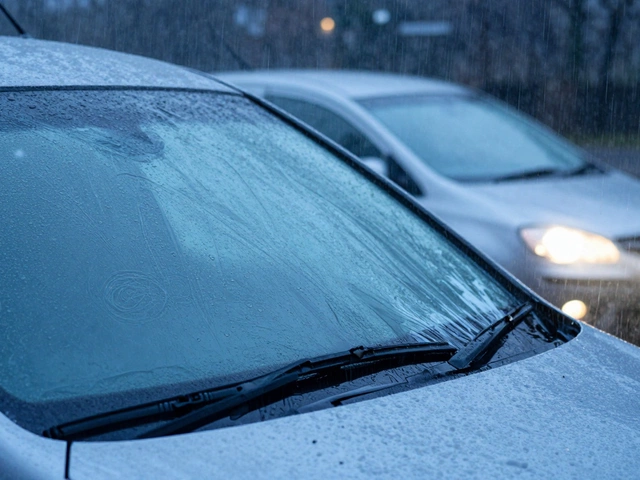
Windscreen Wiper Size: How to Find the Right Fit for Your Car
When your windscreen wiper size, the exact length of the rubber blade that clears rain from your windshield. Also known as wiper blade length, it’s not just a number—it’s a safety detail that keeps your view clear in storms, fog, or sudden downpours. If the wipers are too short, they leave streaks. Too long, and they might bend, chatter, or even crack the glass. Many drivers don’t realize that wiper sizes vary by make, model, and even trim level—even two identical cars can need different blades.
Wiper size isn’t random. It’s tied to the wiper arm, the metal or plastic lever that pushes the blade across the windshield. The arm’s length and pivot point determine how far the blade needs to reach. A mismatched size won’t just smear water—it can overload the motor, wear out the linkage, or scrape the glass. You’ll find the correct size printed on the old blade, listed in your owner’s manual, or available through auto parts databases using your car’s year, make, and model. Some cars even use different sizes for driver and passenger sides, so checking both is key.
It’s not just about rain. Dust, pollen, bird droppings, and road grime all build up faster when the wipers don’t sweep cleanly. A worn or wrong-sized blade can leave smears that blur headlights at night or hide a pedestrian stepping onto the road. In India’s mixed weather—monsoons, dust storms, and humid heat—proper wiper performance isn’t a luxury. It’s a daily necessity.
Some newer cars use rain sensors, a system that automatically turns wipers on when it detects moisture, but even those rely on the right blade size to work correctly. If the sensor triggers but the blade doesn’t cover the area properly, you’re still driving blind. And while some electric vehicles skip traditional wipers entirely, most still use them—and their size requirements haven’t changed.
Below, you’ll find real-world advice from owners and mechanics who’ve dealt with the same issue. From how to measure your current blades without pulling them off, to why buying the cheapest replacement can cost you more in the long run, these posts cut through the noise. You’ll learn what to look for, what to avoid, and how to get it right the first time—without guessing.
-
11 Sep
- Recent
- Popular