Wiper Blade Fitment Simulator
Adjust the sliders below to see how blade length affects visibility and vehicle safety. The default represents a standard correct fit (22 inches). Try increasing or decreasing the size to see the consequences described in the article. Note: This simulation assumes symmetrical blades for demonstration purposes.
Perfect Fit
The blades are correctly sized. They provide full coverage without overlapping or touching the vehicle bodywork.
Picture this: you’re driving down the M4 in a heavy Bristol downpour. The rain is lashing against your windscreen, but instead of a clear view, you see two streaks of water meeting in the middle-or worse, one blade spinning wildly off the edge of the glass. It’s not just annoying; it’s dangerous. This chaos usually stems from one simple mistake: using the wrong size wiper blade, which is a critical safety component designed to clear water and debris from your vehicle's windscreen. Many drivers assume that if a wiper fits into the bracket, it will work fine. But automotive engineering isn’t about 'close enough.' Using incorrect dimensions can lead to poor visibility, mechanical damage, and even costly repairs to your vehicle’s bodywork. Let’s break down exactly what goes wrong when you ignore the manufacturer’s specifications.
The Dangers of Oversized Wiper Blades
It seems logical that bigger is better, right? More rubber means more coverage. In reality, installing a wiper blade that is too long creates immediate physical conflicts on your vehicle.
The most common issue with oversized blades is blade overlap. When two wipers are too large, their sweeping arcs intersect. Instead of clearing separate lanes of water, the frames collide mid-sweep. This causes several problems:
- Mechanical Stress: The constant impact puts strain on the wiper motor and linkage arms. Over time, this can burn out the motor or bend the metal linkages, leading to expensive repairs at a garage.
- Streaking and Smearing: When blades hit each other, they don’t lay flat against the glass. They bounce, skip, and leave behind thick, uncleaned strips of water. In heavy rain, this effectively blinds you for split seconds every cycle.
- Parking Interference: An overly long blade might extend beyond the edge of the windscreen. When parked, especially if the wipers rest low, the tip can hang over the cowl panel or even touch the hood/bonnet. Rainwater dripping from the blade onto hot engine components or sensitive electronics underneath the cowl can cause corrosion or electrical faults.
I’ve seen cases where owners installed universal ‘one-size-fits-all’ kits that were slightly longer than specified. Within six months, the wiper transmission gears stripped because the motor was fighting against the resistance of the overlapping frames. It’s a preventable headache.
The Problems with Undersized Wiper Blades
If oversized blades cause mechanical damage, undersized blades compromise your safety through neglect. A blade that is too short simply doesn’t cover the entire viewing area.
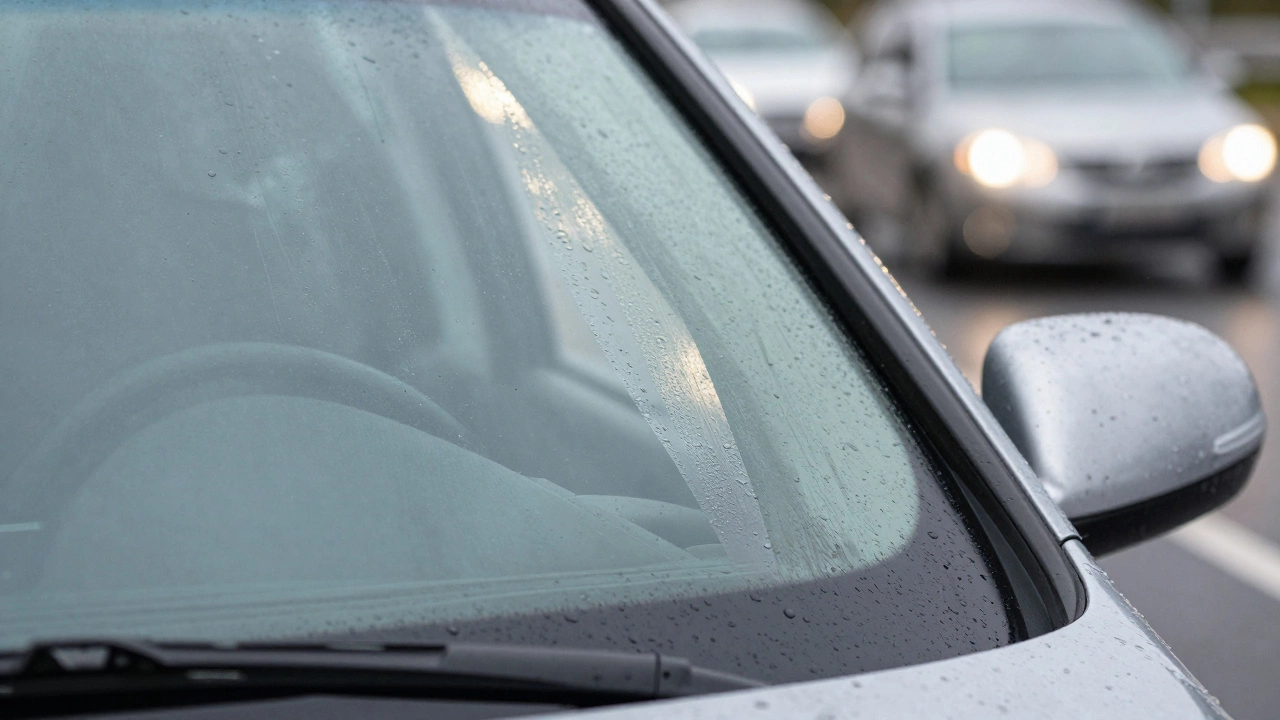
This results in unwiped zones-patches of glass near the edges or corners of the windscreen that remain covered in rain, snow, or mud. These blind spots are particularly dangerous during night driving or high-speed travel on motorways like the M5 or M6.
- Reduced Visibility: Even a small unwiped strip can distort light from oncoming headlights, creating glare that makes it hard to see lane markings or pedestrians.
- Ineffective Cleaning: Modern cars rely on washer fluid jets aimed at specific points on the windscreen. If the wiper blade is too short, it may miss the concentrated spray entirely, leaving dirty residue smeared across the glass rather than cleared away.
- Aesthetic Issues: While less critical, having wipers that look comically small compared to the vast expanse of glass can be frustrating. It signals that the vehicle isn’t being maintained properly, which can affect resale value perception.
Think about trying to read road signs in foggy conditions. If half the sign is obscured by an unwiped patch of condensation, you’ve lost crucial reaction time. That’s the real cost of a cheap, ill-fitting part.
Hidden Risks: Frame Compatibility and Attachment Types
Size isn’t just about length in inches or centimeters. It’s also about how the blade connects to your car’s wiper arm. Using the wrong attachment type-even if the length is correct-can lead to failure.
There are dozens of connector types: J-hook (the most common), bayonet, pin-lock, side-pin, and proprietary systems used by brands like BMW, Mercedes, and Land Rover. Forcing a blade onto an incompatible hook can:
- Damaging the Wiper Arm: Prying a mismatched blade onto a tight hook can bend the metal arm or crack the plastic retaining clip. Once the clip breaks, the blade flies off at speed-a major hazard for both you and other drivers.
- Poor Contact Pressure: If the connector doesn’t seat correctly, the blade won’t apply even pressure across the windscreen. This leads to chatter, squeaking, and uneven wiping patterns.
- Vibration and Noise: A loose connection causes the blade to vibrate excessively. This noise is distracting and indicates that the blade isn’t doing its job efficiently.
Always check your vehicle’s manual or use an online fitment guide based on your exact make, model, and year. Don’t guess. A £10 wiper blade shouldn’t cost you £100 in labor to fix a bent arm.
How to Find the Correct Wiper Blade Size
Finding the right size is easier than most people think. You don’t need to measure the old blade with a tape measure unless it’s completely broken. Here’s the reliable method:
| Method | Accuracy | Effort Level |
|---|---|---|
| Vehicle Registration Plate Lookup | High | Low |
| Owner’s Manual | High | Medium |
| Measuring Old Blade | Medium | High |
| Generic 'Universal' Fit | Low | Low |
1. Use Your License Plate Number: Most reputable auto parts retailers in the UK offer a lookup tool. Enter your registration number, and the system pulls data from the Vehicle Identification Number (VIN) database to give you the exact OEM specifications. This accounts for any factory variations between trim levels.
2. Check the Owner’s Manual: Flip to the maintenance section. Manufacturers list the recommended wiper sizes for the driver’s side, passenger’s side, and rear window (if applicable). Note that some cars have different sizes for left and right sides.
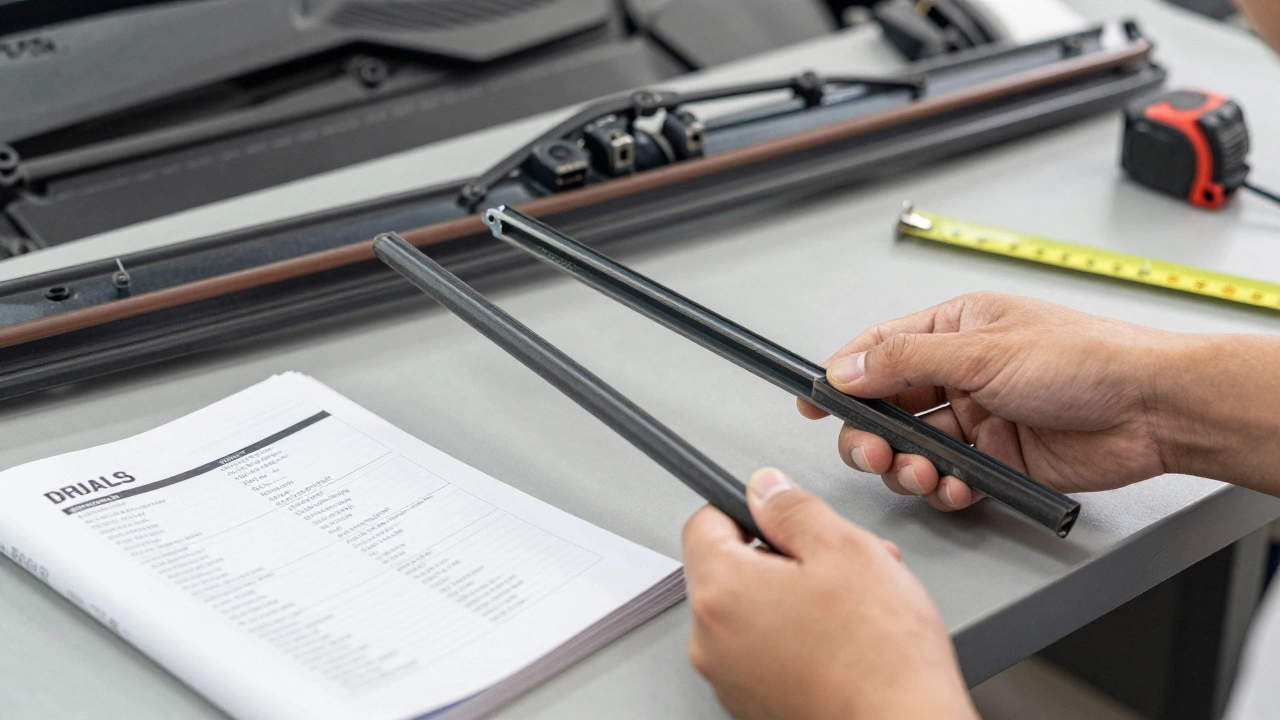
3. Measure Carefully: If you must measure, pull the wiper arm away from the glass (use a towel to protect the windscreen!). Measure the rubber blade itself, not the metal arm. Round to the nearest inch. For example, if it measures 21.5 inches, buy a 22-inch blade.
Pro Tip: Always replace wipers in pairs. Even if one looks fine, the rubber degrades at similar rates. Mixing old and new blades leads to uneven wiping performance.
Signs Your Current Wipers Are Failing (Regardless of Size)
Sometimes the problem isn’t the size, but the condition. Even perfectly sized wipers fail due to age, UV exposure, and dirt buildup. Watch for these signs:
- Chattering or Skipping: The blade jumps across the glass instead of gliding smoothly. This often means the rubber is hardened or contaminated with oil/resin.
- Streaking: Visible lines of water remain after a wipe. This indicates worn rubber edges or a misaligned frame.
- Squeaking Noises: Dry friction between rubber and glass. Try cleaning the blade with soapy water first; if it persists, replace the blade.
- Visible Cracks or Tears: Inspect the rubber edge. Any splits mean it’s no longer sealing against the glass.
In the UK climate, where we get frequent acid rain and bird droppings, wipers degrade faster than in drier regions. Replace them every 6-12 months, regardless of appearance.
What to Do If You’ve Already Installed the Wrong Size
Don’t panic. If you’ve just fitted the wrong blades, here’s how to mitigate damage:
- Remove Them Immediately: If they overlap or hang off the edge, take them off before driving in wet conditions.
- Inspect for Damage: Check the wiper arms for bends and the windscreen for scratches caused by metal-to-glass contact.
- Order the Correct Size: Use your license plate to find the right fit. Keep the old ones as backups until the new ones arrive.
- Clean the Windscreen: Before installing new blades, clean the glass thoroughly with automotive glass cleaner. Remove any silicone dressing or wax that could interfere with adhesion.
If you notice unusual noises from the wiper motor after using wrong-sized blades, have a mechanic inspect the linkage. Early detection prevents total motor failure.
Frequently Asked Questions
Can I use a wiper blade that is 1-2 inches larger than recommended?
Generally, no. Even a 1-inch difference can cause the blades to overlap or strike the windscreen frame. This leads to streaking, increased wear on the wiper motor, and potential damage to the vehicle's bodywork. Stick to the manufacturer's specified size for optimal performance and safety.
Does it matter if the driver's side wiper is different from the passenger's side?
Yes, many vehicles require different sizes for the left and right sides due to the shape of the windscreen and the position of the wiper pivots. Using the same size on both sides can result in uncovered areas or overlapping blades. Always check your vehicle's specific requirements.
Will using the wrong size wiper blade void my car warranty?
Unlikely to void the entire warranty, but if the wrong-sized blades cause damage to the wiper motor, linkage, or windscreen, the repair costs may not be covered under warranty. Manufacturers expect owners to use correct parts. Documenting proper maintenance helps protect your claim.
How do I know if my wiper blade is too small?
If you notice unwiped patches of water near the edges or corners of your windscreen, especially during heavy rain, your blades are likely too short. You may also see that the wiper arm extends significantly beyond the rubber blade, indicating a mismatch in length.
Can I mix different brands of wiper blades as long as the size is correct?
Technically yes, but it's not recommended. Different brands may have varying rubber compounds, frame designs, and pressure distributions. Mixing them can lead to uneven wiping performance, where one side clears well while the other leaves streaks. For best results, use matching sets from the same brand.
Why do some cars have curved wiper blades?
Curved or beam-style wipers are designed to conform to the curvature of modern windscreens. They provide even pressure across the entire blade length, reducing streaking and improving visibility. They also tend to be more aerodynamic, preventing lift at high speeds. Ensure you buy the correct curve radius for your vehicle.