Brake Job Cost Estimator
Configuration
Estimated Cost Breakdown
Recommendation:
Based on your selection...
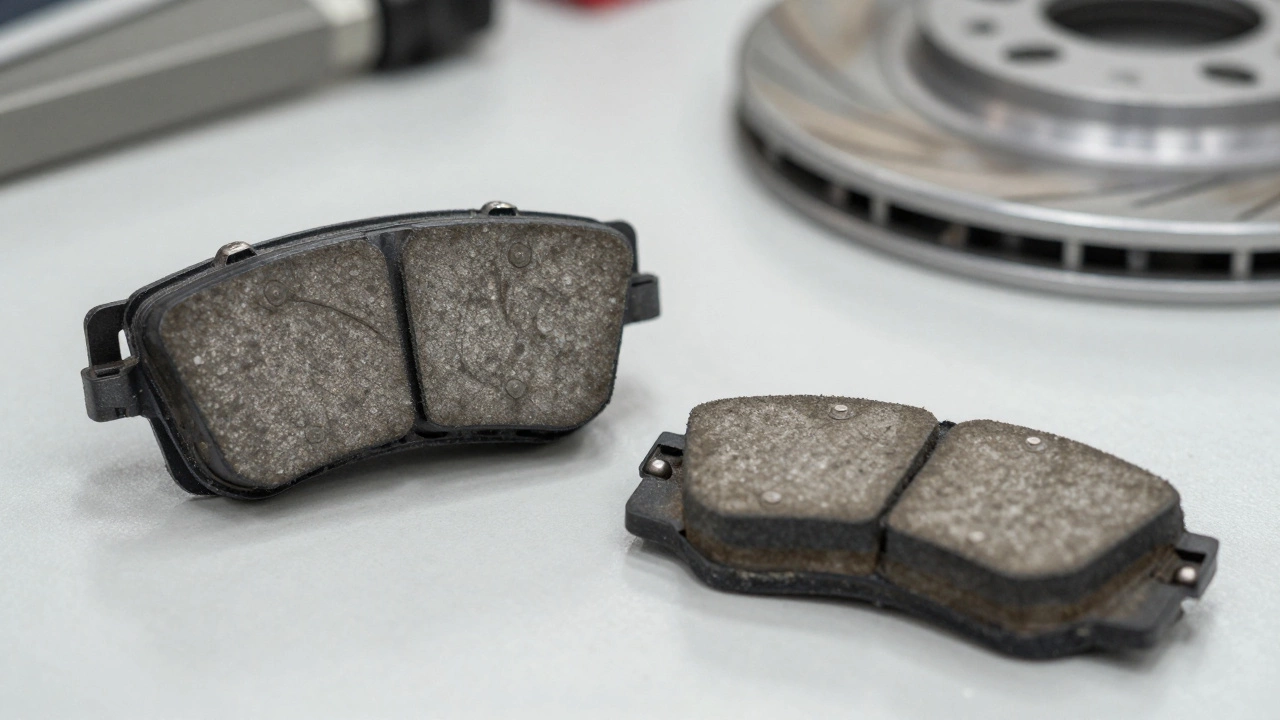
You pull up to a stoplight, press the pedal, and hear that high-pitched metal-on-metal screech. It’s not just annoying; it’s your car telling you that your brake pads are worn down to the rivets. The immediate question isn't just "do I need new ones?" but "how much is this going to hurt my wallet?"
The short answer is: it depends. But not in a vague way. In 2026, the cost of a set of four axle brake pads (typically meaning two axles or a full set for all four wheels) ranges wildly from $40 for budget aftermarket parts to over $300 for premium OEM or performance ceramics. Labor adds another layer of complexity. If you’re looking at the total bill at a dealership versus a quick-lube shop versus doing it yourself in your driveway, the numbers change drastically.
Let’s break down exactly what you are paying for, why some pads cost five times more than others, and how to avoid getting ripped off when your braking system needs attention.
Parts Only: The Base Price Breakdown
When people ask about the cost of brake pads, they usually mean the hardware itself. However, "a set of 4" can be confusing terminology. Most cars require four pads per axle (two inner, two outer). So, do you mean one axle (front or rear) or all four wheels? For this guide, we’ll look at the cost for one axle (four pads), as that is the standard service interval unit, and then scale up for all four wheels.
| Type | Price Range (One Axle) | Best For |
|---|---|---|
| Budget / Economy | $15 - $30 | Older commuter cars, low mileage drivers |
| Semi-Metallic | $30 - $60 | Daily drivers, heavier vehicles, towing |
| Ceramic | $60 - $120 | Quiet operation, low dust, modern sedans/SUVs |
| OEM / Dealer Parts | $80 - $150+ | Warranty preservation, exact factory match |
| Performance / Track | $100 - $250+ | Track days, aggressive driving, high heat |
If you need all four wheels done, simply double these figures. A full set of ceramic pads for a mid-size SUV might run you $200-$240 in parts alone. That’s before you touch a wrench.
Why Do Prices Vary So Much? Material Matters
You aren’t just paying for friction material. You are paying for chemistry, engineering, and manufacturing quality. The three main types of brake pads dictate the price tag significantly.
Semi-Metallic Pads: These contain steel fibers, copper, and other metals mixed with fillers. They are durable and handle heat well, which makes them great for trucks and heavy loads. However, they tend to be noisier and create more brake dust. Because the materials are cheaper to source and manufacture, they sit in the lower-to-mid price range.
Ceramic Pads: These use ceramic fibers instead of metal. They are quieter, produce very little dust (keeping your wheels cleaner), and offer consistent stopping power in everyday conditions. The downside? They are more expensive to make and don’t handle extreme track-day heat as well as metallic compounds. This is why you see the higher price point here. For most daily drivers, this is the sweet spot between comfort and cost.
Organic (NAO) Pads: Made from glass, rubber, and carbon, these are the quietest but wear out faster. They are rare on modern vehicles except for specific European imports or vintage cars. Their price varies based on niche availability.
Carbon-Ceramic: Found on luxury sports cars like Porsche or BMW M models, these can cost thousands. We won’t focus on these unless you’re driving a supercar, as they operate in a completely different economic bracket.
The Hidden Costs: Rotors, Hardware, and Sensors
Here is where many budgets blow up. You buy the pads, but the mechanic says, "We also need to replace the rotors." Why?
Brake rotors (discs) wear down over time due to heat and friction. If they are warped, cracked, or below the minimum thickness specification, putting new pads on old rotors is a waste of money. The new pads will conform to the imperfections in the old rotor, leading to vibration, noise, and reduced braking efficiency.
- Rotor Replacement Cost: Expect to pay $30-$60 per rotor for aftermarket parts, or $60-$100+ for OEM. Replacing both front rotors can add $100-$200 to your parts bill.
- Hardware Kits: Springs, clips, and shims keep the pads in place. These often corrode or bend during removal. Reusing old hardware is risky. A hardware kit costs $10-$20 per axle.
- ABS Wear Sensors: Many modern cars have sensors that beep when pads are low. These are sometimes single-use or brittle. If yours breaks during installation, that’s another $20-$50 part.
A smart approach? Inspect your rotors before buying anything. If they have deep grooves or ridges, factor in the cost of resurfacing ($10-$20 per rotor at a machine shop) or replacement.
Labor Costs: DIY vs. Shop vs. Dealership
This is the biggest variable in your final invoice. Labor rates in 2026 have stabilized but remain high in urban centers.
Dealerships: They charge premium labor rates, often $150-$250 per hour. A brake job typically takes 1-1.5 hours. Add markup on OEM parts, and a simple front brake pad replacement at a dealer can easily exceed $400-$600 total.
Independent Mechanics: Local shops usually charge $90-$150 per hour. They may use aftermarket brands like Wagner, Bosch, or Akebono, which are reliable and cheaper. Total cost for pads and labor on one axle: $200-$350.
Quick Lube Chains: Places like Jiffy Lube or Midas often offer flat-rate pricing. You might see a special for "$149 Front Brakes." Be careful-these deals often exclude rotors, taxes, and environmental fees. Always ask for the out-the-door price.
DIY (Do It Yourself): If you have basic tools (jack, jack stands, socket set, C-clamp) and confidence, you only pay for parts. Saving $150-$300 is common. Just remember to lubricate the caliper slides and torque lug nuts correctly. Safety is non-negotiable here.
Brand Reputation and Quality Tiers
Not all brake pads are created equal. Some brands invest heavily in R&D to reduce fade and noise, while others cut corners.
- Premium Tier: Akebono, Bosch, Zimmermann. These often meet or exceed OEM specs. Higher price, but better longevity and less dust.
- Mid-Tier: Wagner, Centric, Power Stop. Good balance of price and performance. Widely available and trusted by mechanics.
- Budget Tier: Generic store brands, unknown online sellers. Risk of inconsistent friction coefficients, early wear, and excessive noise. Save money now, spend more later on rotors.
I recommend sticking to mid-tier or premium brands for your primary vehicle. The difference in peace of mind is worth the extra $20-$40.
Signs You Need New Brake Pads Now
Don’t wait for the price to go up or your safety to drop. Watch for these indicators:
- Squealing Noise: Most pads have a small metal tab that touches the rotor when the pad is thin. It’s designed to annoy you into getting service.
- Vibration in Pedal: Usually indicates warped rotors, but can stem from uneven pad wear.
- Longer Stopping Distance: If you feel like you’re pressing harder to stop, your friction material is gone.
- Dashboard Warning Light: Modern cars monitor pad thickness electronically. If the light is on, check immediately.
- Visual Inspection: Look through your wheel spokes. Healthy pads have several millimeters of material. If it looks thinner than a quarter, replace them.
Pro Tips to Save Money on Brake Jobs
Brake maintenance doesn’t have to break the bank if you plan ahead.
- Buy Online, Install Locally: Websites like RockAuto, Amazon, or FCP Euro often sell parts 30-50% cheaper than local auto stores. Pay a local mechanic a reduced labor fee to install them.
- Check Warranty: If your car is under warranty, brakes might be covered if premature wear is due to a defect (rare, but possible).
- Drive Smoothly: Aggressive braking wears pads twice as fast. Anticipate stops and ease off the gas early.
- Flush Brake Fluid Regularly: Old fluid absorbs moisture, leading to corrosion inside the calipers. Sticky calipers drag pads against rotors, causing uneven wear. Flush every 2 years.
Frequently Asked Questions
How much does it cost to replace brake pads on all four wheels?
Replacing brake pads on all four wheels typically costs between $200 and $600 for parts and labor combined, depending on your vehicle type and the brand of pads chosen. Luxury vehicles or those requiring rotor replacement can exceed $800. DIYers will pay only for parts, ranging from $80 to $250 for a full set of quality ceramic pads.
Are ceramic brake pads worth the extra cost?
For most daily drivers, yes. Ceramic pads are quieter, produce significantly less brake dust (keeping wheels cleaner), and offer consistent performance in normal weather. They last longer than semi-metallic pads in city driving. However, if you tow heavy loads or drive aggressively on mountain roads, semi-metallic pads may be a better value due to their superior heat dissipation.
Can I just replace the brake pads without changing the rotors?
Yes, if the rotors are still within manufacturer specifications for thickness and smoothness. If your rotors are scored, warped, or near the minimum thickness limit, replacing only the pads is unsafe and wasteful. The new pads will quickly wear unevenly or cause vibration. Always have a mechanic measure rotor thickness before deciding.
How often should brake pads be replaced?
Most brake pads last between 30,000 and 70,000 miles. City drivers who stop frequently may need replacements closer to 30,000 miles, while highway commuters might reach 70,000. Driving style, vehicle weight, and pad material all affect lifespan. Check them every 10,000 miles or during routine oil changes.
Is it safe to drive with worn brake pads?
No. Worn brake pads increase stopping distances and risk damaging your rotors. Once the friction material is gone, the metal backing plate grinds against the rotor, causing expensive damage and potential brake failure. Replace them as soon as you notice squealing, grinding, or increased pedal travel.