Windshield Wiper Cost & Value Estimator
Replacement Cost Calculator
Quick Price Breakdown
- Budget/Conventional: $10 - $20 per blade
- Mid-range/Hybrid: $20 - $35 per blade
- Premium/Beam: $30 - $50 per blade
- Professional Installation: Add $20 - $50 in labor
The Real Cost of Different Blade Types
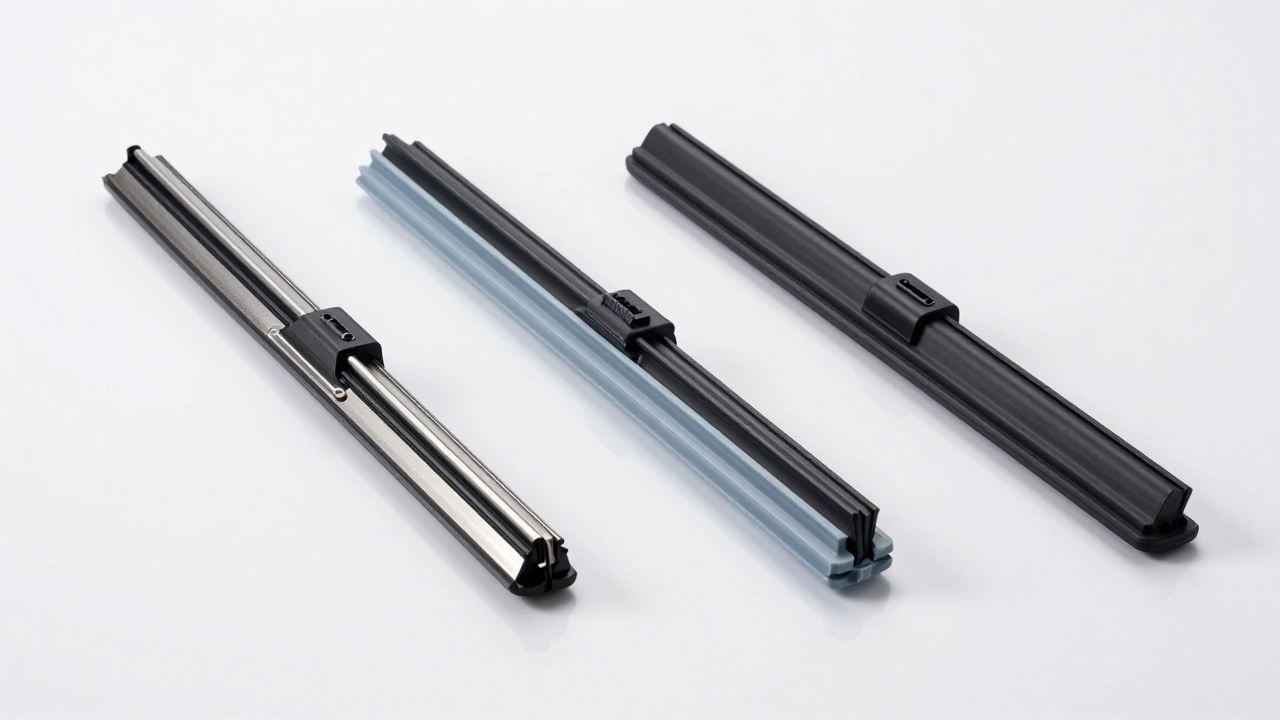
Not all wipers are created equal. When you're looking at windshield wipers cost, the first thing you'll notice is the design. The cheapest option is the conventional frame blade. Conventional Wiper Blades are metal-framed wipers with a curved rubber edge that uses a traditional spring tension system. They're great for a quick fix or a car you plan to sell in a month, but they struggle with wind lift at highway speeds. You can usually pick these up for around $12 at a big-box store.
Then you have the hybrid versions. These are essentially a mix of the old-school metal frame and the new-school beam design. They have a hard plastic shell that protects the frame and provides more consistent pressure across the glass. You're looking at roughly $25 per blade here. They're a solid middle ground for people who drive in varying weather conditions and want something that lasts a bit longer than the bare-bones metal version.
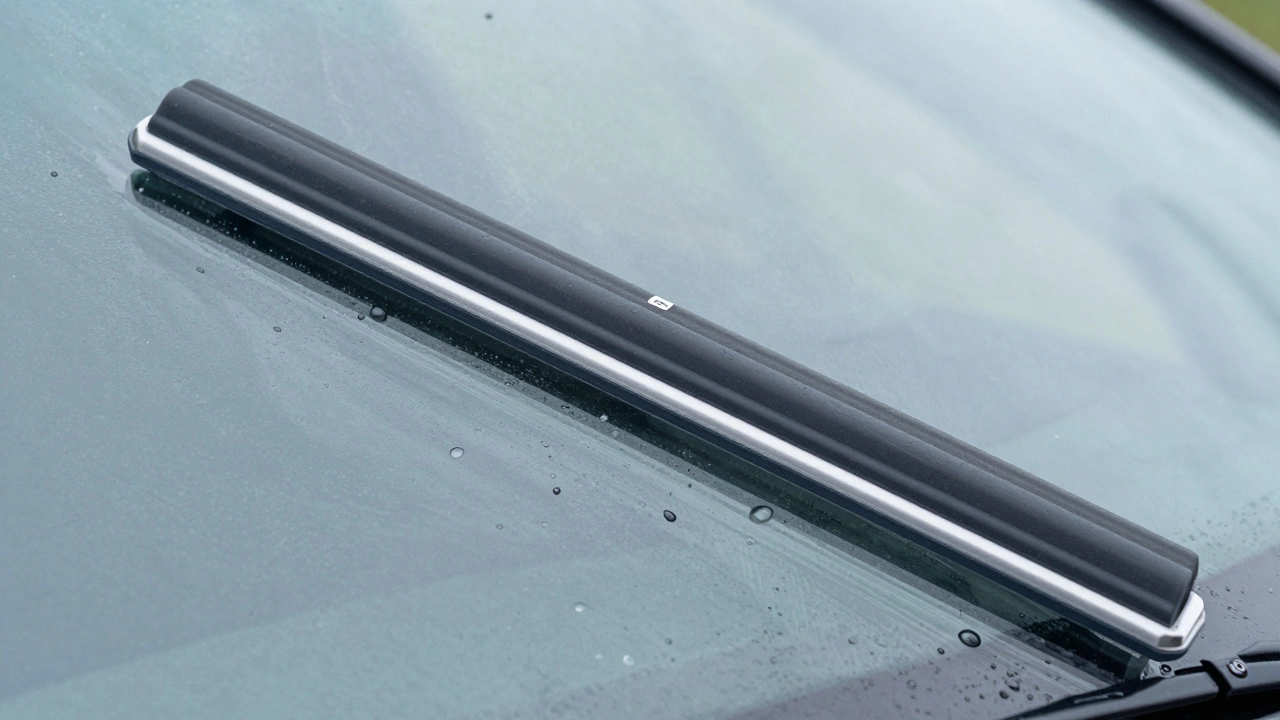
At the top end, you'll find Beam Wiper Blades, which are frameless wipers made from a single piece of molded rubber and steel. These are the ones that look like a single curved arc. Because they don't have joints, there's nothing to freeze in the winter and no hinges to rust. These can run $40 or more per blade. While the initial hit to your wallet is higher, they often outlast conventional blades by several months, especially in harsh climates.
| Blade Type | Avg. Price (Per Piece) | Lifespan | Best For |
|---|---|---|---|
| Conventional | $10 - $20 | 6-9 Months | Budget/City Driving |
| Hybrid | $20 - $35 | 12-18 Months | All-Weather Utility |
| Beam | $30 - $50 | 18-24 Months | Highways & Extreme Cold |
DIY vs. Professional Installation Costs
You have two choices: spend twenty minutes in your driveway or pay a pro to do it while you wait. Changing wipers is one of the simplest car tasks, but if you've never done it, the fear of snapping a plastic tab is real. If you go to a Quick Lube shop or a dealership, you're not just paying for the part; you're paying for the convenience. A dealership might charge you $60 for a blade that costs $25, plus a $20 installation fee.
If you do it yourself, you save that labor fee. Most modern cars use a standard J-hook or a side-pin connector. If you're unsure, check your owner's manual or a quick video. The only real "risk" of DIY is buying the wrong size. A windshield wiper that's too short leaves a blind spot right in your line of sight, and one that's too long will overlap with the other blade, creating a messy streak across your view.
Factors That Drive the Price Up
Why is one blade $15 and another $45? It's not just brand marketing. The rubber compound is the biggest factor. Cheap blades use standard rubber that dries out and cracks under the sun's UV rays. Premium blades often use Silicone, which is a synthetic polymer that resists heat and cold far better than natural rubber. Silicone blades are more expensive because the material is costlier to produce, but they don't get brittle as quickly.
Another cost driver is the coating. Some high-end blades come with a built-in water repellent. As the wiper moves, it leaves a thin layer of hydrophobic coating on the glass. This makes rain bead up and roll off, meaning you don't have to use the wipers as often. It's a luxury feature, and you're paying for that chemical additive in the price.
When to Stop Trying to Save Money
It's tempting to buy the cheapest set available, but there's a point where saving $10 costs you too much in safety. If you live in a place with heavy snow or monsoon-level rain, a cheap conventional blade is a liability. When the wind hits 60 mph on the highway, those cheap frames can lift off the glass, leaving you effectively blind during a storm.
Also, consider the "scratch factor." Poor quality rubber or a blade that has become too stiff can actually scratch your Windshield Glass. Replacing a scratched windshield involves dealing with insurance deductibles and hours of waiting-far more expensive than spending an extra $20 on a quality beam blade today.
Common Pricing Pitfalls to Avoid
Watch out for "bundle deals" that seem too good to be true. Some stores sell packs of four cheap blades for $20. Unless you have two cars exactly the same, this is a waste of money. You only need the specific lengths for your driver and passenger sides. Buying a pack of generic blades often means you're getting lower-grade rubber that will fail in six months, forcing you to buy them again.
Another trap is the "premium' upgrade at the shop. A technician might tell you that you need the $60 ceramic-coated blades for "maximum visibility." While they are better, they aren't a necessity. A standard $30 hybrid blade is more than enough for 90% of drivers. Don't let the fear of a rainstorm trick you into overpaying for a feature you don't actually need.
How often should I replace my windshield wipers?
Generally, you should swap them every 6 to 12 months. However, if you notice streaks, chattering (the blade jumping across the glass), or if the rubber is visibly cracking, replace them immediately regardless of how long it's been.
Do expensive wipers actually last longer?
Yes, typically. Beam and silicone blades are designed to withstand UV damage and extreme temperature swings much better than conventional rubber. While a cheap blade might last 6 months, a premium silicone beam blade can often go 18 to 24 months before losing its effectiveness.
Can I just replace the rubber insert instead of the whole blade?
On some older conventional frames, you can buy a rubber refill. This is the cheapest option, but it's becoming rare as more cars move toward beam and hybrid designs where the rubber is molded directly into the structure.
Why are my new wipers streaking already?
This is usually caused by dirty glass, not bad blades. Oil, tree sap, and road grime build up on the windshield. Use a dedicated glass cleaner or a vinegar solution to strip the oils off the glass, and the streaks will likely disappear.
What happens if I buy the wrong size wiper?
If the blade is too long, it may hit the side of the windshield frame or overlap with the other wiper, leaving a large un-wiped area. If it's too short, you'll have a gap in your field of vision, which is dangerous during heavy rain.
Next Steps for Maintenance
If you're not sure which blade to buy, check the sticker inside your driver-side door jam or the owner's manual for the exact lengths. If you're on a budget, go with a hybrid blade-it's the best value for the money. For those who live in freezing climates, don't even look at conventional frames; go straight for the beam blades to avoid ice buildup in the joints. To make your new blades last longer, wipe the rubber edge with a damp cloth every few weeks to remove grit and salt that can wear down the silicone.