Clutch Lifespan & Cost Estimator
⚙ Vehicle & Driving Profile
📈 Your Estimates
Enter your details and click calculate to see personalized estimates.
Quick Reference Guide
There is no single mileage number that tells you exactly when your clutch will fail. Some drivers keep the original unit for over 200,000 miles; others need a new one before they hit 30,000. The difference usually comes down to how you drive and where you drive.
If you are sitting in heavy city traffic every day, stopping and starting constantly, your clutch works much harder than it does if you cruise on highways. Understanding the factors that wear out this critical component helps you plan for the repair before you get stranded.
What Is the Average Lifespan of a Clutch?
For most standard manual transmission vehicles, the general rule of thumb is between 60,000 and 100,000 miles. This range covers the majority of daily commuters who mix city driving with highway trips.
However, "average" can be misleading. A taxi driver in New York City might replace their clutch every 40,000 miles due to constant stop-and-go movement. Conversely, a rural driver who mostly travels on open roads could easily push past 150,000 miles without touching the pedal assembly. The key takeaway is that time and mileage are less important than usage patterns.
| Driving Style | Estimated Mileage | Key Factors |
|---|---|---|
| Highway / Rural | 100,000 - 200,000+ miles | Fewer shifts, minimal slippage |
| Mixed Commuting | 60,000 - 100,000 miles | Balanced use of stops and cruising |
| City / Stop-and-Go | 30,000 - 70,000 miles | Frequent engagement/disengagement |
| Heavy Towing / Performance | 20,000 - 50,000 miles | High heat, high torque stress |
Top 5 Signs Your Clutch Needs Replacement
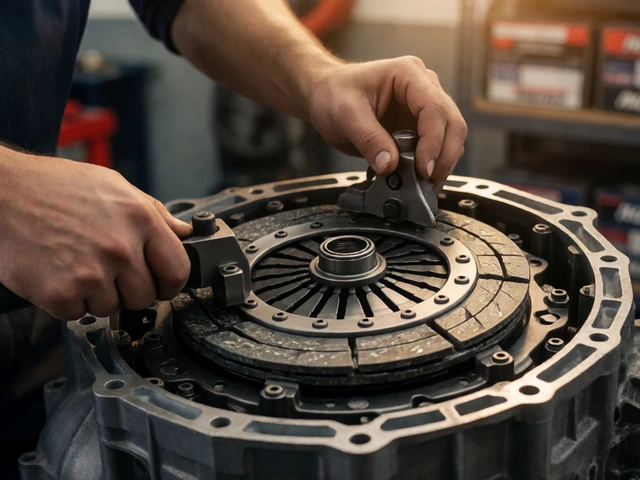
You don't have to wait for the clutch to completely fail to know something is wrong. The components inside the bell housing-the friction disc, pressure plate, and release bearing-degrade gradually. Pay attention to these five common symptoms:
- Slipping at High RPMs: You press the gas, the engine revs higher, but the car doesn't accelerate proportionally. This happens because the friction disc can no longer grip the flywheel tightly enough to transfer power.
- A Spongy or Sticky Pedal: If the clutch pedal feels mushy, vibrates, or sticks near the floor, there may be an issue with the hydraulic system (master/slave cylinders) or the mechanical linkage.
- Difficulty Shifting Gears: Grinding gears when shifting into reverse or other gears often indicates the clutch isn't fully disengaging from the transmission input shaft.
- Unusual Noises: A chattering noise when engaging the clutch from a stop, or a whirring sound when pressing the pedal down, points to a failing release bearing or warped pressure plate.
- Rising Bite Point: Over time, the friction material wears thin. You may notice you have to hold the pedal up higher than usual before the car starts to move.
Why Does the Clutch Wear Out?
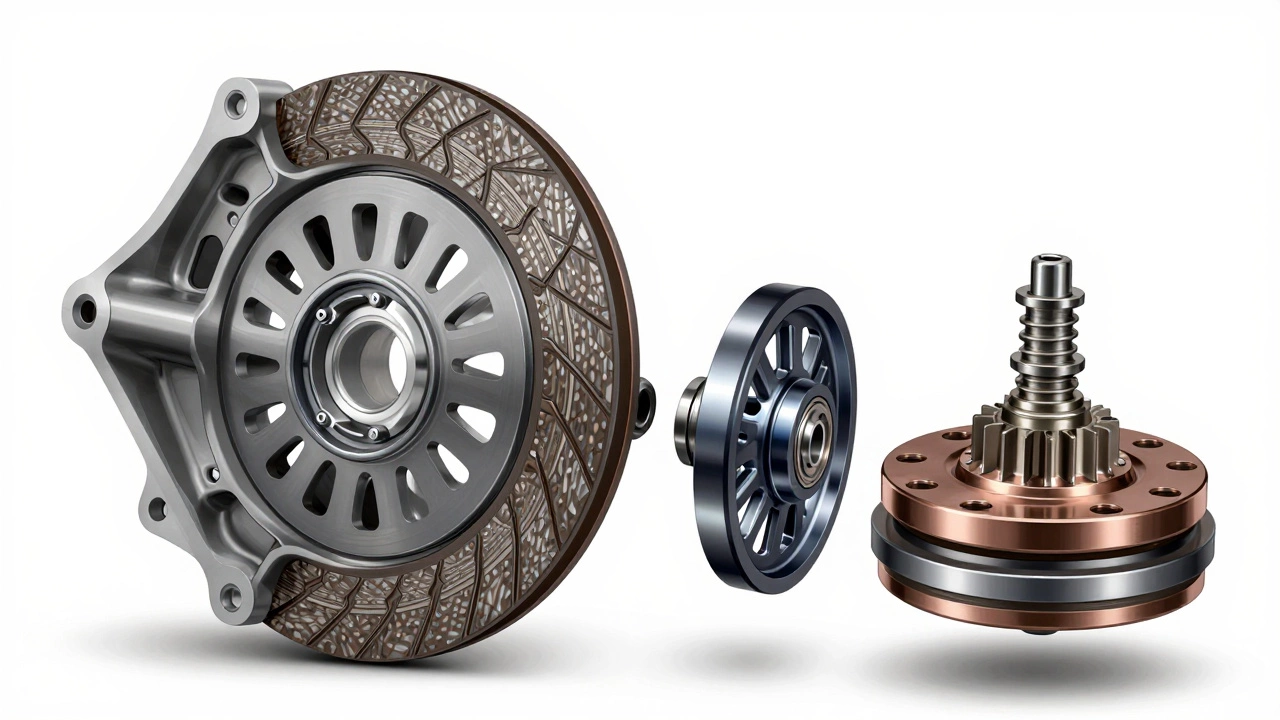
The friction disc is the heart of the clutch system. It sits between the engine's flywheel and the transmission. When you press the pedal, the disc separates from the flywheel, allowing you to change gears. When you release it, the disc clamps down again to transmit power.
This clamping action creates friction. Friction generates heat. Heat breaks down the organic materials in the friction disc. Every time you ride the clutch, start from a stop, or shift gears, you are using up a tiny bit of that material. Eventually, the disc becomes too thin to create sufficient grip.
Additionally, the pressure plate uses springs to apply force. These springs can fatigue over time, losing tension. If the pressure plate doesn't squeeze hard enough, the clutch slips, generating even more heat and accelerating wear.
Common Mistakes That Shorten Clutch Life
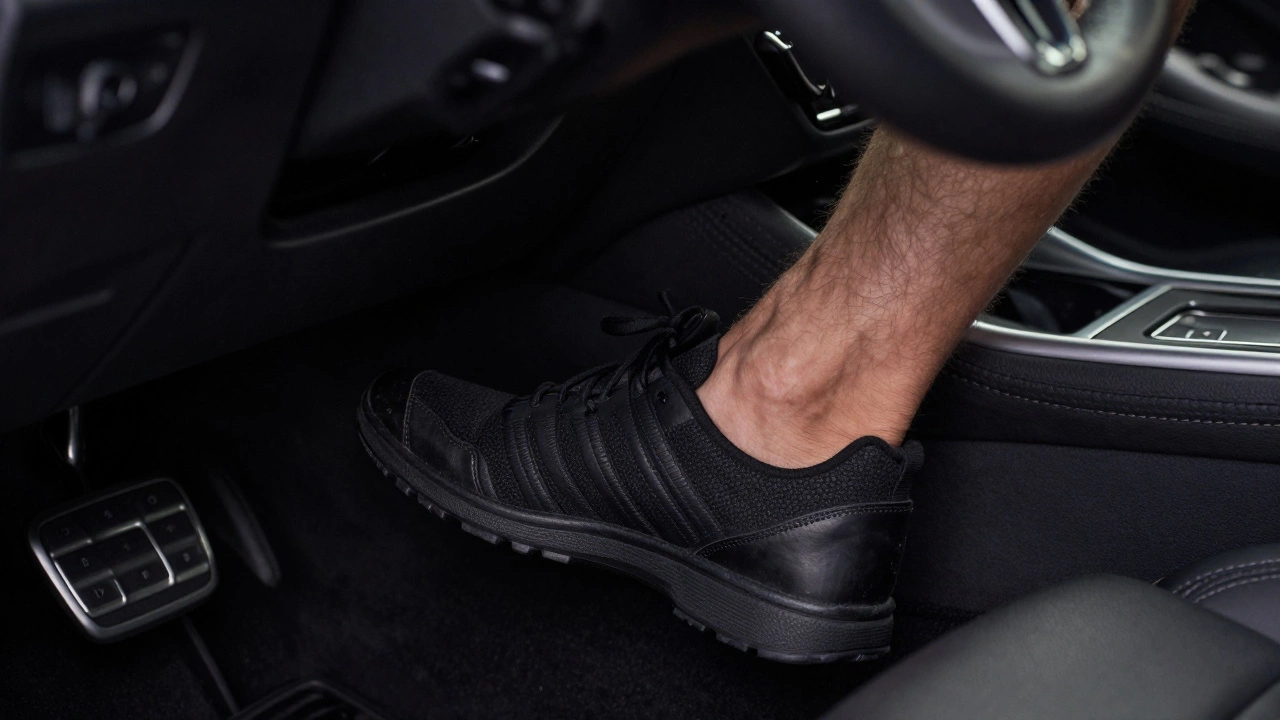
Many drivers unknowingly destroy their clutches faster than necessary through bad habits. Avoiding these behaviors can add tens of thousands of miles to your current setup.
- Riding the Clutch: Keeping your foot resting on the pedal while driving keeps the release bearing engaged and causes partial slipping. This generates immense heat. Only touch the pedal when you are actually shifting.
- Launching Aggressively: Revving the engine high and dumping the clutch quickly (often called "launch control" in performance cars) shreds the friction material instantly. Smooth engagement is key.
- Resting Your Foot on the Pedal: Even light pressure can cause micro-slippage over long distances. Use the footrest instead.
- Using the Clutch as a Brake: Downshifting repeatedly to slow down on hills (engine braking) is fine occasionally, but doing it excessively while also applying the brake pedal puts conflicting stress on the drivetrain.
- Holding the Car on Hills with the Clutch: Using the clutch bite point to hold the car stationary on an incline burns the disc. Use the parking brake or hill-start assist features instead.
Cost of Clutch Replacement in 2026
Replacing a clutch is not a cheap job, primarily because of labor. The mechanic must remove the entire transmission from the vehicle to access the clutch assembly. This process typically takes 4 to 8 hours of shop time.
In 2026, expect to pay between $1,200 and $2,500 for a complete replacement at a professional shop. Independent mechanics usually charge less than dealerships. The parts themselves-a clutch kit consisting of the disc, pressure plate, and release bearing-typically cost between $300 and $800 depending on the brand and vehicle type.
Luxury brands like BMW, Mercedes, or Audi often exceed $3,000 due to complex engine layouts that make transmission removal difficult. For economy cars like Honda Civics or Toyota Corollas, the job is more straightforward and cheaper.
Should You Replace the Flywheel Too?
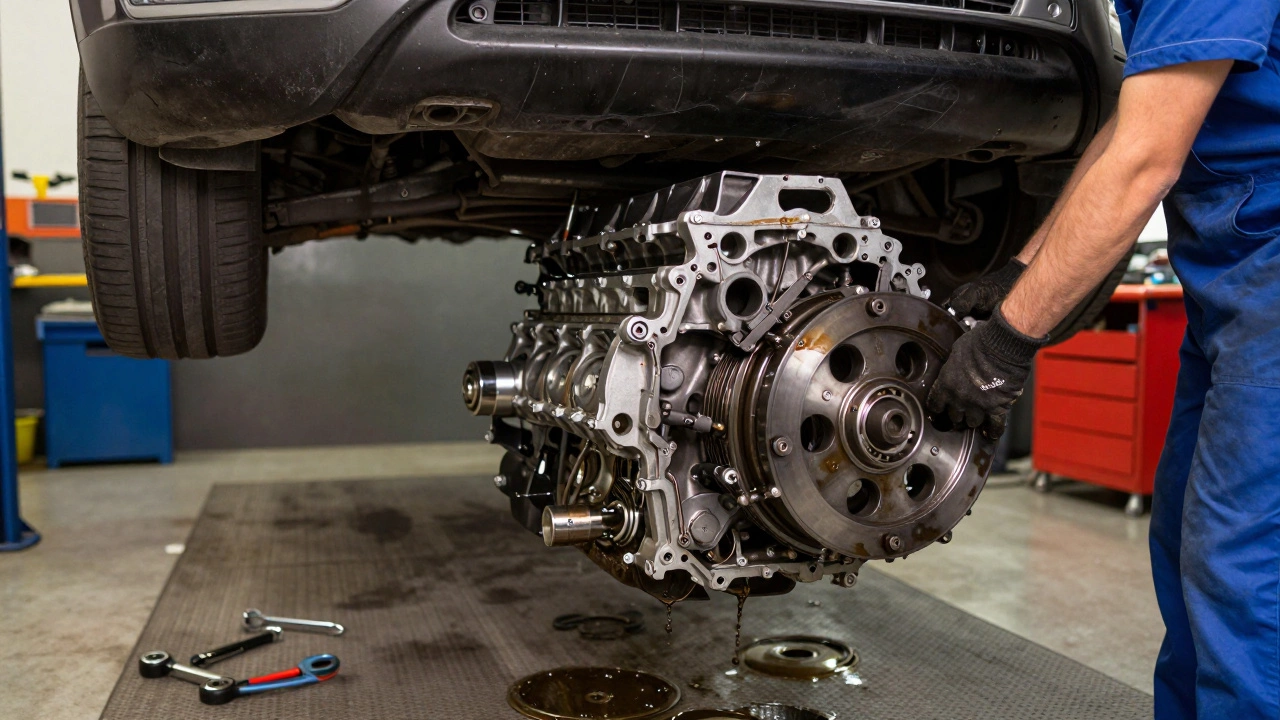
When you pull the transmission out, you expose the flywheel. This heavy steel disk stores rotational energy from the engine. Over years of clutch engagement, the surface of the flywheel can become glazed, scored, or warped.
If you install a new clutch on an old, damaged flywheel, the new friction disc will wear unevenly and fail prematurely. Most mechanics recommend resurfacing the flywheel (cost: $100-$200) or replacing it entirely if it has heat spots or cracks. Skipping this step saves money now but guarantees another repair bill sooner rather than later.
DIY vs. Professional Installation
Can you do it yourself? Yes, if you have a two-post lift, a jack stand set, a transmission jack, and significant mechanical experience. The job involves draining fluids, removing mounts, unbolted driveshafts, and carefully lowering the transmission.
However, for most people, the risk outweighs the savings. Misaligning the new clutch disc during installation can cause vibration and premature failure. Torquing bolts incorrectly can crack engine blocks or transmission cases. Unless you are comfortable working under a car for a full weekend, professional installation is the safer bet.
Can I just replace the clutch disc and keep the old pressure plate?
No, you should always replace the entire clutch kit. The pressure plate springs fatigue over time, and the release bearing wears out. Mixing old and new parts leads to imbalance and rapid failure of the new disc.
Does driving style really affect clutch life that much?
Yes, dramatically. A smooth driver who shifts at optimal RPMs can double the lifespan of a clutch compared to someone who rides the pedal or launches aggressively. City driving naturally wears clutches faster than highway cruising.
What is the difference between a standard and performance clutch kit?
Standard kits use organic friction material for smooth, quiet operation suitable for daily driving. Performance kits use ceramic or metallic materials that handle higher heat and torque but are stiffer, louder, and wear out faster in normal street conditions.
Is it expensive to replace a clutch in a BMW?
It tends to be very expensive. Due to the transverse engine layout and tight packaging in many BMW models, removing the transmission is labor-intensive. Expect costs ranging from $2,500 to over $4,000 at a dealership.
Can a bad clutch make my car unsafe to drive?
While it won't cause immediate accidents like brake failure, a severely slipping clutch can leave you unable to accelerate quickly when merging onto highways or passing other vehicles. A failed clutch cable or hydraulic line can also leave you stuck in gear or unable to shift.