Windshield Wiper Cost Estimator
Estimated Total:
Quick Price Breakdown
Before we get into the weeds, here is the baseline. For a standard passenger car, a single blade usually costs between $10 and $30 if you buy it yourself. If you take it to a dealership, expect to pay double or triple that once labor is added. Most cars need two blades up front and one in the rear, meaning your total 'kit' cost usually lands between $30 and $90.
| Wiper Type | DIY Price (Parts Only) | Professional Price (Parts + Labor) | Expected Lifespan |
|---|---|---|---|
| Conventional (Frame) | $10 - $15 | $25 - $45 | 6 - 12 Months |
| Beam (Frameless) | $15 - $25 | $40 - $70 | 12 - 24 Months |
| Hybrid | $20 - $30 | $50 - $90 | 18 - 24 Months |
Understanding the Different Blade Types
You can't just buy the cheapest option and expect the same result. The windshield wiper cost is tied directly to how the blade is constructed and how it hugs the glass.
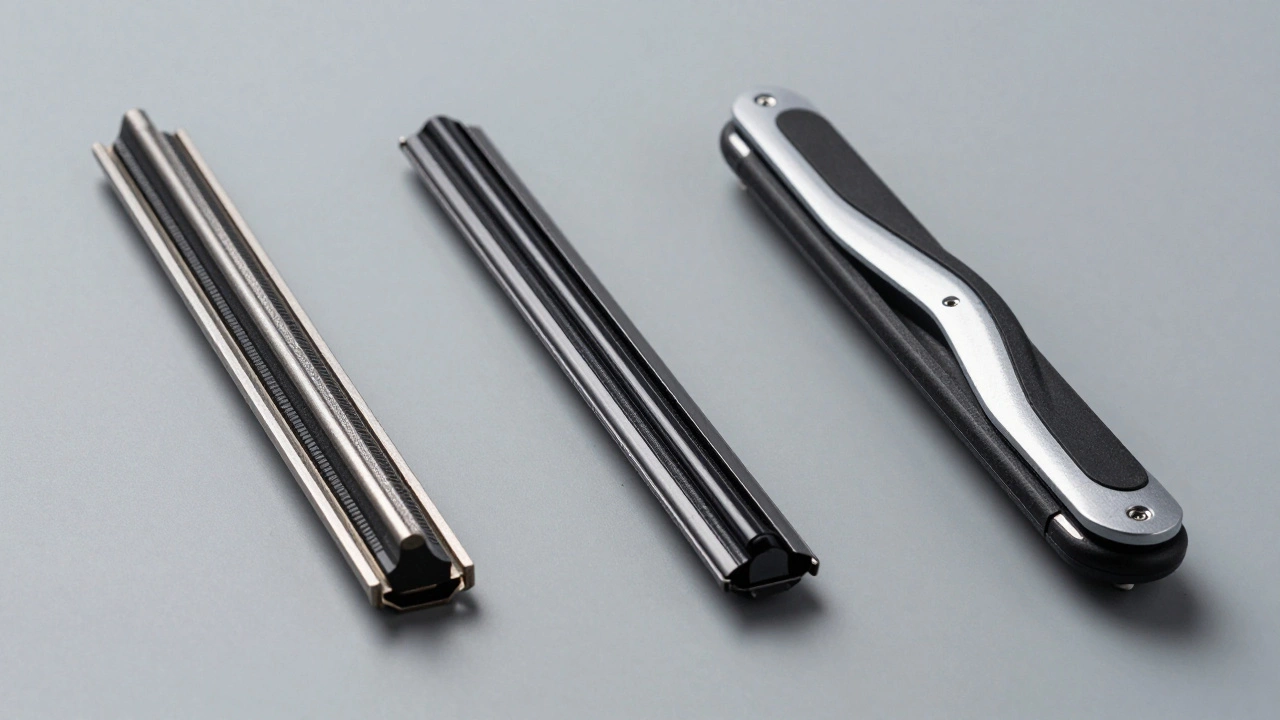
Conventional Wiper Blades are the old-school variety. They use a metal frame with several pivot points to push the rubber against the glass. They're cheap, but they have a major flaw: snow and ice get trapped in the frame, which can bend the metal or prevent the blade from touching the windshield entirely during a winter storm in places like the UK or Northern US.
Beam Wiper Blades don't have a metal frame. Instead, they use a single piece of tension-sprung rubber. This design allows them to apply even pressure across the entire curve of the windshield. Because they have no external frame to rust or clog with ice, they usually last longer and perform better at highway speeds where wind lift often makes cheaper blades "chatter" or lift off the glass.
Hybrid Wiper Blades are the best of both worlds. They combine the strong tension of a conventional frame with the aerodynamic shell of a beam blade. They are the most expensive option because they offer the most stability and a cleaner wipe, but for many drivers, the extra $10 per blade isn't a necessary expense.
The Hidden Costs: Labor and Convenience
If you've ever sat in a dealership waiting room for 20 minutes only to be charged $100 for two wipers, you've experienced the 'convenience tax.' Professional installation isn't technically difficult, but shops charge for the expertise of ensuring the correct fit and the liability of not scratching your paint.
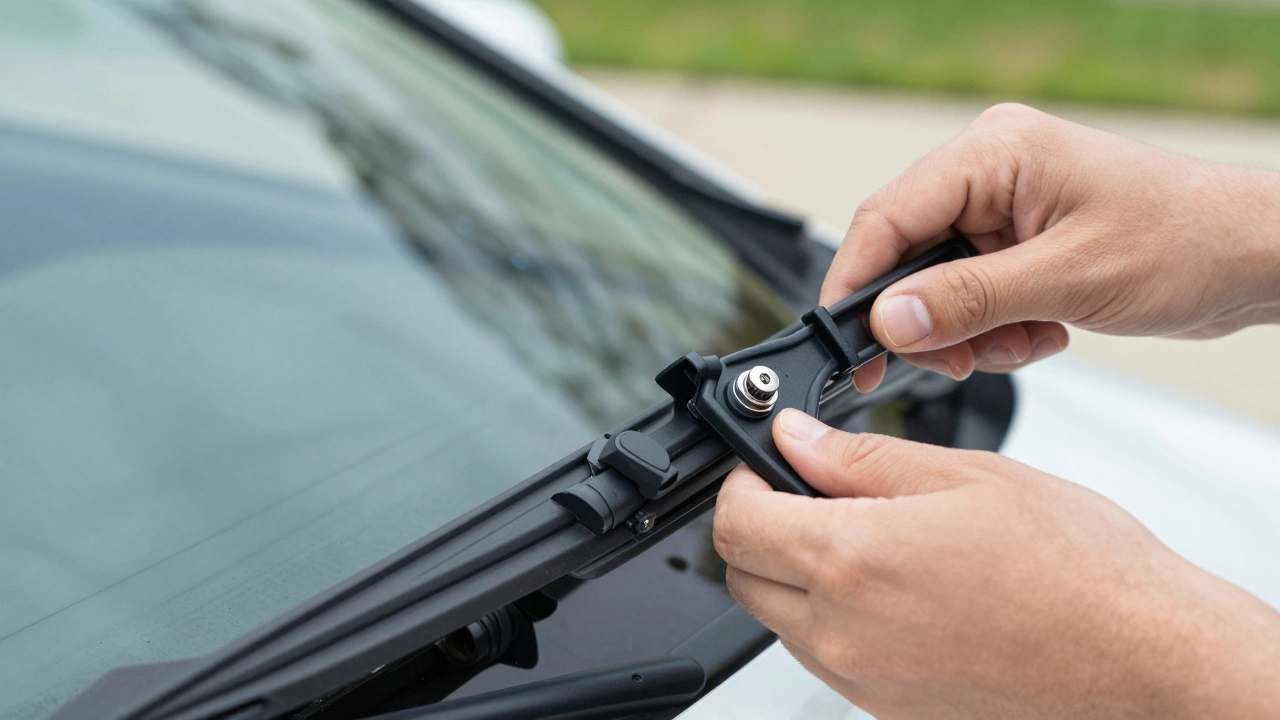
Most modern cars use a J-hook adapter or a Pin-type connector. If your car uses a standard J-hook, you can swap a blade in about 30 seconds. Paying a professional $30 in labor for a 30-second job is a tough pill to swallow. However, some luxury cars use complex Side-pin connectors or proprietary clips that can be frustrating for beginners. In those cases, paying a pro prevents you from snapping a plastic clip and having to buy a whole new wiper arm.
When Should You Actually Spend the Money?
Don't just change your wipers because the calendar says it's been six months. Look for these specific red flags that mean your safety is at risk:
- Streaking: If the blade leaves a line of water right in your line of sight, the rubber is likely chipped or worn thin.
- Chattering: That annoying 'hop' or vibration across the glass usually means the blade has lost its flexibility or the frame is warped.
- Squeaking: A loud screeching sound often indicates the rubber has dried out or become glazed from UV exposure.
- Tearing: If you see actual rips in the rubber edge, the blade is toast.
A pro tip for extending the life of your blades: clean your windshield with a dedicated glass cleaner and a microfiber cloth once a month. Grit and road salt act like sandpaper on your wiper rubber. If you wipe a dirty windshield, you're essentially sanding down your investment.

DIY vs. Professional: The Trade-off
Choosing between a DIY approach and a shop comes down to your comfort level with your car's hardware. If you're buying from a big-box store, you'll often find "all-in-one" kits that include both the driver and passenger blades. These are usually the best value. Just make sure you check the length-a blade that is too short leaves a blind spot, and one that is too long will overlap with the other blade or hit the A-pillar of your car.
If you decide to go the professional route, ask for a quote that separates the part cost from the labor cost. This allows you to see if they are upcharging you for a generic blade. A fair labor charge for wipers is typically the minimum shop fee, which might be 0.5 hours of work. If they charge you more than $20 for the actual act of clicking a blade into place, you're overpaying.
Do expensive wipers really last longer?
Generally, yes. Beam and Hybrid blades use higher-grade synthetic rubber and have no metal frames to rust. While a cheap conventional blade might last 6 to 10 months, a high-quality beam blade can often go 18 to 24 months before the rubber starts to degrade. You pay more upfront, but you replace them less often.
Can I just replace the rubber strip instead of the whole blade?
Some high-end or specialty wipers allow you to replace just the rubber insert. This is much cheaper and more sustainable. However, most modern 'all-in-one' beam wipers are designed as a single unit and must be replaced entirely. Check if your specific model has a removable insert before buying just the rubber.
Why are my new wipers still leaving streaks?
This usually happens for two reasons: either the windshield is coated in a layer of oil and road grime that needs a deep clean, or the wiper arm itself has lost its tension. If the metal arm isn't pressing the blade firmly against the glass, even a brand-new blade will streak. You may need to adjust the arm or replace the spring.
Is it worth buying the dealership brand wipers?
Rarely. Most dealerships simply rebrand high-quality blades from manufacturers like Bosch or Valeo. You can usually find the exact same technical specifications at an auto parts store for 40% to 60% less. Unless your car has a very rare, proprietary connection that only the dealer stocks, stick to reputable aftermarket brands.
How often should I replace my wipers?
The rule of thumb is every 6 to 12 months. However, if you live in an area with extreme heat (which dries out rubber) or harsh winters (where salt and ice tear the blade), you should check them every 3 months. If they start streaking or skipping, replace them immediately regardless of how old they are.
Next Steps for Better Visibility
If you've just replaced your wipers and still aren't happy with the view, try applying a hydrophobic glass treatment. These are liquid polymers that cause water to bead up and roll off the glass, meaning your wipers don't have to work as hard. This not only improves safety in heavy rain but also reduces the wear and tear on your new rubber blades.
For those who prefer a DIY approach, keep a small kit of microfiber cloths and a dedicated glass cleaner in your trunk. Wiping the blades down with a damp cloth every few weeks removes the buildup of road grime and can add a few months to the life of your wipers.