UK Brake Replacement Cost Estimator
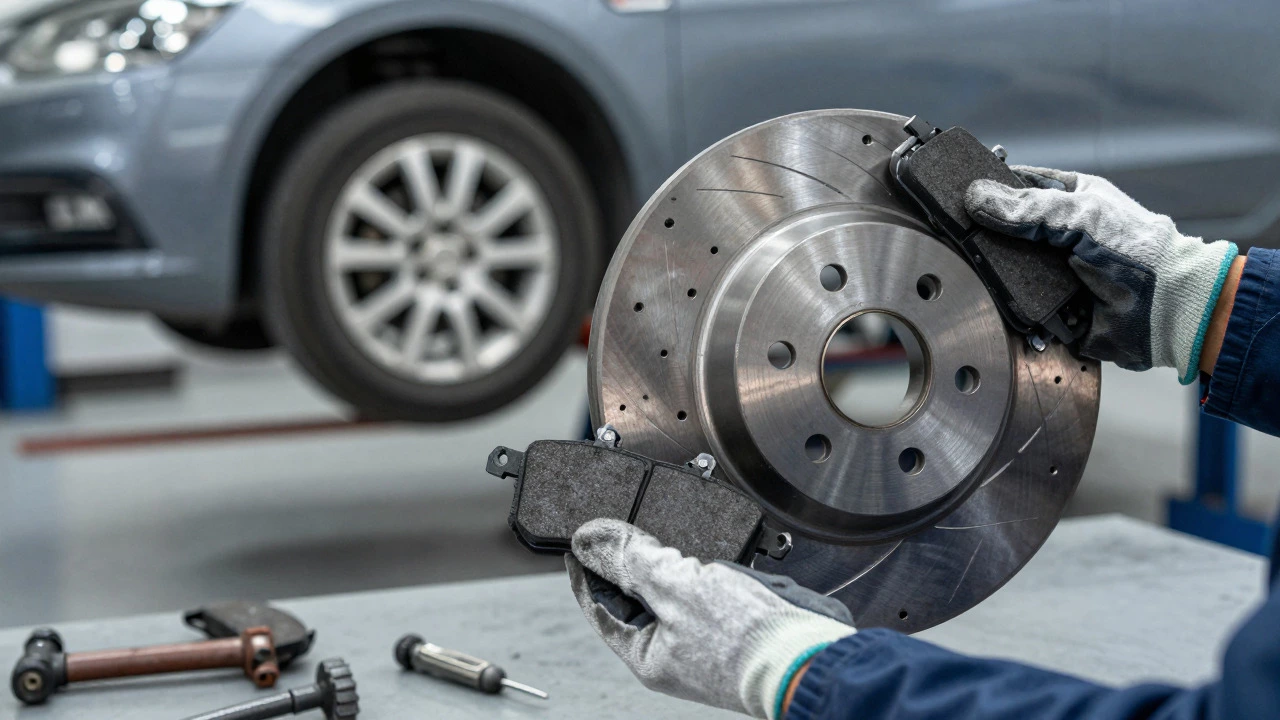
There is no single fixed price for replacing brake pads is a friction material component that presses against rotors to slow a vehicle down. and rotors. The final bill depends heavily on your car model, the quality of parts you choose, and whether you visit an independent garage or a dealership. However, knowing the typical ranges can save you from overpaying or getting caught out by hidden fees. In the UK market as of 2026, most drivers should expect to pay between £150 and £400 for a standard front axle job at an independent mechanic. Dealerships often charge significantly more, sometimes exceeding £600 for the same work.
Why Prices Vary So Much
The biggest factor driving up costs is the type of vehicle you drive. A compact hatchback like a Volkswagen Golf or Ford Focus uses smaller, cheaper components than a large SUV like a Range Rover Sport or Land Rover Discovery. Luxury brands also command higher labor rates because their systems are often more complex to access. For example, removing the wheel hub on some BMW models takes longer than on a Toyota Corolla due to different fastening mechanisms.
Labor rates differ across the country too. Mechanics in London or Bristol might charge slightly more per hour than those in rural areas, but the difference is usually modest compared to part costs. More importantly, you need to decide between aftermarket parts and Original Equipment Manufacturer (OEM) parts. OEM parts are made by the car’s manufacturer and fit perfectly, but they carry a premium price tag. Aftermarket parts from reputable brands like Bosch, Brembo, or ATE offer excellent performance at a lower cost and are generally considered safe for daily driving.
Typical Cost Breakdown by Vehicle Class
To give you a clearer picture, here is what you can realistically expect to pay for front brake pads and rotors in 2026. These figures include both parts and labor for a standard independent garage. If you go to a main dealer, add roughly 30% to 50% to these amounts.
| Vehicle Class | Example Models | Independent Garage (£) | Main Dealer (£) |
|---|---|---|---|
| Economy Hatchback | Ford Fiesta, VW Polo, Renault Clio | £150 - £220 | £250 - £350 |
| Mid-Size Sedan/Hatchback | Audi A4, BMW 3 Series, Mercedes C-Class | £250 - £380 | £400 - £550 |
| SUV / 4x4 | Land Rover Defender, Toyota RAV4, Kia Sportage | £300 - £450 | £500 - £700 |
| Performance Car | Porsche 911, Audi RS6, BMW M3 | £500 - £800+ | £800 - £1,200+ |
Note that these prices usually cover only the front axle. Rear brakes wear out less frequently because weight shifts forward during braking. If you need rear pads and rotors replaced, add approximately 20% to 30% to the total cost.
Parts vs. Labor: Where Does Your Money Go?
In most cases, parts make up about 40% to 50% of the total invoice, while labor accounts for the rest. For a mid-size car, you might spend £120 on a set of four high-quality aftermarket pads and two drilled rotors. The remaining £150 to £200 covers the mechanic’s time. A standard front brake job takes about one to two hours of skilled labor. If your car has electronic parking brakes or complex caliper designs, this time can extend to three hours, increasing the labor cost accordingly.
Always ask if the quote includes new hardware. Sometimes, old clips, springs, or shims are reused to save money. While this is common, it can lead to noise or uneven wear later. Reputable garages will replace worn hardware as part of the package, which adds £10 to £20 to the parts cost but ensures a smoother ride.
Signs You Need New Brakes Now
You shouldn’t wait until your brakes fail completely. Watch for these warning signs:
- Squealing or Screeching: This is often caused by wear indicators built into the pads. It means you have little friction material left.
- Grinding Noise: This indicates metal-on-metal contact. The pads are gone, and you are damaging the rotors. Fix this immediately to avoid expensive rotor replacement.
- Vibration When Braking: If the steering wheel shakes when you press the brake pedal, your rotors are likely warped or unevenly worn.
- Longer Stopping Distance: If your car takes noticeably longer to stop, the pads may be worn thin or contaminated with oil.
How to Get an Accurate Quote
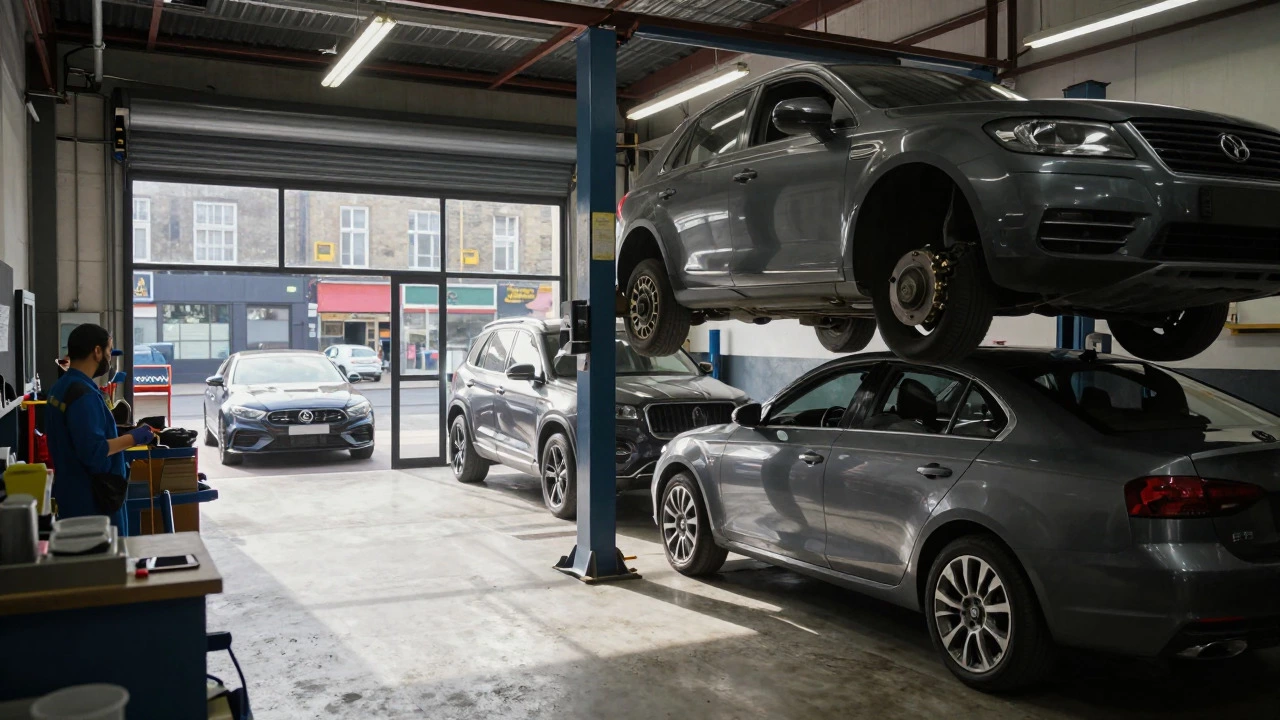
Before booking any work, get at least two quotes. Call local independent garages in your area, such as in Bristol or nearby towns, and describe your car’s make, model, year, and mileage. Ask specifically if the price includes VAT, disposal fees, and new hardware. Some shops advertise low prices but add “consumables” charges later, which can inflate the bill by £50 or more.
Check online forums specific to your car model. Enthusiast communities often share exact part numbers and average local prices. For instance, owners of older BMW E90 series cars know that finding compatible rotors can be tricky, and prices vary widely between suppliers. Having this knowledge helps you verify if a quote is fair.
Common Pitfalls to Avoid
One major mistake is buying cheap, unbranded parts. While they may seem like a bargain, they often contain less friction material and wear out faster, meaning you’ll be back in the shop sooner. Stick to established brands like Bosch, TRW, or Zimmermann for reliable performance.
Another pitfall is ignoring the condition of the rotors. Just because the pads are worn doesn’t mean the rotors are fine. If the rotors are scored, pitted, or thinner than the minimum specification, they must be replaced. Trying to put new pads on bad rotors leads to poor braking performance and potential failure.
FAQ
Is it worth replacing rotors every time I change pads?
Not necessarily. Rotors last longer than pads, often twice as long. However, if the rotors show deep grooves, blue discoloration from overheating, or are below the minimum thickness specified by the manufacturer, they should be replaced. Many mechanics recommend replacing them in pairs (both front or both rear) to ensure even braking.
Are ceramic brake pads better than semi-metallic ones?
Ceramic pads produce less dust and noise and tend to last longer, making them ideal for city driving and luxury cars. Semi-metallic pads offer better heat dissipation and are preferred for track days or heavy towing. For most daily drivers in the UK, ceramic or low-metallic organic pads provide the best balance of comfort and durability.
How long do new brake pads and rotors last?
On average, brake pads last between 30,000 and 70,000 miles, depending on driving style. Aggressive driving in traffic-heavy cities reduces lifespan, while highway cruising extends it. Rotors typically last 60,000 to 100,000 miles. Regular inspections every 12 months can help predict when replacements are needed.
Can I just replace the pads and keep the old rotors?
Yes, provided the rotors are still within specification and not severely damaged. However, new pads require a bedding-in period to mate properly with the rotor surface. If the rotors are glazed or uneven, the new pads won't grip well. Always have a mechanic inspect the rotors before deciding.
Does warranty cover brake repairs?
Usually, no. Brake pads and rotors are considered wear-and-tear items, similar to tires and wipers. They are rarely covered under a standard manufacturer's warranty unless a defect causes premature failure. Check your specific warranty terms, but assume you will pay for these services out of pocket.