Radiator Replacement Checklist & Cost Estimator
Replacing a radiator is an opportunity to reset your engine's thermal baseline. This tool helps you decide which peripheral components to replace now to avoid paying for labor twice later. Select the components you are considering replacing to see priority levels and estimated part costs.
Why Replace These?
Labor Savings Analysis
By bundling these replacements with your radiator job, you save on repeated drain/fill and disassembly steps.
Estimated Labor Saved: £0
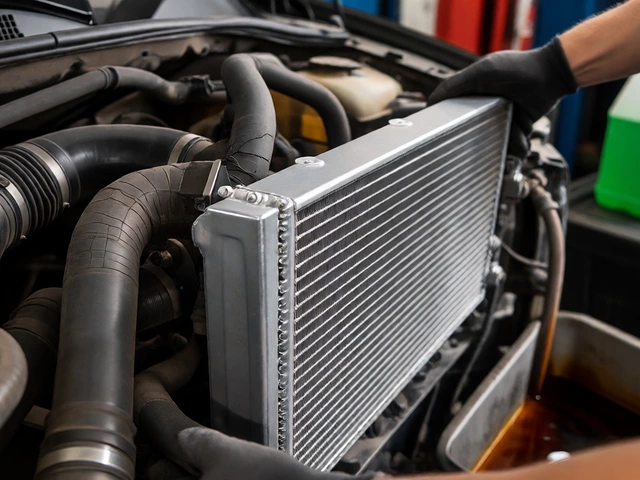
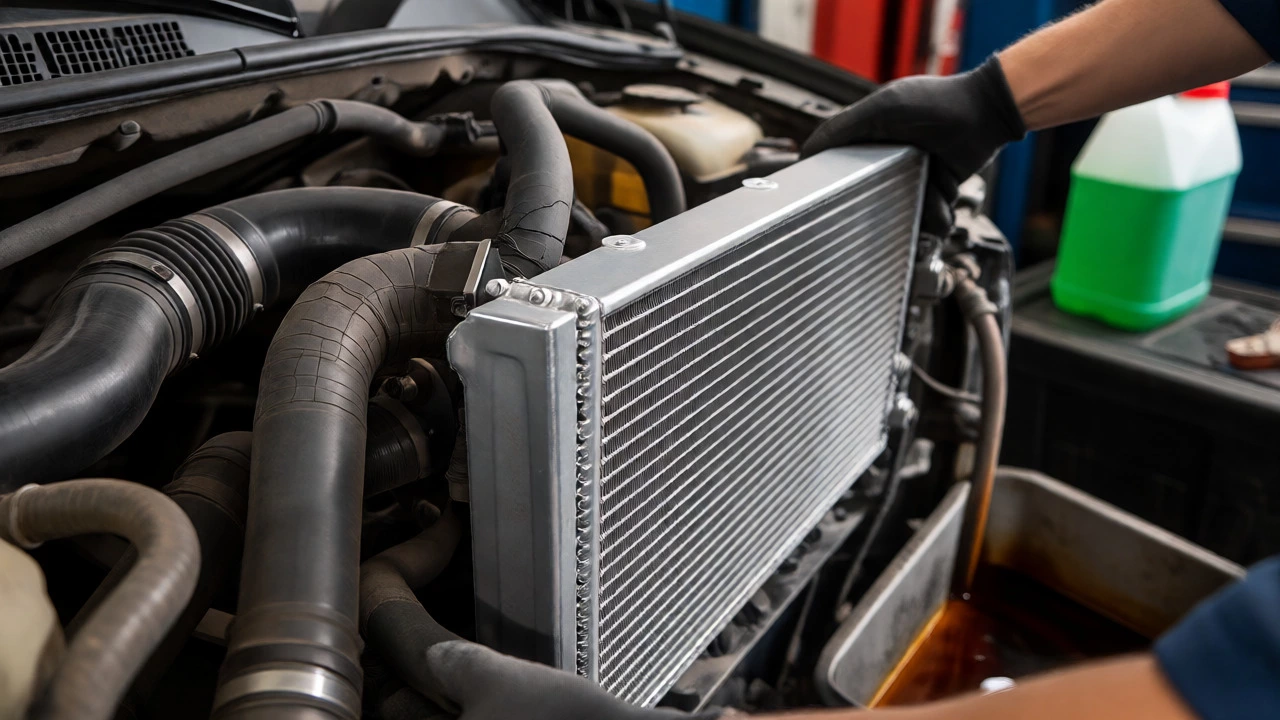
You’ve just had your car radiator replaced because it was leaking or overheating. The mechanic hands you the keys, and everything seems fine. But two weeks later, you’re back in the workshop with a new leak-this time from an old hose that cracked under the pressure of fresh coolant. It’s a frustrating scenario, but one that’s entirely avoidable. When you replace a radiator, you aren’t just swapping out a metal box; you’re resetting the thermal baseline of your engine’s cooling system. If you leave other aged components in place, you’re essentially inviting failure.
Think of your cooling system as a chain. The radiator is the strongest link, but if the adjacent links-the hoses, the clamps, the water pump-are corroded or brittle, they will snap when you tighten the new connection. This guide breaks down exactly what needs to go alongside that new radiator to ensure you don’t pay for labor twice.
The Critical Role of Coolant and Flushes
Let’s start with the most obvious but often overlooked step: the coolant. Never reuse old coolant when installing a new radiator. Why? Because the old fluid is likely saturated with rust particles, scale deposits, and degraded anti-corrosion additives. Pouring dirty fluid into a brand-new aluminum core can clog the microscopic channels inside the radiator, reducing its efficiency by up to 30%.
A proper coolant flush isn’t just about draining the reservoir. You need to clear the engine block, the heater core, and the transmission cooler lines (if integrated). Here is the standard procedure recommended by manufacturers like Ford and Volkswagen:
- Drain the old system: Open the drain plug on the radiator and the engine block if equipped.
- Circulate distilled water: Run the engine with distilled water until it reaches operating temperature, then drain. Repeat this 2-3 times until the water runs clear.
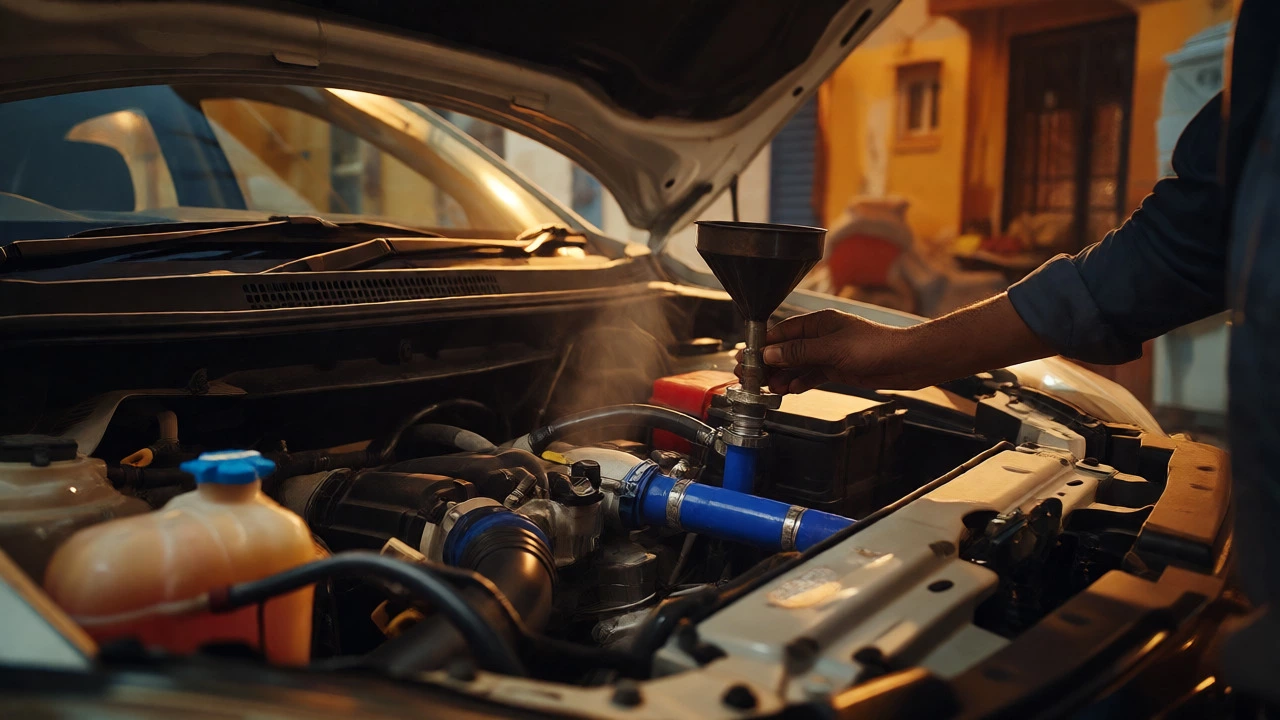
- Add new coolant: Use a pre-mixed 50/50 ratio of antifreeze and distilled water, or mix it yourself using deionized water. Do not use tap water, as minerals cause scaling.
In the UK, where winter temperatures drop below freezing, using a high-quality ethylene glycol-based coolant rated for -37°C is non-negotiable. Check your owner’s manual for the specific specification (e.g., G12++ for VW/Audi, OAT for Toyota) to prevent warranty issues or chemical incompatibility.
Hoses and Clamps: The Silent Leakers
If you take away only one rule from this article, let it be this: Replace all rubber hoses connected to the radiator. This includes the upper and lower radiator hoses. These components endure extreme thermal cycling-they swell when hot and shrink when cold, hundreds of times per year. Over 5-7 years, the rubber loses its elasticity and becomes hard or spongy.
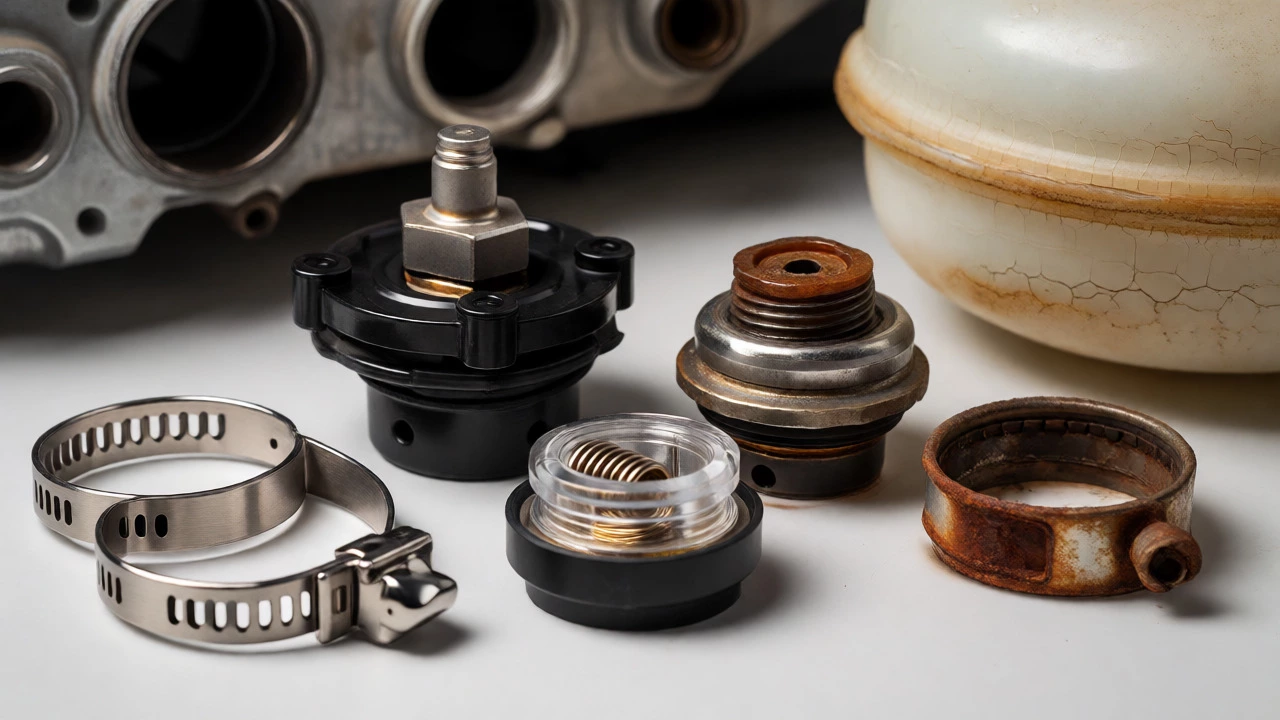
When you install a new radiator, you are disturbing these connections. Removing old clamps often damages them, and reusing them on a new fitting rarely provides a perfect seal. A minor weep at the clamp joint can look like a radiator leak, leading to unnecessary diagnostics. Replacing the hoses costs roughly £15-£40 each, while labor to fix a blown hose on the motorway can cost significantly more in towing and emergency repairs.
| Component | Replacement Priority | Why Replace? |
|---|---|---|
| Radiator Hoses | High | Rubber degrades over time; old hoses may crack under new pressure. |
| Clamps | High | Spring clamps lose tension; screw clamps strip threads. |
| Thermostat | Medium-High | Stuck thermostats cause uneven flow, stressing the new radiator. |
| Water Pump | Conditional | Only if driven by timing belt or showing signs of wear. |
The Thermostat: More Than Just a Valve
The thermostat regulates engine temperature by controlling coolant flow to the radiator. If it’s stuck open, your engine runs too cool, reducing fuel efficiency. If it’s stuck closed, the engine overheats rapidly. Since the thermostat sits directly in the path of coolant entering or exiting the radiator, accessing it usually requires draining the system anyway.
Replacing a $20 part while the system is already empty makes financial sense. Labor accounts for 60-80% of the repair cost. If you skip the thermostat now and it fails six months later, you’ll pay full labor rates again to drain the system, remove the housing, and reinstall everything. Modern thermostats also include electronic sensors that communicate with the ECU; replacing an old unit ensures accurate temperature readings for modern engine management systems.
Water Pump: The Heartbeat of Cooling
The water pump circulates coolant through the engine and radiator. Whether you should replace it depends heavily on your vehicle’s design.
On many cars, such as older BMWs or Vauxhall Astras, the water pump is driven by the accessory belt. In these cases, replacement is optional unless you see signs of failure: coolant residue around the weep hole, bearing noise, or shaft play. However, on vehicles where the water pump is driven by the timing belt or chain (common in many European diesels and modern petrol engines), replacement is mandatory during major services. If you are already deep into the engine bay for a radiator job, check the service history. If the timing belt/water pump interval hasn’t been met recently, consider doing it now to save future disassembly headaches.
Look for these red flags before deciding:
- Visible leaks: Dried coolant crust around the pump housing.
- Noise: A whining or grinding sound from the front of the engine.
- Play: Grab the pulley and try to wiggle it; any vertical movement indicates worn bearings.
Transmission Cooler Lines and Fans
Many automatic transmission vehicles have cooler lines running into the bottom tank of the radiator. These lines carry hot transmission fluid into the radiator to be cooled by airflow. Over time, the fittings on these lines can corrode, especially if you live in coastal areas like Bristol where salt air accelerates oxidation.
Inspect the quick-connect fittings. If they are plastic, they become brittle with age. Forcing an old plastic fitting onto a new radiator inlet can cause it to shatter. If the lines are removable, inspect the O-rings. Replacing these small rubber seals costs pennies but prevents slow transmission fluid leaks that can ruin your gearbox.
Don’t forget the electric cooling fans. While you have the radiator out, spin the fan blades by hand. They should move freely without resistance. Listen for clicking sounds which indicate worn bushings. If a fan seizes shortly after you’ve installed a new radiator, the lack of airflow will cause immediate overheating, potentially warping the cylinder head. Cleaning the fan blades of accumulated dust and debris improves efficiency immediately.
Pressure Cap and Reservoir Tank
The radiator cap is arguably the cheapest insurance policy for your new radiator. Its job is to maintain system pressure, raising the boiling point of the coolant. A weak spring in an old cap allows coolant to boil at normal operating temperatures, causing overflow and eventual starvation of the system.
Always replace the cap with a new one matched to the correct pressure rating (usually 15 psi or 1.1 bar). Similarly, check the plastic expansion tank (reservoir). UV exposure and heat make this plastic brittle. Cracks here are common sources of mysterious coolant loss. If the tank looks yellowed or crazed, swap it out. It’s a simple bolt-on component that takes five minutes to change.
Final Checks and Air Bleeding
Once everything is replaced, filling the system isn’t the end. Modern engines, particularly those with complex heater cores, trap air pockets easily. Air locks prevent coolant circulation, leading to localized hot spots that can crack the new radiator or warp the head gasket.
Follow the manufacturer’s bleeding procedure. For many cars, this involves running the engine with the heater set to maximum and the radiator cap off (once safe) until bubbles stop appearing. Some vehicles require specific scan tool procedures to activate the electric water pump for bleeding. Skipping this step is the number one reason for post-repair overheating complaints.
By replacing the peripheral components along with the radiator, you extend the life of the entire cooling system. You avoid the embarrassment of returning to the garage for a "new" leak that was actually an old hose. It’s a slightly higher upfront cost, but it buys peace of mind and reliability.
Do I really need to replace the radiator hoses?
Yes, it is highly recommended. Old hoses degrade due to heat cycles and ozone exposure. When you disturb the system to change the radiator, old hoses are prone to cracking or leaking at the clamp points. Replacing them prevents future breakdowns and saves on repeated labor costs.
Can I reuse the old coolant?
No. Old coolant contains contaminants, rust, and depleted inhibitors. Introducing dirty coolant into a new radiator can clog the internal fins and reduce cooling efficiency. Always perform a thorough flush and refill with fresh, manufacturer-specified coolant.
Should I replace the water pump every time?
Not always. If the water pump is accessible and shows no signs of wear (leaks, noise, play), you can keep it. However, if it is driven by the timing belt or difficult to access, replacing it during the radiator job is often cost-effective due to shared labor requirements.
What happens if I don't bleed the cooling system?
Air pockets trapped in the system prevent proper coolant circulation. This leads to inaccurate temperature readings, reduced heating performance inside the cabin, and severe overheating risks that can damage the engine head gasket or warp components.
Is it worth replacing the thermostat?
Yes. Since the thermostat is located within the coolant flow path and requires draining the system to access, replacing it while the system is empty adds minimal extra time. It ensures optimal engine temperature regulation and protects the new radiator from flow-related stress.