Post-Oil Fill Safety Checklist
Engine Safety Sequence
Follow these steps in order to avoid engine damage.Quick Risk Assessment
What did you notice during your check?
Expert Tip
Avoid Aeration: Never pour a full quart without checking the dipstick first. Overfilling causes the crankshaft to "whisk" air into the oil, creating foam that cannot lubricate your engine.
Remember: A healthy engine shouldn't require frequent top-ups. If you're adding oil every few hundred miles, consult a mechanic.
The Quick Answer: Yes, But With a Catch
In a word, yes. You don't need to let your car sit for an hour or even five minutes after topping up your engine oil. Unlike some automotive fluids that might need time to stabilize, oil is a simple lubricant. Once it's in the crankcase, it's ready to do its job. However, the "catch" is that the act of adding oil is often a symptom of a bigger problem-your oil was low. Starting the car without verifying the final level can lead to two extremes: under-filling, which starves the engine, or over-filling, which can damage seals.
How Oil Moves When You Turn the Key
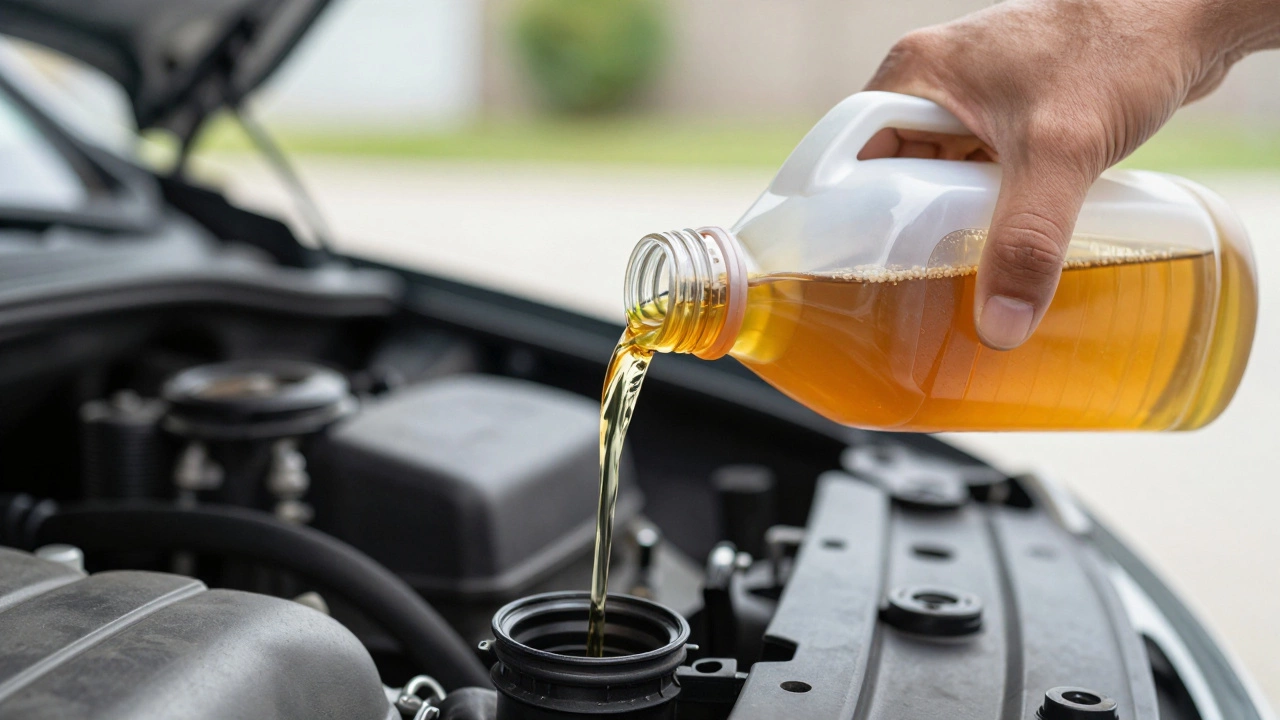
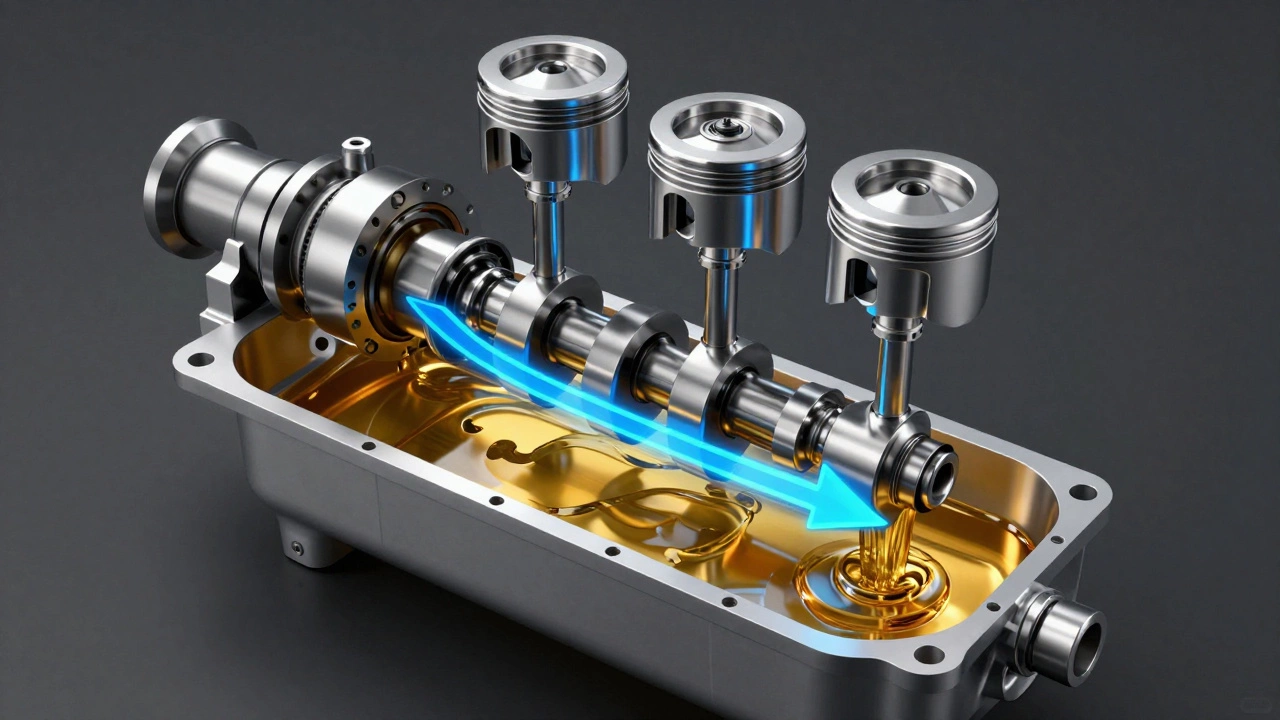
To understand why you can start the car immediately, you have to understand how the Oil Pump works. When you pour oil into the filler neck, it drops into the oil pan, the reservoir at the bottom of the engine that holds the bulk of the lubricant. The moment you start the engine, the oil pump sucks that fluid up and pushes it through the galleries to the crankshaft, pistons, and camshafts.
This process happens in milliseconds. There is no "soaking in" period. The oil you just added is mixed with the existing oil in the pan and is circulated almost instantly. If you've used the correct grade of oil, the engine doesn't care if the oil was added ten seconds ago or ten days ago. The only real danger comes if you've poured in something that doesn't belong there, like coolant or the wrong type of fluid, which would cause immediate failure regardless of how long you waited.
The Danger of Overfilling Your Engine
While we're talking about starting the car "right away," the biggest risk isn't the timing-it's the amount. Many people pour in a full quart without checking the dipstick, assuming that's what the car needs. This is a mistake. Overfilling can lead to a condition called aeration. When the oil level is too high, the Crankshaft (the heavy rotating part that converts piston motion into torque) can actually hit the surface of the oil.
Think of it like a whisk in a bowl of batter. The crankshaft whips air into the oil, creating foam. Foam cannot lubricate an engine; only liquid oil can. If your oil becomes frothy, the Oil Pressure drops, and you'll see a warning light on your dashboard. This can lead to metal-on-metal contact and total engine seizure. Always check your dipstick after adding oil, let the car sit for a minute so the oil drains back into the pan, and then verify the level is between the two marks.
| Oil Level | Immediate Effect | Long-term Risk |
|---|---|---|
| Too Low | Increased friction, heat build-up | Bearing failure, engine seizure |
| Correct Range | Optimal lubrication and cooling | Maximum engine longevity |
| Too High (Overfilled) | Oil aeration (foaming) | Blown seals, catalytic converter damage |
Dealing with Different Oil Types
Whether you're using Synthetic Oil or conventional mineral oil, the rule remains the same. Synthetic oils are engineered for better flow at low temperatures and higher stability at high heat, but they don't require a "settling" period. If you are mixing two different brands of the same viscosity (e.g., mixing two different brands of 5W-30), they will blend perfectly the moment the pump starts moving them.
However, if you're switching from a conventional oil to a full synthetic during a top-off, you're fine. The real concern is if you've accidentally added the wrong weight. For example, putting 20W-50 in a modern engine designed for 0W-20 can cause the oil to be too thick to reach the narrow passages in the cylinder head during a cold start. You won't notice this immediately, but over time, your variable valve timing (VVT) components may begin to wear prematurely.
Steps to Take After Adding Oil
To ensure you've done the job right and your engine is safe to run, follow this quick workflow. Don't just pour and pray; spend an extra sixty seconds on these steps to save yourself thousands in repairs.
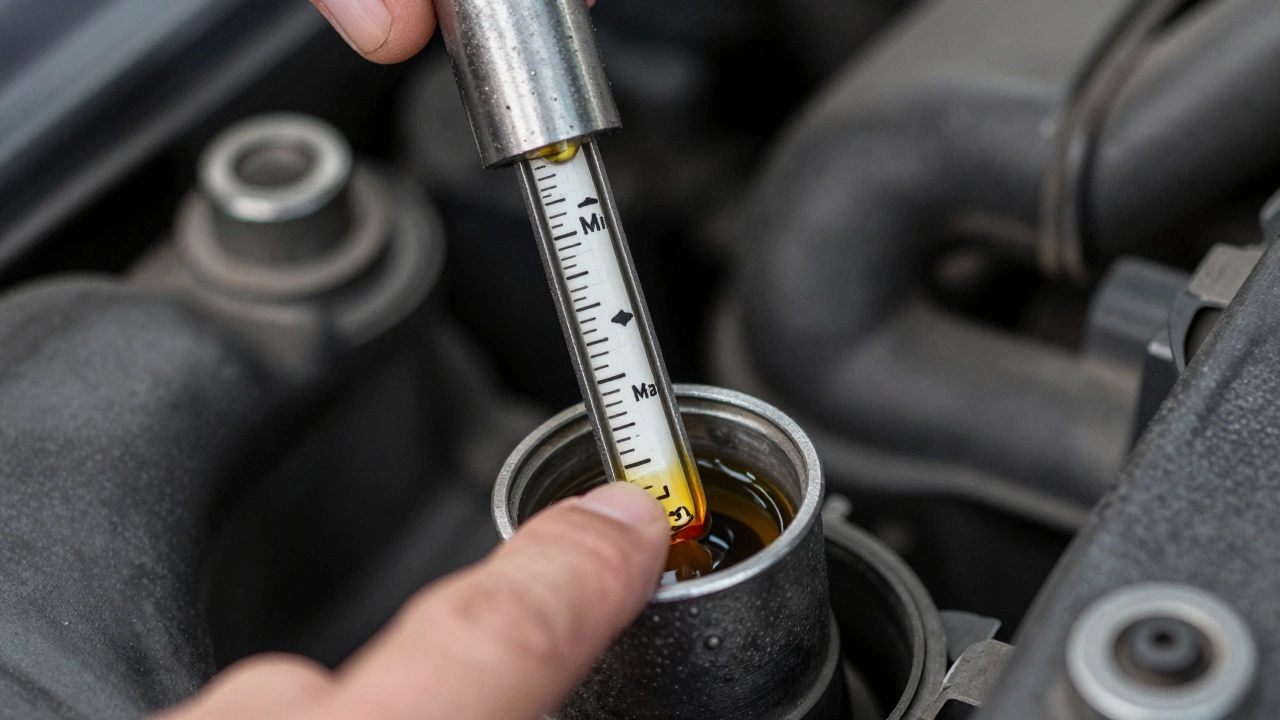
- Wait 60 Seconds: After pouring the oil, wait a minute. This allows the oil to travel from the top of the engine down into the pan where the dipstick can actually measure it.
- The Double Check: Pull the dipstick, wipe it clean, re-insert it fully, and pull it out again. Ensure the level is not above the "Max" line.
- Check the Cap: Make sure the oil filler cap is tightened securely. A loose cap can leak oil onto the hot exhaust, creating a burning smell or, in rare cases, a small fire.
- Start and Observe: Turn the key. Keep an eye on the dashboard. The oil pressure light should turn off within a few seconds. If it stays on, shut the engine off immediately.
- The Ground Scan: After the engine has run for a minute, look under the car. Check for any drips. If you overfilled it, some cars may leak oil through the breather valve.
Why Your Oil Was Low in the First Place
While it's great that you know how to top up your oil, a healthy engine shouldn't be consuming significant amounts of lubricant between changes. If you find yourself adding oil every few hundred miles, you have a problem. It's either leaking out or burning off.
Check your Oil Filter for leaks and look for damp spots on the engine block. If the outside is dry but the level is still dropping, your piston rings or valve stem seals might be worn. This allows oil to enter the combustion chamber and exit through the exhaust as blue smoke. Ignoring this and simply adding oil is a temporary fix that can eventually lead to clogged spark plugs and poor fuel efficiency.
Does adding oil while the engine is hot affect anything?
No, it's perfectly fine to add oil to a hot engine. In fact, if you're checking the level, many manufacturers recommend doing it after the engine has reached operating temperature and then sitting for a few minutes. Just be careful not to touch hot engine components to avoid burns.
What happens if I accidentally put too much oil in?
Overfilling can cause the crankshaft to whip air into the oil, creating foam. Since air doesn't lubricate, this can lead to engine wear. In severe cases, the excess pressure can blow out oil seals or push oil into the air intake system. If you've overfilled, you should drain the excess using the drain plug before driving.
Can I mix different brands of oil when topping up?
Yes, you can mix brands as long as they meet the same specification and viscosity grade (e.g., 5W-30). Modern oils are designed to be compatible. However, it's best to stick to the same type (synthetic vs. conventional) if possible for the best performance.
How long should I wait after adding oil before driving?
You don't need to wait for the oil to "set." Once you've verified the level with the dipstick and ensured the cap is tight, you can start and drive the car immediately. The oil pump will circulate the new oil throughout the system instantly.
Will the car run better immediately after adding oil?
You won't necessarily feel a performance boost, but the engine will run safer. When oil is very low, the remaining oil gets hotter and thicker because it's not being replaced as quickly. Adding fresh oil helps maintain the correct temperature and reduces internal friction.
Troubleshooting Common Post-Oil-Fill Issues
Even with a simple task like adding oil, things can go wrong. If you notice a strong burning smell after starting the car, check the area around the filler cap. It's very common to spill a small amount of oil on the engine block while pouring. This oil hits the hot manifold and burns off. A quick wipe with a rag can prevent that smell and the potential for smoke.
If you see a flickering oil light but the dipstick says the level is correct, you might have an issue with the Oil Pressure Sensor. This sensor detects if the pump is successfully moving oil. If the light comes on and off sporadically, get it checked immediately, as this could indicate a failing pump or a clogged pickup tube, regardless of how much oil is in the pan.