Slipping Clutch Lifespan & Cost Calculator
Estimate how much time you have left before total failure and the potential cost of repairs based on your driving conditions.
Estimated Remaining Life:
Risk Level:
Estimated Repair Cost (UK 2026):
Recommendation:
You press the accelerator, but your engine just screams higher in pitch without the car speeding up. That frustrating moment is the classic sign of a slipping clutch. It’s annoying, it feels unsafe, and honestly, it’s expensive if you ignore it. You’re probably wondering how much time you actually have before this turns into a breakdown on the side of the road.
The short answer? Not long. Once a clutch starts slipping noticeably under normal driving conditions, you are likely looking at weeks, not months. In severe cases, you might only have days before the friction material wears down to the metal backing plate, causing catastrophic damage to your flywheel and transmission. This isn’t just about comfort; it’s about preventing a repair bill that could triple in cost.
What Is Actually Happening Inside Your Gearbox?
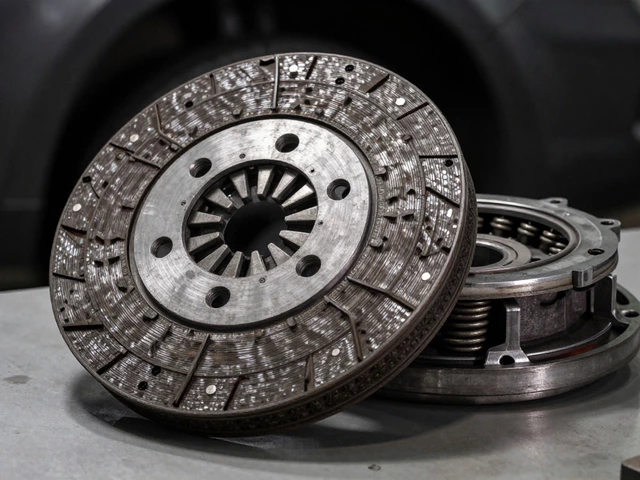
To understand why your timeline is so short, you need to know what’s breaking. A clutch assembly consists of three main parts: the pressure plate, the clutch disc (with friction material), and the release bearing. Think of it like a sandwich where the bread is the pressure plate and the filling is the disc.
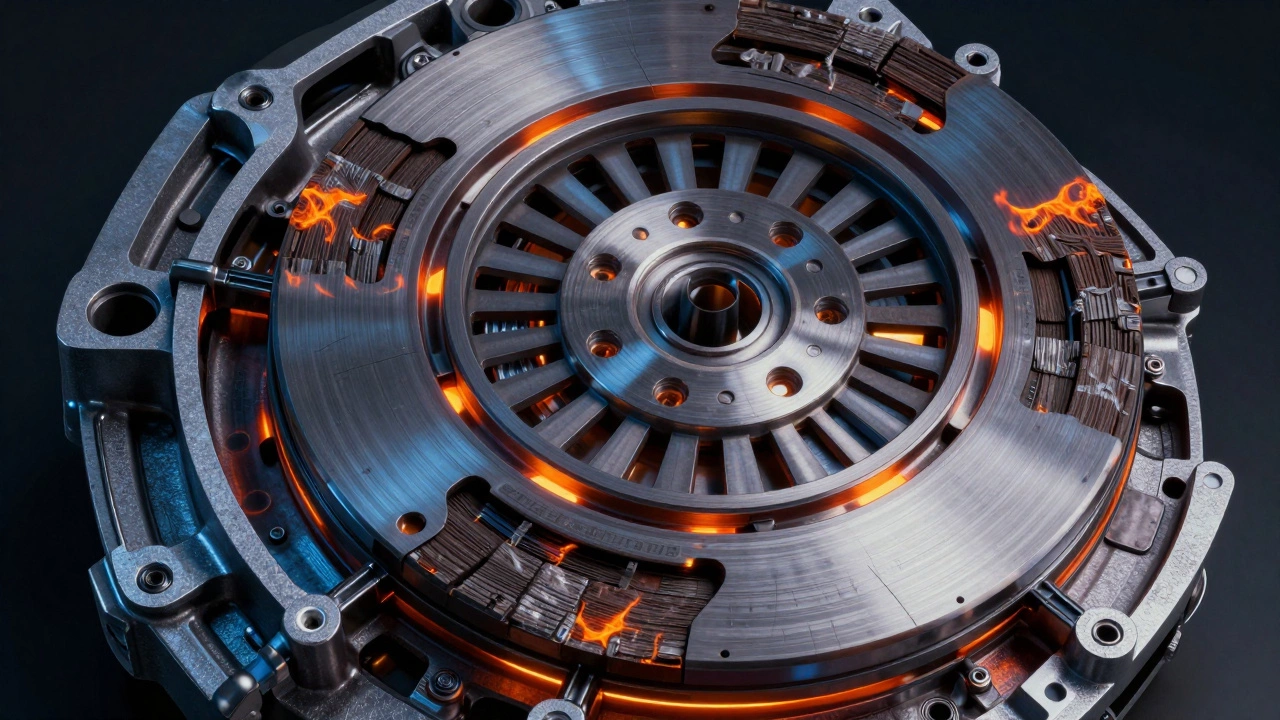
When you drive normally, these parts clamp together tightly to transfer power from the engine to the wheels. When they slip, that clamp isn't tight enough anymore. The friction material on the disc has worn down, or perhaps the pressure plate springs have fatigued. As the gap widens, the engine spins faster than the transmission. This creates heat. Lots of it.
This heat is the enemy. It glazes the remaining friction material, making it even slicker. Then, it warps the flywheel, which is the heavy steel disc the clutch presses against. If you keep driving while it slips, you aren’t just wearing out the cheap rubber-like disc; you are scoring and cracking the expensive cast iron flywheel. Replacing a flywheel costs significantly more than just replacing the clutch kit itself.
Signs Your Clutch Is Actively Dying
Slipping doesn’t happen overnight, but once you notice it, the decline accelerates. Here is how to tell if you are in the final stages:
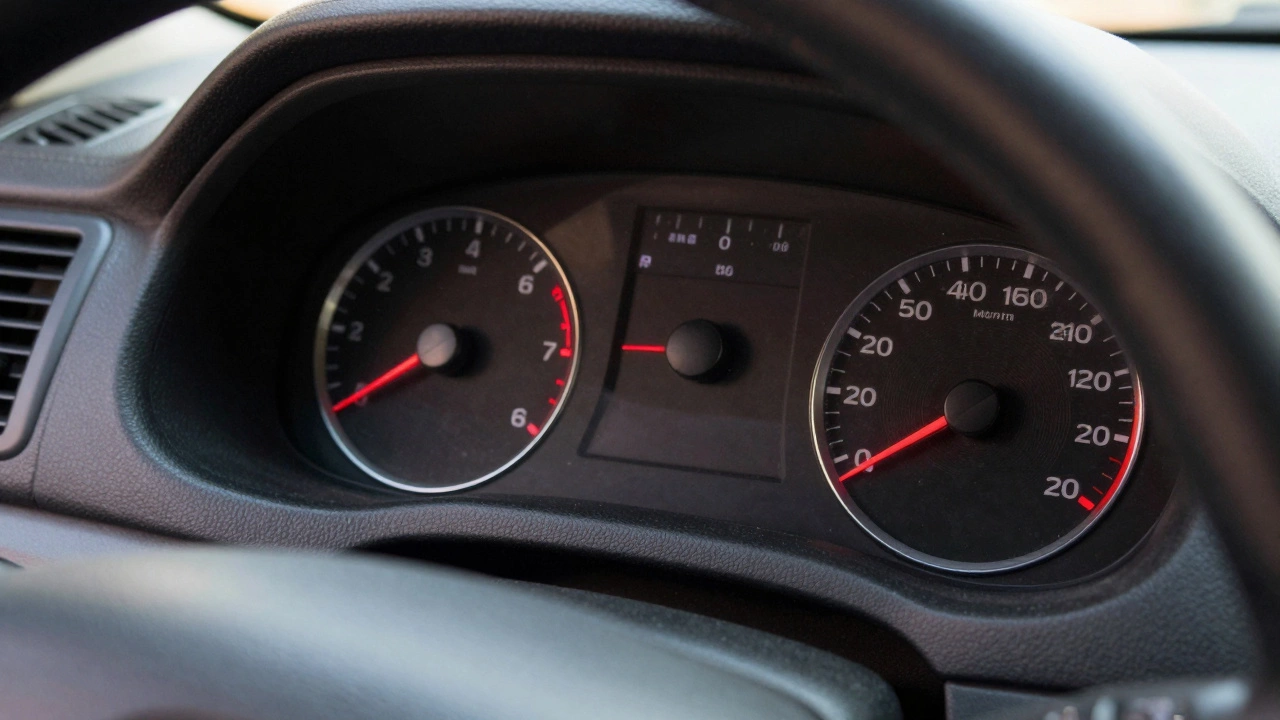
- RPM Spike Without Speed Gain: You’re cruising at 60 mph in fourth gear. You tap the gas, and the tachometer jumps from 2,500 RPM to 3,500 RPM instantly, but the speedometer barely moves. This is the definitive test.
- Difficulty Shifting Gears: The gearbox grinds when you try to move into second or third gear because the clutch isn’t fully disengaging the engine from the transmission.
- A Burnt Smell: It smells like burning toast or overheated brakes. That’s the friction material cooking off the disc.
- High Bite Point: You have to lift the clutch pedal almost all the way to the ceiling before the car wants to move. The mechanical travel has been used up by wear.
If you experience the first symptom consistently in any gear other than first, your clutch life is measured in miles, not thousands of miles.
Factors That Determine How Much Time You Have Left
Not every slipping clutch dies at the same rate. Several variables dictate whether you have two weeks or two months left:
| Factor | Impact on Lifespan | Estimated Remaining Life |
|---|---|---|
| Driving Style | Aggressive acceleration heats the disc rapidly, accelerating wear. | Days to 1 week |
| Traffic Conditions | Stop-and-go traffic requires constant engagement/disengagement, generating extreme heat. | 1-3 weeks |
| Vehicle Weight | Heavy SUVs or vans put more stress on the friction surface than lightweight hatchbacks. | 1-4 weeks |
| Severity of Slip | If it slips in 1st gear, it's critical. If it only slips in high gears under load, you have slightly more buffer. | 2 weeks - 2 months |
| Hydraulic vs Cable | A failing hydraulic master/slave cylinder can cause partial engagement issues that mimic wear. | Variable (fixable) |
For example, if you live in Bristol and commute through city center traffic daily, that stop-start rhythm will cook a slipping clutch much faster than someone driving rural country lanes. The constant half-clutching required in traffic generates temperatures that exceed 300°C, destroying organic friction materials quickly.
Can You Drive With a Slipping Clutch?
Technically, yes. Legally, in many places including the UK, no. Driving with a known defect that affects safety or emissions can lead to an MOT failure and potential fines. But beyond the legalities, is it safe?
It depends on where you are. If you are stuck in the middle of nowhere and need to get home, you can limp along by shifting to lower gears. Lower gears provide more torque multiplication, meaning the engine doesn’t have to spin as fast to move the car, reducing the slip. Avoid high gears entirely. Do not tow anything. Do not carry heavy loads.
However, "limping" is risky. A complete clutch failure means the engine will disconnect from the wheels entirely. You won’t be able to accelerate. If this happens on a busy dual carriageway or a steep hill, you become a hazard. You lose the ability to pull away from junctions safely. So, while you *can* drive it for a very short distance to a garage, you should not treat it as a reliable mode of transport.
The Cost of Waiting vs. Acting Now
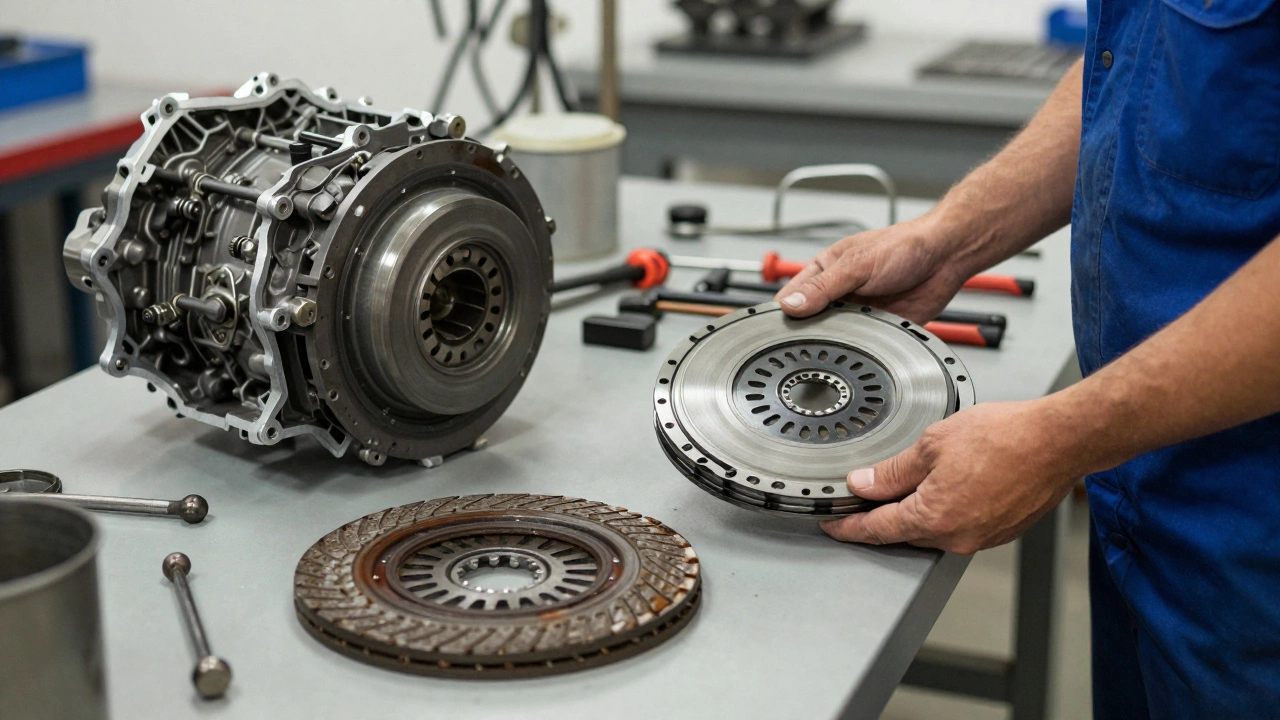
Let’s talk money, because that’s usually the deciding factor. A standard clutch kit replacement involves labor-intensive work. The mechanic must remove the gearbox, separate it from the engine, replace the disc, pressure plate, and often the release bearing. Labor times typically range from 4 to 8 hours depending on the vehicle.
In 2026, prices vary, but expect to pay between £400 and £900 for a front-wheel-drive car at an independent garage. Dealerships will charge more. Now, compare that to the cost of waiting.
If you wait until the clutch fails completely, you risk damaging the dual-mass flywheel. These modern flywheels are complex and expensive, often costing £300-£600 alone. If the clutch disc shreds or the pressure plate snaps, metal shards can destroy the transmission input shaft seals or even the gearbox internals. Suddenly, your £600 repair becomes a £2,500 transmission rebuild.
Furthermore, being stranded requires a tow truck. Towing fees in the UK average £70-£100 plus VAT, and you’ll likely need alternative transport arrangements. The math is simple: proactive repair saves money. Reactive repair bankrupts patience.
Temporary Fixes: Do They Work?
You might see YouTube videos suggesting "clutch saver" sprays or adjusting the pedal free play. Let’s be real.
Adjusting the cable or hydraulic system might help if the issue is purely mechanical linkage-like a loose cable or air in the lines. But if the friction material is worn thin, no amount of adjustment will create new friction. Sprays claiming to "rebuild" clutches are essentially degreasers. They might clean off oil contamination temporarily, giving you a few extra days of grip, but they do not fix worn-out components. Relying on these hacks is like putting a band-aid on a broken leg. It looks better, but it doesn’t heal.
When to Book the Garage
If you’ve confirmed the slip using the RPM test, book the appointment immediately. Don’t wait for the MOT. Don’t wait for the next holiday. Schedule it now.
Ask your mechanic to inspect the flywheel. Most reputable shops will recommend resurfacing or replacing the flywheel simultaneously. While this adds to the upfront cost, it ensures the new clutch mates with a perfectly flat surface. Installing a new clutch on a warped flywheel causes immediate vibration and premature wear again within months. It’s a false economy to skip the flywheel check.
Also, consider upgrading. If you drive a performance car or use the vehicle for towing, ask about a heavy-duty clutch kit. These use ceramic or multi-disc designs that handle higher heat loads. For normal commuters, a standard organic kit is fine, but ensure it’s a quality brand like Sachs, Luk, or Valeo, not the cheapest generic option.
Maintaining Your New Clutch
Once the repair is done, you want it to last. Modern clutches in well-maintained cars can last 60,000 to 100,000 miles. Here is how to get there:
- Don’t Ride the Clutch: Keep your foot off the pedal when not shifting. Resting your foot on the rest puts constant pressure on the release bearing and partially disengages the clutch, causing slow wear.
- Smooth Starts: Blip the throttle smoothly. Jerky movements shock the drivetrain.
- Use the Handbrake on Hills: Instead of holding the car with the clutch on a hill start, use the handbrake. Release the brake, find the bite point, then drop the handbrake. This saves immense wear.
- Check Fluid Levels: If you have a hydraulic clutch, low brake fluid can indicate a leak in the slave cylinder, leading to poor engagement.
Your clutch is a wear item, just like brake pads. It’s designed to fail eventually. The goal isn’t to make it last forever, but to maximize its life and minimize the collateral damage when it does go. Recognizing the slip early gives you control over the timing and the cost. Ignore it, and the car decides for you-usually at the worst possible moment.
How many miles can I drive with a slipping clutch?
There is no fixed mileage number because it depends on severity and driving conditions. However, once noticeable slipping occurs, you should limit driving to essential trips only. Typically, you may have anywhere from 50 to 500 miles left before total failure, but this is highly variable. Driving aggressively can reduce this to less than 10 miles.
Is it dangerous to drive with a slipping clutch?
Yes, it poses significant safety risks. A slipping clutch reduces your ability to accelerate quickly, which is crucial for merging onto highways or avoiding hazards. In the worst case, the clutch can fail completely, leaving you unable to move the vehicle, potentially stranding you in dangerous traffic situations.
Can a slipping clutch fix itself?
No, a slipping clutch cannot fix itself. The friction material is physically worn away or contaminated. While temporary cleaning sprays might offer slight improvement if oil contamination is the cause, mechanical wear is irreversible. The component must be replaced.
Should I replace the flywheel when replacing the clutch?
It is highly recommended. The flywheel works in direct contact with the clutch disc. Heat from a slipping clutch often warps or scores the flywheel surface. Installing a new clutch on a damaged flywheel leads to vibration, noise, and rapid re-wear of the new clutch. Most mechanics insist on resurfacing or replacing the flywheel to guarantee the repair lasts.
How much does it cost to fix a slipping clutch in the UK?
In 2026, expect to pay between £400 and £900 for a standard front-wheel-drive car at an independent garage. This includes parts and labor. Luxury brands, rear-wheel-drive vehicles, or those requiring dual-mass flywheel replacements can cost upwards of £1,200. Dealership prices will be significantly higher.
Why does my clutch slip only in certain gears?
Clutches often slip first in higher gears because these gears require less torque to maintain speed, meaning the clutch doesn't need to grip as hard. As wear progresses, the slip will appear in lower gears. If it slips in first gear, the clutch is critically worn and needs immediate replacement.