Wiper Protection Strategy Advisor
Answer a few questions to find the safest and most effective way to protect your wipers today.
Method Name
Detailed explanation of why this method was chosen.
The Battle Against Ice and Snow
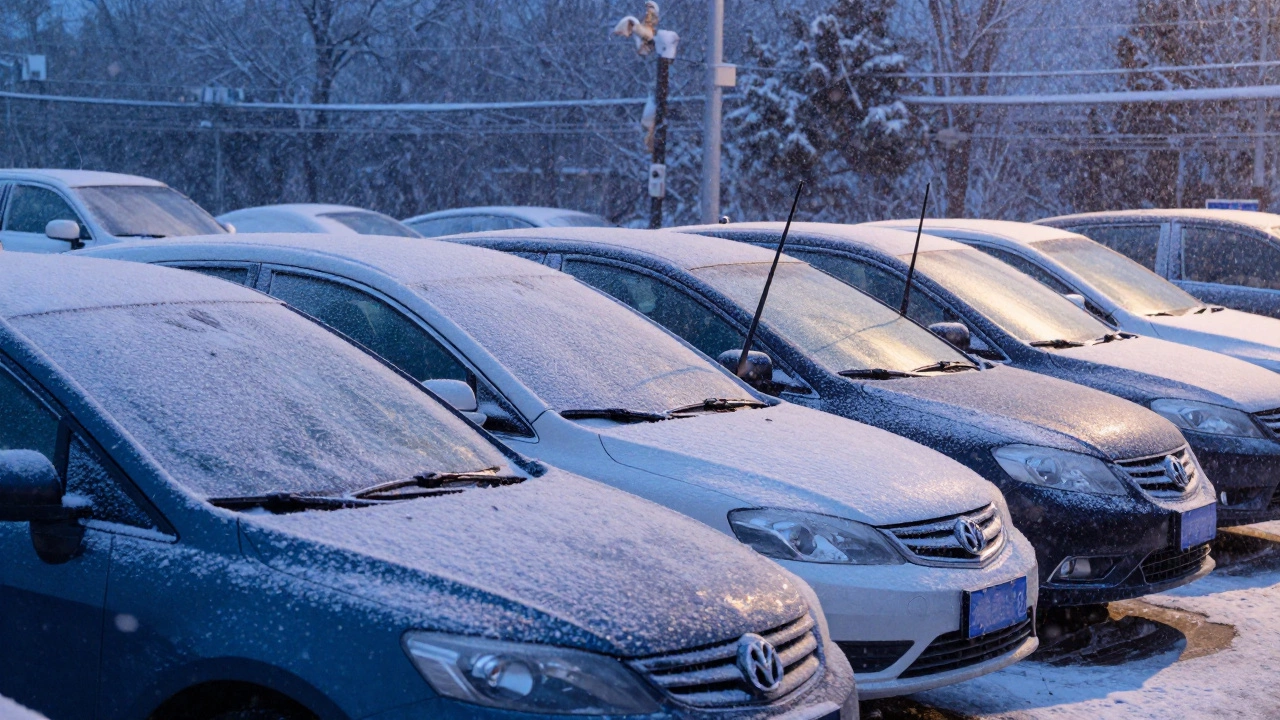
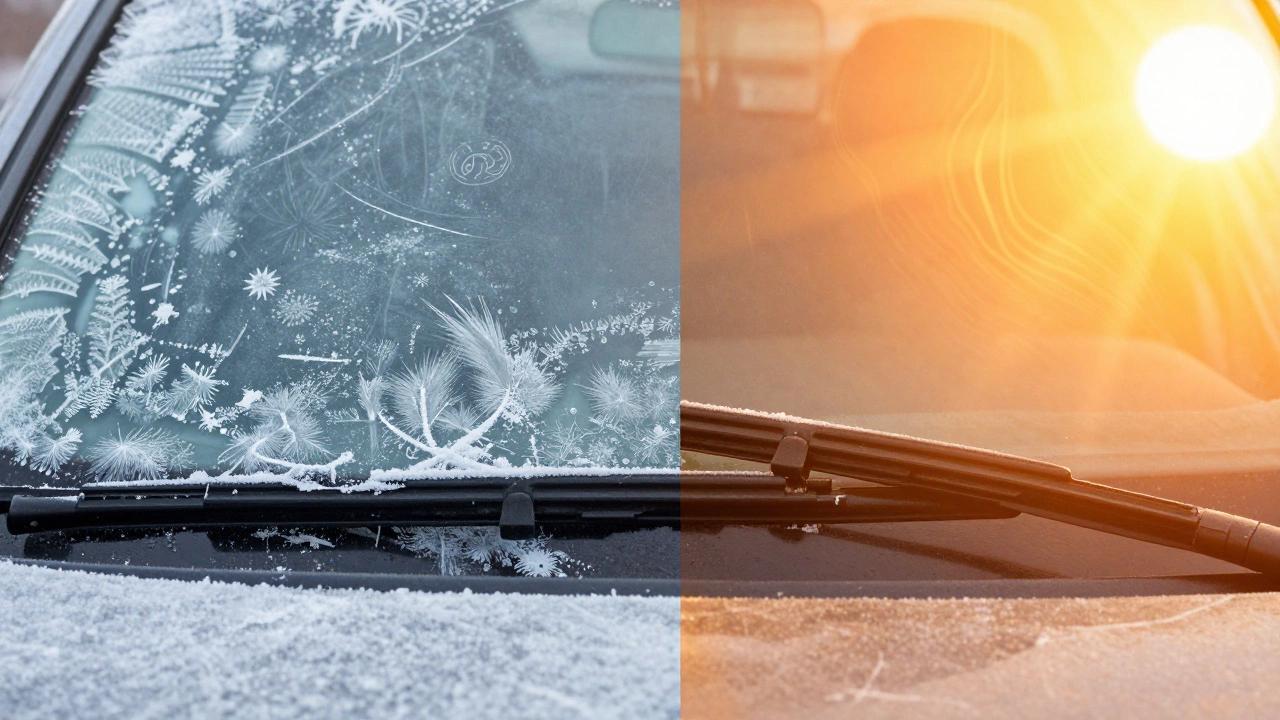
The most common reason you'll see wipers standing tall is the cold. When temperatures drop below freezing, moisture on the glass turns into a sheet of ice. If your wiper blades are resting against the windshield, the rubber edge freezes directly to the glass. If you try to turn them on without clearing the ice first, you're not just fighting the weather-you're fighting the physics of adhesion. The motor will strain, and the rubber will either tear or rip clean off the arm.
By lifting the wipers, drivers prevent that bond from forming. Imagine the difference between a wet piece of paper sticking to a table versus one hovering an inch above it. That small gap prevents the rubber from becoming a permanent part of your windshield overnight. In places with heavy snowfall, this also stops the blades from getting buried under a few inches of powder, which can warp the metal tension springs if the snow gets heavy enough to push them down.
Protecting the Rubber from UV and Heat
Cold isn't the only enemy. In scorching summer heat, some people lift their wipers to prevent the rubber from "cooking." When a car sits in the sun for hours, the glass can reach temperatures well over 60°C. This extreme heat can cause the rubber to soften and deform, creating a permanent curve or "set" in the blade. This leads to those annoying streaks and chatter sounds when you actually need to use them during a sudden summer rainstorm.
Lifting them allows air to circulate around the rubber, keeping it slightly cooler and preventing the blade from sticking to the hot glass. While less common than the winter habit, it's a move often used by people with high-end silicone wiper blades, which handle heat better than standard rubber but still benefit from avoiding direct, prolonged contact with a scorching windshield.
The Risk of the "Spring Snap"
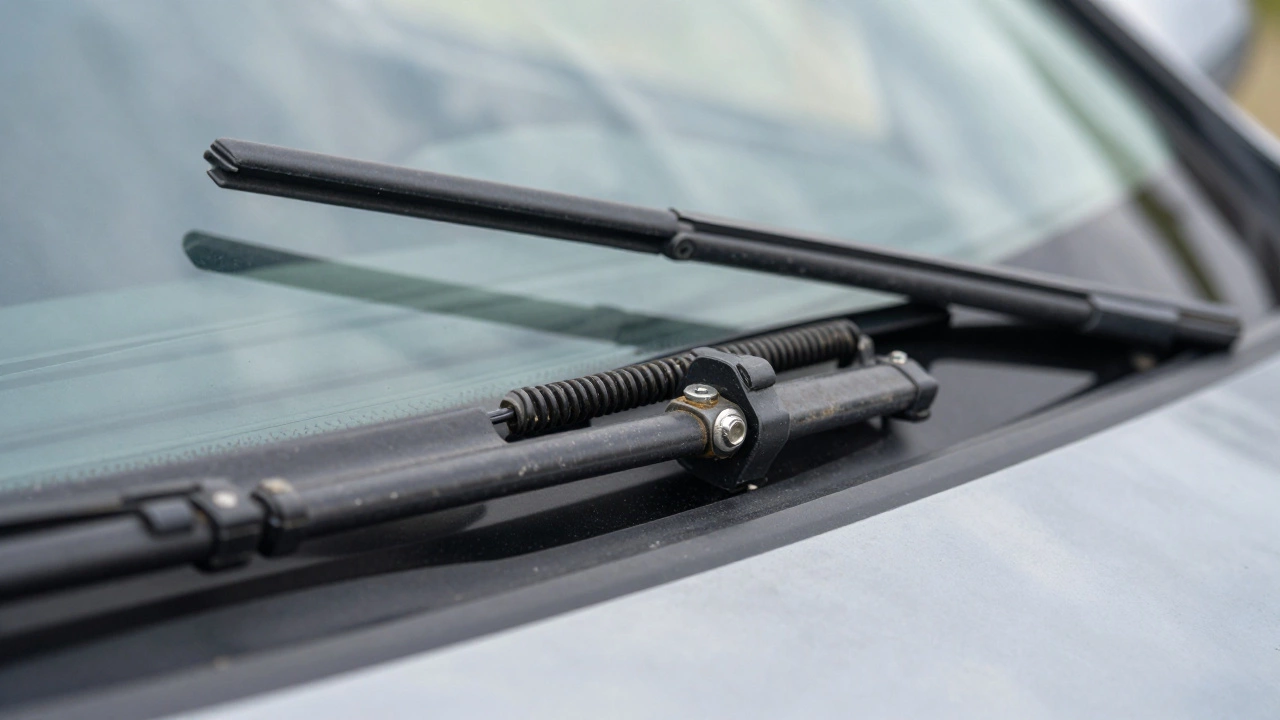
Here is the catch: lifting your wipers isn't always a great idea. Most modern cars use a tension spring in the wiper arm to keep the blade pressed firmly against the glass. When you lift the arm and lock it in place, you're putting that spring under constant tension. If the metal is old or has suffered from corrosion, that tension can lead to a snap. There is nothing quite as frustrating as coming back to your car only to find your wiper arm has snapped or lost its spring tension, meaning it no longer wipes the glass effectively.
Furthermore, if someone bumps into the raised arm-maybe a pedestrian walking by or another car in a tight parking spot-the arm can act like a lever. Because it's extended, a small bump at the top can apply a massive amount of force to the base, potentially bending the arm or cracking the windshield. This is why many car enthusiasts suggest using a different method, like a windshield cover, instead of the "arms up" approach.
| Method | Primary Benefit | Main Risk | Effort Level |
|---|---|---|---|
| Lifting Wipers | Prevents freezing to glass | Spring tension loss / Physical damage | Low |
| Windshield Covers | Total protection from ice/UV | Theft of cover / Setup time | Medium |
| Garage Parking | Controlled environment | Not always available | None |
| Leaving them down | No stress on springs | Blades freeze or warp | Zero |
How to Properly Handle Your Wipers in Winter
If you're determined to protect your blades, you don't necessarily need to leave them standing up all night. There are smarter ways to handle the frost. For starters, always check if your car has a service position. Some vehicles, especially BMWs and Volkswagens, allow you to move the wipers to a specific spot for cleaning or replacement that doesn't put as much stress on the springs.
- Clean the glass first: Use a microfiber cloth to remove grit before the freeze happens.
- Use a cover: A simple piece of cardboard or a dedicated fabric cover prevents ice from forming in the first place.
- Avoid the "Quick Start": Never turn on your wipers the second you start the car in freezing weather. Use a de-icer spray or a plastic scraper first.
- Check the rubber: If you see tiny cracks in the blade, no amount of lifting will help. It's time for a replacement.
The Role of Blade Materials
Not all wipers are created equal. Traditional rubber blades are prone to drying out and cracking. However, if you upgrade to hybrid wiper blades, you get a combination of a traditional frame and a sleek aero-shell. These are often more resilient to the elements, but they are also more expensive to replace if you break the arm by lifting it.
Then there are beam blades. These don't have a metal frame; instead, they use a built-in tension strip. Because they distribute pressure more evenly, they are slightly less likely to freeze in a single solid block, though they can still stick. Regardless of the material, the goal is always the same: maintaining the integrity of the edge so you don't have to stare through a blurry window while driving 70 mph in the rain.
Common Mistakes When Clearing Ice
Even people who lift their wipers sometimes make mistakes when they put them back down. A common error is using boiling water to melt ice. While it seems like a fast fix, the extreme temperature shock can actually crack your windshield. The glass expands and contracts rapidly, and a tiny chip can turn into a massive spiderweb crack in seconds.
Another mistake is using a metal tool or a credit card to scrape the rubber blades. The rubber is soft, and any nick or tear in the edge will create a streak that stays there forever. If your wipers are frozen to the glass, gently wiggle the arm or use a warm, damp cloth to loosen the bond before attempting to pull the blade away. Patience saves you from a trip to the auto parts store.
Does lifting wipers actually damage the car?
It can. While it prevents the rubber from freezing to the glass, it puts constant tension on the wiper arm springs. Over time, this can weaken the spring, meaning the wiper won't press firmly against the glass, leading to poor cleaning performance. There is also a risk of the arm being knocked and bent if the car is parked in a public area.
Is it better to use a windshield cover or lift the wipers?
A windshield cover is generally better. It protects the glass from ice, prevents the wipers from freezing, and shields the rubber from UV rays without putting any mechanical stress on the wiper arms. The only downside is the extra few seconds it takes to put it on and take it off.
How often should I replace my wiper blades?
Most experts recommend replacing them every 6 to 12 months. If you notice streaks, skipping, or a "chattering" sound, replace them immediately. Extreme weather-like very hot summers or freezing winters-can wear down the rubber faster, so check them every change of season.
Can I use vinegar to stop wipers from freezing?
Some people suggest a vinegar-water mix to clean the glass and reduce ice adhesion, but it's not a permanent solution. The best way to prevent freezing is using a dedicated windshield de-icer or a high-quality winter washer fluid that has a very low freezing point.
What is a service position for wipers?
A service position is a setting in some modern cars where the wipers move to a specific location on the windshield (often standing more upright) to allow the owner to change the blades or clean the glass without scratching the paint or stressing the mechanism. You usually activate this by turning the ignition off and immediately toggling the wiper switch.
What to Do Now
If you've been lifting your wipers for years, don't panic-your springs are likely fine. But if you're looking for a better way to maintain your car, consider investing in a basic windshield cover for the winter months. It's a small investment that protects both your glass and your wiper hardware.
Next time you're parking for the night and see a freeze warning, take a look at your blades. If they're old and cracked, replace them now rather than waiting for the first big storm. A fresh set of blades combined with a bit of preventative care will keep your visibility clear and your driving safe, regardless of what the weather throws at you.