Suspension Replacement Cost Estimator
Select Your Symptoms:
Vehicle Information
Estimated Repair Breakdown
Car suspension is the system of springs, shocks, and struts that connects your wheels to the vehicle body, ensuring a smooth ride and stable handling. It’s easy to ignore until it starts screaming for attention. You might not realize how much you rely on it until you hit a pothole and feel like your teeth are rattling out of your head. Or worse, when you take a corner at 30 mph and feel the car lean so far you’re checking your blind spot with your eyes instead of your mirrors.
If you’ve been noticing strange noises, uneven tire wear, or a general sense that your car feels “loose” on the road, your suspension might be failing. But how do you know if it’s just normal wear or time for a full replacement? Let’s break down the exact signs you need to watch for, what’s actually broken, and whether you can fix it yourself or need a mechanic.
The Telltale Signs Your Suspension Is Failing
You don’t need a degree in automotive engineering to spot a bad suspension. Your body tells you before any diagnostic tool does. Here are the most common red flags that mean your shock absorbers or struts are done for.
- Nose-diving when braking: When you slam on the brakes, does the front of the car dip sharply? This means your front shocks or struts aren’t controlling the weight transfer properly. It’s not just uncomfortable; it reduces braking efficiency because the rear tires lose some grip.
- Excessive bouncing: Hit a speed bump, and does the car bounce up and down two or three times before settling? A healthy suspension absorbs the impact once and stops. Multiple bounces indicate worn-out dampers that can’t control spring oscillation.
- Uneven tire wear: Check your tires. Are they wearing more on the inside edges? Or are there patchy spots of wear across the tread? Bad suspension causes poor wheel alignment and inconsistent contact with the road, leading to premature tire failure. Replacing suspension often saves you from buying new tires too.
- Steering wander: Does your car drift slightly left or right even when you’re holding the steering wheel straight? This “highway hypnosis” feeling happens when worn bushings or ball joints allow too much play in the steering linkage.
- Crooked steering wheel: If your steering wheel sits off-center when driving straight, your suspension geometry has shifted. This usually points to damaged control arms or a bent strut tower.
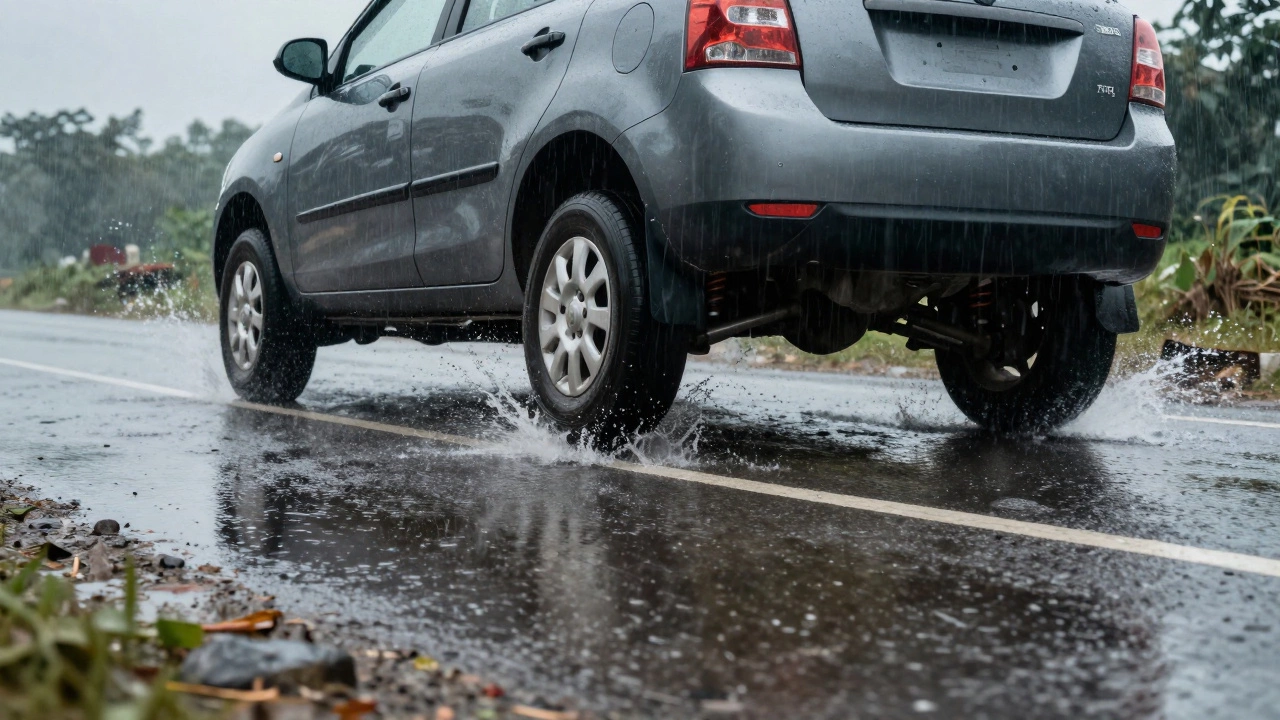
These aren’t minor annoyances. They’re safety issues. A failing suspension compromises your ability to stop quickly, steer accurately, and maintain traction in wet conditions.
Shock Absorbers vs. Struts: What’s Actually Broken?
People use these terms interchangeably, but they’re different components with different roles. Knowing which one is failing helps you understand the repair scope and cost.
| Feature | Shock Absorber | Strut |
|---|---|---|
| Function | Dampens spring movement | Dampens movement AND supports vehicle weight |
| Location | Usually rear axle (some fronts) | Almost always front suspension |
| Structural Role | Non-structural | Structural part of suspension assembly |
| Replacement Complexity | Easier, cheaper | More complex, requires alignment afterward |
| Lifespan | 40,000-60,000 miles | 50,000-100,000 miles |
If your car has struts up front (most modern cars do), replacing them is more involved. The strut holds up the engine bay, so removing it requires special tools and a subsequent wheel alignment. Shocks are simpler-they just sit between the spring and the chassis. If only your rear shocks are leaking, you might get away with swapping those alone. But if the front struts are shot, you’ll likely need to replace both sides plus get an alignment.
DIY Inspection: Can You Spot the Problem Yourself?
You don’t need a lift to check your suspension. Grab a flashlight and get down low. Here’s what to look for:
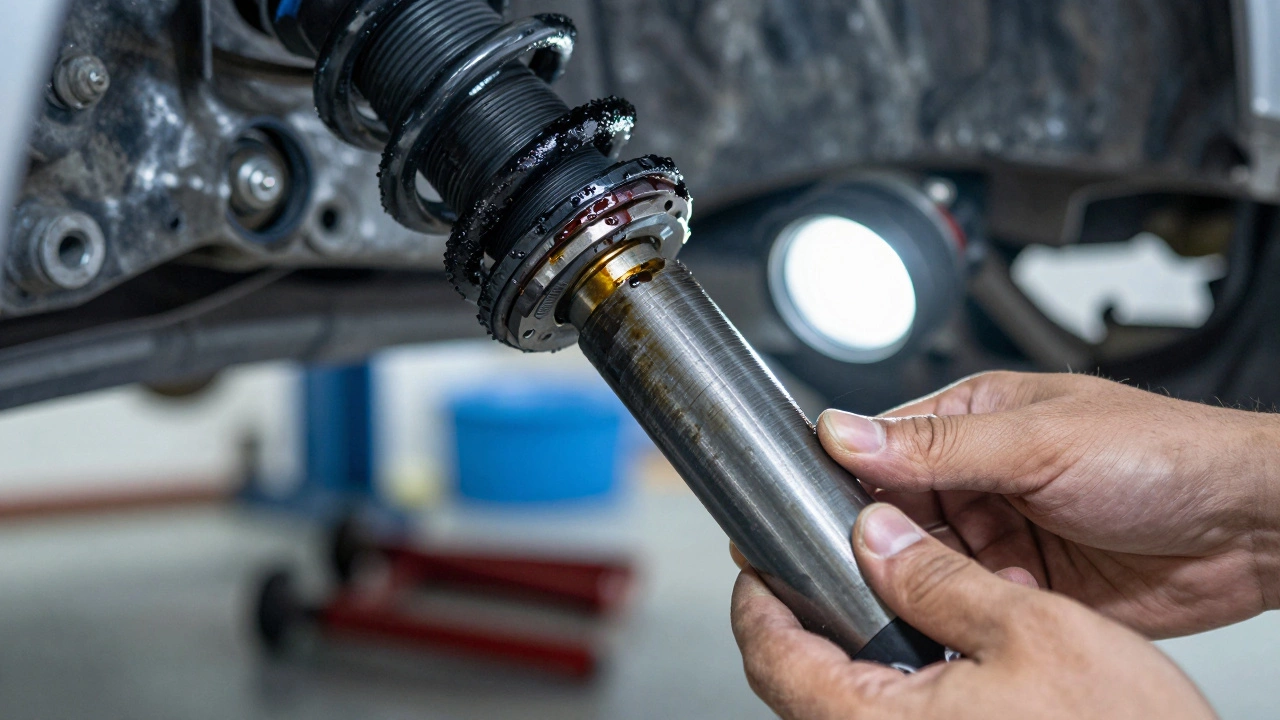
- Check for oil leaks: Look at the bottom of your shocks or struts. If you see dark, greasy residue coating the metal shaft, the internal seals have failed. That fluid is essential for damping. No fluid = no damping.
- The bounce test: Push down hard on each corner of your car. Release it. If it bounces more than once, the damper is weak. Do this on all four corners. Consistent single-bounce behavior means good shocks. Two or more bounces mean replacement.
- Inspect rubber bushings: Look at the ends of your control arms and sway bar links. Cracks, tears, or gaps in the rubber mean noise and looseness. These are cheap parts but critical for quiet operation.
- Listen for clunks: Drive over a small bump slowly. Hear a metallic “clunk” or “rattle”? That’s usually a worn ball joint, tie rod end, or sway bar link. These wear out faster than shocks in city driving.
If you find leaks or excessive bounce, don’t delay. Suspension degradation isn’t linear-it accelerates as other components strain to compensate. One bad shock puts extra stress on its partner, leading to uneven wear and potential failure.
When to Replace vs. Repair
Sometimes you can fix a small part. Other times, you need a full overhaul. Here’s how to decide:
- Replace individual shocks/struts if: Only one side is leaking, and the rest of the suspension looks solid. Always replace in pairs (both fronts or both rears) to keep handling balanced.
- Do a full suspension rebuild if: Bushings are cracked, ball joints are loose, and springs are sagging. This happens commonly after 80,000+ miles or frequent off-road use.
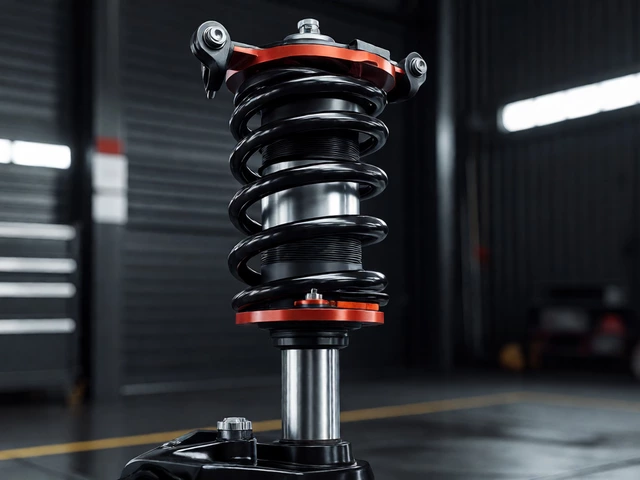
- Consider performance upgrades if: You tow regularly, carry heavy loads, or want better handling. Coilovers or upgraded monotube shocks offer longer life and stiffer response.
In Bristol, where roads mix cobblestones, steep hills, and rain-slicked surfaces, a robust suspension matters more than in flat, dry climates. Don’t skimp on quality. Cheap aftermarket shocks may save £50 now but fail in six months, costing you double in labor later.
Cost Breakdown: What Will It Cost You?
Pricing varies by vehicle type and location. In the UK, here’s what you can expect in 2026:
- Rear shock absorbers (pair): £150-£300 including labor
- Front struts (pair): £300-£600 including labor and alignment
- Control arm bushings (set): £100-£200
- Ball joints (pair): £80-£150
- Full front suspension rebuild: £500-£900
Labor costs depend on your garage. Independent mechanics charge less than dealerships. Always ask for a written quote before work begins. Some shops include free alignments with strut replacements-take advantage of that.
Don’t ignore warning signs. A £400 suspension job today prevents a £1,200 accident tomorrow. Plus, newer shocks improve fuel economy by reducing rolling resistance from misaligned wheels.
Pro Tips for Longevity
Want your suspension to last beyond 70,000 miles? Follow these habits:
- Avoid potholes: Slow down near known hazards. Impact damage destroys seals instantly.
- Keep tires inflated: Under-inflated tires increase suspension load. Check pressure monthly.
- Get alignments annually: Even perfect suspension fails if wheels point wrong. Alignment keeps forces distributed evenly.
- Inspect every service: Ask your mechanic to check bushings and joints during oil changes. Early detection saves money.
Your suspension works silently every day. Treat it well, and it rewards you with safety, comfort, and lower long-term costs. Ignore it, and you risk losing control when you need grip most.
How often should I replace my car suspension?
Most shock absorbers last 40,000-60,000 miles, while struts can go 50,000-100,000 miles. However, severe driving conditions-like city stop-and-go traffic, rough roads, or towing-can shorten lifespan significantly. Inspect annually and replace when symptoms appear, not just based on mileage.
Can I drive safely with a leaking shock absorber?
Short distances at low speeds might be okay, but it’s risky. Leaking shocks reduce braking distance and increase stopping instability. In wet weather, hydroplaning risk rises. Replace immediately if leakage is visible or bouncing occurs.
Is it worth replacing only one shock absorber?
No. Always replace shocks or struts in pairs (left/right). Mismatched damping creates uneven handling, pulling to one side, and accelerated wear on the newer component. Balance is critical for safe steering and braking.
What causes suspension failure prematurely?
Common culprits include hitting potholes at speed, carrying excessive cargo weight, driving on unpaved roads, and neglecting regular maintenance like alignments and lubrication. Corrosion from salted winter roads also degrades metal components faster.
Does bad suspension affect fuel economy?
Yes. Worn suspension leads to poor wheel alignment, causing increased rolling resistance. Tires drag against the road instead of gliding smoothly. Fixing suspension and getting an alignment can improve MPG by 1-3%, saving fuel over time.
Should I upgrade to performance suspension?
Only if you tow frequently, carry heavy loads, or enjoy spirited driving. Standard OEM suspension prioritizes comfort. Performance kits (coilovers, monotube shocks) offer better control but ride harsher. Ensure compatibility with your vehicle’s weight and usage pattern.
How do I know if my ball joints are bad?
Signs include clunking noises over bumps, uneven tire wear, steering vibration, and visible grease contamination around the joint. Lift the car and wiggle the wheel-if there’s slack, the ball joint needs replacement. Never delay this repair; failure can cause wheel detachment.
Can I fix suspension noise without replacing parts?
Sometimes. Loose bolts or dried-out bushings may respond to tightening or lubrication. But persistent squeaks, creaks, or clunks usually indicate worn rubber or metal fatigue. Temporary fixes mask problems; proper inspection reveals root causes.