Brake Rotor Replacement Decision Tool
Quick Diagnostic Checklist
Answer these questions based on a visual and physical inspection of your rotors. If you are unsure about any step, consult a professional.
Does the wheel shake when braking at highway speeds?
Run a fingernail across the surface. Does it catch in deep grooves?
Do you see blue spots or dark shiny glazing?
Is there a sharp metal lip on the outer edge?
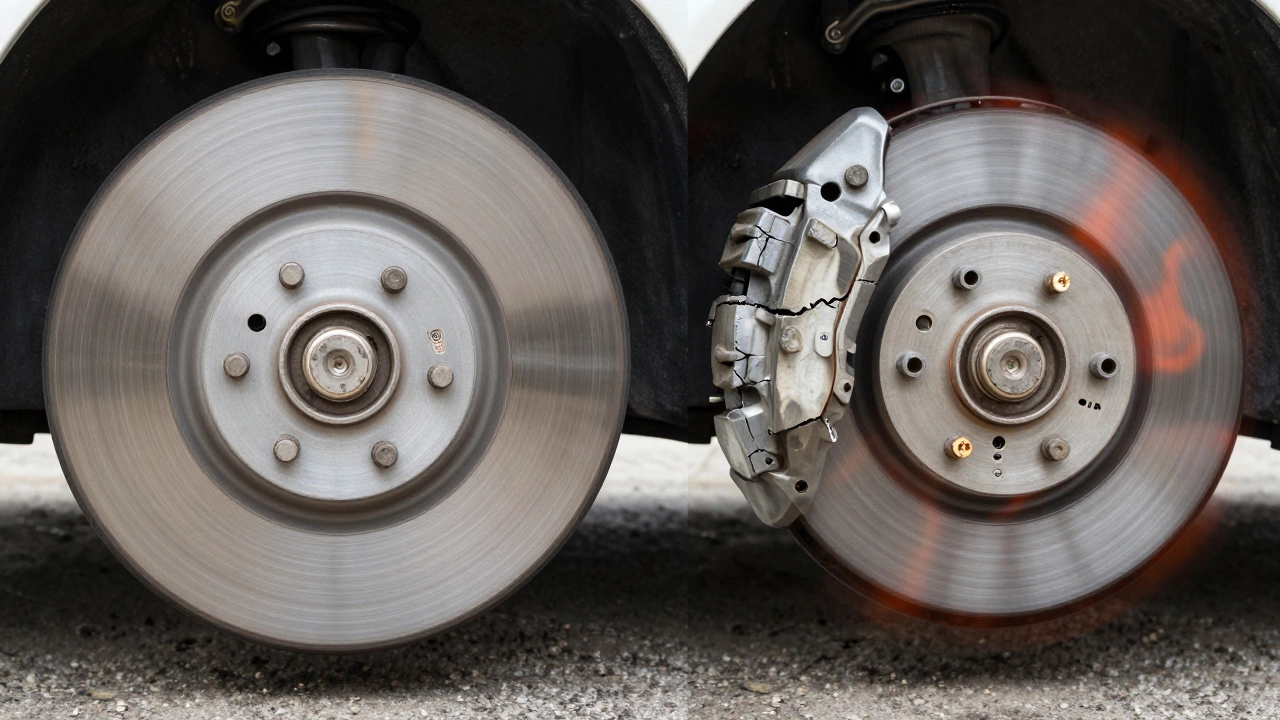
Are there cracks radiating from the center or holes?
Is the rotor thickness below the manufacturer's minimum spec?
There is nothing worse than the screeching sound of failing brakes while you are driving to work. You pull into a shop, and the mechanic tells you that you need new brake pads and metal discs that rotate with the wheel and provide a surface for the brake pads to clamp onto to slow down the vehicle. Your wallet hurts before you even hear the price. But here is the question that keeps every car owner up at night: Do I really need both, or can I just swap the pads?
The short answer is: it depends on the condition of your rotors. Sometimes, replacing just the pads is enough. Other times, skipping the rotors is a dangerous mistake that will cost you more money in the long run. This guide breaks down exactly how to tell the difference, so you aren't paying for parts you don't need.
The Anatomy of Your Braking System
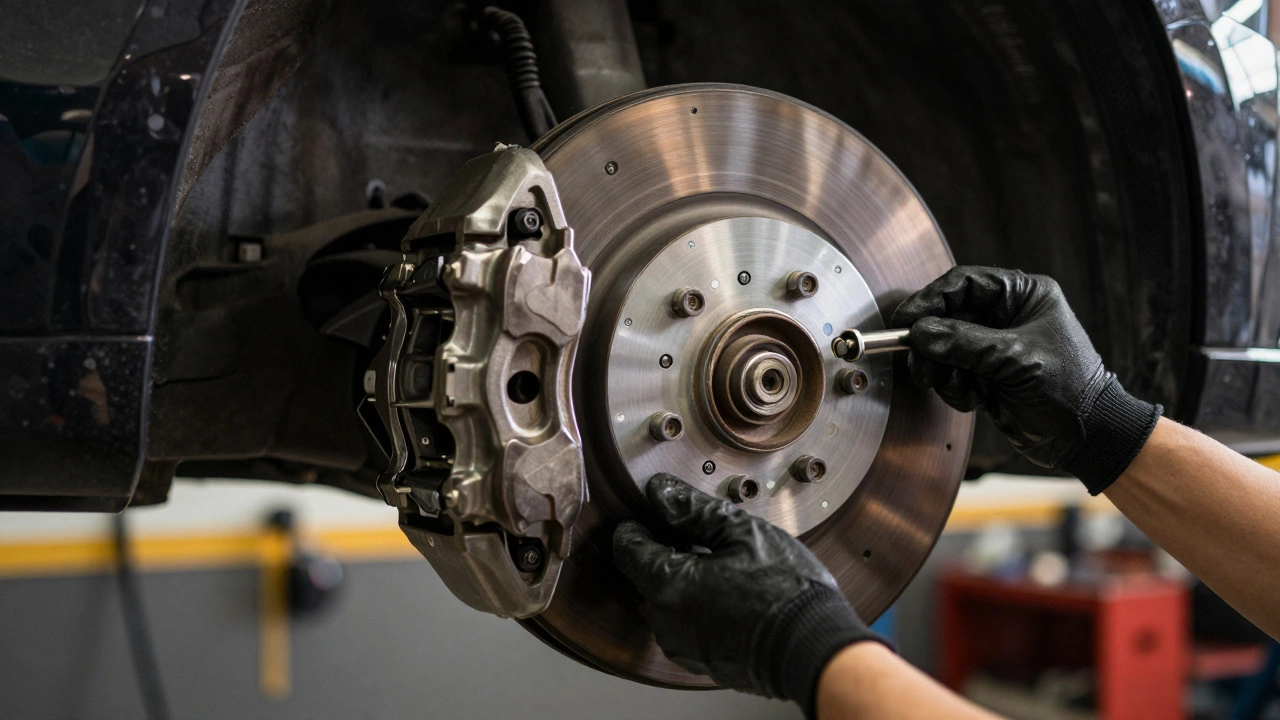
To understand why rotors sometimes fail, you have to look at how they work with the pads. When you press the brake pedal, hydraulic pressure pushes pistons in the caliper. These pistons force the brake pads against the rotor (also called a brake disc). Friction between these two surfaces slows the wheel down.
Think of it like rubbing your hands together quickly. They get hot. Now imagine doing that while stopping a 4,000-pound SUV from 60 mph. That creates immense heat and pressure. Over time, this friction wears down the softer material first-the pads. However, if the system gets too hot, or if debris gets trapped, the harder metal rotor can also suffer damage. Understanding this relationship is key to knowing when to replace one versus both.
When Can You Get Away With Just New Pads?
Not every brake job requires a full overhaul. If you maintain good driving habits and change your pads regularly, your rotors might still be in decent shape. Here is what you should look for to determine if pad-only replacement is safe:
- Minimal Wear: Most rotors come with a minimum thickness specification set by the manufacturer. If a micrometer measurement shows the rotor is above this limit, it might be salvageable.
- No Visible Scoring: Look at the face of the rotor. It should be smooth. If there are only very shallow scratches, they often bed in with new pads.
- No Warping: If your steering wheel does not vibrate when you brake, the rotor is likely flat.
- Clean Surface: There should be no deep rust pits or blue discoloration from overheating.
If your rotors meet these criteria, you can save significant money by only changing the pads. However, "salvageable" doesn't always mean "optimal." Even if they fit, worn rotors may not provide the same stopping power as new ones.
Signs You Must Replace the Rotors Too
Sometimes, the damage is obvious. Ignoring these signs leads to poor braking performance, increased stopping distances, and potential safety hazards. You definitely need new rotors if you notice any of the following:
- Vibration in the Steering Wheel: This is the classic sign of warped rotors. When you hit the brakes at highway speeds, does the wheel shake? That means the rotor is uneven. New pads cannot fix a wavy surface; they will simply wear down unevenly themselves.
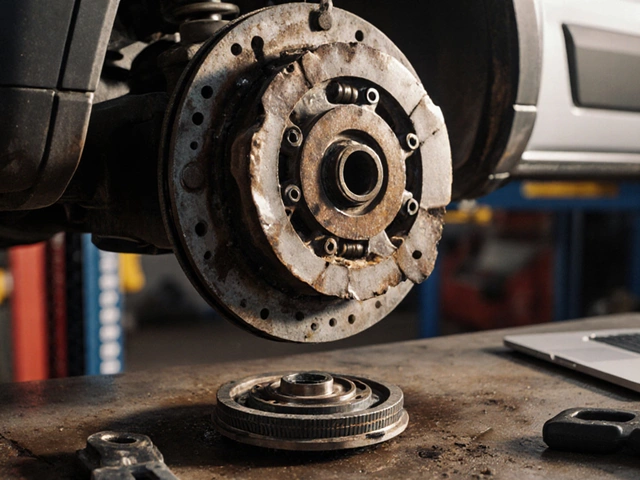
- Deep Grooves or Scoring: Run your finger across the rotor surface (when the car is cool). If you feel distinct ridges or valleys, the rotor is scored. Deep grooves prevent the new pad from making full contact, reducing braking efficiency.
- Blue Spots: Have you been riding your brakes down a steep mountain road? Excessive heat can turn the steel blue. This changes the metallurgy of the rotor, making it weaker and prone to cracking. Blue rotors must be replaced.
- Lip on the Edge: If you feel a sharp edge or lip around the outer circumference of the rotor, it has worn down significantly in the center. This indicates the rotor is near or below its minimum thickness limit.
- Cracks: Any visible cracks, especially radiating from the center or vent holes, mean immediate replacement. A cracked rotor can shatter under heavy braking.

The Cost-Benefit Analysis: Why Mechanics Recommend Both
You might wonder why mechanics almost always suggest replacing both. Is it just greed? Not entirely. There are practical reasons for this recommendation:
Bedding In Process: New brake pads need to transfer a thin layer of material onto the rotor to work effectively. This is called bedding in. Doing this on an old, glazed, or slightly uneven rotor results in poor performance. New pads on new rotors ensure maximum friction and safety from day one.
Time vs. Money: Labor costs are high. Removing wheels, unbolting calipers, and extracting rotors takes time. If you pay $150 for labor to change pads, adding another $50-$80 for rotors isn't a huge jump in total cost. But if you skip the rotors now, and they warp within six months because they were already weak, you pay the labor fee again. Replacing both upfront often saves money over the next two years.
Performance Consistency: Mixing new pads with old rotors can lead to inconsistent braking. One side might grab harder than the other, pulling the car to one side during emergency stops.
| Factor | Pads Only | Pads + Rotors |
|---|---|---|
| Upfront Cost | Lower ($100-$200 parts) | Higher ($200-$400 parts) |
| Labor Frequency | Risk of repeat visit if rotors fail soon | One-time labor cost for longer lifespan |
| Stopping Performance | Good if rotors are healthy | Optimal and consistent |
| Longevity | Dependent on existing rotor health | Maximum lifespan for both components |
| Safety Margin | Moderate | High |
How to Inspect Your Rotors Yourself
You don't need to be a mechanic to check your rotors. Here is a simple step-by-step process to assess their condition before you visit a shop:
- Remove the Wheel: Jack up the car safely and remove the wheel. Ensure the parking brake is off and the car is stable.
- Visual Inspection: Shine a flashlight on the rotor face. Look for shiny spots, dark stains, or blue tints. Check the edges for rust buildup.
- The Finger Test: Carefully run your fingernail across the surface. Light swirl marks are normal. Deep grooves that catch your nail are not.
- Check for Runout: If you have a dial indicator, you can measure how much the rotor wobbles. Without tools, spin the wheel and watch the gap between the tire and fender. Excessive wobble suggests warping.
- Measure Thickness: Use a micrometer to measure the rotor at three different points. Compare this number to the minimum thickness stamped on the rotor hat (the center part).
Types of Rotors and Their Lifespan
Not all rotors are created equal. The type of rotor in your vehicle affects how long it lasts and whether it needs frequent replacement.
- Smooth/Solid Rotors: Common on rear axles of smaller cars. They are cheaper but dissipate heat poorly. They tend to warp faster under heavy use.
- Ventilated Rotors: Found on front axles of most vehicles. They have internal fins that act like a fan, cooling the rotor as it spins. These last longer and resist warping better.
- Drilled and Slotted Rotors: Often found on performance cars. Holes and slots help shed gas, water, and debris. While they look cool, drilled rotors can crack over time due to stress concentration around the holes. Slotted rotors are generally more durable for street use.
- Ceramic Composite Rotors: Used in luxury and high-performance vehicles. They are lighter and resist fading but are extremely expensive to replace.
If you drive a daily commuter car, standard ventilated rotors are the norm. If you tow heavy loads or drive in hilly terrain, consider upgrading to slotted rotors to improve heat dissipation and extend life.
Pro Tips to Extend Rotor Life
Want to avoid replacing rotors as often? Change your driving habits. Here are some practical tips:
- Avoid Riding the Brakes: Keep your foot off the pedal when coasting. Constant light pressure generates heat without stopping the car efficiently, leading to glazing and warping.
- Engine Braking: Downshift when going downhill. Let the engine slow the car rather than relying solely on friction brakes.
- Allow Cooling Time: After hard braking (like track days or emergency stops), let the brakes cool down naturally. Don't park immediately after intense braking sessions.
- Keep Calipers Lubricated: Sticking caliper slides cause uneven pad wear, which scores the rotor. Regular maintenance includes greasing these guides.
- Quality Matters: Cheap aftermarket rotors may use lower-grade cast iron that warps easily. Stick to reputable brands like Bosch, Wagner, or OEM (Original Equipment Manufacturer) parts.
FAQ: Common Questions About Brake Rotors
Can I resurface my rotors instead of replacing them?
Yes, if they are thick enough. Resurfacing (or machining) removes a thin layer of metal to create a smooth, flat surface. However, many modern rotors are manufactured thinner to save weight and fuel. If machining brings them below the minimum thickness, they must be replaced. Always check the manufacturer's specifications before choosing this option.
Why do my brakes squeal even with new pads?
Squealing can indicate worn rotors, but it can also be caused by lack of lubrication on the caliper pins, low-quality pad material, or dust buildup. If the noise persists after a break-in period of 200 miles, inspect the rotors for scoring or glazing. High-metallic pads tend to be noisier than ceramic pads.
Is it safe to drive with warped rotors?
It is not recommended. Warped rotors reduce braking efficiency and cause vibration, which can distract the driver and put extra stress on suspension components. In an emergency stop, uneven contact can lead to unpredictable handling. Replace them as soon as possible.
How often should brake rotors be replaced?
There is no fixed mileage. It depends on driving style, vehicle weight, and rotor quality. On average, rotors last between 50,000 and 70,000 miles. Aggressive drivers or those who tow may need them sooner. Always inspect them during every pad change.
Do I need to replace rotors on all four wheels?
Ideally, yes. Front rotors wear out faster than rear ones because they handle about 70% of the braking force. However, for balanced performance and safety, it is best to replace rotors in pairs (both fronts or both rears). Mixing old and new rotors on the same axle can cause pulling and uneven wear.