Wiper Blade Cost Calculator
How Much Should You Spend?
Enter your driving details to find your ideal wiper investment based on UK weather conditions and safety standards
Your Ideal Wiper Investment
Worn wipers increase reaction time by 20% in wet conditions. For your profile, this equals extra stopping distance.
Only lasts 3-4 months. Will cause streaking in your conditions. Risk of windshield damage.
Lasts 6-12 months. Ideal for UK weather. Prevents 90% of smearing and streaking.
Best for coastal areas and heavy winter driving. Includes aerodynamic design for better performance.
It’s January in Bristol. Rain’s been falling for three days straight. You turn on your wipers - and they smear. You hear a squeak. The streaks blur your view of the road. You think: how much should you spend on wipers? And more importantly - does it even matter?
Wipers aren’t just rubber - they’re safety gear
Most drivers treat wipers like an afterthought. You buy the cheapest pair at the garage because they’re £5. You forget about them until the next storm. But wipers are one of the few parts on your car that directly affect your ability to see - and survive - in bad weather.
In the UK, you’re legally required to have clear visibility. If your wipers leave streaks or fail during an MOT, your car fails. The DVSA doesn’t care if your wipers cost £3 or £30. They care if they work. And in winter, when rain, sleet, and fog are common, a bad set of wipers can turn a 10-minute drive into a nerve-wracking crawl.
Here’s the truth: cheap wipers don’t save you money. They cost you more in the long run - through reduced visibility, faster wear, and even accidents. You don’t need to buy the most expensive wipers on the market. But you also shouldn’t buy the ones that look like they came from a keyring.
What’s the real price range for wiper blades?
Wiper blades in the UK fall into three clear tiers:
- Basic (£5-£10): These are the ones you find at petrol stations or discount stores. Made from low-grade rubber, they often have a metal frame that rusts. They work - for about three months.
- Mid-range (12-£25): These are the ones most mechanics recommend. Brands like Bosch, Rain-X, and Michelin offer these. They use silicone or hybrid rubber, fit better, and last 6-12 months.
- Premium (25-£50+): These are beam-style wipers with no metal frame. They’re aerodynamic, quieter, and grip the glass better in high winds and ice. Brands like Valeo, Febi, and PIAA fall here.
For a typical family car like a Ford Focus or VW Golf, you’ll need two blades - usually 22” and 16”. That means the total cost for a full set is:
- Basic: £10-£20
- Mid-range: £24-£50
- Premium: £50-£100
That’s a big spread. But here’s the thing - you don’t need to spend £50 on wipers if you only drive 5,000 miles a year and park in a garage. But if you drive on the M4 in winter, or live near the coast where salt spray eats rubber, you’re better off spending more.
Why cheap wipers fail faster (and what happens when they do)
Low-cost wipers use rubber that hardens quickly. In cold weather, it becomes brittle. In heat, it melts slightly. After three months, the edge becomes uneven. That’s when you get the chattering, the streaking, the missed patches.
Here’s what a bad wiper does to your view:
- It leaves a thin film of dirt on the glass - even when wet.
- It skips across the glass instead of gliding - creating blind spots.
- It scrapes the glass over time, leaving fine scratches that catch light and blind you at night.
Research from the AA in 2024 showed that drivers with worn wipers took 20% longer to react to hazards in wet conditions. That’s the equivalent of driving an extra 12 metres at 30mph without seeing. In fog? That gap becomes 25 metres. That’s the length of a bus.
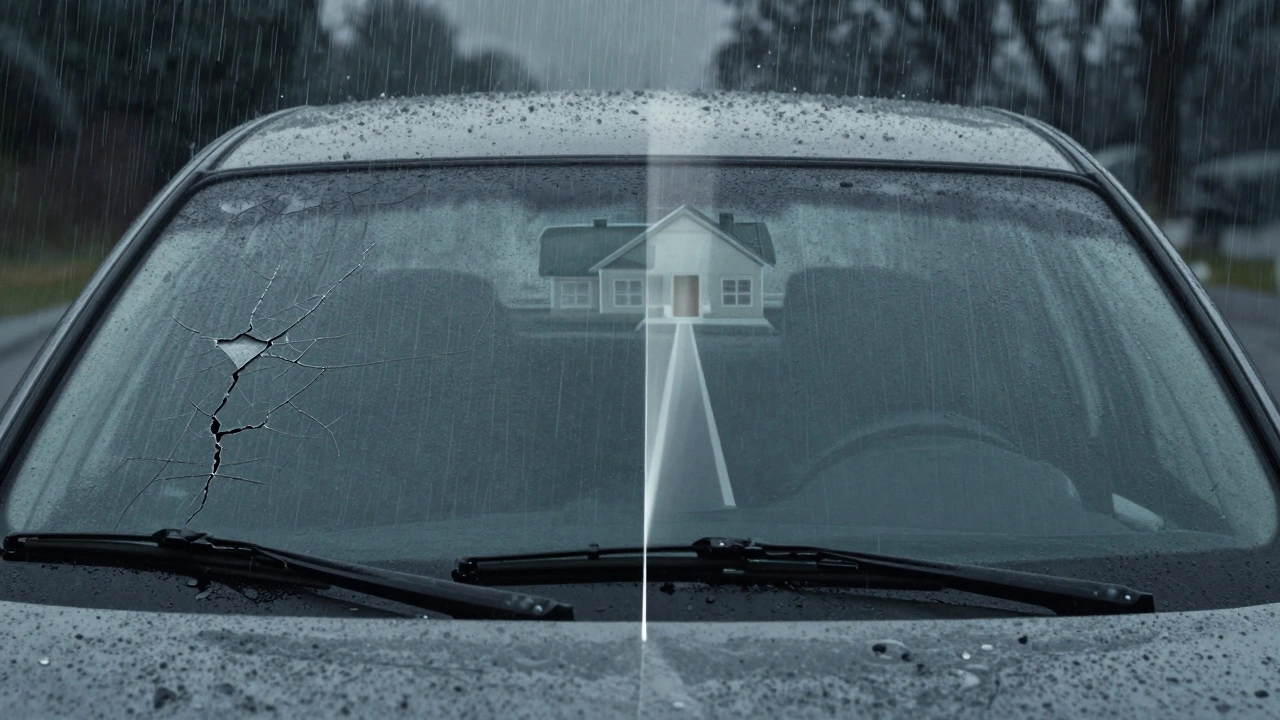
And it’s not just about safety. Scratched windshields cost £200-£500 to repair or replace. A £15 set of wipers that lasts 4 months isn’t a bargain - it’s a gamble.
What to look for when buying wipers
Not all wipers are made the same. Here’s what actually matters:
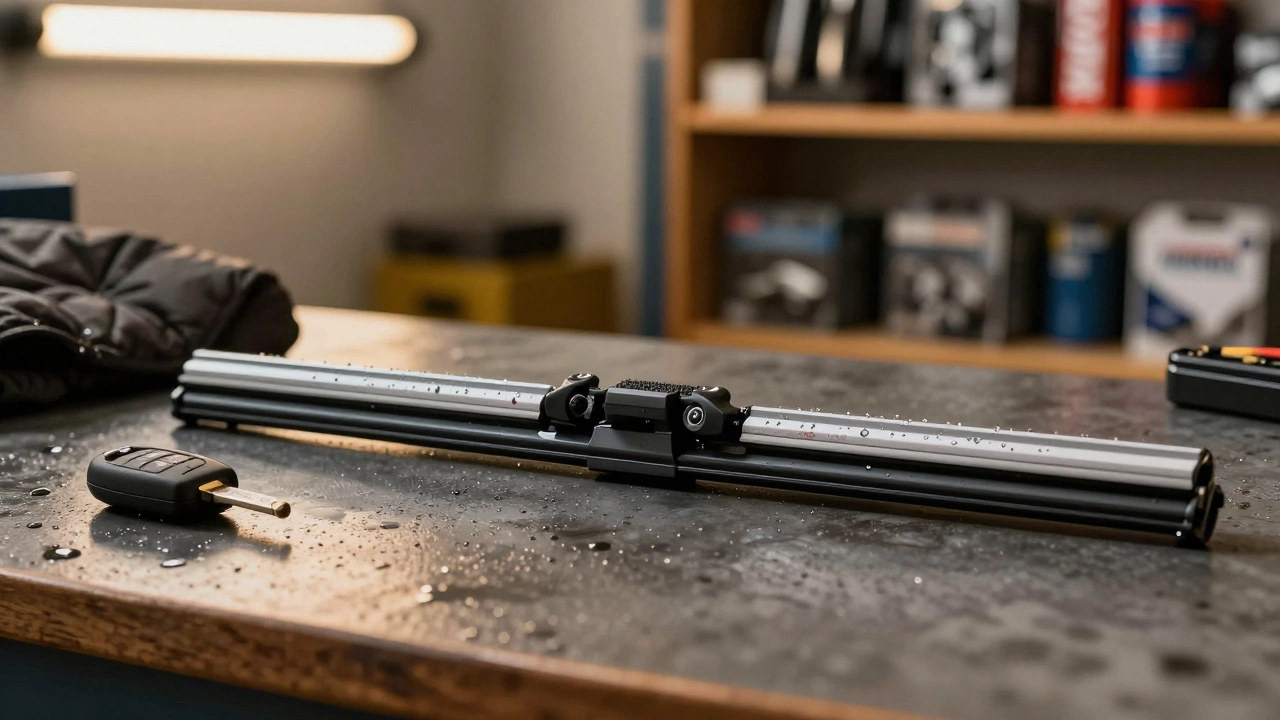
- Material: Silicone or hybrid rubber lasts longer than standard rubber. Silicone resists UV and temperature changes. Look for ‘silicone-blend’ on the box.
- Design: Beam-style wipers (no metal frame) are better for UK winters. They don’t collect ice or snow. Metal-frame wipers freeze up and lift off the glass.
- Fit: Make sure the blade fits your car. Use your registration number on sites like Autodoc or Halfords to check compatibility. Don’t guess.
- Brand reputation: Bosch, Michelin, and Rain-X consistently score high in independent tests. Avoid no-name brands from Amazon with 3-star reviews and no photos.
- Warranty: Good wipers come with a 12-month guarantee. If they wear out in 4 months, you get a free replacement.
One real-world tip: if your car has a rear wiper, replace it at the same time. Most people forget it - and then get blindsided by spray from the car behind.
When to replace wipers - don’t wait for failure
Most manufacturers say replace wipers every 6-12 months. But that’s a guideline. Here’s how to know for sure:
- Streaking? Even after cleaning the glass - replace them.
- Chattering or skipping? That’s the rubber losing grip. Time to swap.
- Cracks or splits in the rubber? Don’t wait. That’s a safety risk.
- It’s been 8 months since you last changed them? Do it now. Even if they seem fine.
Pro tip: Change them in autumn. That way, you’re ready for winter storms. Don’t wait for the first heavy rain. By then, it’s too late.
Is it worth paying extra for premium wipers?
Let’s say you buy a £40 pair of Bosch Aerotwin blades. They last 14 months. That’s £2.85 per month.
Now, buy a £10 pair. They last 4 months. That’s £2.50 per month.
Wait - the cheap ones are cheaper per month? Not quite.
You’re not just paying for the blade. You’re paying for:
- Clear vision - which reduces stress and fatigue on long drives.
- Less wear on your windshield - saving you hundreds later.
- Peace of mind in fog, hail, or night rain.
- Not having to stop on the side of the M5 at 11pm to change them.
For most UK drivers, the mid-range option - £18-£25 - is the sweet spot. It’s not the cheapest. But it’s not the most expensive. And it lasts long enough to justify the cost.
Only go premium if:
- You drive a luxury car (BMW, Audi, Mercedes) - they’re designed for beam-style wipers.
- You live in a coastal area with salt air.
- You drive over 15,000 miles a year.
Where to buy wipers in the UK
Don’t buy from random Amazon sellers. You’ll get counterfeit blades. Here’s where to go:
- Halfords: Reliable, good advice, free fitting if you buy there.
- Autodoc: Best prices online, exact fit guaranteed with your reg number.
- Halfords Autocentre or Kwik Fit: Pay a bit more, but they’ll install them for you while you wait.
- Local garages: Many stock Bosch or Michelin. Ask for the brand, not the price.
Avoid: petrol station wipers, eBay no-name brands, and ‘universal fit’ blades that don’t match your car’s exact size.
Final verdict: How much should you spend?
You don’t need to spend £50. But you also shouldn’t spend £5.
For 90% of UK drivers, the right answer is £18-£25 for a pair of mid-range wipers. That’s about the cost of two tank fills of petrol. And it keeps you safe for a full year.
Think of it like this: you wouldn’t drive on bald tyres because they’re cheap. Don’t drive with bad wipers either. Your eyes are your most important safety tool. Protect them.
Change them every 8-12 months. Check them before winter. And don’t wait until you can’t see the car in front of you to act.
How often should I replace my windscreen wipers in the UK?
Replace your wipers every 6 to 12 months. In the UK’s wet climate, even if they look okay, the rubber degrades from UV exposure, salt spray, and temperature swings. If you notice streaking, squeaking, or smearing, replace them immediately - don’t wait for the 12-month mark.
Are expensive wiper blades worth it?
Yes, if you drive regularly or in harsh weather. Premium wipers use better materials like silicone, last longer, and grip the glass more evenly. They’re especially worth it if you live near the coast, drive on motorways, or have a car with a curved windscreen. For most drivers, mid-range blades (£18-£25) offer the best balance of price and performance.
Can I use any wiper blade on my car?
No. Wiper blades come in specific sizes and mounting types. Using the wrong size can damage your windscreen or cause the blade to lift off at speed. Always check your car’s manual or enter your registration number on a trusted site like Autodoc or Halfords to find the correct fit.
Do I need to replace both wipers at the same time?
Yes. Even if one blade looks fine, the other is likely worn to a similar degree. Using mismatched blades causes uneven wiping, streaking, and poor visibility. Always replace them as a pair - including the rear wiper if your car has one.
Why do my wipers leave smears even after cleaning the glass?
Smearing usually means the rubber edge of the wiper blade is worn, cracked, or hardened. Cleaning the glass won’t fix this. The blade itself needs replacing. Try wiping the rubber with isopropyl alcohol first - if that doesn’t help, it’s time for new blades.
Can I fit wiper blades myself?
Yes, most modern wiper blades are tool-free and snap on in under 2 minutes. Look for the release tab, lift the arm, slide the new blade into place, and click it until it locks. If you’re unsure, Halfords or Kwik Fit will fit them for free when you buy from them.