The First Warning Signs You Shouldn't Ignore
You feel it before you see it. That strange bumpiness when you hit a pothole on the A38 or an unsettling rattle going over a speed hump in your local estate. Your car feels like it’s not holding its shape anymore. While it might seem like normal aging for an older vehicle, ignoring these sensations can lead to expensive repairs later on.
Diagnosing suspension problems doesn’t require a degree in engineering, but it does require attention to detail. Many drivers wait until the steering wheel vibrates dangerously before acting, but by then, other components like your tires the crucial interface between your vehicle and the road surface may already be ruined. This guide breaks down exactly what to check when your ride starts feeling off.
Performing the Visual Walk-Around Check
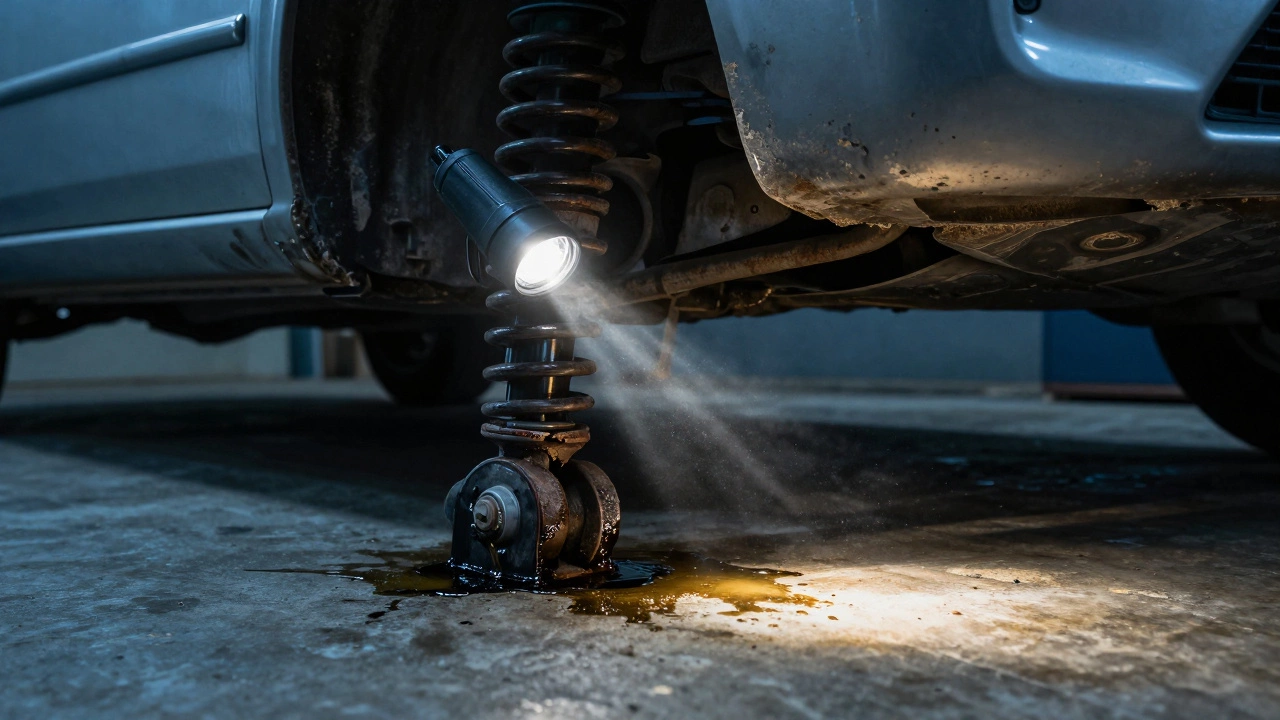
Before you even get behind the wheel, grab a flashlight and look under the vehicle. If your car has been parked in typical Bristol weather, you should inspect the underside carefully. Look for signs of fluid dripping beneath the front or rear wheels. If you spot oily streaks where no oil lines exist, your shocks or struts could be leaking hydraulic fluid.
- Check for physical damage: Inspect the body of the shock absorber for dents, bends, or corrosion that looks severe. Rust is common, but flaky, deep pits indicate structural weakness.
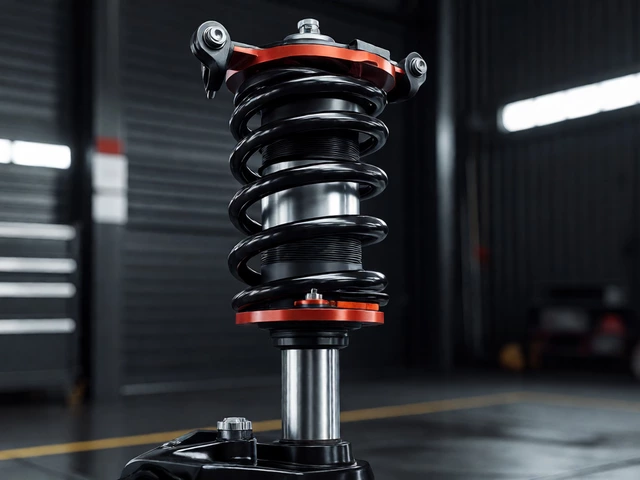
- Look at the springs: In older cars, coil springs sit around the shock. If you see a spring that looks shorter than the other side or visibly broken, that is a clear sign of failure.
- Inspect rubber bushings: Rubber mounts connect metal arms to the chassis. Over time, this rubber cracks and disintegrates. When it fails completely, metal-on-metal contact occurs, which causes clunking sounds.
This visual inspection gives you baseline data. However, seeing isn’t everything; you also need to understand how the vehicle behaves under load.
The Bounce Test for Shock Absorbers
One of the most reliable ways to test your suspension without tools is the push test. Park your car on level ground, preferably on concrete or asphalt rather than grass. Position yourself firmly at each corner of the vehicle and push down on the bumper with your full body weight.
Watch closely as you release. A healthy car should move down, bounce back up once, and settle immediately. It should feel firm. If the car continues to bob up and down more than twice before stopping, your dampening system is compromised. Without proper damping, the kinetic energy from hitting a bump isn’t absorbed; instead, it transfers to the vehicle frame.
| Symptom | Likely Component Failure | Risk Level |
|---|---|---|
| Excessive bouncing after bumps | Worn Shock Absorbers | High (Safety Critical) |
| Clunking over rough roads | Broken Bushings or Ball Joints | Medium |
| Vehicle pulls to one side | Alignment Issues or Worn Control Arm | Medium-High |
| Noise while turning corners | Failed CV Joint or Sway Bar Link | Low-Medium |
This test works best when comparing the front left corner to the front right corner. Often, shocks fail simultaneously because they share similar mileage and stress levels. If one corner acts "soft," the opposite corner usually follows suit soon.
Interpreting Strange Noises and Vibrations
Suspension parts communicate through sound. When you hear noise coming from underneath, listen to the context. Is the sound metallic or rubbery? Does it change with speed?
If you hear a squeaking noise when going over minor lumps, it usually points to dry friction within the shock absorber strut mount. Rubber damps vibration, and when that rubber perishes, the mount slides without lubrication. Conversely, a rhythmic clunking sound at low speeds often indicates worn ball joints. These spherical bearings allow rotation between control arms and the steering knuckle. When they develop play, the connection becomes loose, creating that hollow thud.
Driving over speed bumps is the ultimate stress test. If the bump creates a heavy thud followed by rattling, your sway bar links might be snapped. These links stabilize the body roll. While a broken link won't leave you stranded, it significantly reduces stability during hard cornering, especially on wet days in the UK.

Analyzing Tire Wear Patterns
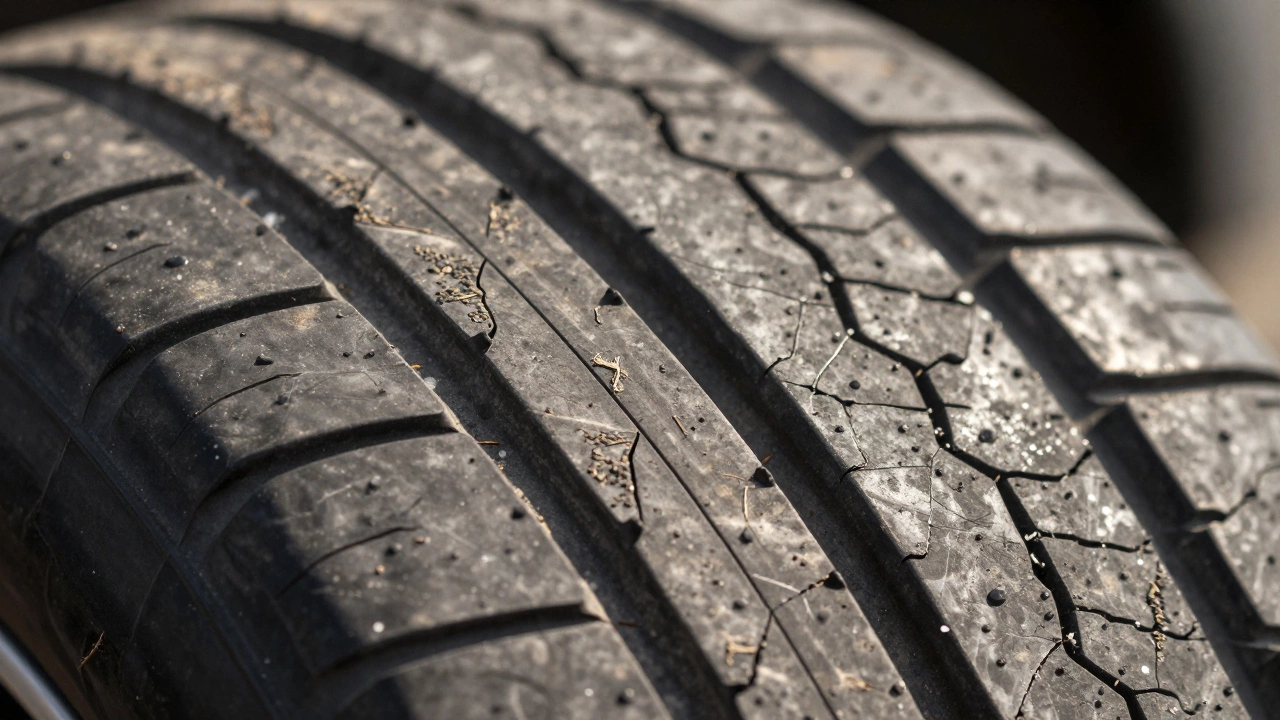
Your tires are the most honest witness to suspension health. Because suspension holds the wheels in place relative to the body, a failed suspension allows the wheel to wander. This wandering scuffs the tires against the asphalt unevenly.
Walk around your vehicle and run your hand along the tread surface. Feel for irregular dips or ridges. Cupping or scalloping-where there are distinct bald patches alternating with raised tread-happens because the suspension cannot hold the tire flat on the road. As the car hits the next bump, the tire lifts slightly and slams back down. This cyclic movement chews up the rubber.
Another critical sign is uneven wear across the face of the tire. If the inside edge is more worn than the outside, it often suggests alignment issues caused by a bent control arm or failing stabilizer bars. Ignoring this means you waste money replacing tires that would wear out again just months later due to unresolved suspension faults.
Steering Behavior and Road Holding
Handling changes are subtle but vital indicators. Pay attention to how the steering wheel responds to inputs. If you feel a constant vibration through the steering wheel, especially at higher speeds, you might have unbalanced wheels. However, if the vibration intensifies when you go over bumps or when turning, it is almost certainly the suspension or tie rods.
Does your car drift to the left or right when you take your hands off the wheel briefly? This could be a sign of poor alignment resulting from suspension geometry changes. If the steering rack itself is worn, you may experience play, meaning you can turn the wheel several degrees before the tires actually respond to the input. In emergency situations, that delay can be dangerous.
Cornering behavior changes too. If the vehicle leans significantly more to one side than usual, your sway bar or dampers are failing to resist body roll. On a standard city drive, you might not notice, but on the motorway or rural curves, this instability makes the car feel "floaty" and less predictable.
The Role of Modern Vehicles and Electric Cars
We live in a time of mixed automotive fleets. By 2026, many vehicles on our roads are hybrids or fully electric. These cars carry massive battery packs in the floor pan, making them heavier. Consequently, their suspension components work harder and age faster than traditional combustion engines.
Electric vehicles (EVs) often utilize adaptive suspension systems that adjust stiffness based on road conditions. However, if the system sensors fail, the ride quality drops drastically. Since EVs are quiet, mechanical noises from the suspension are much easier to hear. A slight whine or click that goes unnoticed in a diesel engine might be obvious in a silent electric cabin.
If you own an EV, pay close attention to regenerative braking effects on the suspension. Hard deceleration shifts weight forward heavily. If the front compression rebound is weak, you’ll feel the nose dive excessively during every brake application.
MOT Standards and Legal Implications
In the United Kingdom, the annual MOT test includes a thorough check of the suspension system. Examiners specifically check for security and condition. If a suspension part is worn beyond manufacturer tolerances or poses a danger, it will result in a fail.
However, relying solely on the annual test is risky. Between Jan 1st and Oct 31st (the typical MOT window), a part could fail. If your suspension collapses while driving, you lose control of the vehicle regardless of when your last service was. Regular self-checks fill the gaps between professional inspections.
Repair Versus Replace Scenarios
Once you confirm you have a fault, the decision arises: fix individual parts or replace the whole assembly? For high-mileage vehicles, shock absorbers are often replaced as a set. Replacing just the left one is short-sighted because the new unit will differ in performance from the old one, causing an imbalance in ride height and stability.
Ball joints and control arms are labor-intensive to replace individually due to seized bolts. Sometimes, replacing the entire control arm (which comes with the joint welded to it) is cheaper in total costs when factoring in labor time and penetrating oil risks. Always discuss long-term reliability with your mechanic.
FAQ: Common Suspension Questions
Can I drive safely with worn shocks?
You generally shouldn’t drive for extended periods with severely worn shocks. While the car won’t stop immediately, worn shocks increase stopping distances because the tires lose grip during braking. It compromises vehicle control significantly.
How long do suspension parts typically last?
Most shock absorbers last between 40,000 to 60,000 miles. However, poor road conditions in the UK can reduce this lifespan. Springs generally last longer but can suffer fatigue or corrosion over time.
What does a suspension replacement cost?
Prices vary widely based on the vehicle model and brand parts. Generally, a pair of standard shocks plus labor runs from £200 to £500. Premium performance models or air suspension units will cost significantly more in both parts and fitting fees.
Will new suspension fix my alignment?
Installing new parts can actually change your alignment settings, especially the camber and toe. Therefore, it is standard practice to perform a wheel alignment immediately after replacing major suspension components to ensure tires wear evenly.
Is it okay to replace shocks one at a time?
It is highly recommended to replace shocks in axle pairs (both front or both rear). Mixing new and old parts leads to uneven handling dynamics, which can make the car pull to one side or bounce unpredictably under load.
Monitoring your car’s health is about staying ahead of the problem. If you suspect any issues after reviewing these checkpoints, don’t hesitate to consult a professional garage. A safe ride is always worth the investment.