Wheel Material Identifier Tool
Select the characteristics that match your wheels to determine their material composition.
Step 1: The Weight Test
If you can lift them, how heavy do they feel? (Estimates for 17-inch wheels)
Heavy / Bulky
25+ lbsFeels cumbersome and dense.
Medium
15-20 lbsLighter than steel, but substantial.
Light
12-15 lbsSurprisingly light for its size.
Step 2: The Magnet Test
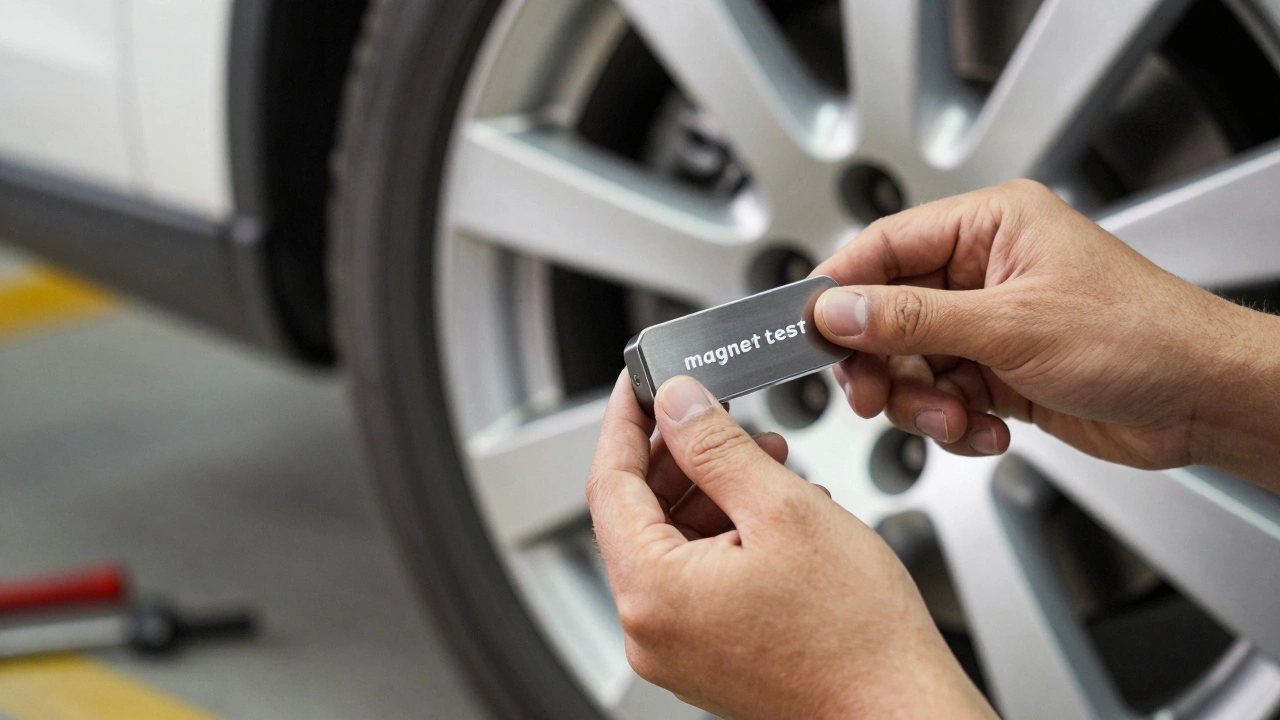
Hold a strong magnet against the bare metal of the rim.
Sticks Firmly
Contains iron/steel.
Does Not Stick
Non-magnetic (Aluminum).
Step 3: Visual Inspection
Look closely at the spokes and surface texture.
Plain & Thick
Utilitarian look, simple spokes, often black/grey.
Slightly Rough
Minor imperfections, pits, or casting lines visible.
Sharp & Clean
Crisp edges, high detail, looks like art.
Analysis Complete
Best Use:
Cons:
You’ve just bought a set of used wheels, or maybe you’re staring at the ones currently on your car and wondering what they’re actually made of. The term "alloy" gets thrown around so loosely in the automotive world that it’s easy to get confused. You might hear someone say their car has "aluminum alloys," while another claims theirs are just "steel." But here is the big secret: almost all modern light-weight wheels are made from an aluminum-based alloy. So, when people ask how to tell if rims are aluminum or alloy, they are usually trying to distinguish between cast aluminum, forged alloy, and sometimes steel (which is often mistaken for heavy aluminum).
Understanding this distinction matters because it affects your car’s performance, fuel economy, and safety. A lightweight forged wheel handles better than a heavy cast one. Steel wheels are durable but add unsprung weight, making your ride feel sluggish. Let’s break down exactly how you can identify what your wheels are made of without needing a lab report.
The Myth of "Aluminum" vs. "Alloy" Wheels
First, we need to clear up a common misconception. Pure aluminum is too soft to be used for car wheels. It would bend or crack under the stress of driving over potholes or braking hard. Therefore, manufacturers mix aluminum with other metals-like magnesium, silicon, or manganese-to create an aluminum alloy that is stronger and more durable.
So, technically, there is no such thing as a "pure aluminum" rim in the automotive market. When people say "aluminum wheels," they mean wheels made from an aluminum alloy. The real question isn’t "aluminum vs. alloy," but rather "cast vs. forged" or "alloy vs. steel." Here is how you can tell the difference using simple visual and physical checks.
Visual Inspection: What Does the Surface Look Like?
Your eyes are your first tool. Different manufacturing processes leave distinct marks on the surface of the wheel.
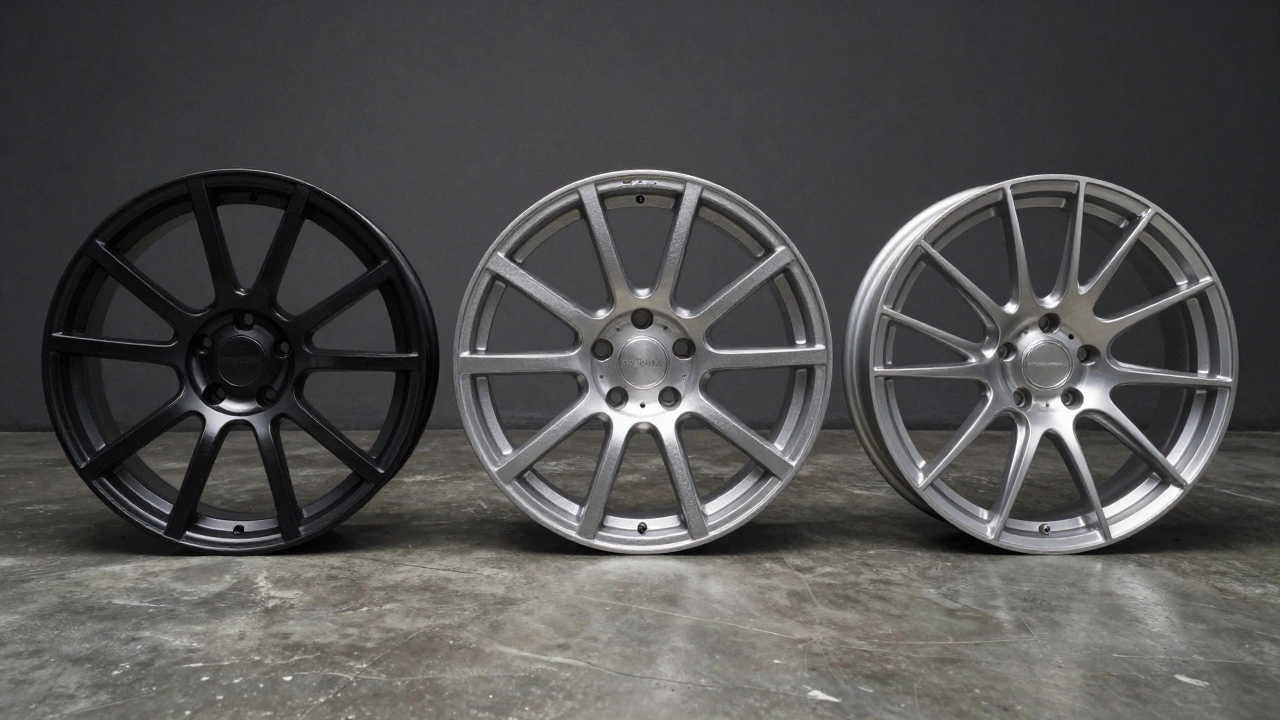
- Cast Aluminum Wheels: These are the most common type found on everyday cars. They are made by pouring molten metal into a mold. Look closely at the spokes and the inner barrel. You might see slight imperfections, small pits, or a slightly rough texture where the casting lines were filed down. The finish is usually smooth but may have minor inconsistencies.
- Forged Alloy Wheels: Forged wheels are made by compressing a solid block of aluminum under immense pressure. This creates a denser, stronger grain structure. Visually, forged wheels often look sharper and more detailed. The surfaces are typically smoother and cleaner because less machining is needed after forming. If the wheel looks like a high-end piece of art with crisp edges, it’s likely forged.
- Steel Wheels: Steel wheels are rarely painted in flashy colors unless covered by hubcaps. They are usually black, grey, or silver and have a very utilitarian look. They lack the intricate spoke designs of alloy wheels. If the wheel looks thick, bulky, and plain, it’s probably steel.
The Weight Test: Heft Them Up
If you can lift the wheels off the ground, weight is the most reliable indicator. Material density and manufacturing methods drastically affect how heavy a wheel feels.
Cast aluminum wheels are lighter than steel but heavier than forged alloys. A typical 17-inch cast wheel weighs between 15 to 20 pounds. Forged alloy wheels are significantly lighter due to their optimized structure; a similar size forged wheel might weigh only 12 to 15 pounds. Steel wheels are the heaviest, often weighing 25 pounds or more for the same size.
Try lifting two wheels side-by-side if possible. If one feels noticeably lighter and more balanced, it’s likely forged. If both feel heavy and cumbersome, they could be cast aluminum or steel. Remember, unsprung weight (the weight not supported by the suspension) makes a huge difference in handling. Lighter wheels allow your suspension to react faster to bumps.
Magnet Test: Is It Steel?
This is the quickest way to rule out steel. Take a strong magnet-like a refrigerator magnet-and hold it against the bare metal of the wheel (not the painted surface if possible, though paint doesn’t always stop weak magnets).
If the magnet sticks firmly, the wheel contains iron, meaning it is likely steel or a steel-alloy hybrid. Pure aluminum alloys are non-magnetic. If the magnet does not stick at all, you are dealing with an aluminum-based alloy. Note that some aftermarket wheels have steel inserts for strength, so check multiple spots.
Sound Test: Tap It Gently
While not foolproof, tapping the wheel with a screwdriver handle or a coin can give clues about its construction. Cast aluminum tends to produce a duller, shorter "thud" sound because the internal structure is less dense. Forged alloy wheels, being denser and more uniform, often produce a clearer, higher-pitched "ring" or chime. Steel wheels produce a sharp, metallic clang. This method works best if you have a reference wheel to compare against.

Check the Stamping and Documentation
Manufacturers are required to stamp identification codes on the back of the wheel barrel. Look for words like "AL," "ALLOY," "CAST," or "FORGED." Sometimes you’ll see a part number that you can search online. If the wheel came with a manual or warranty card, it will explicitly state the material. Used wheels might have these stamps worn down, so use a flashlight to inspect the inner rim carefully.
| Material Type | Weight (17-inch) | Magnetic? | Cost Range | Best For |
|---|---|---|---|---|
| Cast Aluminum | 15-20 lbs | No | $100-$300 per wheel | Daily drivers, budget builds |
| Forged Alloy | 12-15 lbs | No | $400-$800+ per wheel | Performance, track, luxury |
| Steel | 25+ lbs | Yes | $50-$150 per wheel | Towing, winter, off-road |
Why Does Material Matter for Your Car?
Choosing the right wheel material isn’t just about looks. It impacts your vehicle’s dynamics. Lighter forged wheels reduce rotational mass, which means your engine doesn’t have to work as hard to accelerate them. This can improve acceleration times and brake response. Cast wheels offer a good balance of cost and performance for most drivers. Steel wheels are tough and cheap, making them ideal for harsh conditions where curb rash is a constant threat.
If you plan to upgrade your suspension or lower your car, switching from steel to alloy can enhance handling precision. However, ensure the new wheels match your bolt pattern, offset, and center bore specifications to avoid fitment issues.
Are all alloy wheels made of aluminum?
Yes, in the automotive context, "alloy wheels" almost always refer to aluminum alloys. While magnesium alloys exist, they are rare due to corrosion and fire risks. Pure aluminum is too soft for wheels, so it is always mixed with other elements.
Can I paint steel wheels to look like alloy?
You can paint steel wheels any color, but you cannot change their shape. Steel wheels have thick, simple spokes. Painting them won’t make them look like the intricate, thin-spoked design of cast or forged alloy wheels.
Which is safer: cast or forged?
Both are safe if manufactured correctly. Forged wheels are generally stronger and more resistant to impact damage due to their dense grain structure. However, quality cast wheels meet strict safety standards for daily driving.
How do I know if my wheels are damaged?
Look for cracks, especially near the valve stem or spoke roots. Check for bends by spinning the wheel and watching for wobble. Air leaks can also indicate damage to the bead seat area. Always have suspicious wheels inspected by a professional.
Is it worth upgrading from cast to forged?
If you drive a performance car or plan to track your vehicle, yes. The weight reduction improves handling and braking. For casual city driving, the cost difference may not justify the marginal gains in performance.