Spark Plug Health & Replacement Estimator
Check any symptoms you are experiencing:
Enter mileage and select symptoms to receive a diagnosis and cost estimate.
Status: Pending
Lifespan Estimate
Estimated Remaining Life: --
Cost Analysis
- Replacement Cost (DIY/Shop avg): £0
- Potential Damage Risk: £0
Recommendation:
Waiting for analysis...
You’re driving along the motorway, and suddenly the car feels sluggish. You press the accelerator, but instead of that smooth surge of power, you get a shudder or a hesitation. It’s annoying, sure, but more importantly, it’s a warning light flashing in your dashboard’s language. While modern cars have complex sensors, some problems still announce themselves through basic mechanical symptoms. One of the most common culprits behind rough running and poor fuel economy is worn-out spark plugs. These tiny components are the heart of your ignition system, responsible for igniting the air-fuel mixture in the engine cylinders. When they fail, everything else suffers.
Knowing when to replace them isn’t just about following the manual’s mileage interval. Sometimes, they die early due to bad oil, incorrect gap settings, or aggressive driving. By learning to spot the signs, you can save yourself from expensive tow bills and keep your engine running smoothly. Here is how to diagnose the issue before it becomes a breakdown.
The Classic Symptoms of Worn Spark Plugs
The first thing you’ll notice is usually a change in how the car behaves at low speeds or during acceleration. A healthy engine fires evenly across all cylinders. When a spark plug wears out, its electrode gets rounded off or coated in carbon, making it harder to create a strong spark. This leads to an incomplete combustion cycle.
Watch for these specific behaviors:
- Rough Idling: If your car shakes or vibrates while stopped at a traffic light, it’s often because one cylinder isn’t firing correctly. The engine loses its rhythmic hum and turns into a stuttering mess.
- Engine Misfires: This feels like a sudden jerk or skip while driving. It happens when the spark fails entirely for a few cycles. In modern cars, this might trigger the Check Engine Light with codes like P0300 (random misfire) or P0301-P0304 (specific cylinder).
- Difficulty Starting: Cold starts become a chore. The starter motor cranks longer than usual because the weak spark struggles to ignite cold fuel.
- Reduced Fuel Economy: If your miles-per-gallon drops noticeably without a change in driving habits, inefficient combustion is likely to blame. Unburnt fuel goes straight out the exhaust pipe instead of powering the wheels.
Don’t ignore these cues. A single bad plug can damage the catalytic converter over time, turning a £20 part into a £500 repair bill.
Visual Inspection: What Do Bad Spark Plugs Look Like?
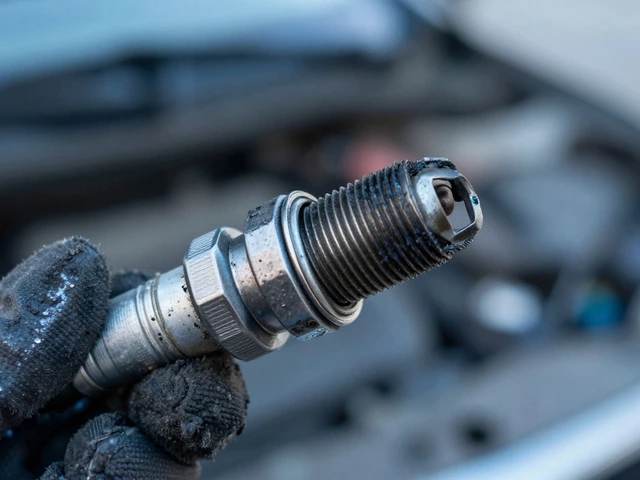
Symptoms tell you something is wrong, but looking at the plug tells you why. If you have a basic socket set and feel confident lifting the bonnet, pull one plug out. Compare what you see against these common conditions.
| Condition | Appearance | Likely Cause | Action Required |
|---|---|---|---|
| Normal Wear | Light tan or grey insulator; slight electrode wear. | Healthy operation within service life. | Replace if mileage interval reached. |
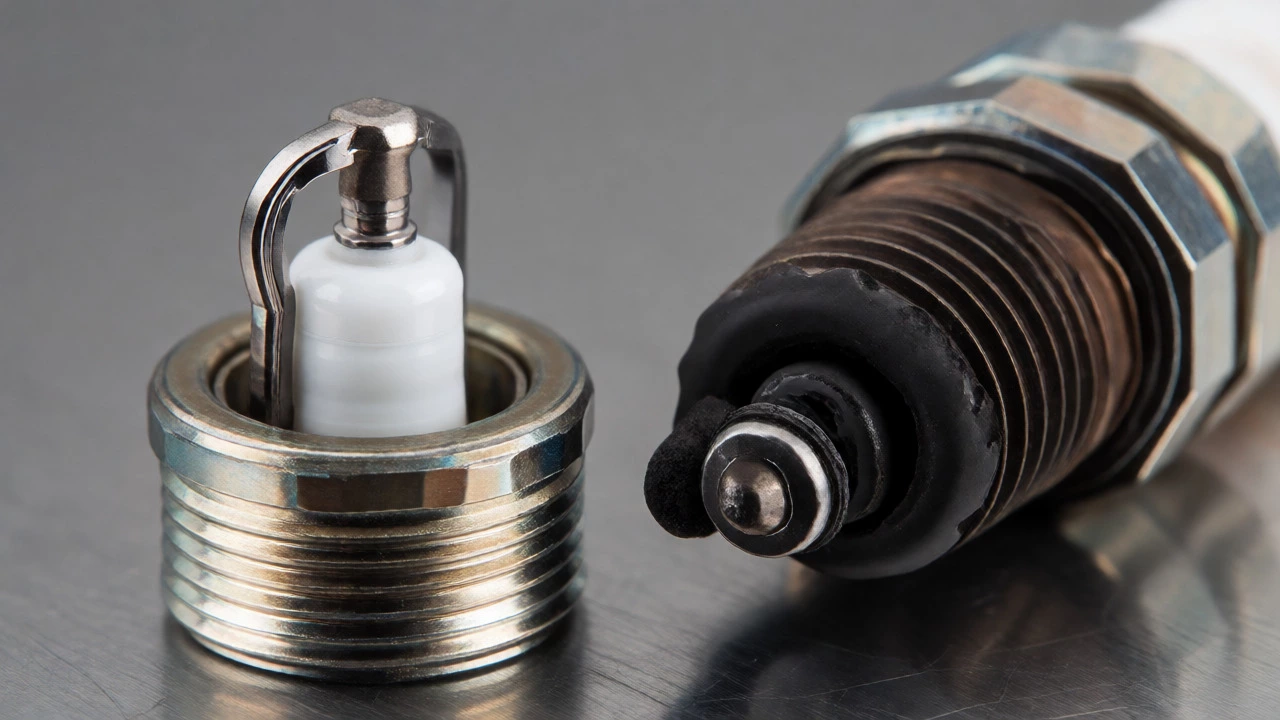
| Carbon Fouled | Dry black soot covering the tip. | Rich fuel mixture, short trips, or faulty PCV valve. | Fix underlying fuel/air issue; clean or replace. |
| Oil Fouled | Wet, dark sludge on the plug. | Worn piston rings or valve seals leaking oil. | Major engine work needed; replace plugs temporarily. |
| Pre-ignition/Detonation | Melted electrode, white/blistered insulator. | Overheating, wrong heat range, or lean mixture. | Immediate replacement; check cooling system. |
| Gap Widened | Electrode distance significantly larger than spec. | Natural erosion over high mileage. | Replace immediately; coil packs working overtime. |
If you see dry black soot, your car is burning too much fuel. This often happens if you only do short city runs where the engine never gets hot enough to burn off deposits. Conversely, if the plug looks wet and oily, you’ve got internal engine leakage. That’s a bigger job, but replacing the plugs won’t hurt-they’ll just get dirty again quickly.
Understanding Spark Plug Lifespan and Types
Not all spark plugs are created equal, and their lifespan varies wildly depending on the material used. Knowing what type is in your car helps you predict when they need changing.
Copper Core plugs are the traditional standard. They conduct electricity well but wear out fast, typically lasting around 30,000 miles. They are cheap but require frequent changes.
Platinum plugs use a platinum disc welded to the center electrode. This metal resists erosion better, extending life to roughly 60,000 to 80,000 miles. Many mid-range cars come fitted with these from the factory.
Iridium plugs are the premium option. Iridium is six times harder and eight times stronger than platinum. These can last up to 100,000 miles or more. Because the electrode is finer, they require less voltage to fire, which improves throttle response slightly.
If your owner’s manual specifies iridium plugs, don’t downgrade to copper just to save money. Your ignition coils are tuned for the lower resistance of iridium. Using cheaper plugs might cause misfires even if they are new.
DIY vs. Professional Replacement: When to Call a Mechanic
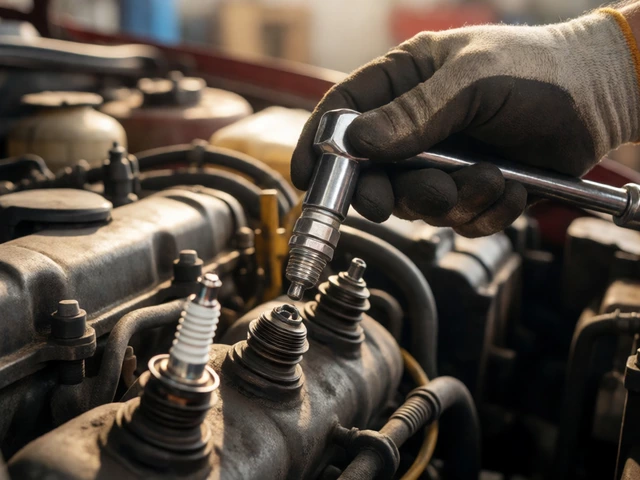
Changing spark plugs is one of the easier DIY jobs, but it has pitfalls. If you strip the threads in the aluminium cylinder head, you’re in for a headache. Aluminium heads are soft. Cross-threading a plug can ruin the engine block.
Consider doing it yourself if:
- You have the correct deep socket and torque wrench.
- Your engine bay is accessible.
- You are comfortable following precise torque specs (usually 15-25 Nm).
Hire a professional if:
- Your plugs are buried under intake manifolds or other components.
- You suspect oil fouling indicates a larger engine problem.
- You lack the tools to measure gap or apply proper torque.
A mechanic will also inspect the ignition coils while they are there. Often, a failing coil pack mimics a bad spark plug. Replacing both ensures the problem is solved completely.

The Cost of Ignoring the Problem
It’s tempting to postpone the change, especially if the car still runs. But here is the math. A set of four quality iridium plugs costs between £40 and £80. Labour adds another £50-£100 depending on accessibility. Total: maybe £150-£180.
Now consider the alternatives. Driving on badly fouled plugs forces unburnt fuel into the exhaust. This overheats the catalytic converter. A new cat can cost £300 to £800. Worse, severe misfiring can crack a piston or damage valves. Those repairs run into thousands.
Furthermore, poor combustion increases emissions. If you live in a Clean Air Zone or need an MOT soon, failing emissions tests due to spark plug issues is common. Fixing the plugs beforehand saves you a re-test fee.
Pro Tips for Longevity
To make your new plugs last as long as possible, follow these simple rules:
- Check the Gap: Even "pre-gapped" plugs can shift during shipping. Use a feeler gauge to ensure the gap matches manufacturer specs (often 0.7mm-1.1mm). Adjust gently with a tool designed for this.
- Torque Correctly: Hand-tighten first, then use a torque wrench. Over-tightening cracks the ceramic insulator; under-tightening lets compression leak past the threads.
- Use Dielectric Grease: Apply a small amount to the boot of the ignition wire. This prevents moisture ingress and makes future removal easier by stopping corrosion welding.
- Replace in Sets: Always change all plugs at once. New plugs fire differently than old ones. Mixing them creates uneven engine performance and puts extra strain on the crankshaft.
By staying attentive to your car’s sounds and performance, you catch these issues early. It’s not about being a mechanic; it’s about listening to your machine. A smooth idle today means fewer surprises tomorrow.
Can I drive with a bad spark plug?
Yes, for a short period, but it is risky. You may experience reduced power and poor fuel economy. However, prolonged driving with a severely misfiring plug can damage the catalytic converter and lead to costly repairs. If the engine is shaking violently, stop driving and seek assistance.
How often should spark plugs be changed?
It depends on the plug type. Copper plugs typically need replacement every 30,000 miles. Platinum plugs last 60,000-80,000 miles, and iridium plugs can go up to 100,000 miles. Always check your vehicle's owner manual for the specific interval recommended by the manufacturer.
What does a black spark plug mean?
A dry, black, sooty spark plug indicates carbon fouling. This usually means the engine is running rich (too much fuel) or the car is used primarily for short trips that don't allow the engine to reach optimal temperature to burn off deposits. Cleaning the plug may help temporarily, but identifying the root cause is necessary.
Do spark plugs affect acceleration?
Absolutely. Weak sparks result in incomplete combustion, which directly reduces the force generated in each cylinder. This manifests as sluggish acceleration, hesitation when pressing the gas pedal, and a general lack of responsiveness, particularly when climbing hills or overtaking.
Is it hard to change spark plugs myself?
For many cars, it is a straightforward DIY task requiring basic tools like a ratchet, extension, and spark plug socket. However, on some modern engines, plugs are difficult to access, requiring removal of intake covers or other parts. If you are unsure, consult a repair guide for your specific model before starting.