Car AC Troubleshooting Assistant
What is the primary symptom you are experiencing?
Diagnosis
Description goes here.
You turn the knob to max cool, blast the fan, and wait. But instead of a refreshing chill, you get lukewarm breath or worse, hot air straight from the vents. It’s frustrating, especially on a humid July afternoon when your shirt is already sticking to your back. You’re probably wondering if you need a $500 repair or if it’s something simple you can fix yourself. The truth is, most car ac not blowing cold air issues stem from just three main culprits: low refrigerant, a blocked airflow path, or a mechanical failure in the cooling system itself.
Before you hand over your keys to a mechanic who might upsell you, let’s walk through what’s actually happening under your hood. Your car’s air conditioning isn’t magic; it’s a closed-loop system that moves heat from inside your cabin to the outside world. If one part of that loop breaks, the whole process stalls. We’ll break down the most common reasons for warm air, how to spot them without fancy tools, and when you really do need professional help.
The Refrigerant Leak: Why Low Freon Stops Cooling
Refrigerant is the lifeblood of your air conditioning system. Often called Freon (a brand name for R-134a or the newer R-1234yf), this chemical changes state from liquid to gas to absorb heat. Here’s the thing: refrigerant doesn’t get "used up" like fuel. If your levels are low, you have a leak. Period.
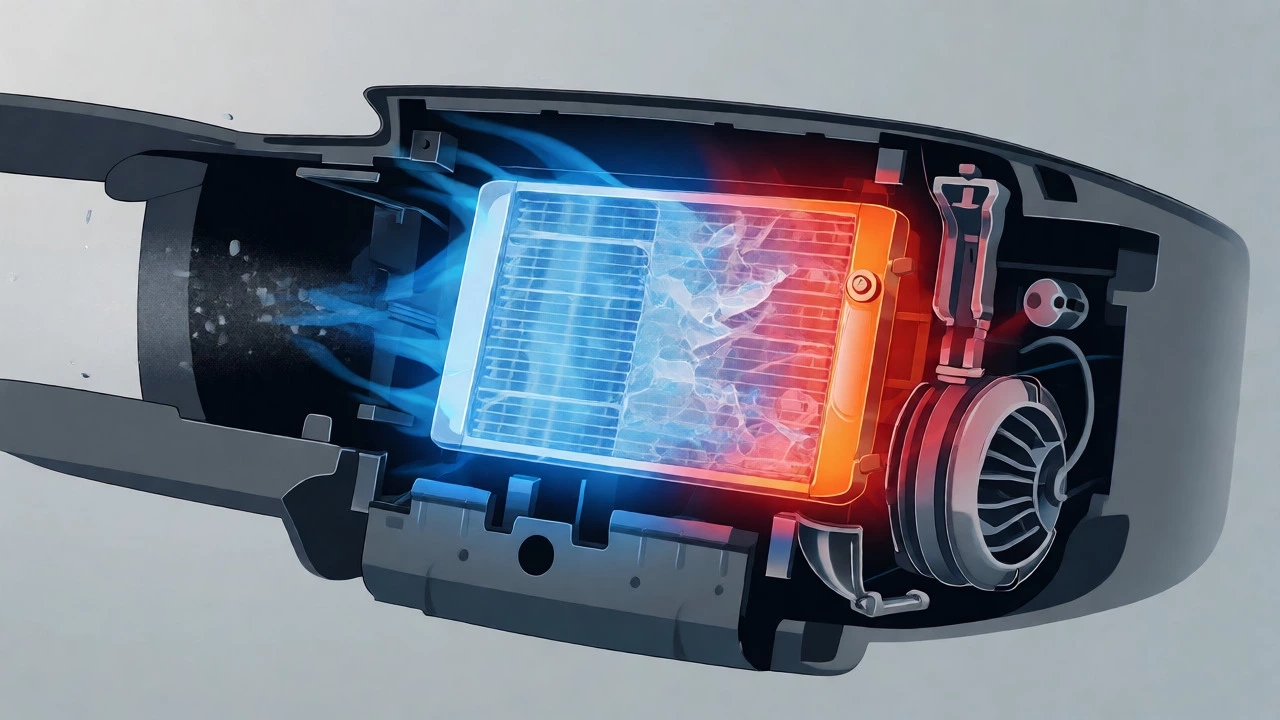
Over time, rubber hoses dry out, seals harden, and metal lines corrode. Even a tiny pinhole leak can drop pressure enough to stop cooling. When pressure drops, the evaporator core-the component inside your dashboard that actually cools the air-can’t extract heat effectively. You might notice the air gets cooler when you drive fast but warms up when you sit in traffic. That’s a classic sign of low charge because the compressor needs RPMs to build pressure.
How do you check this at home? Most cars have a sight glass on the receiver-drier or accumulator near the firewall. Look for bubbles. Clear flow means good pressure; bubbles mean low refrigerant. If you don’t have a sight glass, touch the larger aluminum line running from the compressor to the firewall. It should be ice-cold. If it’s room temperature, your system is starving for refrigerant. Don’t just top it off with a DIY kit unless you know where the leak is. You’ll just lose the new gas in a few weeks.
Airflow Blockages: The Cabin Filter and Evaporator Coil
Sometimes the cooling mechanism works perfectly, but the air can’t reach you. This is usually due to restricted airflow. The first suspect is the cabin air filter. Think of it as the mask your car wears to keep dust, pollen, and leaves out of your lungs. Over 15,000 miles, this filter turns into a felt mat of grime. If it’s clogged, the blower motor struggles to push air across the evaporator coil. Result? Weak airflow and reduced cooling capacity.
Replacing a cabin filter is often a 10-minute job behind the glove box. Pop it open, remove the cover, slide out the old filter, and insert a new one. Make sure the arrow on the filter points toward the airflow direction (usually downward). If changing the filter brings back strong airflow, you’ve saved yourself a trip to the shop.
If the filter is clean but airflow is still weak, the problem might be deeper: a frozen evaporator coil. Yes, your AC can freeze up. If the blend door sticks in the "heat" position, or if the thermostat malfunctions, moisture freezes on the coils. This ice blockage stops air from passing through. Turn off the AC but leave the fan on high for 15 minutes. If you hear dripping water or see condensation pouring out from under the dash once the ice melts, you’ve confirmed a freezing issue. This often points to a faulty expansion valve or low refrigerant causing the coil to get too cold.
Mechanical Failures: Compressor, Condenser, and Fans
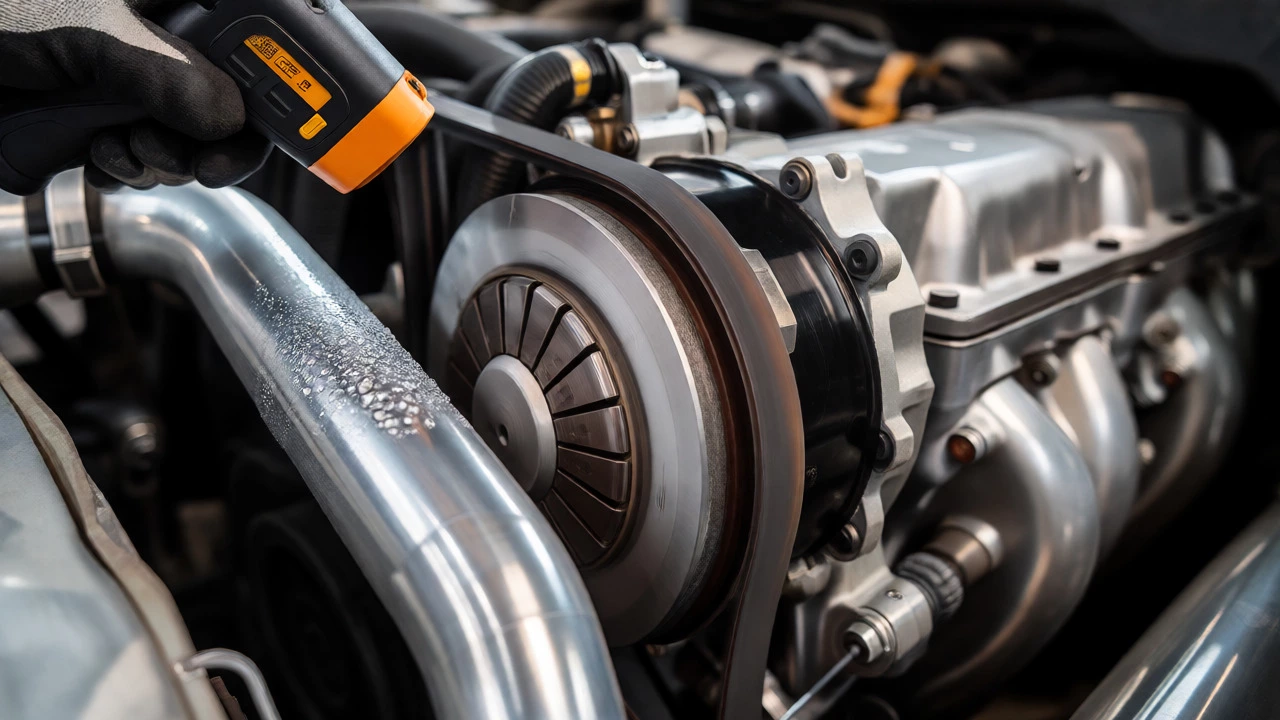
If your refrigerant is full and airflow is strong, the problem is likely mechanical. The heart of the system is the AC compressor. It pumps refrigerant through the system. If the clutch doesn’t engage when you press the AC button, the compressor won’t spin. Listen closely when you start the car. Do you hear a loud click from the engine bay? That’s the compressor clutch engaging. No click? Check the fuse, the relay, or the clutch gap. Sometimes the clutch air gap widens with wear, preventing engagement even when voltage is present.
Another critical component is the condenser, which looks like a radiator mounted in front of your main engine radiator. Its job is to release heat absorbed from the cabin. If the condenser fins are bent, covered in bugs, or clogged with dirt, heat can’t escape. The refrigerant stays hot, and the air coming into your car feels tepid. Inspect the front grille area. Use a garden hose (not a pressure washer, which bends fins) to gently spray water backward through the fins to clear debris.
Finally, check your electric cooling fans. When the AC is on, these fans should run whenever the engine is idling or the coolant temp rises. If the fans aren’t spinning, heat builds up in the condenser, raising head pressure and shutting down cooling efficiency. A bad fan motor or resistor is a common culprit here. You can test this by turning on the AC while the car is parked. If the fans don’t kick on within 30 seconds, you have an electrical issue.
| Symptom | Likely Cause | DIY Check | Professional Fix Needed? |
|---|---|---|---|
| Air blows but isn't cold | Low refrigerant / Leak | Touch large AC line (should be cold) | Yes (Leak detection & recharge) |
| Weak airflow from vents | Clogged cabin filter | Inspect filter behind glove box | No (Replace filter) |
| Compressor clutch doesn't click | Electrical fault / Bad clutch | Check fuse/relay; listen for click | Maybe (Fuse/Relay is cheap) |
| Cooling fails at idle, works at speed | Fan failure / Dirty condenser | Verify fans spin when AC is ON | Yes (Fan motor replacement) |
| Ice forms under hood/dash | Frozen evaporator / Expansion valve | Run fan only to melt ice | Yes (System diagnostic) |
Blend Door Actuators and Climate Control Glitches
Modern cars use electronic blend doors to mix hot and cold air. If you set the dial to 60°F but get 80°F air, the blend door might be stuck. This plastic flap directs air around the heater core. If the actuator motor fails, the door might stay in the "heat" position, mixing hot engine heat with your cooled air. This is why some drivers feel cold air on one side of the car and hot on the other-a dual-zone climate control system failing on one zone.
You can sometimes diagnose this by listening for clicking noises from behind the dashboard when you change temperature settings. Rapid clicking indicates a stripped gear in the actuator. Replacing these actuators is labor-intensive because they’re buried deep in the dash, but parts are relatively inexpensive. Before paying for labor, try resetting your car’s battery for 15 minutes. Occasionally, the climate control module loses its calibration and resets itself after a power cycle.
When to Call a Mechanic vs. DIY
Here’s the rule of thumb: If it involves airflow filters, fuses, relays, or cleaning external components, do it yourself. If it involves opening the sealed refrigerant circuit, replacing the compressor, or removing the dashboard, call a pro. Handling refrigerant requires EPA-certified equipment to recover and recycle the gas legally and safely. Improper handling can damage your compressor or cause frostbite.
Also, consider the age of your vehicle. Older cars using R-12 refrigerant are becoming rare and expensive to service. Newer cars using R-1234yf require specific oils and dyes. Mixing systems causes catastrophic failures. Always verify the refrigerant type printed on the sticker under your hood before buying any cans or kits.
Can I add refrigerant myself if my AC isn't cold?
Yes, but only as a temporary fix. DIY kits work well for small leaks. However, if your system has lost all pressure, adding refrigerant won't help because there's no medium to circulate. Also, never exceed the recommended charge amount listed on your under-hood sticker. Overcharging reduces cooling efficiency and can blow seals.
Why does my AC work at highway speeds but not in traffic?
This usually points to two things: low refrigerant or failed cooling fans. At highway speeds, airflow over the condenser helps dissipate heat even if the system is slightly low on charge. In traffic, you rely entirely on the electric fans to pull air through the condenser. If those fans are dead or the condenser is dirty, heat builds up, raising pressure and stopping cooling.
Is a bad cabin filter dangerous?
Not immediately dangerous mechanically, but it harms your health and comfort. A clogged filter forces the blower motor to work harder, potentially burning it out ($200+ repair). Health-wise, it lets allergens, mold spores, and exhaust fumes into the cabin, worsening asthma or allergies.
How much does it cost to fix an AC that isn't blowing cold air?
Costs vary widely. A cabin filter replacement is $20-$50. A refrigerant recharge is $100-$150. Replacing a compressor typically costs $600-$1,200 including labor. Major repairs involving evaporator core replacement (requiring dashboard removal) can exceed $1,500. Always get a quote for diagnosis first.
Does driving with the AC off save significant gas?
The difference is minimal in modern vehicles. The compressor adds about 5-10 horsepower load. At highway speeds, rolling down windows creates more drag than running the AC. So, keeping the AC on at 70 mph is often more efficient than opening windows. In city driving, the savings are negligible anyway.