Add Oil to Car: What You Need to Know Before You Pour
When you add oil to car, a critical maintenance step that keeps your engine running smoothly and prevents catastrophic failure. Also known as engine oil top-up, it’s not just about filling a reservoir—it’s about protecting thousands of moving parts that turn fuel into motion. Most drivers don’t realize their engine is slowly starving for oil until it’s too late. Low oil doesn’t always trigger a warning light. Sometimes, it just whispers: a faint knock, a rough idle, or a smell of burning oil under the hood.
Engine oil, a lubricant designed to reduce friction, cool components, and clean internal debris. Also known as motor oil, it’s the lifeblood of your engine’s internal combustion system. Not all oil is the same. Your car needs a specific viscosity—like 5W-30 or 10W-40—marked on the oil cap or in the manual. Pouring in the wrong type can hurt performance or even cause damage. And don’t assume your oil level is fine just because you changed it six months ago. Oil breaks down over time, even if you don’t drive much. Heat, dust, and stop-and-go traffic in Indian cities eat through oil faster than you think.
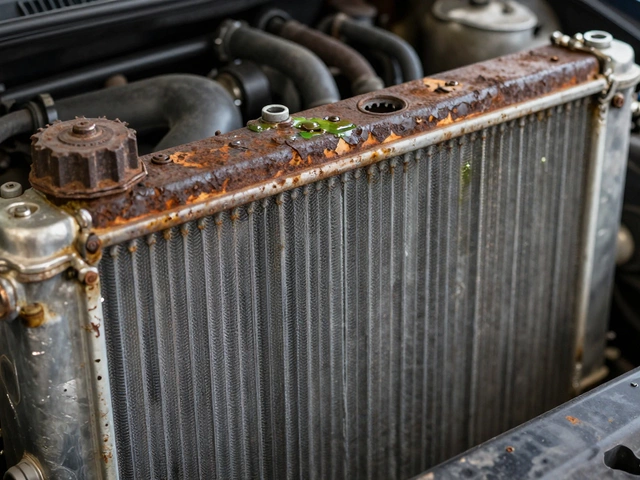
Oil change, the scheduled replacement of old, contaminated oil with fresh fluid. Also known as oil service, it’s not just a money-making service—it’s a shield against engine wear. If you’re only adding oil between changes, you’re playing Russian roulette. Old oil turns to sludge. It loses its ability to cool and clean. That’s why you’ll find posts here about dirty engine oil symptoms, how oil contamination kills engines, and why ignoring oil levels leads to repair bills that could buy you a new tire. The same posts also cover how oil relates to clutch wear, suspension stress, and even radiator performance—because everything in your car is connected.
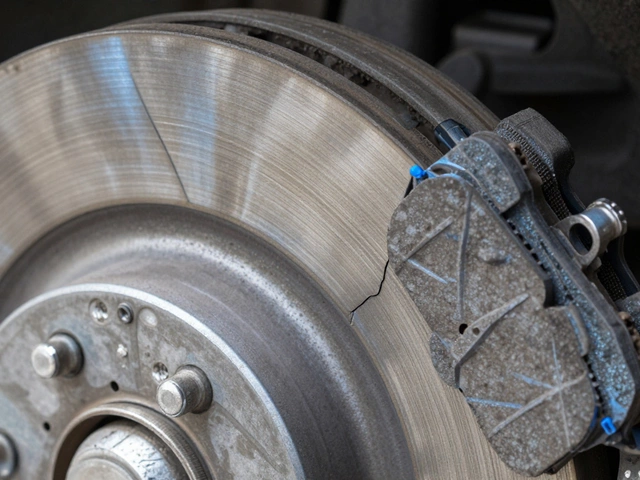
When you add oil to car, you’re not just topping up—you’re preventing a chain reaction. Low oil means more friction, which means more heat, which strains the radiator, which can cause overheating, which can warp pistons or blow a head gasket. And if your oil is dirty or old, it won’t protect your valves, timing chain, or turbocharger. That’s why people who skip regular checks end up replacing entire engines instead of just a bottle of oil.
You’ll find real-world guides here on how to check oil level the right way, what the dipstick really means, how to pick the right oil for Indian roads, and why some people add oil too often because they’re ignoring a bigger leak. We’ll show you the signs your engine is drinking oil, how to tell if you’re overfilling, and why cheap oil can cost you more in the long run. Whether you’re driving a compact hatchback in Delhi or a pickup in Pune, the rules don’t change. Oil keeps your engine alive. Get it right, and your car lasts. Get it wrong, and you’re paying for someone else’s mistake.
-
6 May
- Recent
- Popular
-
 Spark Plug Life: How Long Do They Really Last?
May 20 2025
Spark Plug Life: How Long Do They Really Last?
May 20 2025
-
 When Is the Perfect Month to Buy Tires?
Feb 4 2025
When Is the Perfect Month to Buy Tires?
Feb 4 2025
-
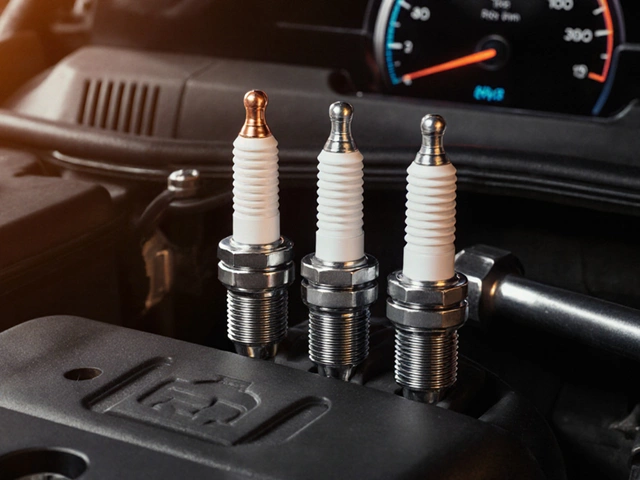 Spark Plug Lifespan: How Many Years Do They Really Last?
Oct 10 2025
Spark Plug Lifespan: How Many Years Do They Really Last?
Oct 10 2025