Air Filter Efficiency: What It Really Means for Your Car’s Performance
When we talk about air filter efficiency, how well an air filter traps dirt and debris while allowing clean air into the engine. Also known as filtration effectiveness, it’s not just about keeping dust out—it’s about keeping your engine alive. A filter that’s 95% efficient sounds great on paper, but if it’s clogged, your engine starves for air. That’s when power drops, fuel bills climb, and your car starts acting sluggish.
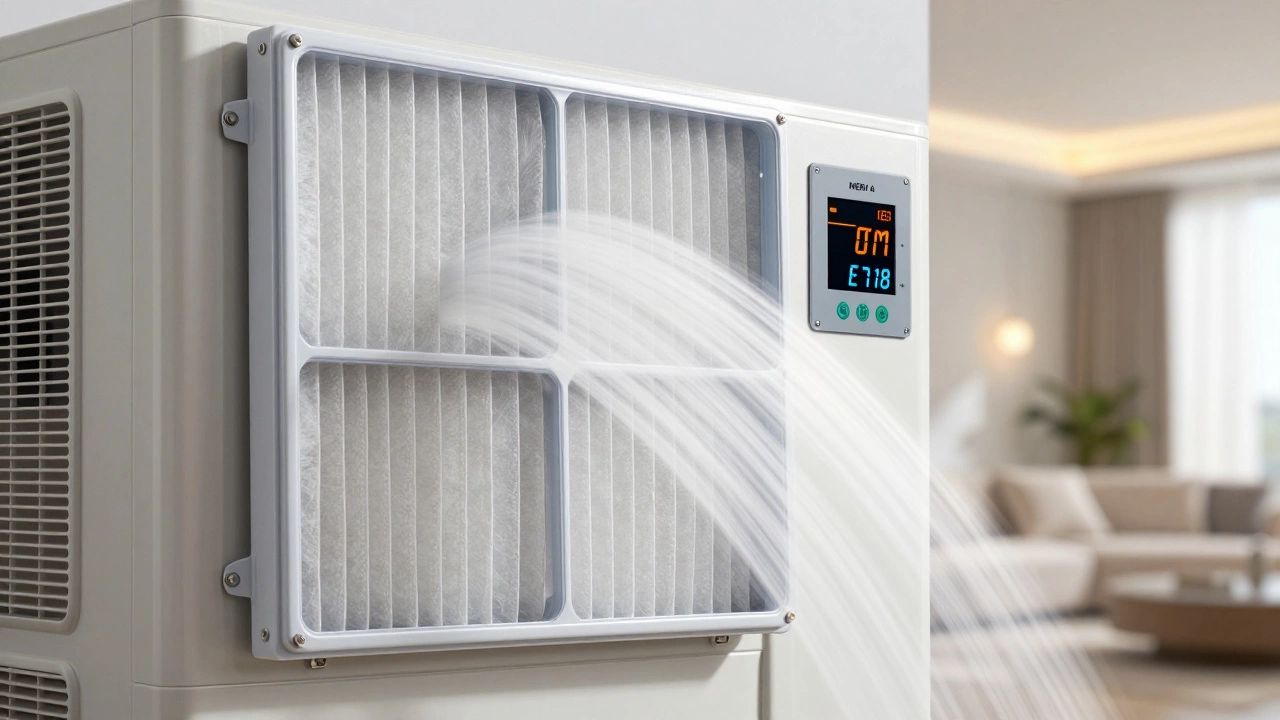
That’s why engine performance, the way your engine responds to throttle input, produces power, and runs smoothly ties directly to how well your air filter works. A dirty filter doesn’t just let in less air—it forces the engine to work harder, which burns more fuel. Studies from automotive labs show that a severely clogged air filter can reduce fuel efficiency by up to 10%. And if you’re driving in dusty areas, like rural roads in India, that number can spike even higher. Then there’s the cabin air filter, the separate filter that cleans the air coming into your car’s interior. It’s not part of the engine, but it’s just as important. If it’s clogged, your AC struggles, your nose itches, and your lungs pay the price.
What most people miss is that air filter efficiency isn’t just about the filter itself. It’s about the system around it. A high-efficiency filter won’t help if your intake ducts are cracked, or if you’re using cheap aftermarket filters that look good but leak dust. And replacing your filter isn’t just a chore—it’s a signal. If you wait until your car feels slow or your check engine light comes on, you’ve already waited too long. The best time to replace it? When you notice less throttle response, a slight drop in mileage, or just when your manual says to.
You’ll find posts here that show you exactly when you’ll feel the difference after a filter swap—no theory, just real results. Some drivers swear by performance filters. Others stick with OEM. We break down what actually works, what’s hype, and which filters are worth the extra cost. You’ll also see how a dirty cabin filter can make your AC sound like a dying vacuum, and why skipping replacements can lead to expensive HVAC repairs. We cover the signs your filter is failing, how to check it yourself in under five minutes, and what happens if you ignore it for a year. This isn’t about following a schedule—it’s about understanding what your car is telling you.
-
5 Dec
- Recent
- Popular