Air Filter Uses: What They Do and Why They Matter for Your Car
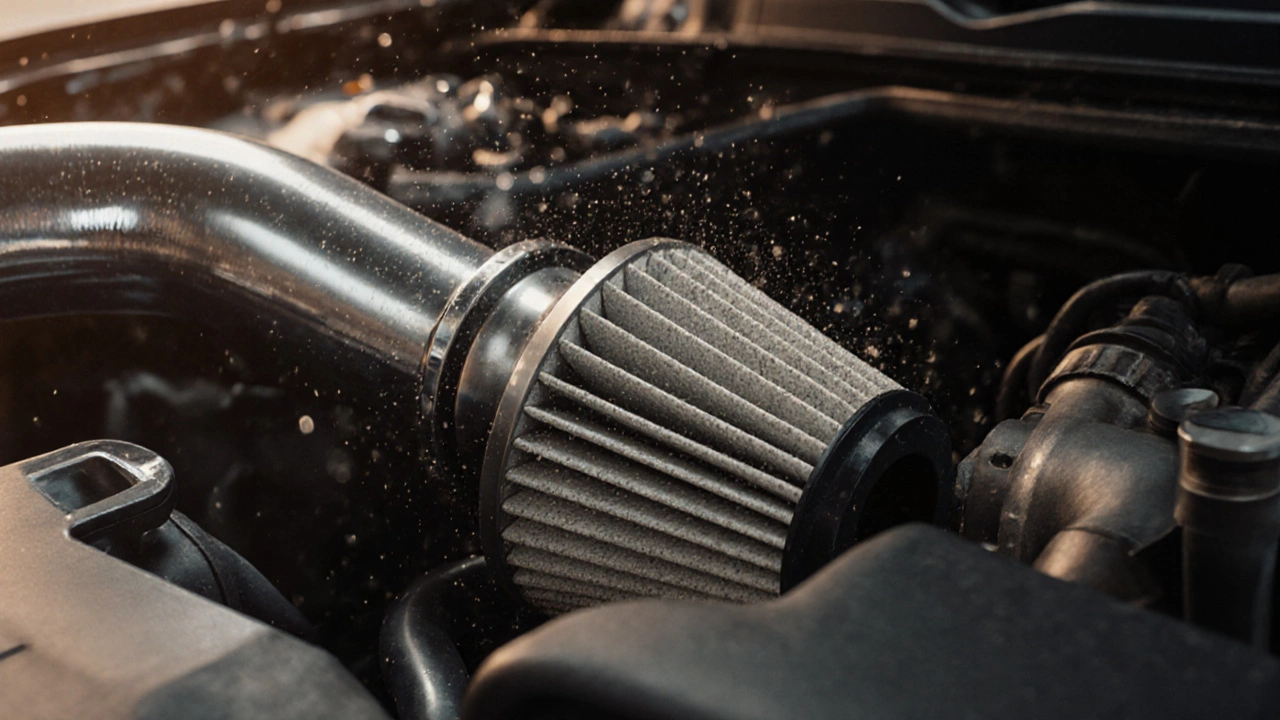
When you think about your car’s health, you probably think of oil changes or brake pads—but the air filter, a simple component that cleans the air entering your engine and cabin. Also known as engine air filter or cabin air filter, it’s one of the most overlooked parts that directly affects how your car runs and how healthy the air inside feels. Most people don’t realize there are two air filters in most cars: one for the engine and one for the cabin. The engine air filter keeps dust, dirt, and debris out of your intake system, while the cabin air filter traps pollen, smoke, and pollutants before they reach your lungs. Skipping either one doesn’t just make your ride uncomfortable—it hurts performance and can lead to expensive repairs.
Think of the air filter like your car’s lungs. If it’s clogged, the engine struggles to breathe. That means less power, worse fuel economy, and even rough idling. A dirty engine air filter can reduce fuel efficiency by up to 10%, according to real-world tests from mechanics who track fuel consumption before and after replacements. And if you’re driving in dusty areas—common in many parts of India—that filter fills up faster than you think. Meanwhile, a clogged cabin air filter doesn’t just make your AC smell bad; it forces the system to work harder, which can lead to blower motor failure. Both filters are cheap to replace, but letting them go too long? That’s where the real cost kicks in.
It’s not just about mileage. If you notice reduced airflow from your vents, a musty smell when you turn on the AC, or your engine sputtering on acceleration, those are signs your filters are failing. You don’t need a mechanic to check them—most cabin filters are behind the glove box, and engine filters sit in a black plastic box under the hood. A quick visual inspection takes two minutes. If you can’t see light through it, it’s time to swap it. Replacing an air filter is one of the easiest DIY jobs you can do, and it’s one of the few fixes that gives you immediate results: smoother acceleration, quieter cabin, and better air quality.
The posts below cover everything from what happens when you ignore your air filter to how it connects to bigger problems like AC failure, engine wear, and even fuel pump strain. You’ll find real advice on when to replace it, how to spot a bad one without tools, and why some drivers replace theirs every 6 months—no matter what the manual says. Whether you drive a compact hatchback or a heavy SUV, these filters matter. Don’t wait until your car starts acting up. Check it now. It’s the simplest thing you can do to keep your car running right and your air clean.
-
17 Oct
- Recent
- Popular