Airflow Restriction: What It Is, How It Hurts Your Engine, and What to Do
When your engine struggles to breathe, it’s not just a minor inconvenience—it’s airflow restriction, a condition where the amount of air entering the engine is reduced below what’s needed for optimal combustion. Also known as restricted air intake, it’s one of the most common but overlooked problems in cars today. Think of your engine like your lungs. If you’re trying to run while holding your breath, you’ll tire fast, feel weak, and eventually stop. Your car does the same thing when air can’t flow freely into the combustion chamber.
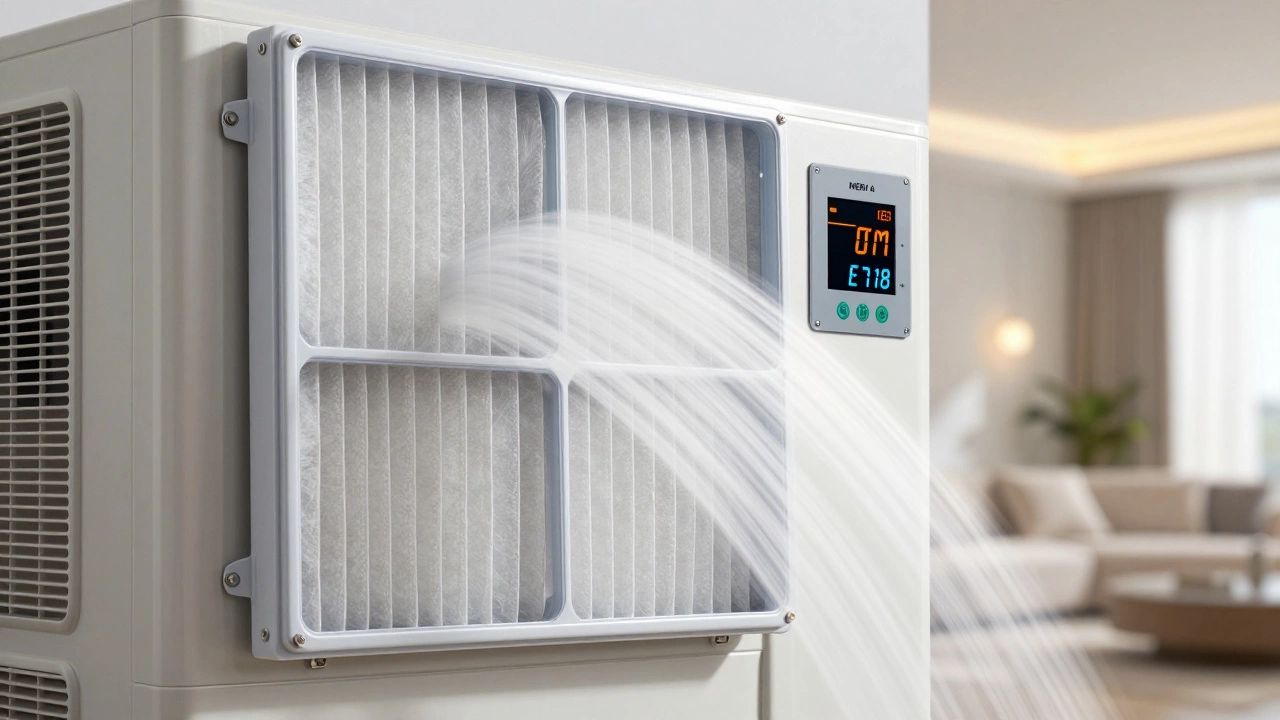
Air filter, a simple mesh or paper component designed to trap dust and debris before they reach the engine is usually the first culprit. A dirty filter doesn’t just reduce airflow—it forces the engine to work harder, burning more fuel just to pull in the same amount of air. This directly impacts engine performance, the engine’s ability to produce power efficiently under load. You might not notice it at first, but over time, your car feels sluggish, the throttle response lags, and your fuel tank empties faster than it should. Fuel efficiency, how many miles your car can travel per gallon or liter of fuel drops by 5% to 10% in many cases, and that adds up fast at the pump. Even worse, modern engines rely on precise air-fuel ratios. If airflow is off, the ECU tries to compensate by adjusting fuel injection, which can trigger check engine lights, misfires, or even long-term damage to sensors and catalytic converters.
It’s not just the filter. Airflow restriction can come from collapsed intake hoses, clogged air ducts, even a dirty mass airflow sensor. Some people think upgrading to a "performance air filter" fixes everything, but if the rest of the system is blocked, you’re just putting a band-aid on a broken pipe. The real fix is a full inspection: check the filter, trace the intake path, clean the sensor, and look for obstructions. And yes—replacing a dirty air filter isn’t just routine maintenance. It’s one of the few car fixes that gives you instant, measurable results. You’ll feel the difference in acceleration, hear the engine breathe easier, and see your fuel economy climb back up.
What you’ll find below are real-world stories from drivers who noticed these changes after fixing airflow issues. From the guy who gained 3 MPG after swapping his clogged filter, to the truck owner who stopped stalling at stoplights once the intake duct was cleared. These aren’t theory checks—they’re lived experiences. You don’t need a garage full of tools to fix this. Just the right knowledge, and maybe ten minutes of your time.
-
5 Dec
- Recent
- Popular