Automotive Parts: What You Need to Know About Car Components and Repairs
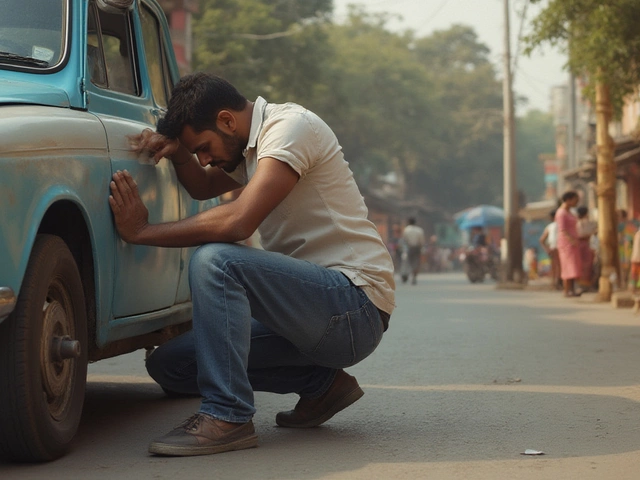
When your car starts acting up, it’s usually one of its automotive parts, physical components that keep a vehicle running, from the engine to the brakes. Also known as vehicle components, these are the pieces you don’t see but rely on every time you turn the key. Whether it’s a worn clutch, a failing brake pad, or a leaking radiator, something inside your car is always working hard—and sometimes, it’s failing.
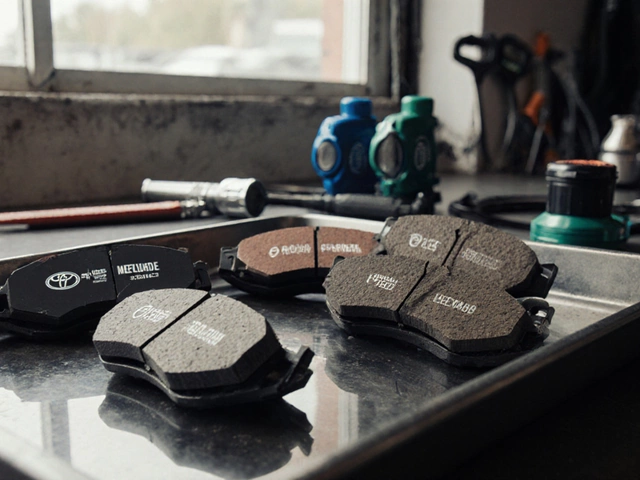
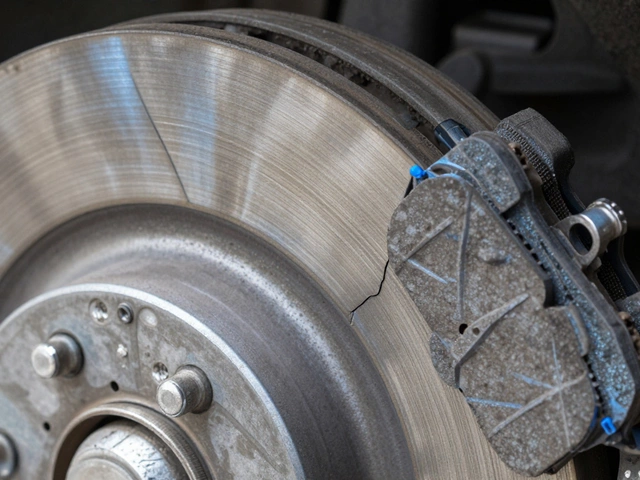
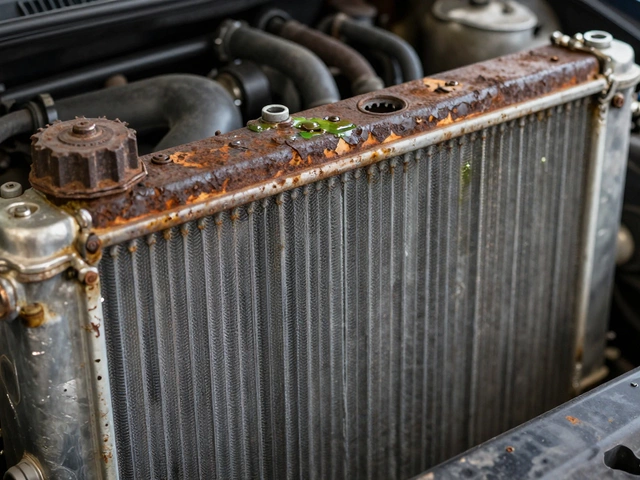
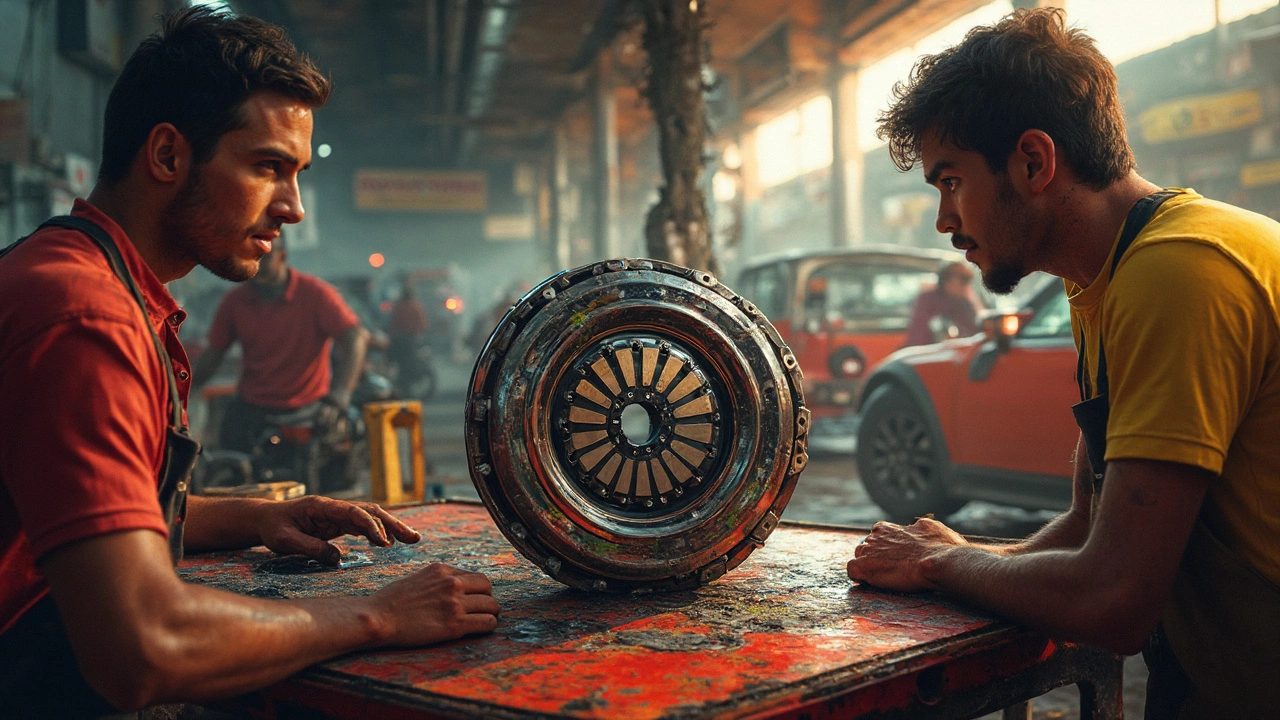
Most people think of brake pads, friction material that slows your car by pressing against the rotors as simple wear items, but they’re tied directly to safety. If they’re worn out, your stopping distance grows, your rotors get damaged, and you risk an accident. The same goes for clutch replacement, the process of swapping out the assembly that connects your engine to the transmission. A burnt clutch doesn’t just slip—it can leave you stranded. And then there’s the car radiator, the system that keeps your engine from overheating, even in electric cars. Yes, EVs still need cooling. Ignoring it can melt your engine block.
And don’t forget the suspension system, the network of shocks, springs, and links that smooth out bumps and keep your tires on the road. A bad suspension doesn’t just make your ride rough—it makes your car harder to steer, increases tire wear, and can even cause brake failure. These aren’t random parts. They’re connected. A worn shock affects brake pads. A clogged air filter strains the engine. A failing fuel pump kills your clutch’s life. Fixing one thing often means checking others.
You’ll find real stories here—not theory. How much does replacing four brake pads actually cost in India? What does a bad clutch sound like before it dies? Can you fix a suspension noise yourself, or is it time for a mechanic? These aren’t guesswork questions. They’re the ones drivers ask every day, and the posts below answer them with clear numbers, sounds, and signs you can check right now. No fluff. No marketing. Just what you need to know before you spend money—or worse, risk your safety.
-
25 Feb
- Recent
- Popular