Automotive Repair: Fix Common Car Problems Yourself
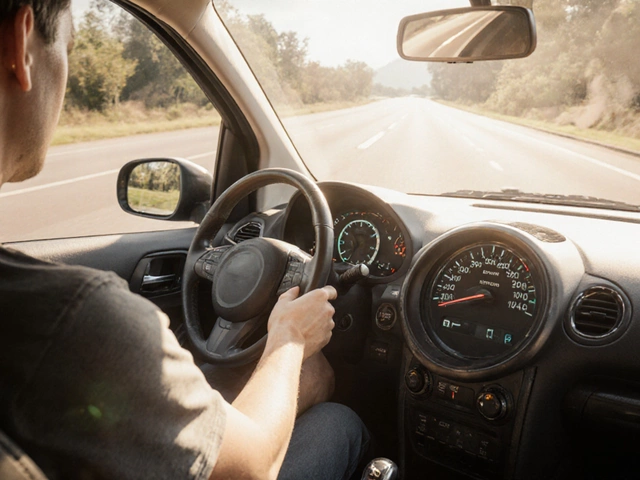
When your car starts making strange noises or refuses to shift smoothly, you’re dealing with automotive repair, the process of diagnosing and fixing mechanical issues in vehicles to restore safety and performance. Also known as car maintenance, it’s not just for mechanics—anyone who drives can learn to spot the warning signs before things turn expensive. Whether it’s a squealing brake, a slipping clutch, or a suspension that rattles over bumps, these aren’t random failures. They’re signals your car is asking for help.
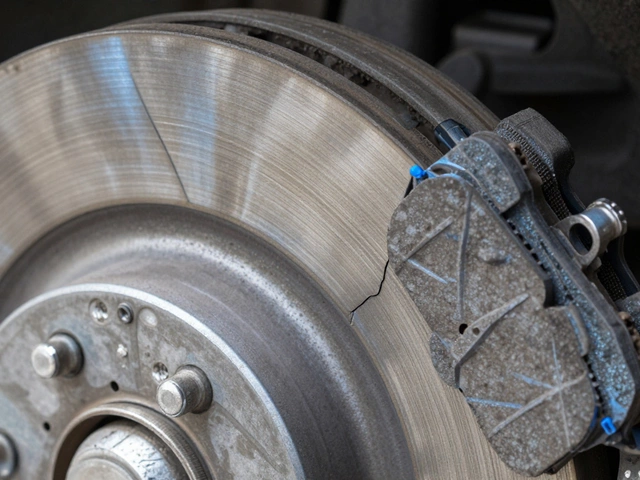
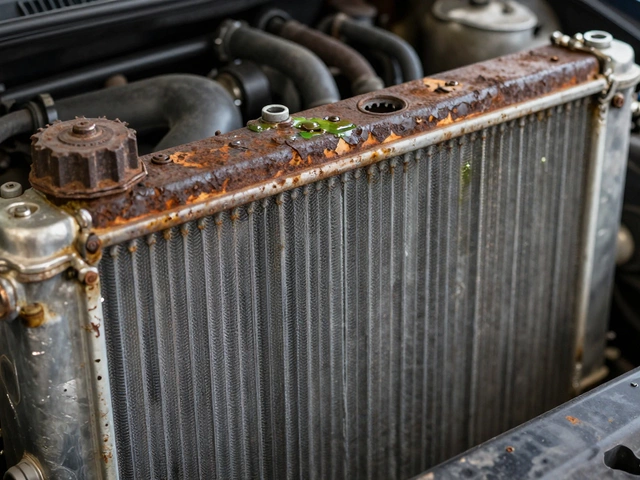
Clutch replacement, a common automotive repair task involving the removal and installation of the clutch assembly to restore gear engagement often gets ignored until the car won’t move. But signs like a spongy pedal, grinding gears, or a burning smell show up long before total failure. Same with brake pads, the friction material that presses against rotors to slow or stop your vehicle. If you hear a high-pitched squeal or feel vibration when braking, you’re not imagining it—your pads are worn down. And then there’s suspension repair, fixing worn shocks, struts, or control arms that affect ride quality and handling. A bad suspension doesn’t just make your ride bumpy—it makes your brakes less effective and your tires wear out faster. Even radiator replacement, the process of swapping a failed engine cooling component to prevent overheating is more urgent now than ever, even in electric cars that still need cooling systems.
These aren’t theoretical problems. They show up in real cars, every day, across India’s roads. You don’t need a garage full of tools to start paying attention. Listen to your car. Feel the pedal. Watch for warning lights. The posts below give you exact symptoms to look for, realistic cost estimates, and clear steps to take—whether you’re planning to fix it yourself or just want to know if a mechanic is trying to overcharge you. No fluff. No guesswork. Just what actually matters when your car breaks down.
-
13 Jul
- Recent
- Popular