Brake Rotor Cost: What You Really Pay to Replace Them in 2025
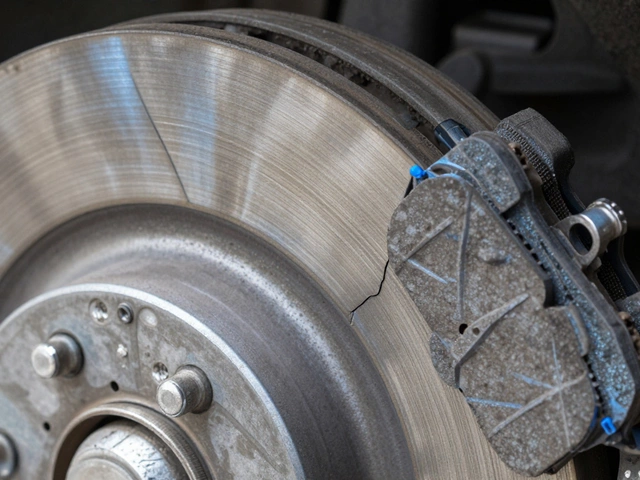
When your brakes start squealing or shaking, it’s not just the pads—brake rotors, the metal discs that brake pads clamp down on to stop your car. Also known as brake discs, they’re a core part of your brake system and wear out just like pads. Ignoring worn rotors doesn’t just hurt stopping power—it can crack them, warp them, or even cause total brake failure.
Most people think replacing brake pads is the only cost, but rotors often need attention too. If your car vibrates when braking, takes longer to stop, or has deep grooves on the rotor surface, those discs are done. In India, rotor prices vary wildly: basic models for hatchbacks start around ₹3,000 per pair, while premium or performance rotors for SUVs and sedans can hit ₹8,000–₹12,000. Labor adds another ₹1,500 to ₹3,000 depending on the shop. You might hear mechanics say "resurfacing" is cheaper, but that’s a temporary fix—most modern rotors are too thin to safely machine again. Replacing them outright is smarter, safer, and often costs the same in the long run.
Brake rotors don’t live in isolation. They work hand-in-hand with brake pads, which are the friction material that grips the rotor. If you replace pads without checking the rotors, you’ll wear out the new pads fast. And if your suspension is worn, it causes uneven rotor wear—something we’ve seen in posts about bad suspension and brake pad wear signs. Even your driving style matters: city driving with heavy braking wears rotors faster than highway cruising. Most rotors last 30,000 to 70,000 km, but aggressive drivers might need replacements by 25,000 km.
There’s no one-size-fits-all price. A Maruti Swift’s rotors cost less than a Toyota Fortuner’s. Aftermarket brands like Rane or Bosch offer solid value, while OEM parts cost more but fit perfectly. Always ask if the quote includes new hardware—like mounting bolts and shims—because reusing old ones can cause noise and uneven wear. And never skip a brake fluid flush when replacing rotors; old fluid boils under heat and reduces stopping power.
What you find below isn’t just a list of articles—it’s a practical toolkit. You’ll see real cost breakdowns for different Indian cars, signs your rotors are failing, why some shops push unnecessary replacements, and how to tell if you’re being overcharged. We’ve tied these posts together because brake safety isn’t about one part—it’s about how rotors, pads, suspension, and fluid all interact. Whether you’re fixing your own car or hiring a mechanic, knowing what to look for saves money and keeps you safe.
-
22 Jul
- Recent
- Popular